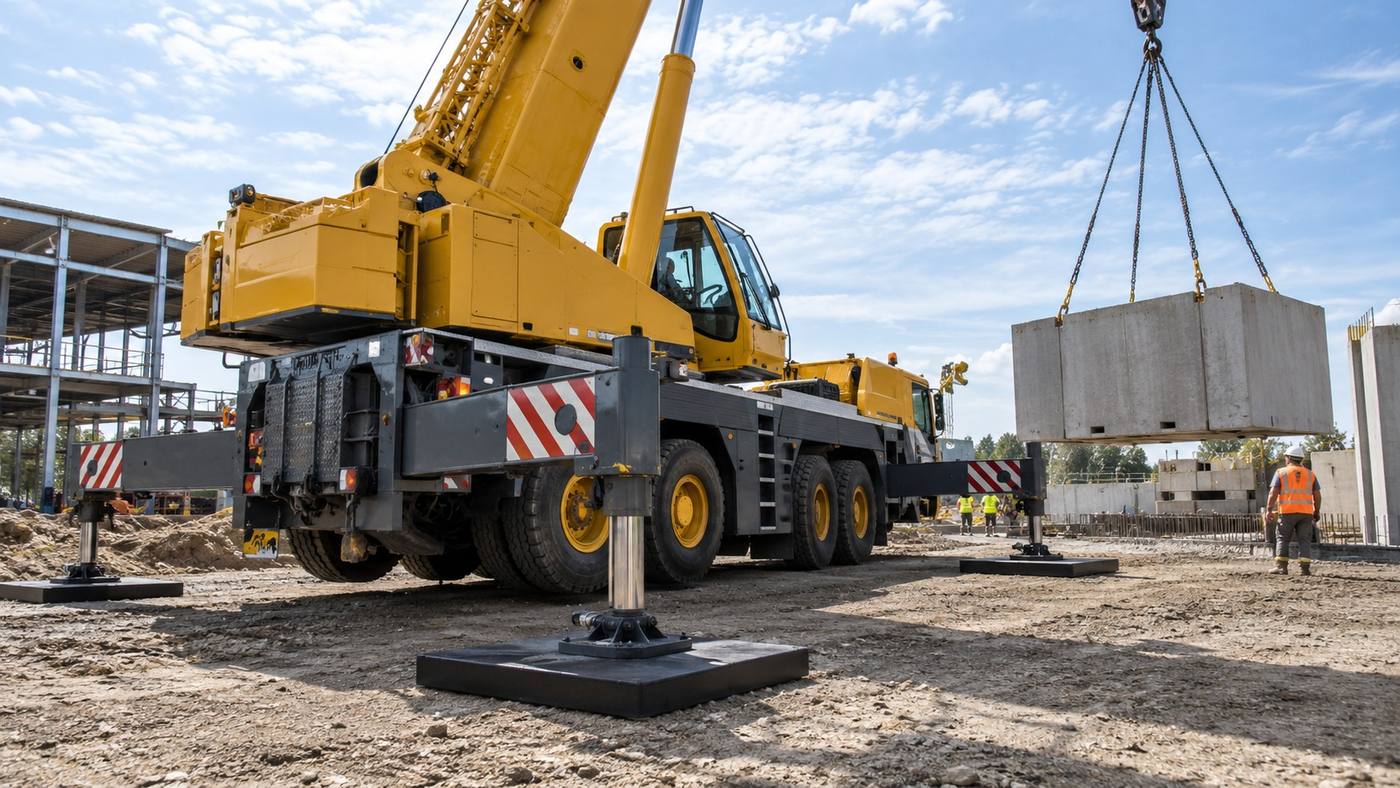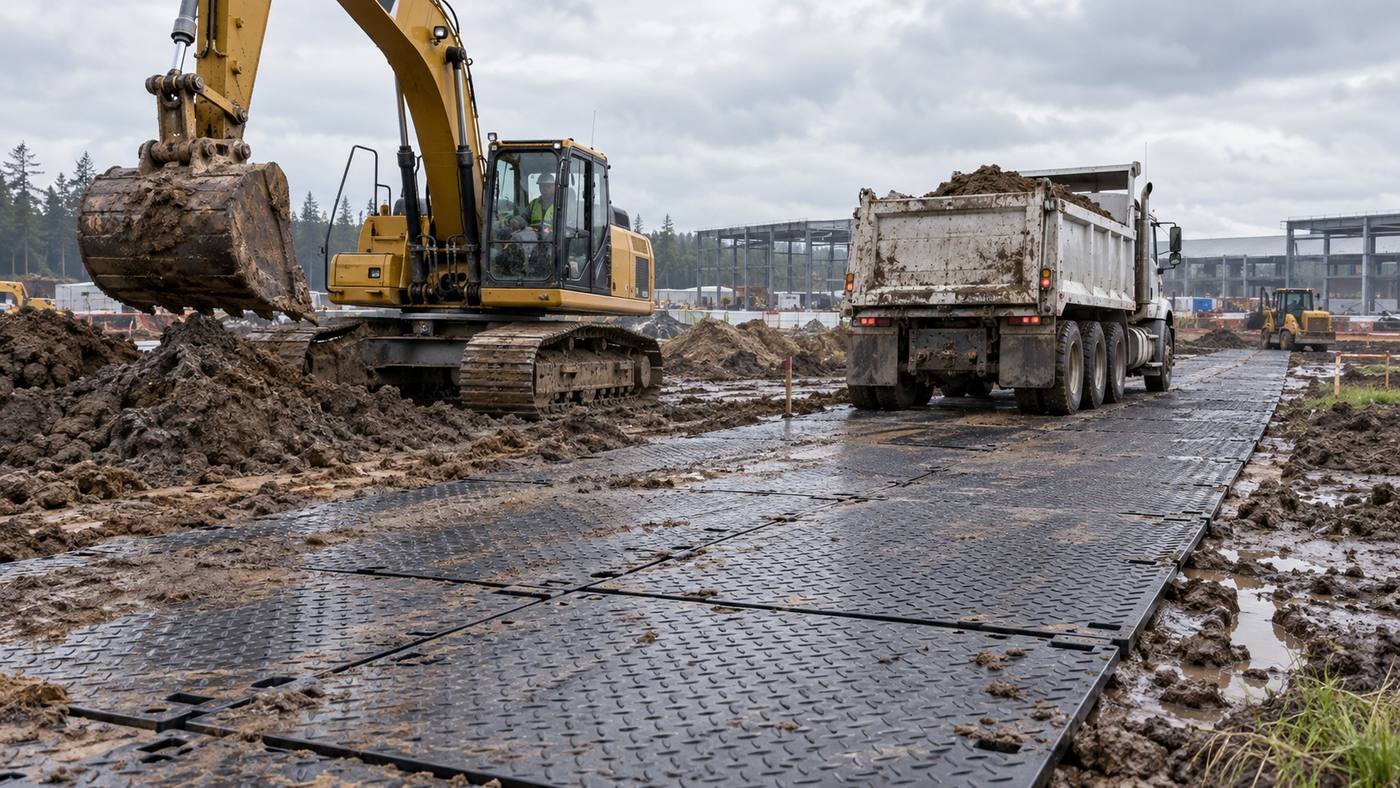
The goal of access to the mudslides by electric recovery vehicles following heavy rains is to allow construction vehicles to travel within controlled routes, while avoiding turning ground protection into equipment stabilization. In the field of emergency repair of electrical circuits in the aftermath of heavy rains, typhoons or floods, the topic focuses on “How electricity recovery vehicles enter the mudslides after heavy rains” and should, in particular, check for loose connections, drainage congestion or pollution to reduce actual usage. Where there is a gutter, backfilling area, slope or unknown underground facility on the route, the treatment must first be confirmed by the responsible party of the project.
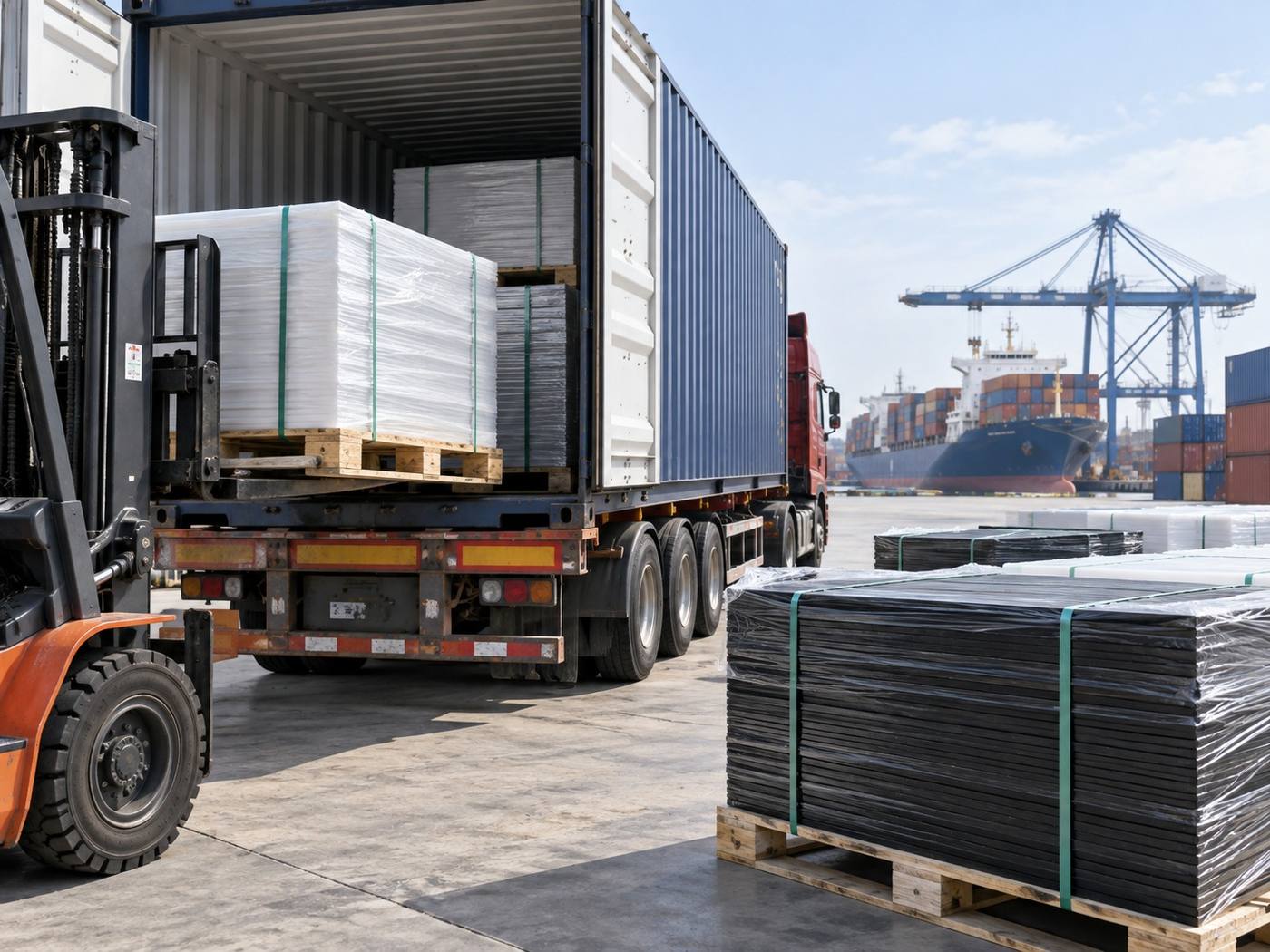
Procurement staff should submit site maps, vehicle schedules and disaster-affected routes, water depth, soft-point ranges, recovery models, arrival sequences, emergency time frames, public isolation and standbys along with the request for quotations, and identify locations where connections loose, drainage congestion or pollution may occur to reduce actual usage. The programme can be based on the accounting of the minimum effective area of the leg pads on the basis of maximum retroactivity and durability. For the whole container procurement, the quantity of the container, the pallet or bundle, the offloading equipment, the destination port and the conditions of storage at the site should also be confirmed in advance. The information review should also check the end-point of the main route, the softest section and the location of the emergency rerouting, and include the missing information as an item to be confirmed in the quotation and construction programme.
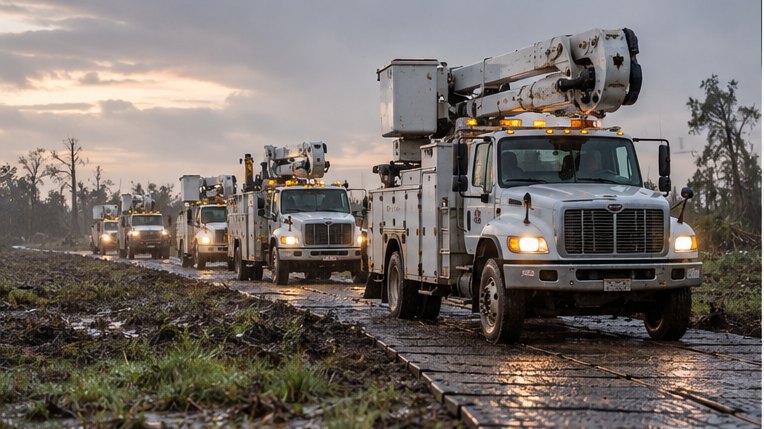
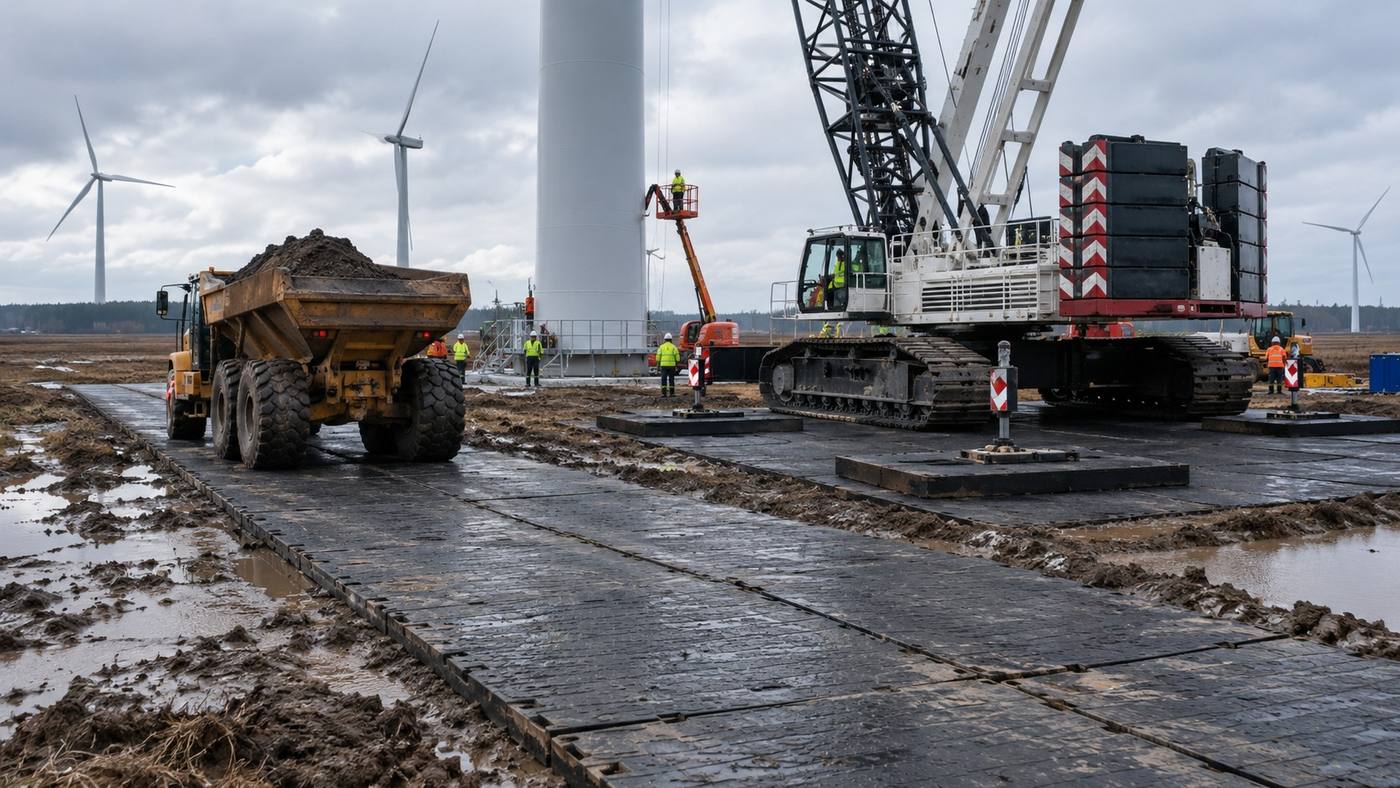
Figure: Emergency recovery site for electrical circuits following heavy rains, typhoons or floods, with a focus on “how to access mudslides after heavy rains”
The construction organization is as important as the product specifications. Operators should use means of moving a single load, with the vehicle being directed by a commander, without brakes, in situ wheeling or constant pressure. The speed of repairs cannot be a substitute for ground-based and traffic safety judgements, and the most critical rescue and equipment routes should be restored before heavy vehicles are opened on a segment basis. Changes in traffic routes, repositioning of equipment or heavy rainfall are followed by a re-examination of the continued applicability of the original programme. Test-painting records for “how to get to the mudslides after heavy rains” should indicate the starting and ending position, vehicle status and release conclusions to facilitate review as construction conditions change.
Special inspections should be added after extreme weather, equipment anomalies or route adjustments. Use of position markings and fixed view photographs for water accumulation, pumping mud, edges, vehicle congestion, leg deposition, lighting, public isolation and connectors to facilitate comparison of sedimentation and migration. Cleaning the surface of polymers avoids fire, sharp shovels and violent knocks, creating new cracks and stress concentrations. Around “how to get to the mud after a storm, a vehicle for electrical recovery should enter the mud”, the patrol form should contain a separate list of changes in the physical state of use associated with looseness, drainage congestion or pollution, with an indication of the inspector and the time of return.
The impact assessment cannot be based solely on the movement of vehicles on the same day. The project compares vehicle waiting, trapping, maintenance hours, cleaning time, loss of connection, site restoration area and evacuation cycle, and records weather and traffic simultaneously. Once data have been created around loose connections, drainage congestion or pollution to reduce actual use, it will be possible to determine whether the programme is suitable for replication in the next energy project. It should also answer whether the “how to get to the mud after heavy rains” by accounting for the minimum effective area of the leg pads on the basis of maximum reversibility and durability avoids a subjective description of the closure.
Road-painting and foot mats can only function in the approved construction system and cannot be a substitute for unsatisfactory foundations, damaged equipment or irregularities. Any unknown underground facility, unstable edges, legwork beyond the equipment manual or failure to isolate persons should be suspended and upgraded.
Need for further evaluation of the actual project?
Applications, sizes, quantities, site photographs or drawings and delivery destinations are sent, on which we can identify more suitable products and processing programmes.