Answering how emergency access is isolated from public access is not a fixed number separate from the site. The issue of “how to separate the emergency route from public traffic” is affected by weather, terrain, vehicle and organizational patterns in the event of heavy rains, typhoons or floods, and the lack of information leading to mismatches between specifications and quantities and field conditions is only a visible result. The project should mark the soft spots, slopes, drainage, underground facilities and vehicle tracks on a single map to bring technology, construction, HSE and procurement data into line.
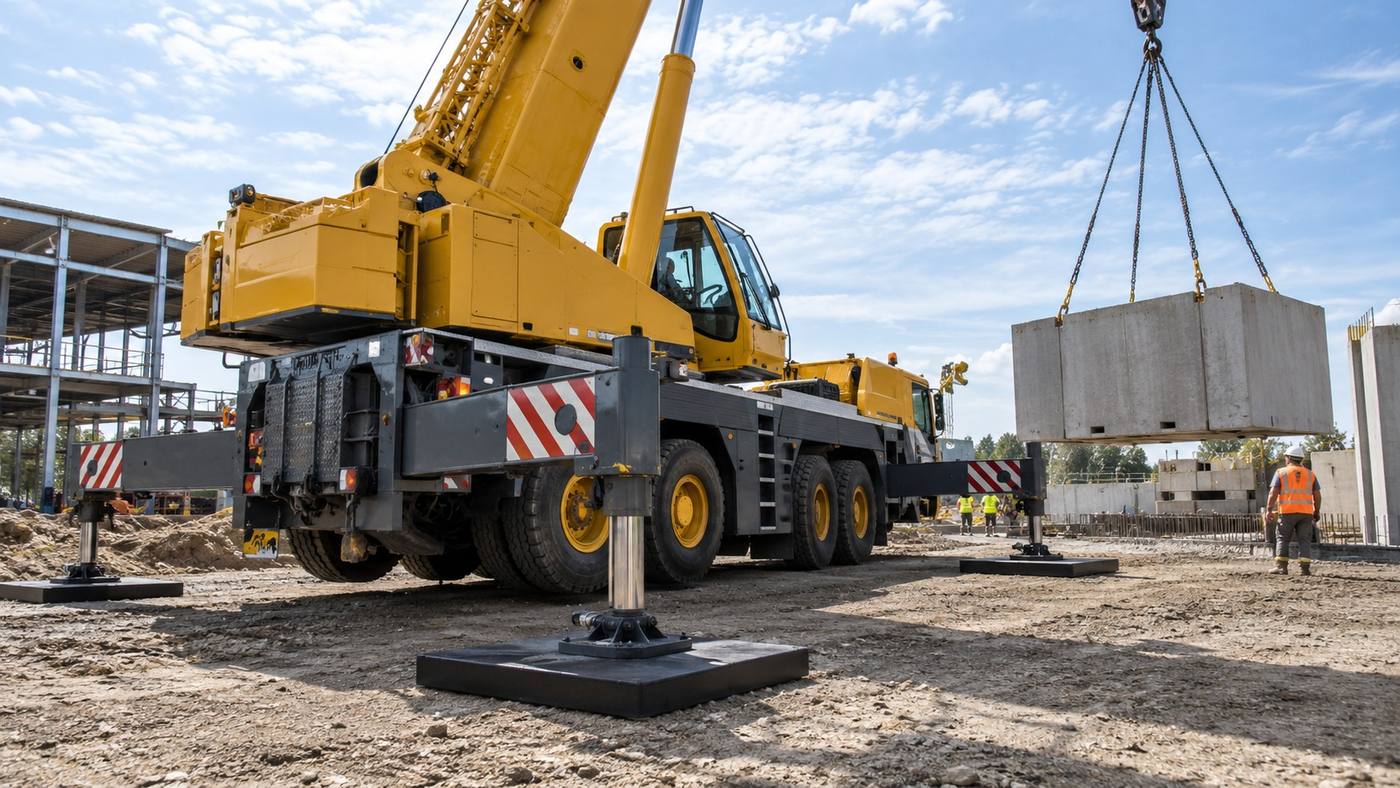
If the project needs to be accompanied by a pavement and a mat, an optional table should be established. The former are dominated by continuous support on the route, axle and the grass-roots level, while the latter are dominated by maximum reversibility of the legs and allowing for ground bearing. A combination of disaster routes, water depths, soft-point ranges, car recovery models, arrival sequences, emergency time frames, public isolation and the implementation of approved road map, numbering and inspection record management changes for back-up materials can avoid using the two products as alternative components. The information review should also limit long-term static, in situ wheeling and unplanned queuing of vehicles and include missing information as items to be identified for quotations and construction programmes.
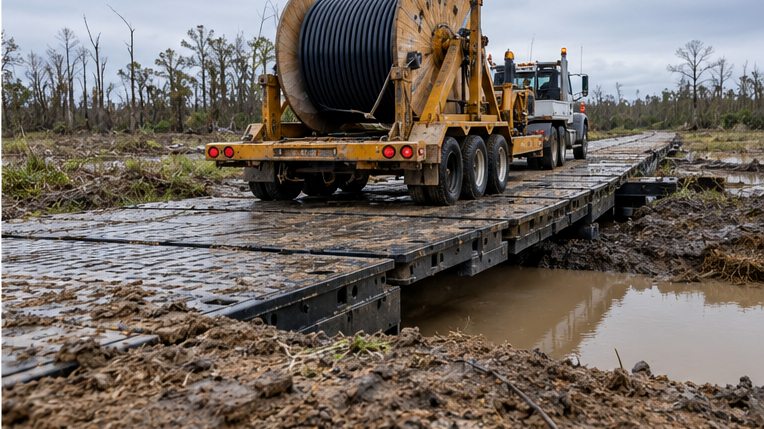
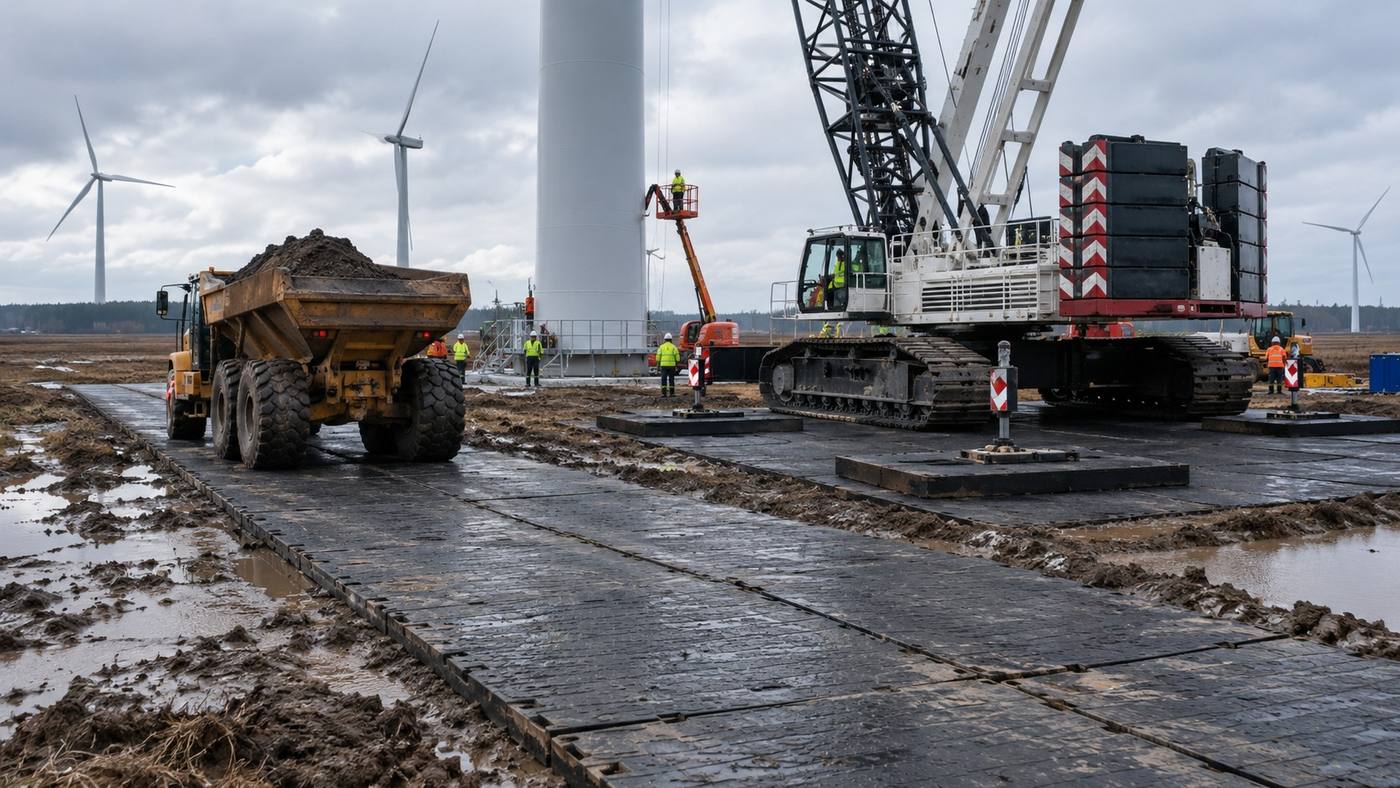
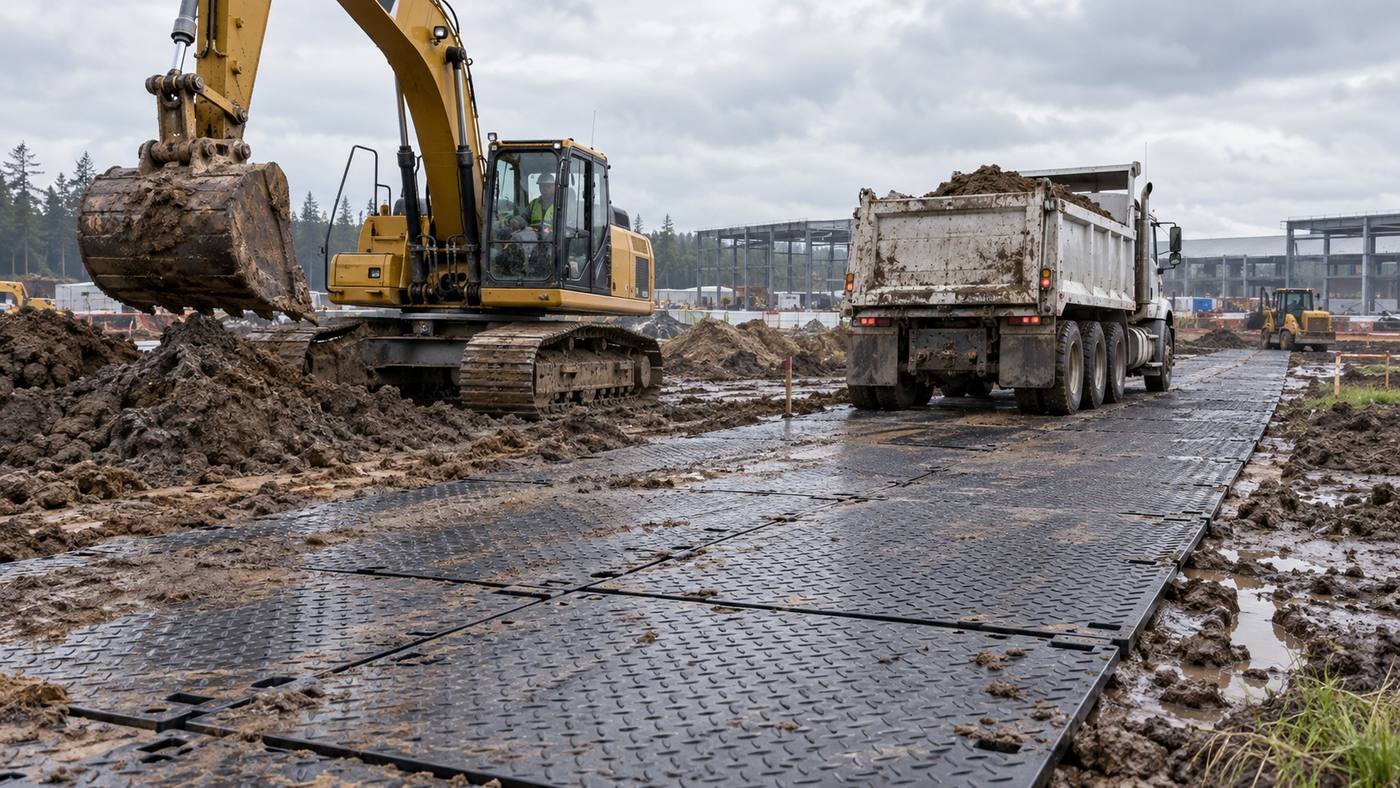
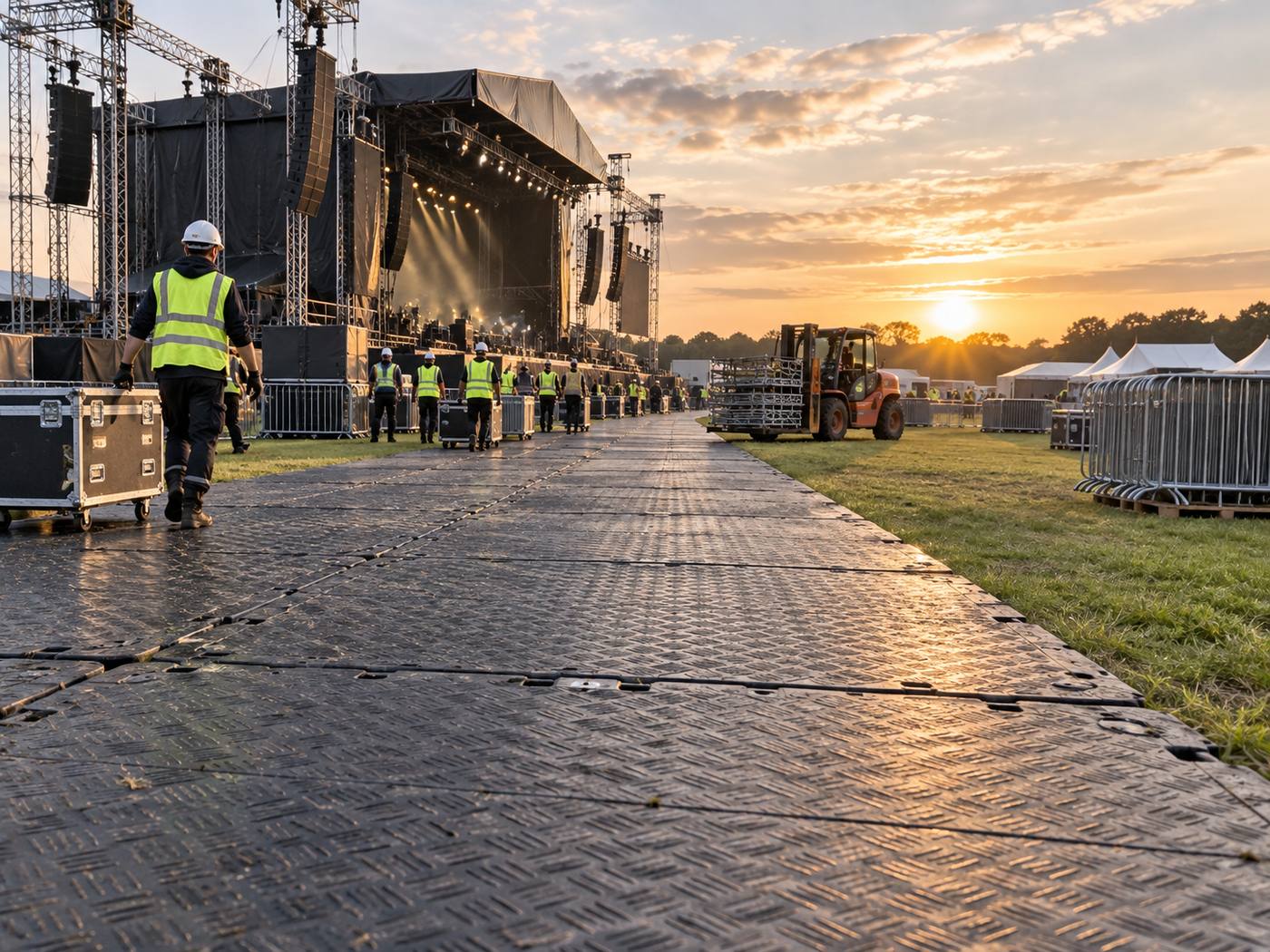
Figure: Emergency repair site for electrical circuits following heavy rains, typhoons or floods, with a focus on “how to separate emergency access from public access”
A smooth transition should be put in place at the different ground crossings to avoid the sudden impact of vehicles on temporary circuits from hard roads. Management of site changes in accordance with approved road maps, serial numbers and inspection records will also review the internal and external wheels and brake locations of the most heavy vehicles once they are completed. The speed of repairs cannot be a substitute for ground-based and traffic safety judgements, and the most critical rescue and equipment routes should be restored before heavy vehicles are opened on a segment basis. Physical segregation and clear rules for release are required in the vicinity of public areas. The trial-pail record of “how to separate the emergency route from public access” should indicate the starting and ending position, vehicle status and release conclusions to facilitate review as construction conditions change.
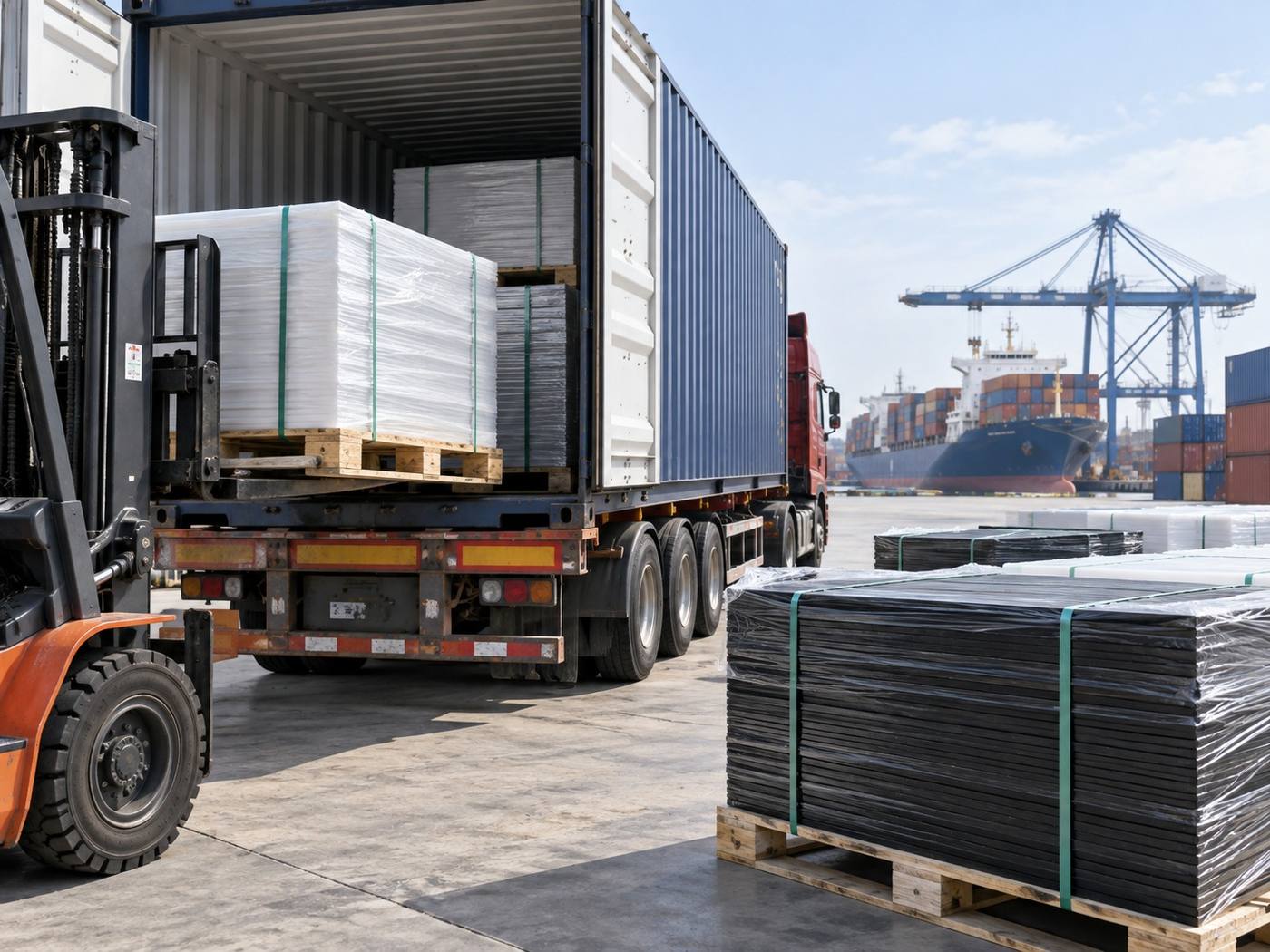
It is recommended that the pavements and the mats be included in the asset desk account, numbering the relevant specifications, batches, pavements and hours of use. The scope of the inspection included water accumulation, pumping mud, plumes, vehicle congestion, leg deposition, lighting, public isolation and connectors. The removed components are to be cleaned, dried, flattened and placed in subdivisions that are qualified, subject to assessment, to repair and to end-of-life status, to prevent the re-entry of unqualified products. In the context of “how to separate the emergency route from public access”, the patrol forms need to list separately changes in terms of specifications, quantities that do not match the situation on the ground and indicate the respondent and the time of return.
A reset is to distinguish between product problems and changes in condition. The original programme may no longer be appropriate if the vehicle is heavy, routed, rainfall increases or cover periods are extended. These changes were recorded with the results of the implementation of the approved road map, numbering and inspection logs to manage on-site changes, and the next time it was known whether the thickness, width, quantity or construction organization should be adjusted. It should also answer whether “the separation of emergency routes from public access” has been demonstrated by the use of approved road maps, numbers and inspection logs to manage site changes and avoid a subjective description of the closure.
Progress pressure cannot reduce the security floor. In cases where insufficient information leads to discrepancies between specifications and quantities and field conditions, it is important to isolate and identify the reasons before deciding on the repair, diversion or replacement of the product. Any measures should avoid introducing new risks of slide, overloading, tripping, electric area intrusion or human-car conflict.
Need for further evaluation of the actual project?
Applications, sizes, quantities, site photographs or drawings and delivery destinations are sent, on which we can identify more suitable products and processing programmes.