In the area of construction of light-voltage racks, components, cables and reversible equipment, the focus of the topic is on “how to swing the pavements in the different phases of construction of the photovoltaic project” and the apparent levelling of the surface does not mean that there is a continuous support under the plate. For the different phases of the construction of the light-voltage project, it is important to record the condition of the ground, the weather and the most heavy vehicles before entering the site, as the looseness of the connection, drainage congestion or the reduced actual use of the pollution may occur after repeated traffic. The establishment of baseline photographs and measurement points will facilitate follow-up inspections and recovery of acceptances.
The focus of the topic is not on the choice of the thickest or the most heavy products, but on the establishment of a match. Based on the weight of the construction vehicle, the size of the tripod, the frequency of the component transport, the drainage course, the thickness of the topsoil, the location of the underground cable and the restoration requirements for the identification control, the final coverage, connection and back-up quantity is to be determined by the reverse removal and retention of the emergency route in the order in which the equipment was withdrawn. In the case of products requiring cross-project turnaround, the numbering, loss rate, cleaning time and volume of transport should also be included in the total cost. The information review should also identify the direction of the water flow under the plate and set up drain exits that could be inspected, and include missing information as an item to be confirmed for quotations and construction programmes.
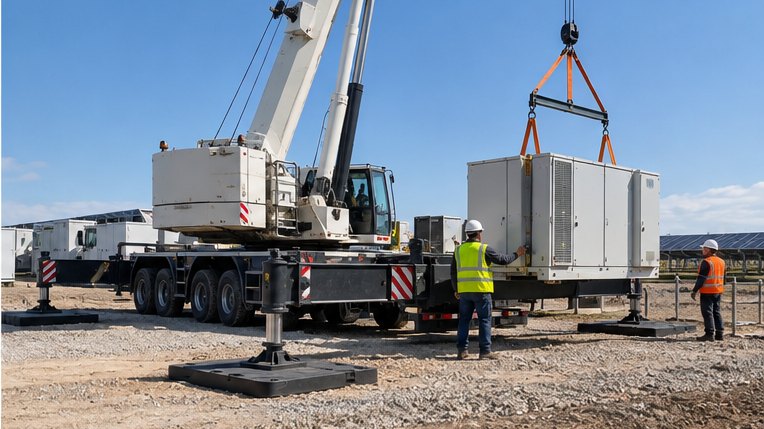
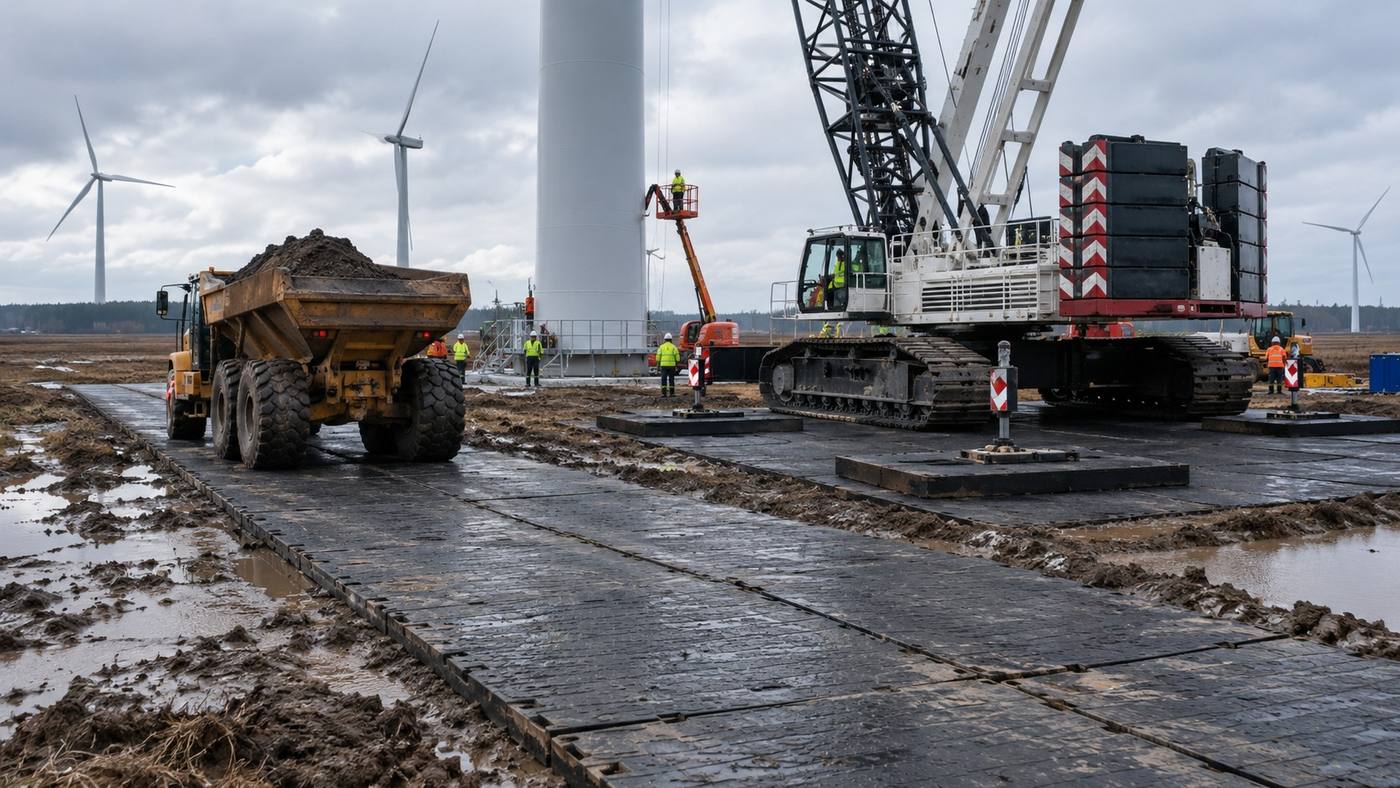
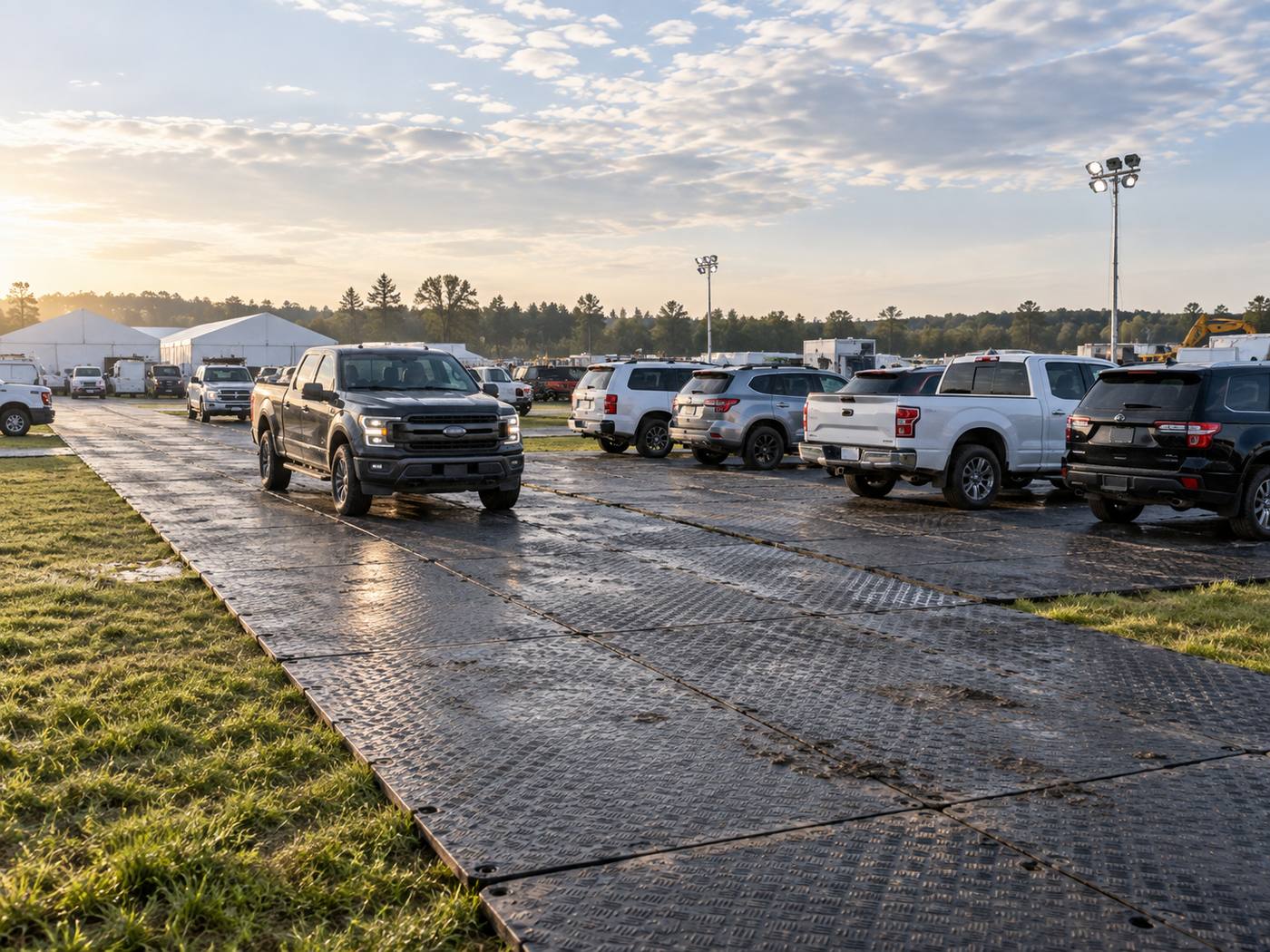
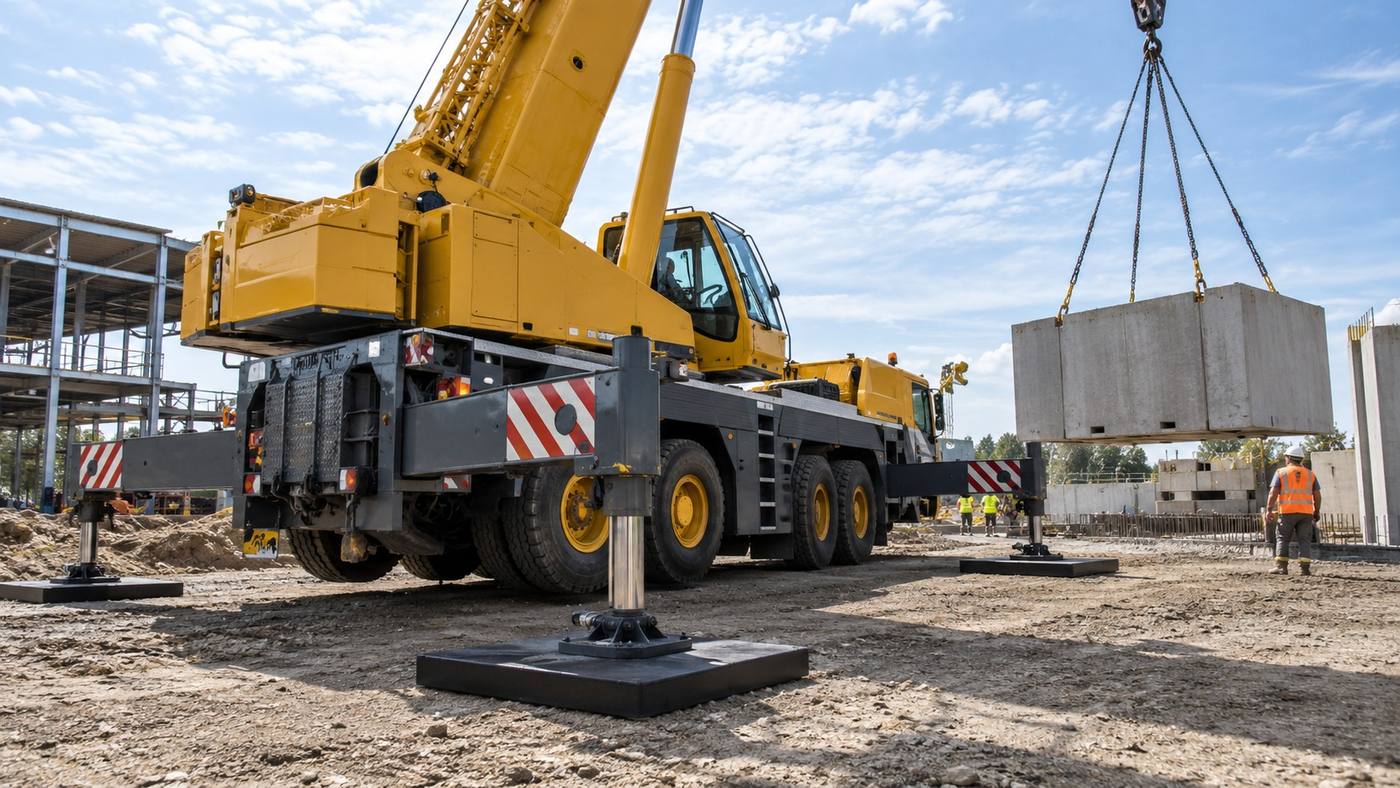
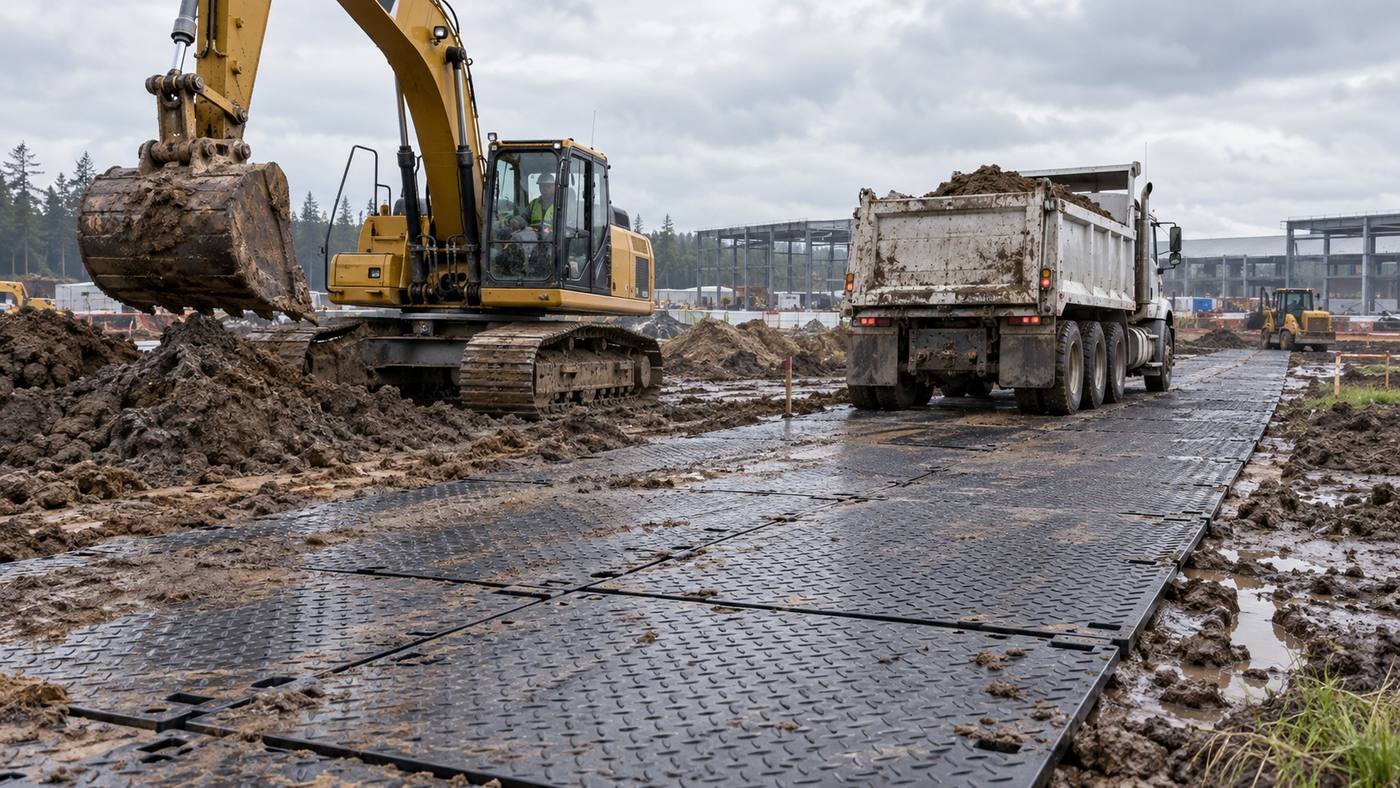
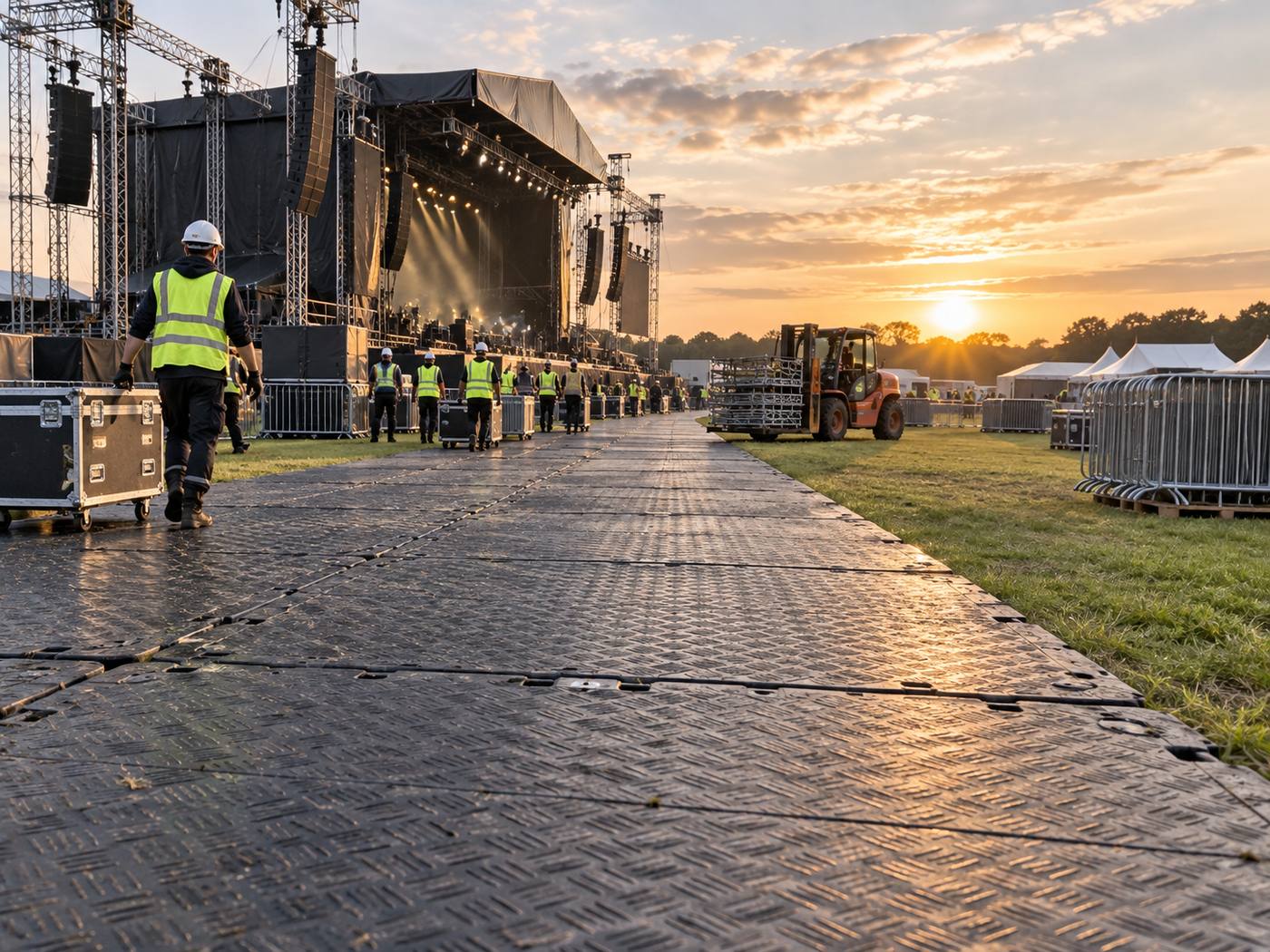
Figure: The construction area for light-volt racks, components, cables and reverse equipment, with a focus on “how to swing pavements for different phases of construction of the photovoltaic project”
In the absence of space on the ground, work cannot be undertaken by reducing the necessary cover or moving legs to the shoulder of the road. The vehicle station and construction should be reordered to provide sufficient space for “reverse dismantling in the order of exit of equipment and the retention of emergency routes to the end”. The light-voltage area, which is usually large and revolving, must first protect drainage and topsoil and then move pavements in accordance with the construction phase. Any forced overlays of holes, temporary mats or uncounted should be returned to the technical manager for evaluation. A test-painting record of “how to swing pavements during the different phases of the construction of the project” should indicate the starting and ending position, vehicle status and release conclusions to facilitate review as construction conditions change.
Special inspections should be added after extreme weather, equipment anomalies or route adjustments. Underboard pump mud, surface pressure, drainage congestion, loose connection, underground cable marking, contamination and revegetation of vegetation using location markers and fixed view photographs to facilitate comparison of deposition and shift. Cleaning the surface of polymers avoids fire, sharp shovels and violent knocks, creating new cracks and stress concentrations. The inspection form, which revolves around how the various phases of the construction of the project are rotated, requires a separate column of changes in the physical condition of operation connected to loose, drained or contaminated, with an indication of the inspector and the time of return.
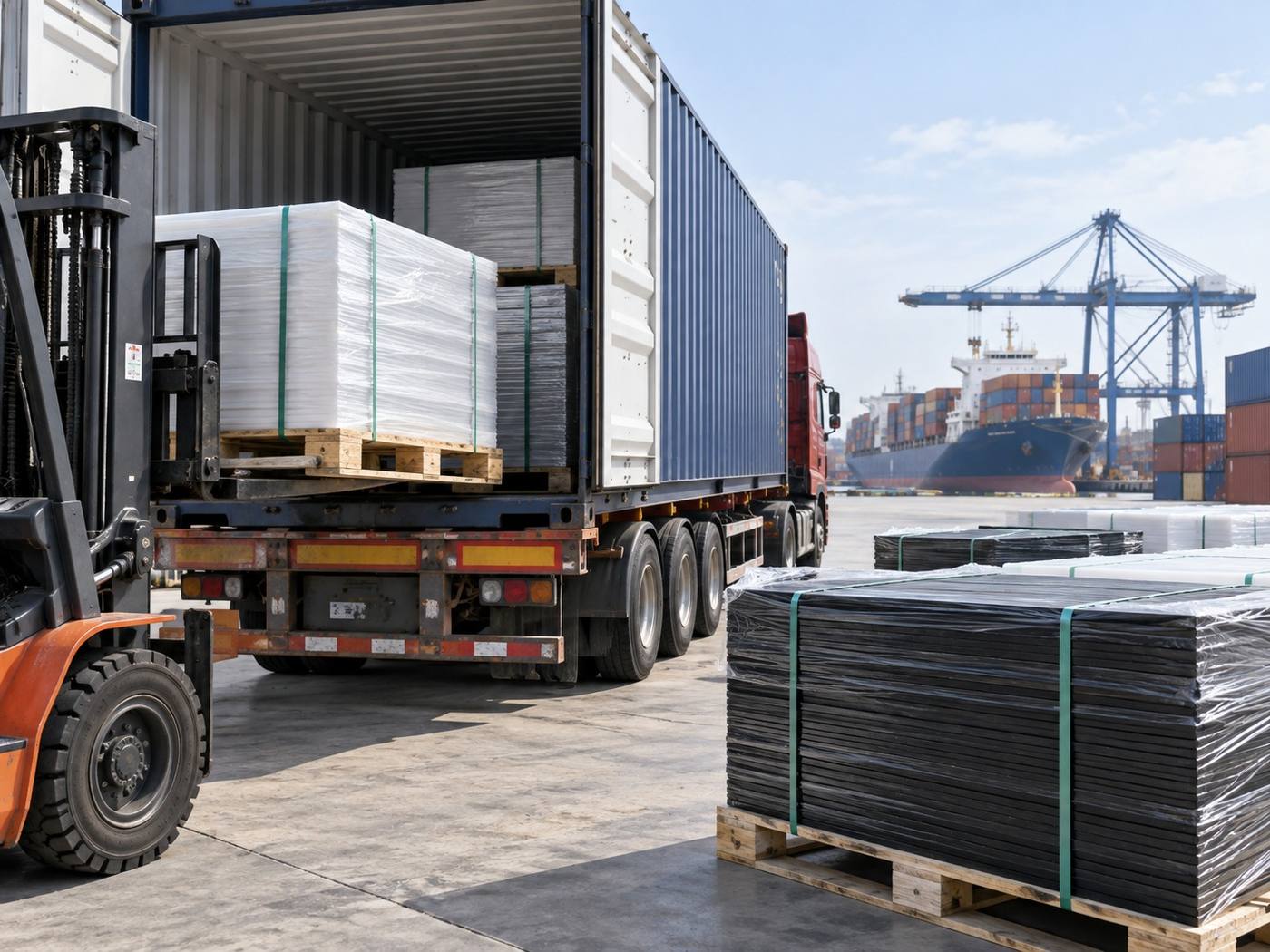
The full life-cycle costs include procurement or leasing, shipping, unloading, laying, inspection, cleaning, maintenance, warehousing and ground restoration. The project should compare the cost of work stoppage or repair resulting from a loose connection, drainage congestion or reduced actual use of pollution with the cost of maintaining the emergency route in the order in which the equipment was withdrawn, and not be determined solely on the basis of the price of a single piece of product. It should also answer whether the “how to swing pavements for different phases of the construction of the PV project” were improved by the reverse removal and retention of the emergency route in the order in which the equipment was withdrawn, and at the end of the day, by avoiding a subjective description only.
This topic can be summarized as first confirming the boundary of the work, then configure the appropriate product, and then validate it with test run, inspection and project data. The formal programme should identify those responsible, the restrictions, the criteria for decommissioning, the means of recovery and the emergency route, so as to avoid the loss of critical information following changes in the class or contractor.
Need for further evaluation of the actual project?
Applications, sizes, quantities, site photographs or drawings and delivery destinations are sent, on which we can identify more suitable products and processing programmes.