The ability to continue to use fixed figures that were not removed from the site after responding to damage to the temporary road. In the event of a storm, typhoon or flood emergency electrical circuit recovery site, the topic is concerned with the combined effect of weather, terrain, vehicle and organizational patterns on “the continued use of temporary roads after they have been damaged” and the apparent increase in local stress caused by static, brake and turnover is only a visible result. The project should mark the soft spots, slopes, drainage, underground facilities and vehicle tracks on a single map to bring technology, construction, HSE and procurement data into line.
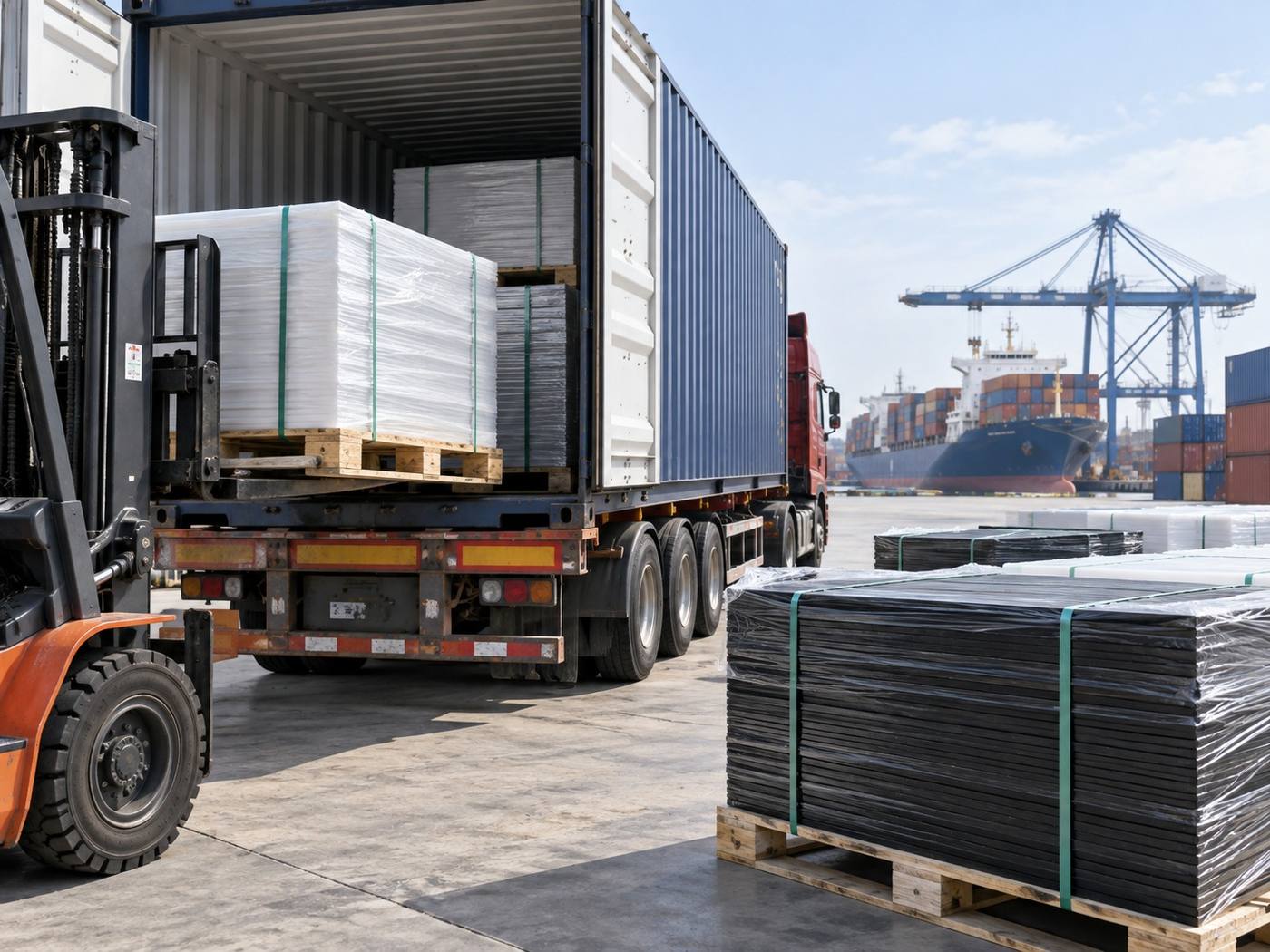
Procurement staff should submit site maps, vehicle schedules and disaster routes, water depth, soft point range, recovery model, arrival sequence, emergency response time, public isolation and standbys to the request for quotations, and mark static, brake and turn-over to significantly increase the potential for local stress. The programme could be based on the setting of speed limits, the prohibition of in situ rounding and the placement of dedicated commands for heavy vehicles. For the whole container procurement, the quantity of the container, the pallet or bundle, the offloading equipment, the destination port and the conditions of storage at the site should also be confirmed in advance. The information review should also be carried out in the order in which the last equipment was to be removed and loaded in reverse following the exit route and include the missing information as an item pending confirmation of the offer and the construction programme.
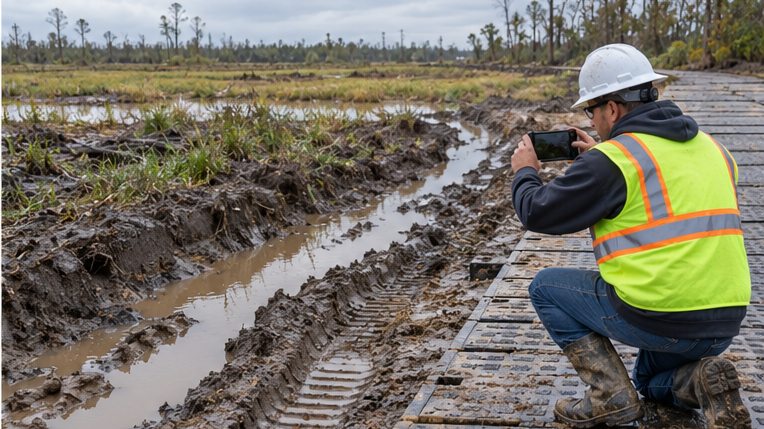
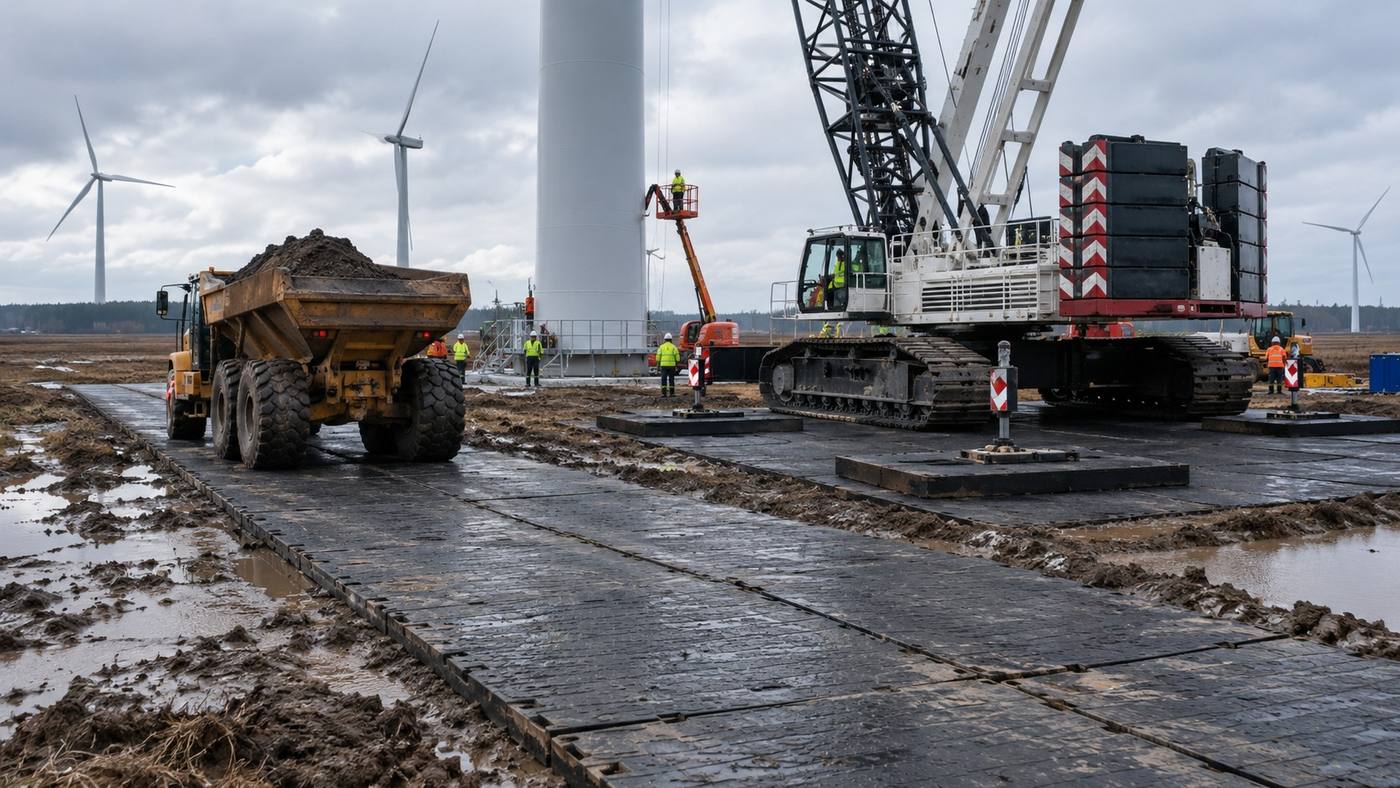
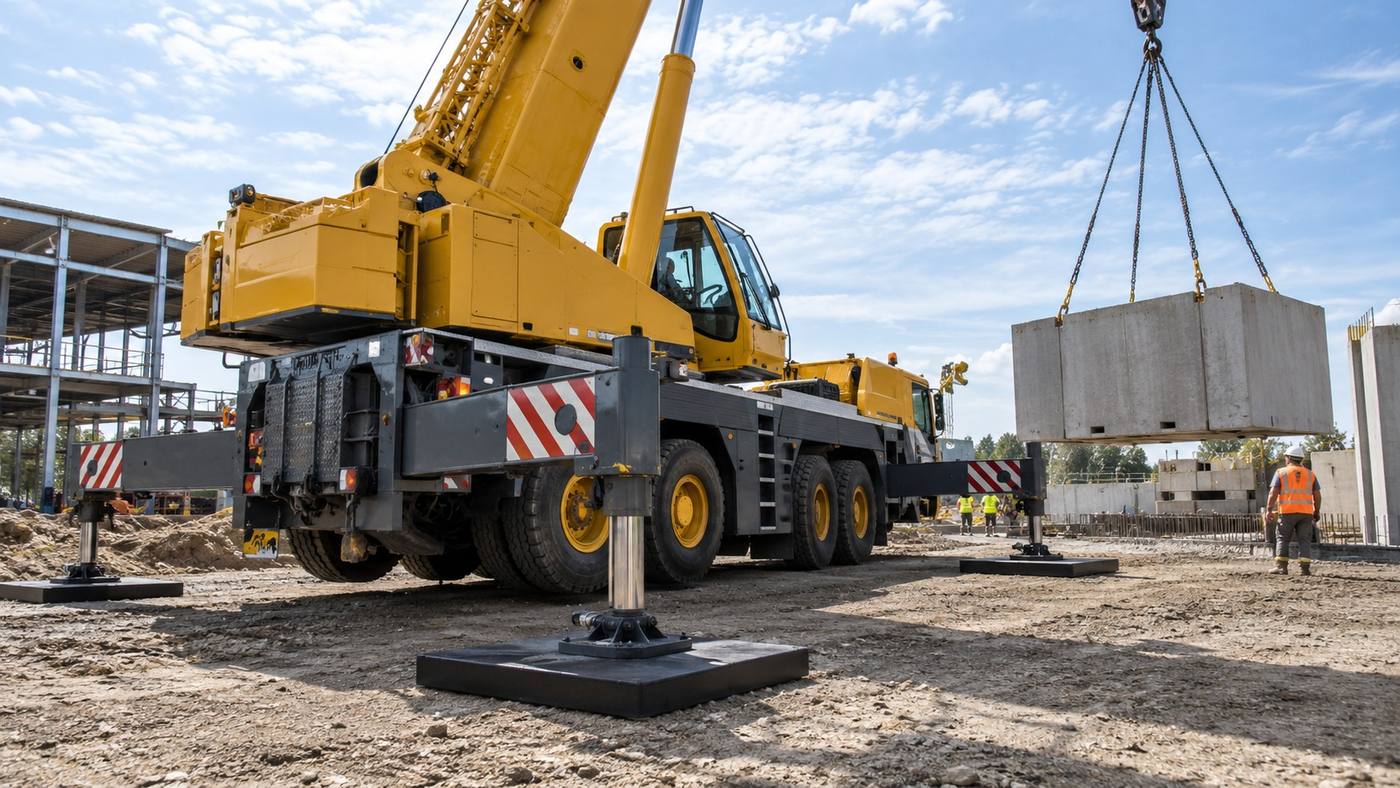
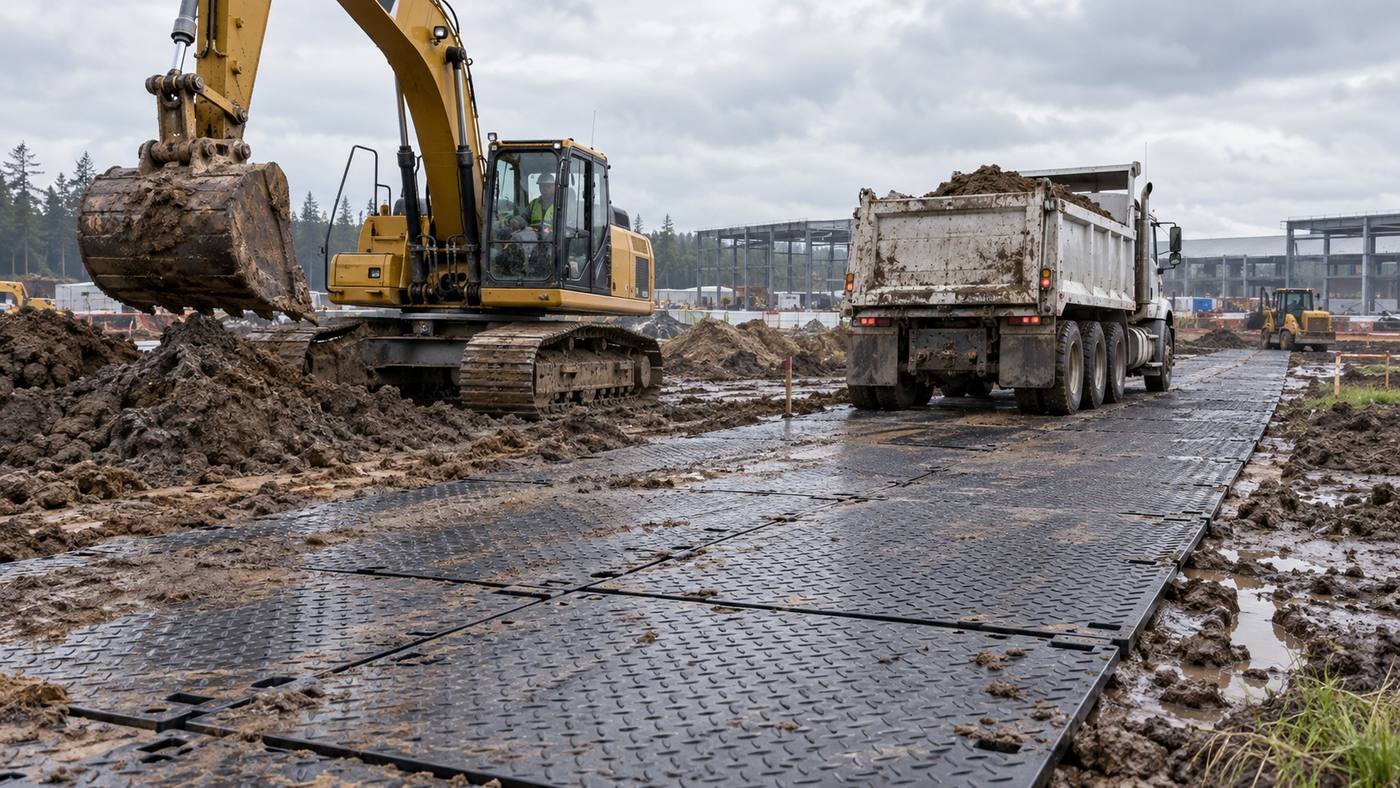
Figure: Emergency repair site for electrical circuits in the aftermath of heavy rains, typhoons or floods, with a focus on whether to continue after temporary roads have been damaged.
A representative route or a feeder may be selected for a controlled trial pavement to cover the softest floor and the most heavy equipment condition. The speed of repairs cannot be a substitute for ground-based and traffic safety judgements, and the most critical rescue and equipment routes should be restored before heavy vehicles are opened on a segment basis. The decision to increase width, improve drainage or reorient traffic is then taken by means of experimental observation of grass-roots, sewn, tyre tracks and operating space. The trial-pave record of “relevance of temporary road damage” should indicate the starting and ending position, vehicle condition and release conclusions to facilitate review as construction conditions change.
The maintenance plan should include responsibility for key sections and feeder points, frequency checks, decommissioning thresholds and spare parts locations. By setting speed limits, prohibiting in-situ wheeling and arranging for a person to direct the conduct of a review of heavy vehicles, it can be observed in a timely manner that static, brakes and turn-overs significantly increase local stress. Backup panels, connectors and handling tools are also synchronized to avoid mismatches in specifications on site. In the context of “relevance of temporary road damage after recovery”, the patrol forms need to show a separate column of changes in static, brakes and turnovers that significantly increase local stress, and to indicate the inspector's return time.
The offers from different suppliers should be compared under the same size, material, connection, packaging, delivery and test basis. Supplementation should be requested if the maximum load is given without a description of the ground, distance and load. Energy projects should also focus on batch consistency, port efficiency, repairability and container loading. It should also answer whether the “relevance of temporary road damage after repairing” has been demonstrated improvement by setting speed limits, prohibiting in-situ wheeling and arranging for exclusive command of heavy vehicles, so as to avoid a subjective description of the end of the item.
Progress pressure cannot reduce the security floor. When static, brakeing and turnovers significantly increase local pressure, they should first isolate and identify the reasons before deciding on the repair, diversion or replacement of the product. Any measures should avoid introducing new risks of slide, overloading, tripping, electric area intrusion or human-car conflict.
Need for further evaluation of the actual project?
Applications, sizes, quantities, site photographs or drawings and delivery destinations are sent, on which we can identify more suitable products and processing programmes.