
The aim of the rehabilitation of vegetation after the removal of the electrical corridor pavement is to allow construction vehicles to move within the controlled route, while avoiding turning ground protection into equipment stabilization. In the context of the interim road demolition, cleaning, recycling and site delivery phase of the energy project, the topic focuses on “How to restore vegetation after the removal of the electrical corridor pavement”, in particular by checking the decline in the base load following rainfall and the emergence of pump muds or faults. Where there is a gutter, backfilling area, slope or unknown underground facility on the route, the treatment must first be confirmed by the responsible party of the project.
A one-time collection of pre-entry photographs, area of coverage, time of use, weather, vehicle cycle, demolition sequence, cleaning conditions, damage rate and acceptance criteria is recommended before design and request for quotations. The topic could begin with a programme of “continuing coverage according to the most adverse vehicle, complete wheel and weather change planning”. The standard 15, 20, 25 and 30 mm specifications for paving boards can only be used as the starting point for communication, with the actual selection being combined with materials, size, thickness, single weight, texture, connection, grass-roots support and supplier testing conditions. For the “revegetation of vegetation after the removal of the transmission corridor pavement”, the information review should also confirm the timing of the stoppage of the operational equipment, the location of the feeder and the area of separation of personnel, and include missing information as items to be confirmed in the quotation and construction programme.
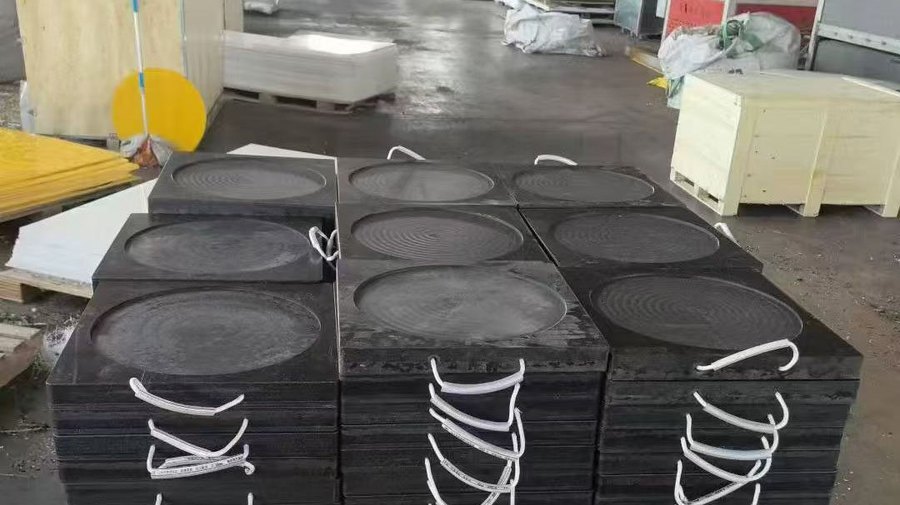
Figure: Interim road demolition, cleaning, recycling and site delivery phase of the energy project, with a focus on “How to restore vegetation after the removal of the pipeline”
A smooth transition should be put in place at the different ground crossings to avoid the sudden impact of vehicles on temporary circuits from hard roads. The internal and external wheels and brake locations of the most heavy vehicles will be reviewed after successive coverage has been completed in accordance with the most unfavourable vehicle, complete wheel and weather change planning. Reducing recovery costs relies on pre-entry baselines, life-cycle controls and reverse evacuation sites, rather than decoupling and concentrating on all issues. Physical segregation and clear rules for release are required in the vicinity of public areas. Test-painted records of “how to restore vegetation after the removal of the electrical corridor pavement” should indicate starting and ending locations, vehicle condition and release conclusions to facilitate review as construction conditions change.
The shift involves reporting changes in the pattern, topsoil erosion, compaction, vegetation, sludge, cracks, permanent deformations, connections and stocking status, rather than just describing the appearance. The sutures, shoulders or sub-points repaired in the previous class are reviewed in the next class. In the event that the ground-based load drops after the rainfall and the pumping mud or the wrong station increases with traffic, the project shall immediately limit, reroute or suspend the equipment until the re-examination passes. The inspection forms for the restoration of vegetation around the “width-past-past-past-past-past-past-past-past-past-past-past-past-past-past-past-past-past-past-a-past-past-past-a-past-past-past-a-past-past-past-past-a-past-a-past-past-past-past-a-past-past-a-past-a-past-a-past-a-past-a-past-past-past-past-past-a-past-past-past-past-past-past-past-past-past-past-pa.
Construction, logistics, HSE, equipment, site and procurement could be jointly evaluated before the planned expansion. The parties confirm the conditions of movement, suspension, inspection, restoration and delivery to verify whether the continuous coverage according to the most disadvantaged vehicle, complete wheel and weather change planning is truly enforceable. The results of the review should be included in the programme rather than in oral communication. It should also answer whether “rehabilitation of vegetation after the removal of the transmission corridor pavement” has been demonstrated by continuous coverage according to the most adverse vehicle, complete wheel and weather change planning, avoiding a subjective description of the final item.
This paper could serve as a technical discussion list for energy projects, but not as a separate construction permit. The project will also require a written programme of transport organization, temporary structures, electrical safety, fire protection, weather emergencies and site restoration systems, and a review of key carrying and stabilization conditions by authorized personnel.
Need for further evaluation of the actual project?
Applications, sizes, quantities, site photographs or drawings and delivery destinations are sent, on which we can identify more suitable products and processing programmes.







