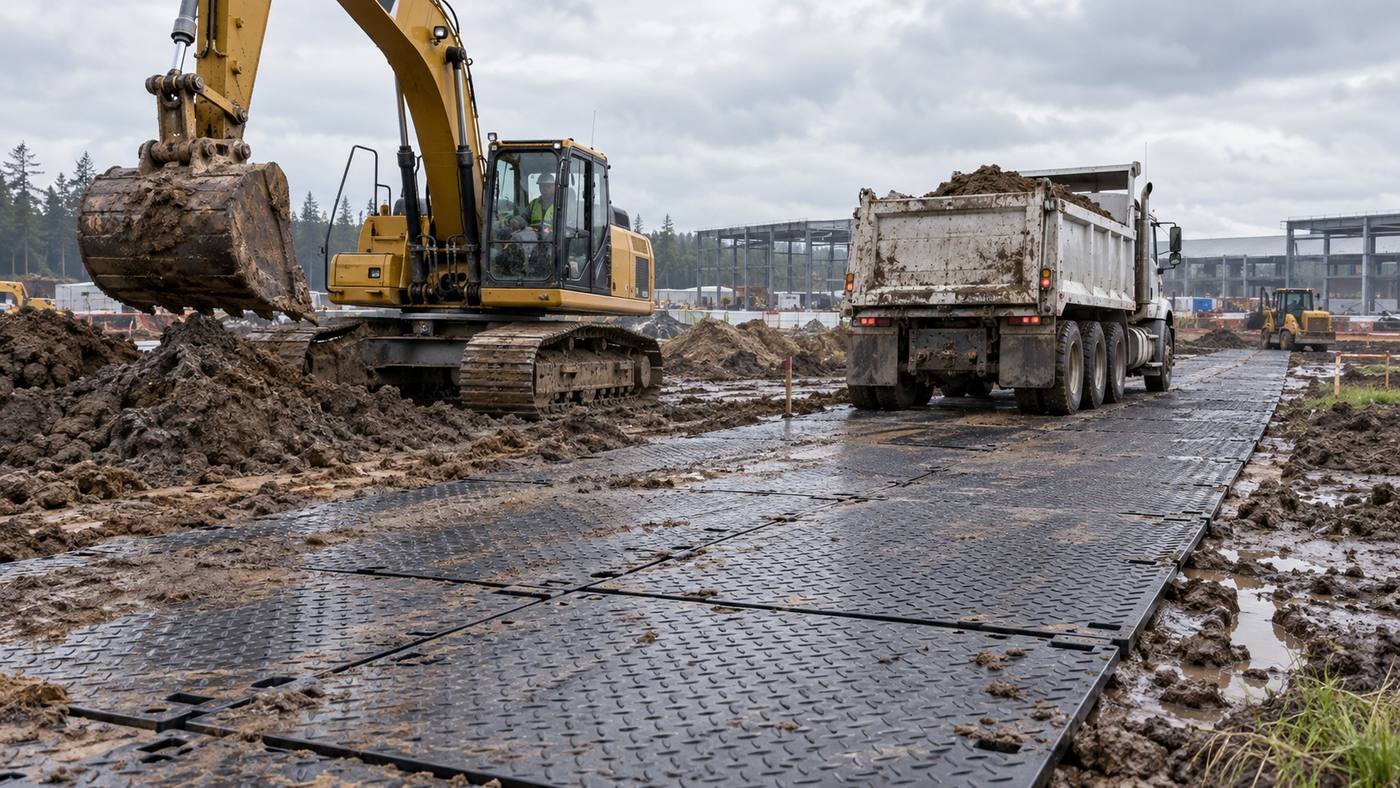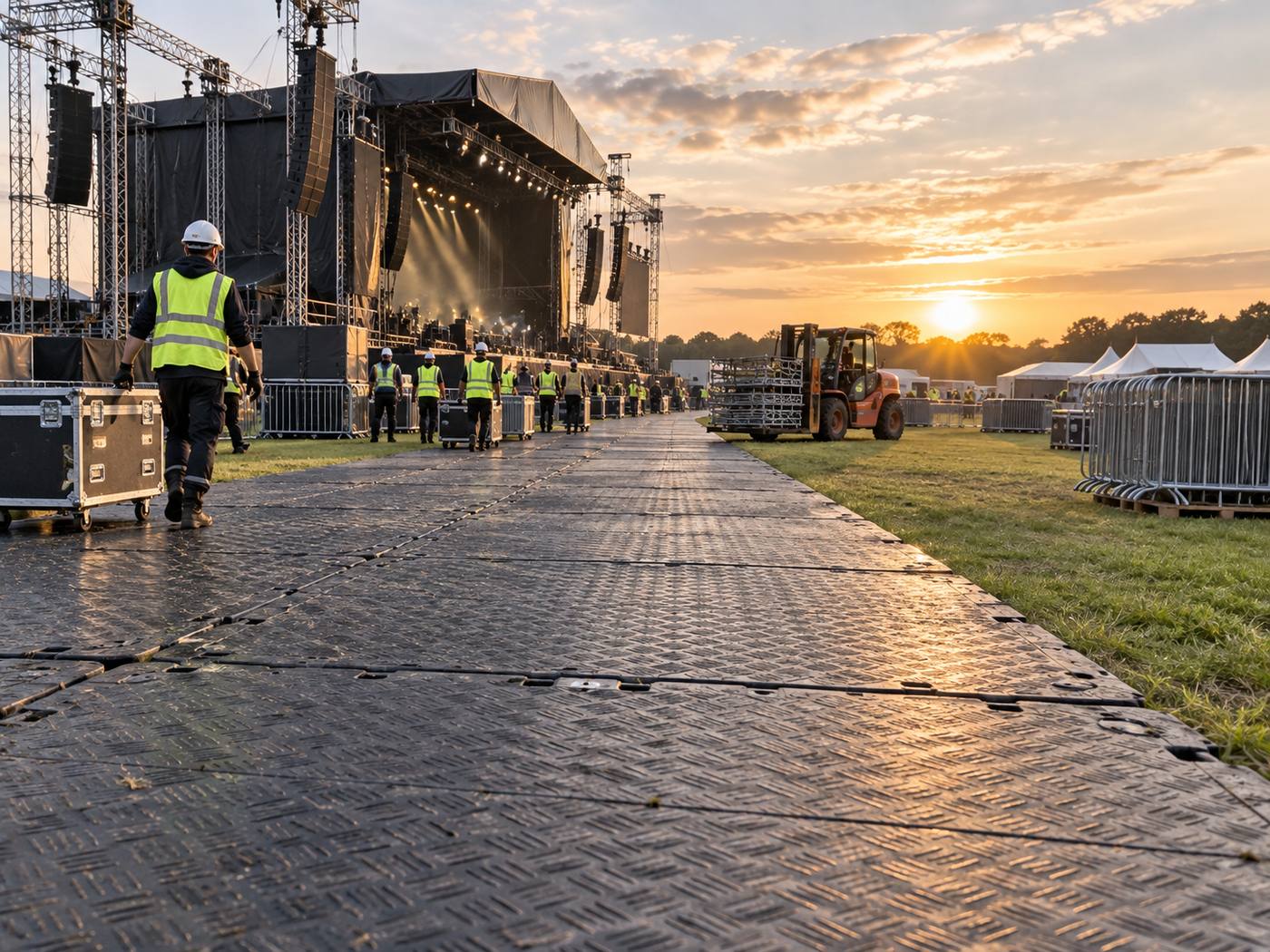
Energy projects often place transport, parking and cranes in adjacent areas, so what should be done to address the fall in the legs of cranes when they fall requires a clear design boundary for each type of area. In case of a storm, typhoon or post-flood electrical circuit emergency recovery site, the topic focuses on “What to do with the fall in the legs of the crane recovery” if quoted in terms of the total area, it is easy to miss out on the turns, legs and recovery routes. Lack of information leads to a mismatch between specifications and quantities and field conditions, which also invalidates the already sufficient direct segment at peak.
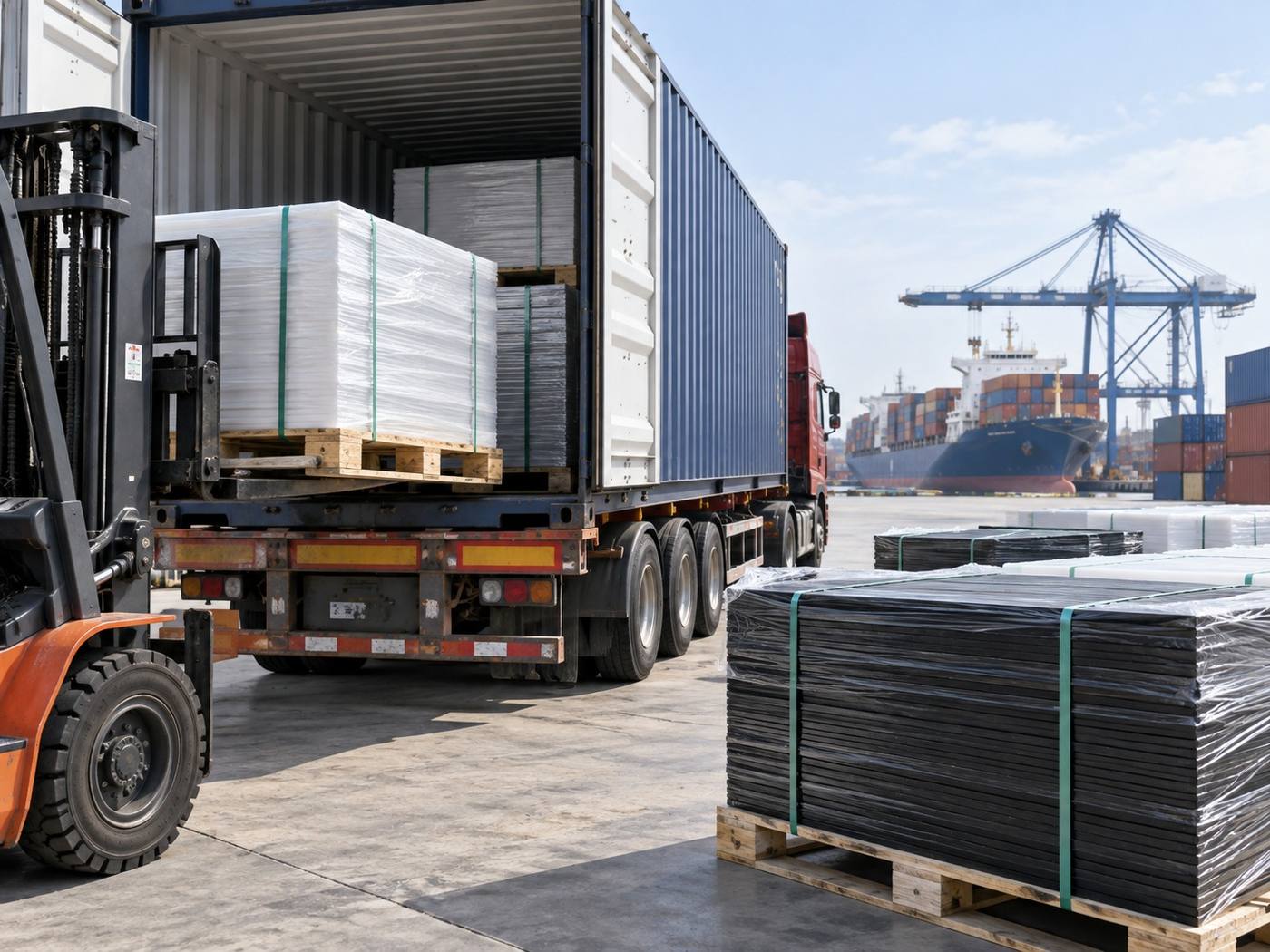
Procurement staff should submit site maps, vehicle schedules and disaster routes, water depth, soft point range, recovery model, order of arrival, emergency response time, public isolation and standbys to the request for quotations, and identify possible locations where insufficient information leads to a mismatch between specifications, quantities and field conditions. The programme can be configured on the basis of the approved road map, numbering and inspection log management on-site changes. For the whole container procurement, the quantity of the container, the pallet or bundle, the offloading equipment, the destination port and the conditions of storage at the site should also be confirmed in advance. The information review should also include the broadest profile of the vehicle, the internal wheel differential and the side safety balance of the vehicle, as well as the missing information to be confirmed in the quotation and construction programme.
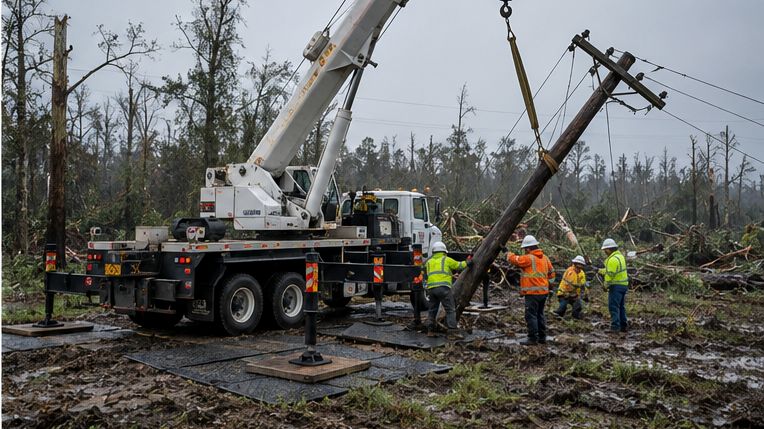
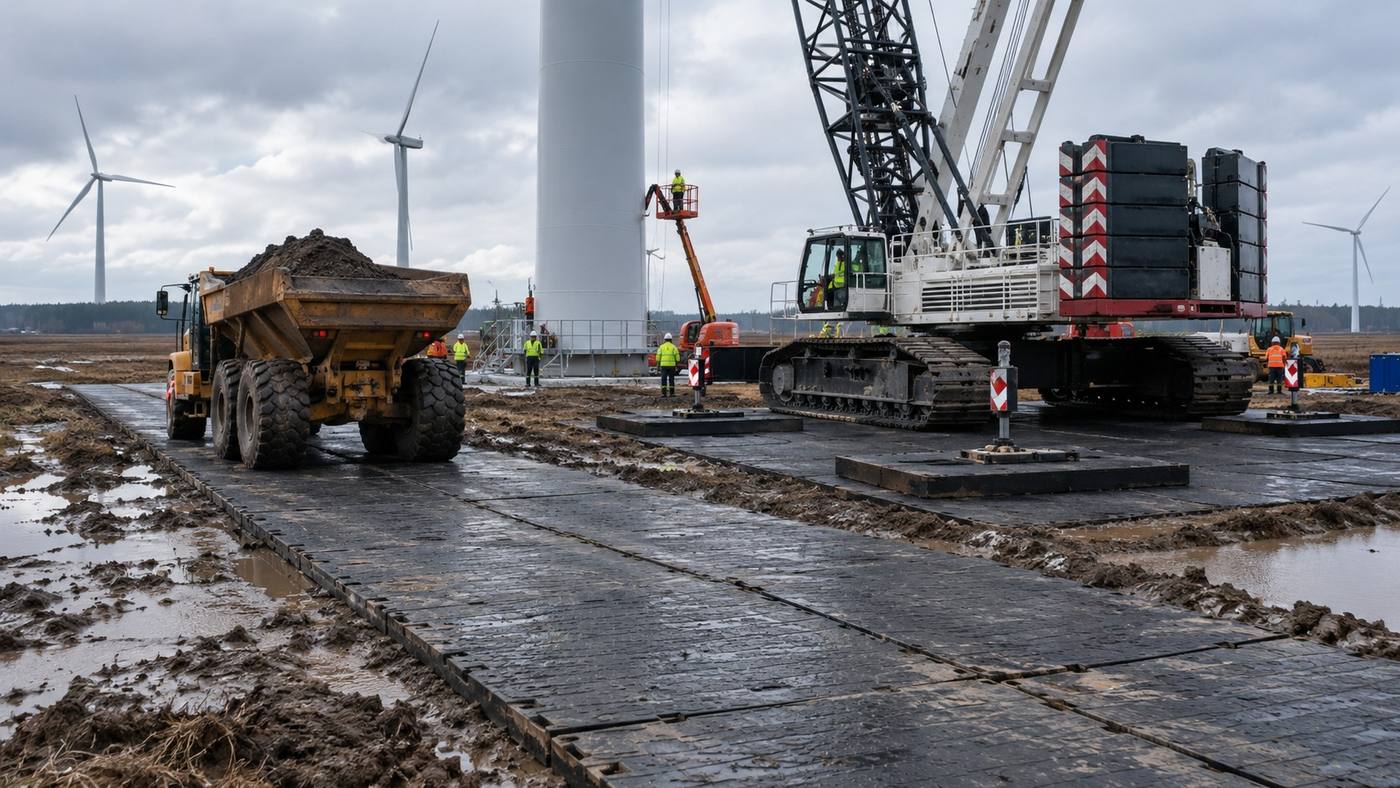
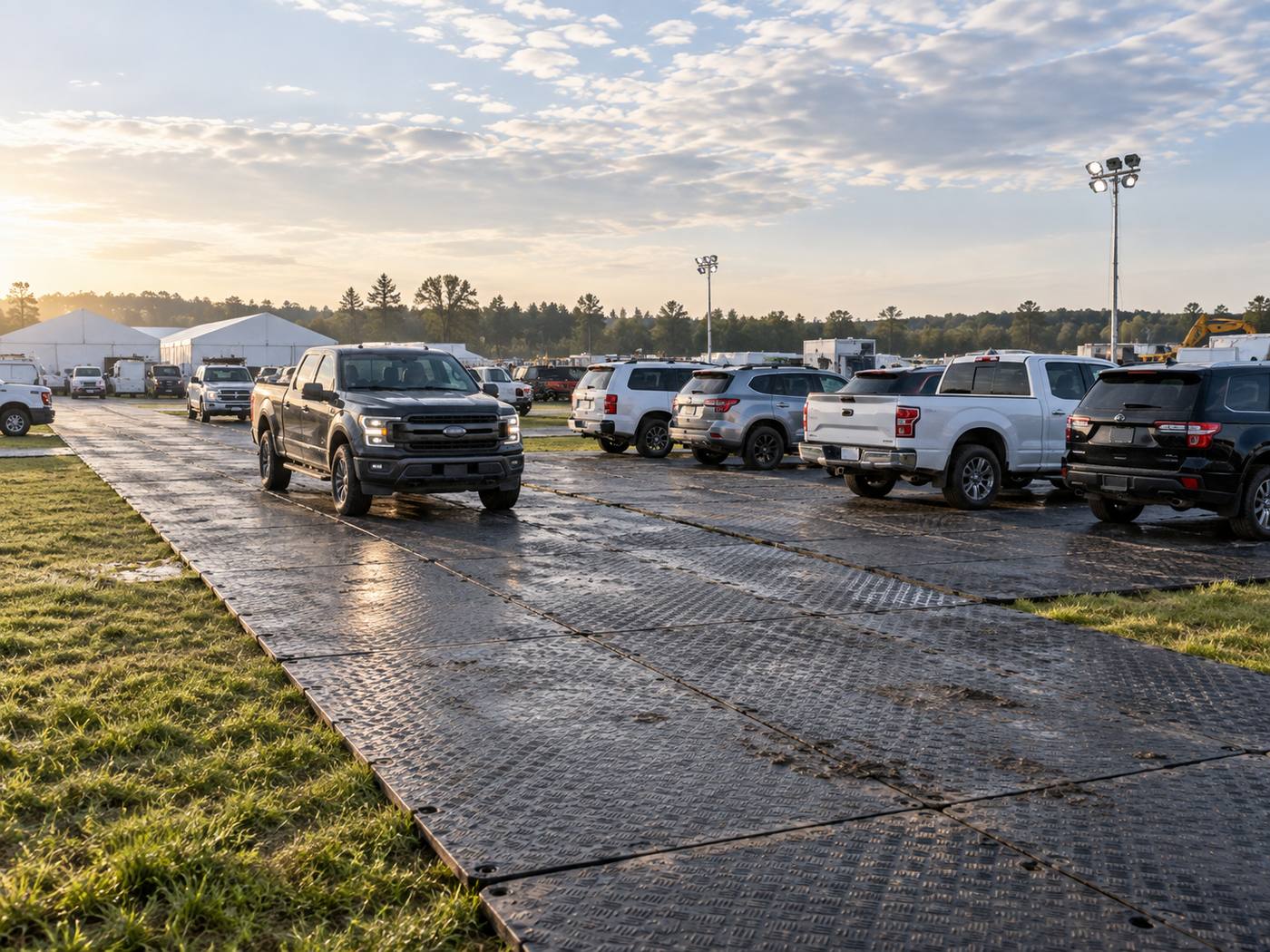
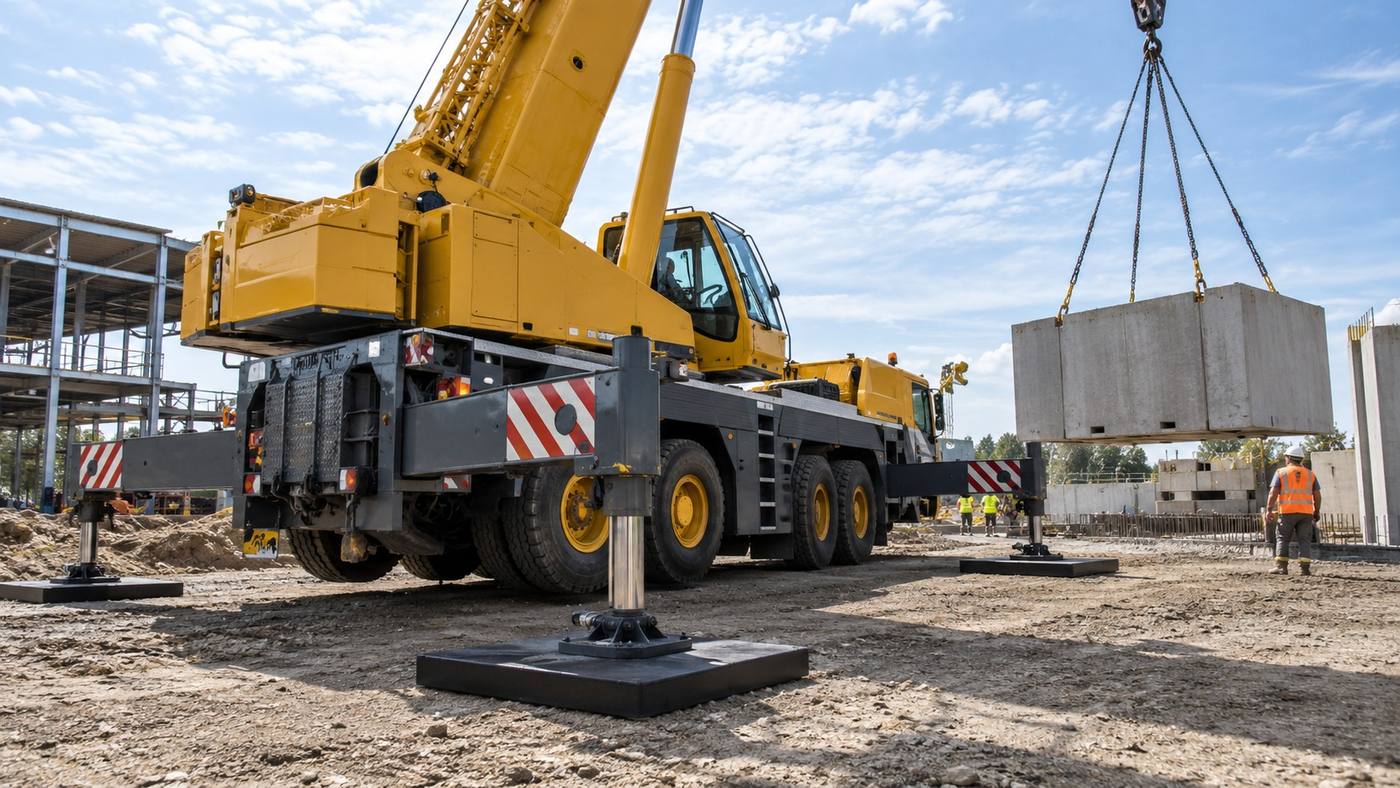
Figure: Emergency recovery site for electrical circuits following heavy rains, typhoons or floods, with a focus on “what to do when the cranes fall down”
The installation should leave a photo, location and measurement record. First, ground-level levelling, drainage and underground facilities are identified, and the complete contact, connection, edge and transition of the pavement is checked, or the size, location and centering of the leg pads are checked. The speed of repairs cannot be a substitute for ground-based and traffic safety judgements, and the most critical rescue and equipment routes should be restored before heavy vehicles are opened on a segment basis. Areas not eligible for acceptance should not be replaced by speed-limit signs alone. “What to do with the fall in the legs of the cranes” test-past records should indicate the starting and ending position, the condition of the vehicle and the release conclusion, to facilitate review as the construction conditions change.
The shift involves reporting changes in water accumulation, pumping mud, edges, vehicle congestion, leg deposition, lighting, public isolation and connectors, rather than just describing the appearance. The sutures, shoulders or sub-points repaired in the previous class are reviewed in the next class. In the event that insufficient information leads to a mismatch between specifications, quantities and field conditions, and traffic increases, the project should immediately limit, reroute or suspend the equipment until such time as the re-examination passes. With regard to the “how to handle the fall in the legs of the recovery crane”, the inspection forms need to show a separate column of information, resulting in variations in specifications, quantities that do not match the situation on the ground, and an indication of the inspector and the time of return.
The offers from different suppliers should be compared under the same size, material, connection, packaging, delivery and test basis. Supplementation should be requested if the maximum load is given without a description of the ground, distance and load. Energy projects should also focus on batch consistency, port efficiency, repairability and container loading. It should also answer whether “what to do with the fall of the crane's leg when it falls” has been verified as an improvement through the management of on-site changes using approved road maps, numbers and inspection logs, avoiding a subjective description of the end of the item.
If the conditions on the ground are different from the assumptions in this paper, the application of the conclusions should be suspended and reassessed. Energy transport, suspension, refurbishment and overhaul are subject to project programmes, equipment manuals and statutory requirements. The supplier may assist in matching the product, but the final placement, commissioning and release shall be approved by the responsible party for the project.
Need for further evaluation of the actual project?
Applications, sizes, quantities, site photographs or drawings and delivery destinations are sent, on which we can identify more suitable products and processing programmes.