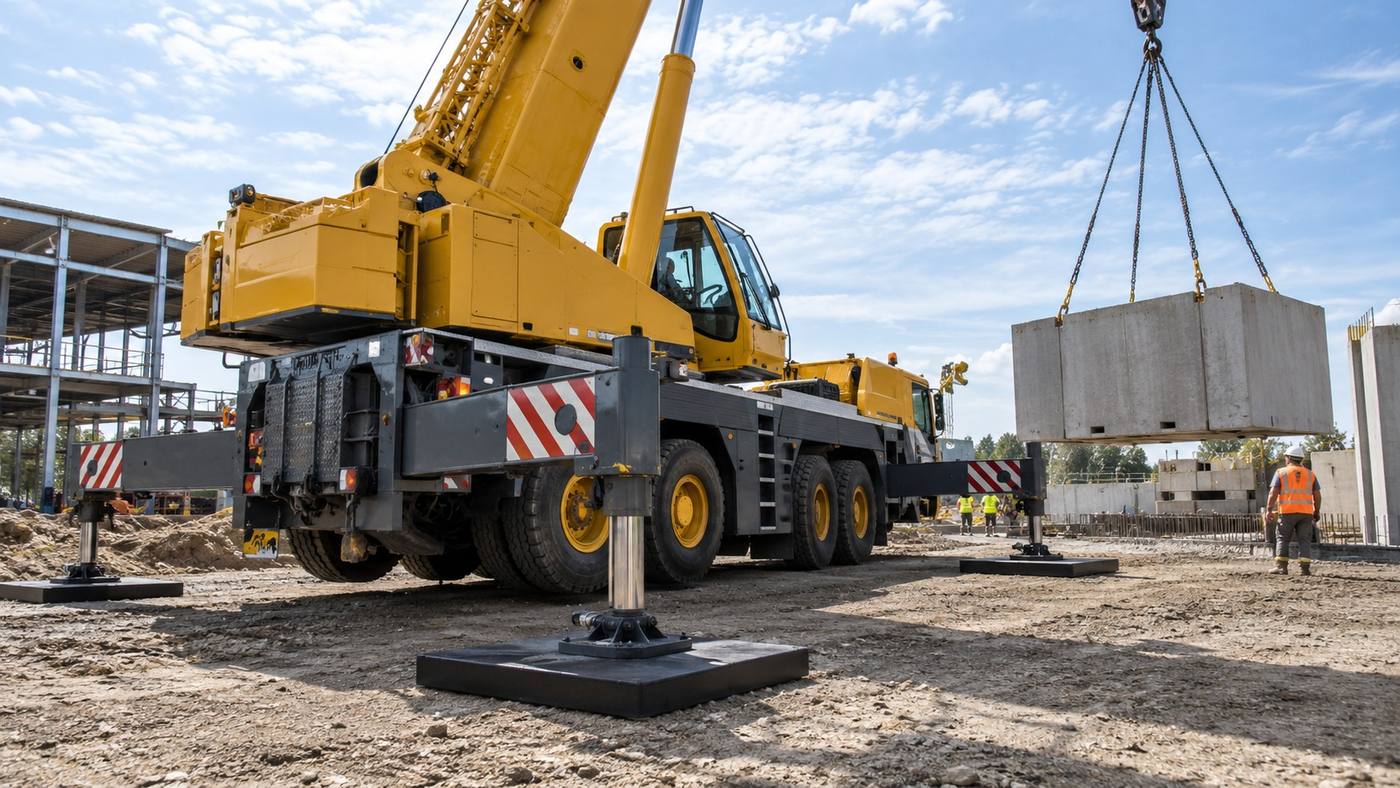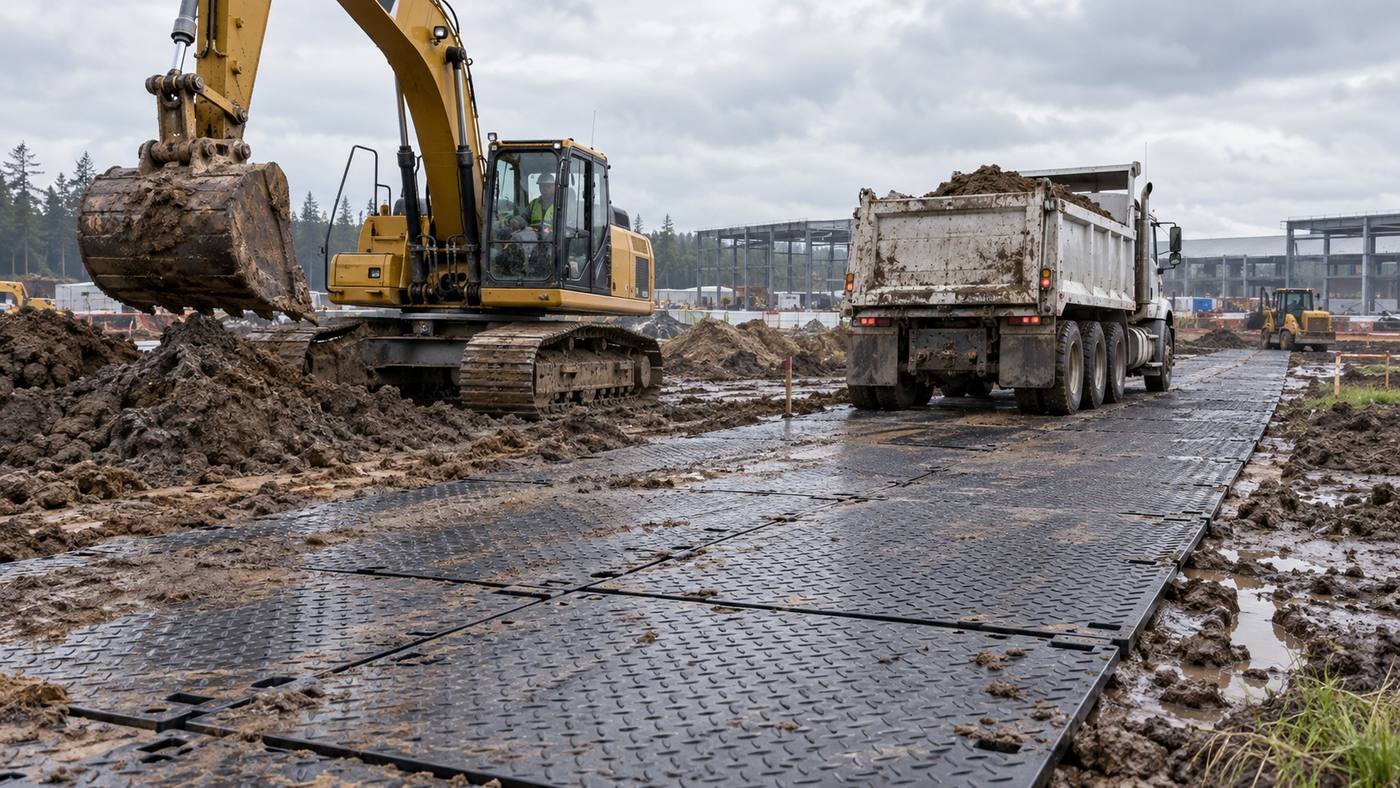
The aim of the perimeter-blocking of the line is to allow construction vehicles to travel within the controlled route, while avoiding turning ground protection into equipment stabilization. In the case of emergency repairs of electrical circuits in the wake of heavy rains, typhoons or floods, this topic is concerned with “how to handle the road surfaces” and should, inter alia, check that the lack of support on the edge of the road leads to the bending and crushing of the sheet. Where there is a gutter, backfilling area, slope or unknown underground facility on the route, the treatment must first be confirmed by the responsible party of the project.
The focus of the topic is not on the choice of the thickest or the most heavy products, but on the establishment of a match. Coverage, connectivity and back-up quantities are determined by the route of disaster, water depth, soft-point range, car recovery type, arrival sequence, emergency time frame, public isolation and standby identification control conditions, then by first treatment of drainage and soft points, then by laying out and piloting at the stabilization end. In the case of products requiring cross-project turnaround, the numbering, loss rate, cleaning time and volume of transport should also be included in the total cost. The information review also applied to the “how to fix the surface of the circuit,” using a representative vehicle test thickness, connection and ground matching, and included missing information as an item to be confirmed in the quotation and construction programme.
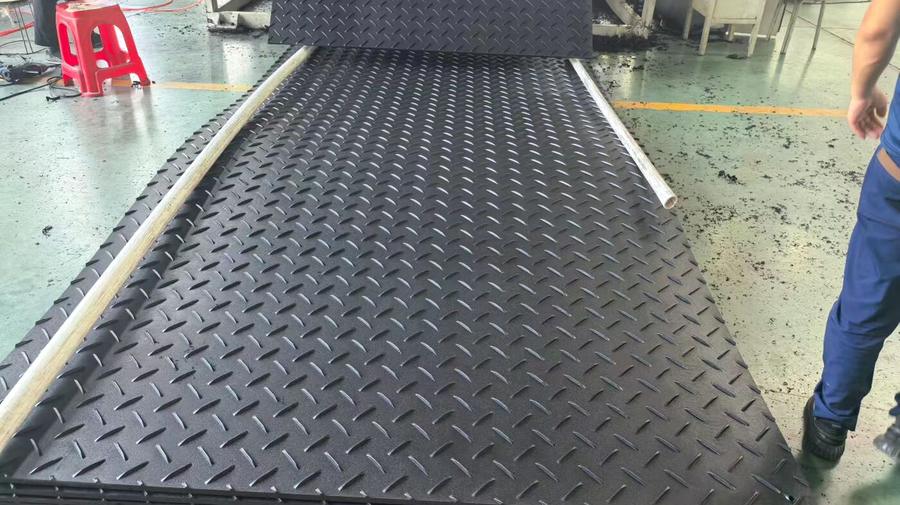
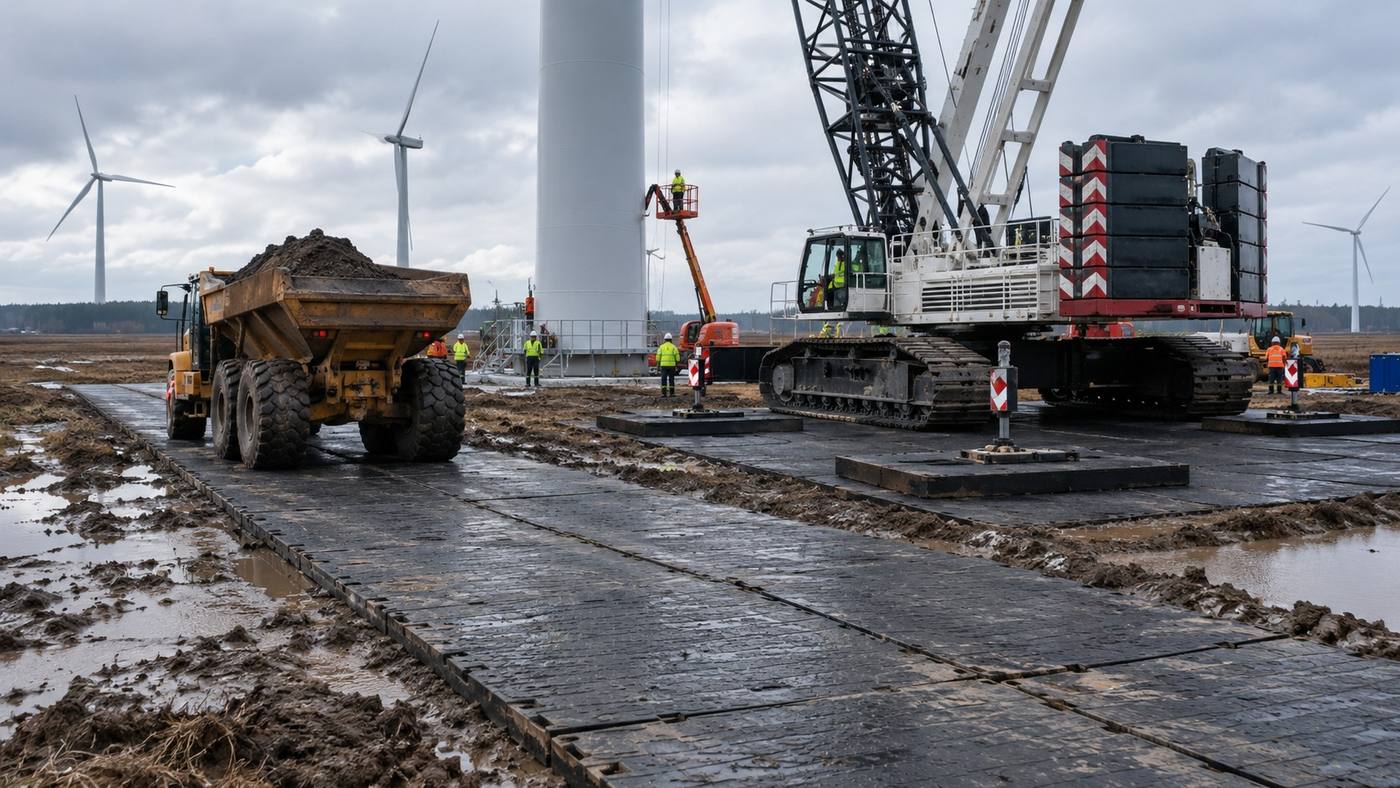
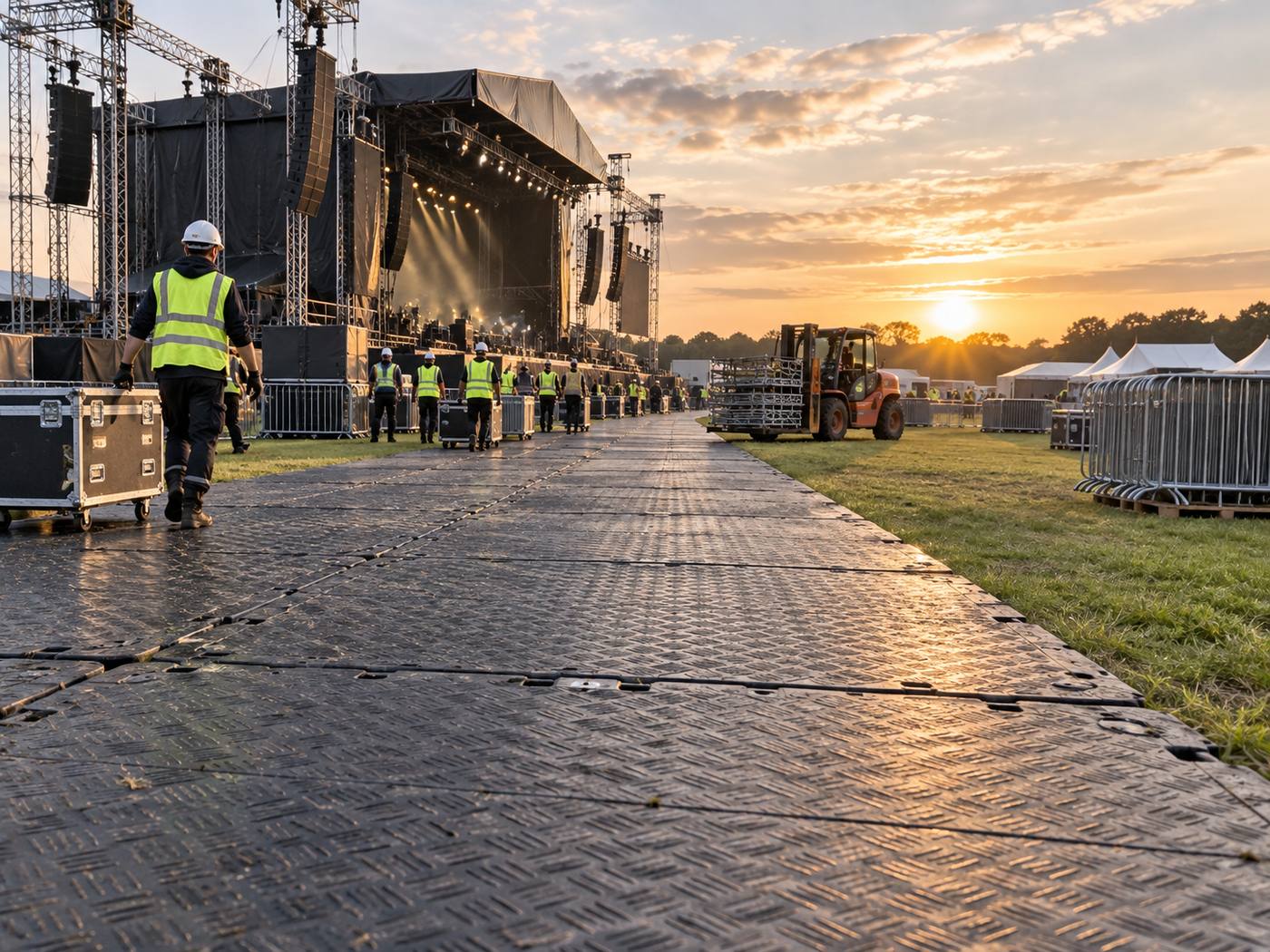
Figure: Emergency repair site for electrical circuits following heavy rains, typhoons or floods, with a focus on “How to handle the perimeters of the circuits” (inventory material for the Creative Plastics Network)
In the absence of space on the ground, work cannot be undertaken by reducing the necessary cover or moving legs to the shoulder of the road. The vehicle station and construction sequence should be reordered to provide sufficient space for “treatment of drainage and soft spots before laying and piloting from the stable end”. The speed of repairs cannot be a substitute for ground-based and traffic safety judgements, and the most critical rescue and equipment routes should be restored before heavy vehicles are opened on a segment basis. Any forced overlays of holes, temporary mats or uncounted should be returned to the technical manager for evaluation. The trial-pave record of “how to fix the perimeter of the line” should indicate the starting and ending position, vehicle status and release conclusions to facilitate review as construction conditions change.
Special inspections should be added after extreme weather, equipment anomalies or route adjustments. Use of position markings and fixed view photographs for water accumulation, pumping mud, edges, vehicle congestion, leg deposition, lighting, public isolation and connectors to facilitate comparison of sedimentation and migration. Cleaning the surface of polymers avoids fire, sharp shovels and violent knocks, creating new cracks and stress concentrations. In the case of “wire-blocking” on the sideline, the patrol forms need to be accompanied by a lack of support on the edges of the separate road, leading to changes in the bending and crushing of the sheet, and to indicate the time of the repeater and the resumption of passage.
For energy projects that continue to be built or duplicated, a baseline may be established for each square metre of construction hours, vehicle cycle, cleaning time, damage rate and restoration costs. This would make it easier to identify whether the next offer and inventory planning was based on experience alone and whether the lack of support on the edge of the road led to the re-emergence of slab bends and edges in a given season. It should also answer the question of whether “how to deal with the front of the circuits by stabbing” would be improved by first dealing with drainage and soft points, then by laying out a stable end segment and running it on a trial basis, so as to avoid a subjective description of the end item.
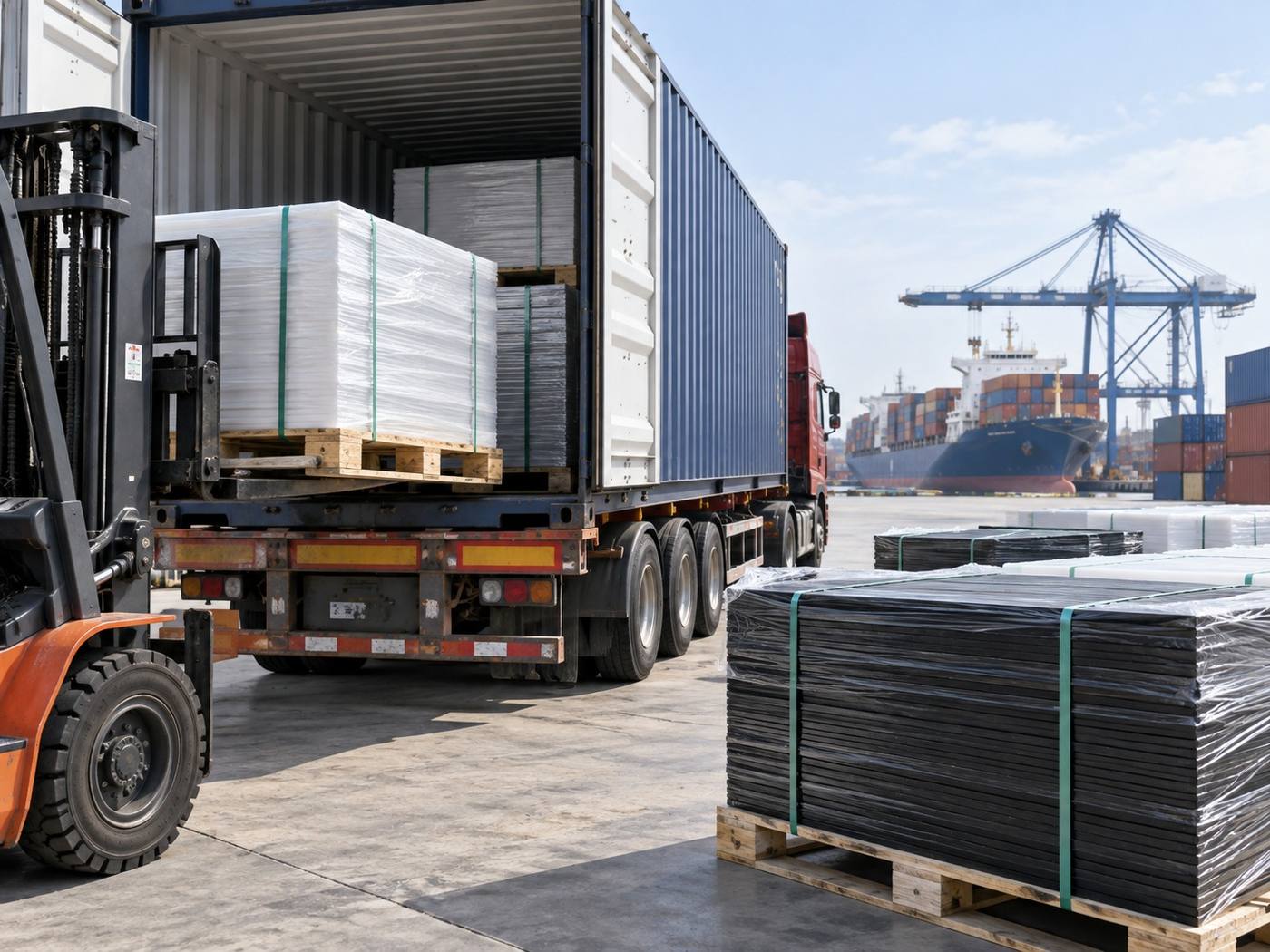
This paper provides a selection and management approach and does not replace the equipment instructions, the suspension programme, ground-based evaluation or local regulations. Work involving lifting support, underground facilities, electrical areas, the edges of trenches and the entry of persons into dangerous areas shall be reviewed by persons with appropriate qualifications. The above parameters may be provided in the request for quotations to obtain recommendations for size, thickness, quantity, packaging and shipment.
Need for further evaluation of the actual project?
Applications, sizes, quantities, site photographs or drawings and delivery destinations are sent, on which we can identify more suitable products and processing programmes.