The construction window for energy works is usually tight, but a complete operational cycle analysis is still required as to how temporary roads will be dismantled when the line works are withdrawn. In the case of telecommunications, discharges and repairs along the power lines, this topic focuses on “How temporary roads are dismantled when the line works are withdrawn”, for example, and the conditions of control vary when the vehicle enters, exits in full capacity or equipment is suspended for long periods of time. The site should be located in such a way that it does not match the specifications, quantity and potential areas of the site ' s condition before deciding on the use of pavement panels, leg pads or approved combinations.
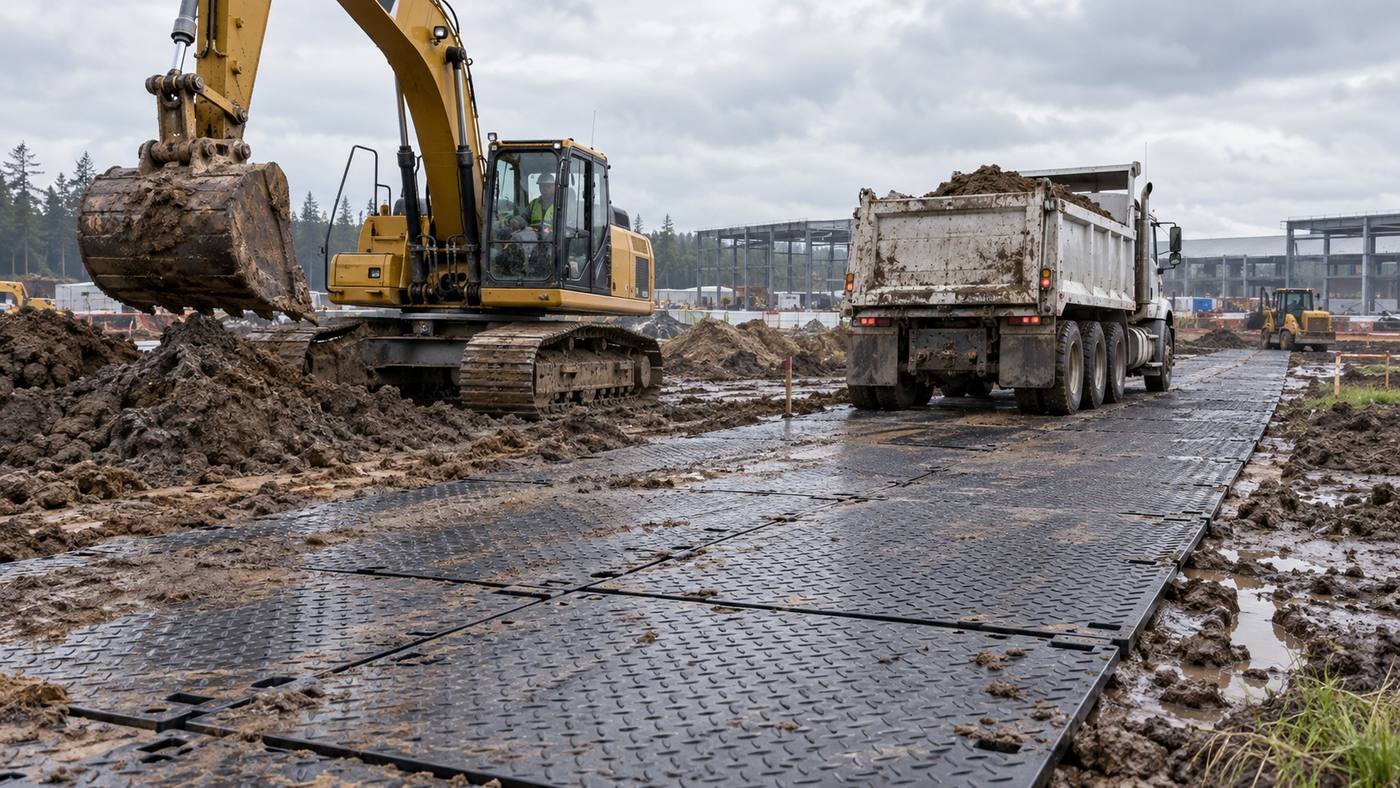
The product configuration cannot be determined by area or thickness alone. The project shall verify the total weight of the most heavy vehicles and the axle load, the distance of the tower, the width of the route, the slope, the soil water content rate, the underground facility and the rainy season window, and then convert the lack of information to specifications, quantities that do not match the field condition to drainage, carrying, stabilization, surface pull and restoration requirements. When dealing with drainage and soft spots, then laying out and piloting the ICP from the stabilization end, consideration will also be given to handling tools, manual weights, spare quantities, cleaning and backfilling. The information review should also be carried out in the order of demolition and loading in reverse on the exit route of the last item of equipment and include the missing information as an item pending confirmation of the offer and the construction programme.
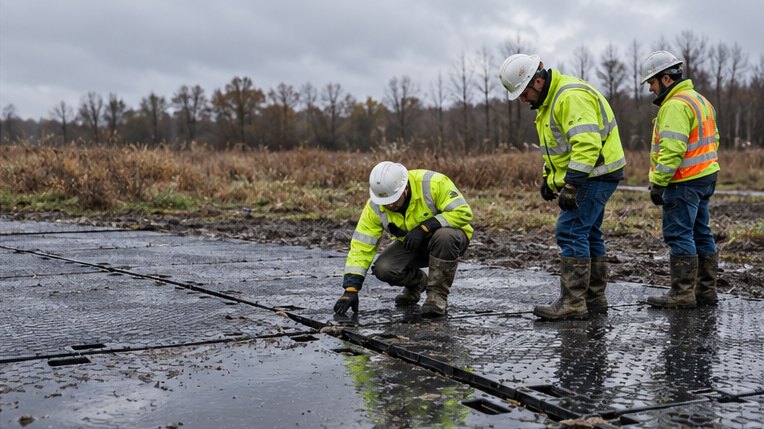
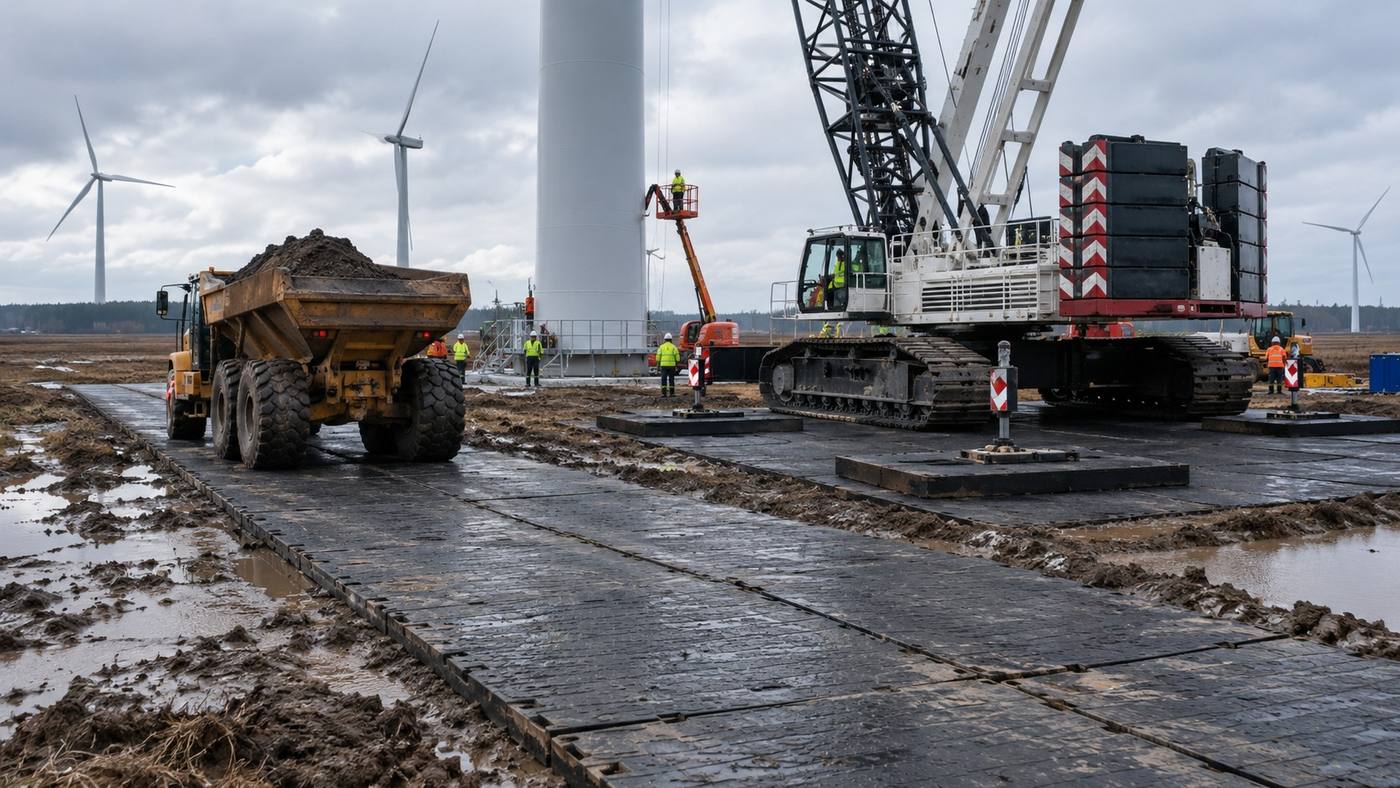
Figure: Taki, line discharge and repair operations along the transmission line, with a focus on “How temporary roads are to be dismantled when the line works are withdrawn”
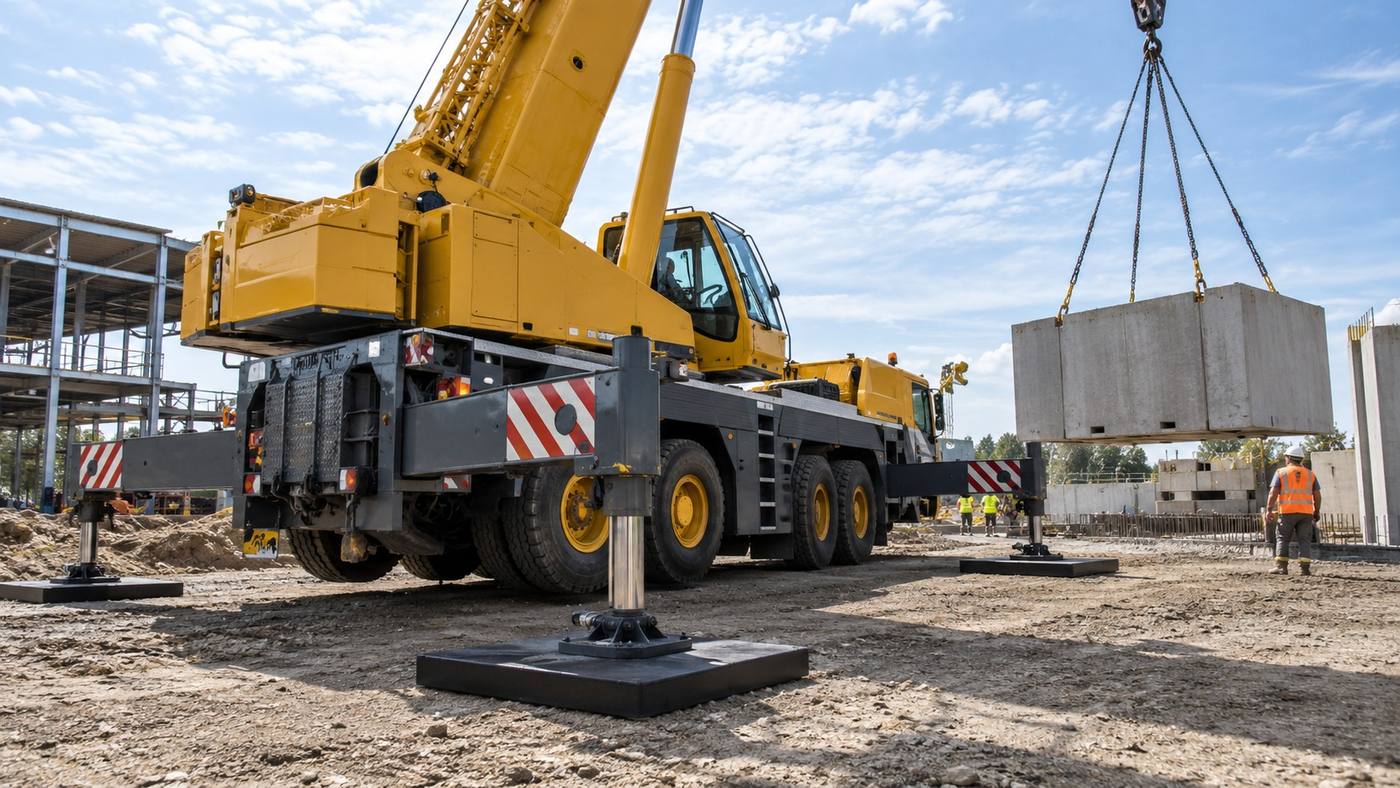
The site installation should be located with an approved drawing number, and the level, seam, edge and drainage should be inspected at each stage of completion. Consistency routes are accounted for separately from the work surfaces of the Taki, and the sheeting is used to spread the wheel, while the slinging points use the appropriate leg pads in accordance with the equipment manual. The test operation can first be carried out using a low-risk vehicle with a slow-speed straight-line and then gradually verify the turnover, parking and full-loading; it should be discontinued as soon as it is discovered that it continues to sink under the plate, pump mud or branch position. The test-pail record of “how temporary roads are to be demolished when the line works are withdrawn” should indicate the starting and ending position, vehicle condition and release conclusions, to facilitate review as construction conditions change.
The maintenance plan should include responsibility for key sections and feeder points, frequency checks, decommissioning thresholds and spare parts locations. The lack of information can be detected in a timely manner as a result of the lack of specifications and quantities that do not match the situation on the ground. Backup panels, connectors and handling tools are also synchronized to avoid mismatches in specifications on site. With regard to the “how to demolish the temporary road when the route works are evacuated”, the inspection forms need to show a separate column of information leading to variations that do not match the specifications, the quantity and the condition of the site, as well as a reference to the inspector and the time of return.
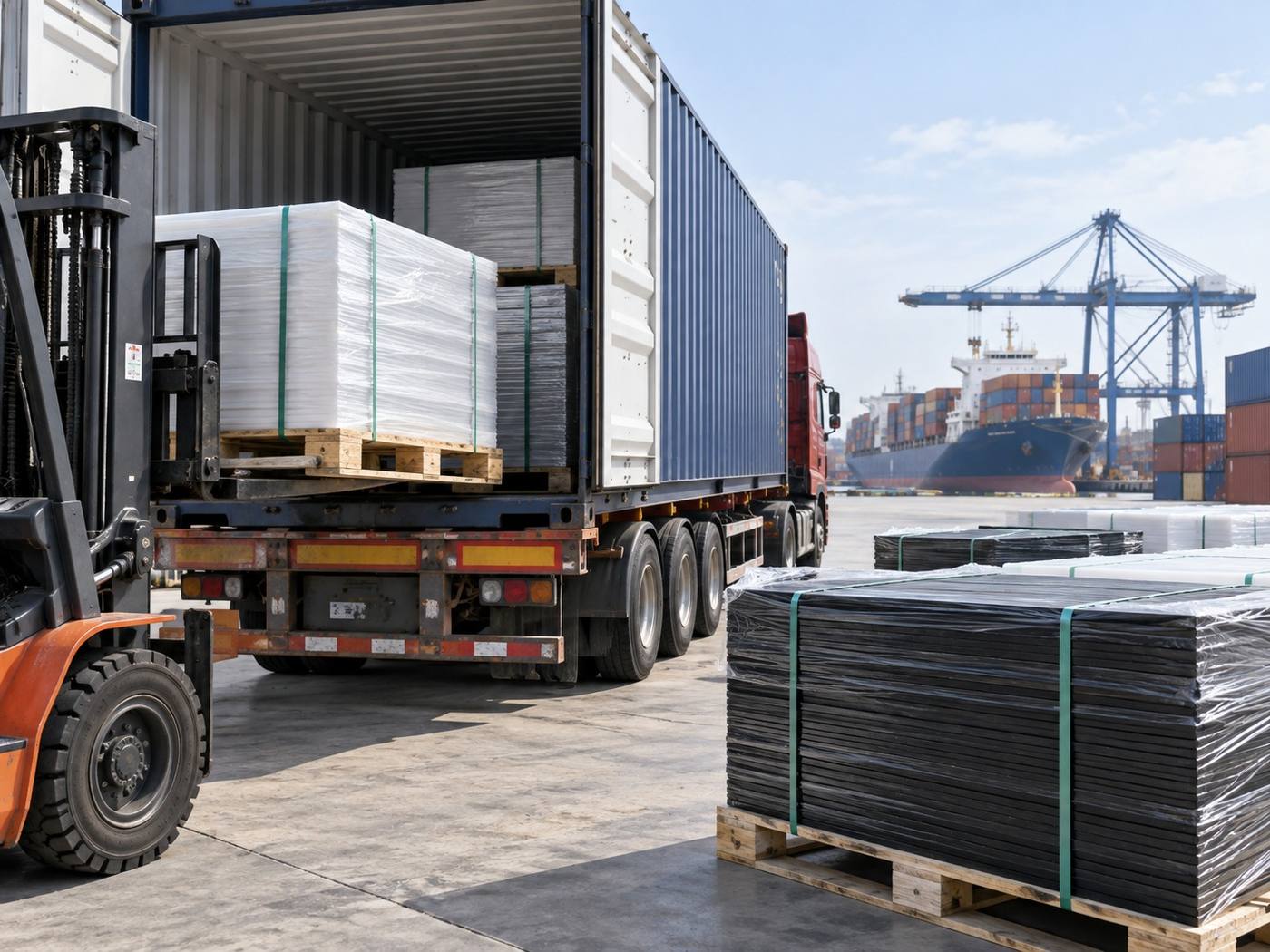
The offers from different suppliers should be compared under the same size, material, connection, packaging, delivery and test basis. Supplementation should be requested if the maximum load is given without a description of the ground, distance and load. Energy projects should also focus on batch consistency, port efficiency, repairability and container loading. This retrodiscussion should also answer whether the “how to remove temporary roads when line works are evacuated” has been improved by first processing drainage and soft points and then by laying and testing at the stabilization end, avoiding a subjective description of the end item.
This paper provides a selection and management approach and does not replace the equipment instructions, the suspension programme, ground-based evaluation or local regulations. Work involving lifting support, underground facilities, electrical areas, the edges of trenches and the entry of persons into dangerous areas shall be reviewed by persons with appropriate qualifications. The above parameters may be provided in the request for quotations to obtain recommendations for size, thickness, quantity, packaging and shipment.
Need for further evaluation of the actual project?
Applications, sizes, quantities, site photographs or drawings and delivery destinations are sent, on which we can identify more suitable products and processing programmes.