
The construction window for energy works is usually tight, but how new energy projects can reduce topsoil erosion still requires a complete business cycle analysis. In the interim road demolition, cleaning, recycling and site delivery phase of energy projects, this topic focuses on “how new energy projects can reduce topsoil erosion”, for example, where the conditions of control are not the same when vehicles enter, are fully loaded or equipment is parked for long periods. The site should first locate the re-routing of vehicles to create a deep path and destroy areas at the grass-roots level where they may occur, and then decide on the use of pavements, leg pads or approved combinations.
If the project needs to be accompanied by a pavement and a mat, an optional table should be established. The former are dominated by continuous support on the route, axle and the grass-roots level, while the latter are dominated by maximum reversibility of the legs and allowing for ground bearing. A combination of pre-entry photographs, area of coverage, time of use, weather, vehicle cycle, demolition sequence, cleaning conditions, damage rate and acceptance criteria to account for the minimum effective area of the leg pads on the basis of maximum reversibility and local durability avoids the use of the two products as alternative components. For “how new energy projects can reduce topsoil erosion”, the information review should also identify the direction of the subsurface flow and set up drains for which inspection is possible, and include missing information as an item to be confirmed for quotations and construction programmes.
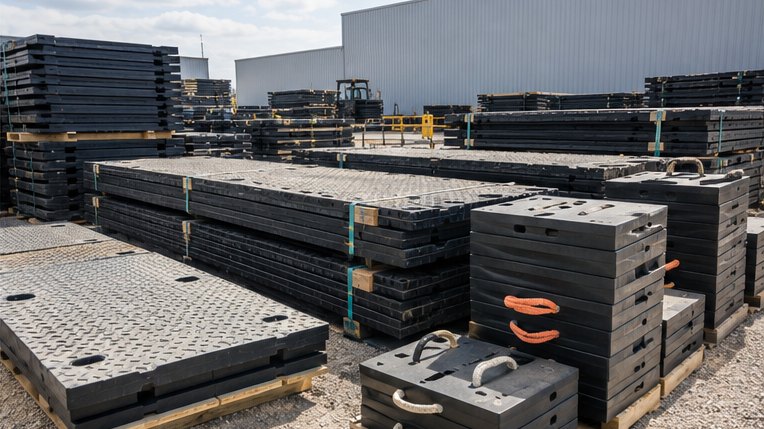
Figure: Interim road demolition, cleaning, recycling and site delivery phases for energy projects, with a focus on “How new energy projects can reduce topsoil erosion”
A representative route or a feeder may be selected for a controlled trial pavement to cover the softest floor and the most heavy equipment condition. Reducing recovery costs relies on pre-entry baselines, life-cycle controls and reverse evacuation sites, rather than decoupling and concentrating on all issues. The decision to increase width, improve drainage or reorient traffic is then taken by means of experimental observation of grass-roots, sewn, tyre tracks and operating space. The trial-pail record of “how to reduce topsoil erosion in the new energy project” should indicate starting and ending locations, vehicle status and release conclusions to facilitate review as construction conditions change.
The inspection cycle can be shortened at an early stage of use and then stabilized before adjusting to vehicle cycles and weather. The maintenance staff focused on the tracks, topsoil erosion, compaction, vegetation, sludge, cracking, permanent deformation, connection holes and stock condition, as well as on the driver ' s compliance with speed limits and switch requirements. Any unconfirmed sub-board support, edge instability or foot contact should first be disabled. In the context of “how new energy projects can reduce topsoil erosion”, the inspection forms need to be separate and repeat vehicle traffic to create deep-seated patterns and undermine changes at the grass-roots level, and to indicate the time of re-inspectors and re-entry.
A reset is to distinguish between product problems and changes in condition. The original programme may no longer be appropriate if the vehicle is heavy, routed, rainfall increases or cover periods are extended. These changes are recorded together with the results of the implementation of the lowest effective area of the leg pads, based on maximum retroactivity and endurance, and the next time it is known whether the thickness, width, quantity or construction organization should be adjusted. It should also answer whether the “how new energy projects can reduce topsoil erosion” has been demonstrated to improve by accounting for the lowest effective area of the leg pads on the basis of maximum retroactivity and durability, and to avoid a subjective description of the ending item.
This paper provides a selection and management approach and does not replace the equipment instructions, the suspension programme, ground-based evaluation or local regulations. Work involving lifting support, underground facilities, electrical areas, the edges of trenches and the entry of persons into dangerous areas shall be reviewed by persons with appropriate qualifications. The above parameters may be provided in the request for quotations to obtain recommendations for size, thickness, quantity, packaging and shipment.
Need for further evaluation of the actual project?
Applications, sizes, quantities, site photographs or drawings and delivery destinations are sent, on which we can identify more suitable products and processing programmes.







