The construction window for energy engineering is usually tight, but the full operational cycle analysis is still required on how to quickly pave temporary roads after the typhoon. In the case of emergency repair sites for power lines following heavy rains, typhoons or floods, this topic focuses on “how to quickly pave temporary roads after typhoons” and the conditions of control vary when vehicles enter, are loaded out or equipment is suspended for long periods of time. The site should first locate the area in which the rebalancing of the equipment level may occur by overloading or uneven deposition of the feeder, and then decide on the use of pavements, leg pads or approved combinations.
The focus of the topic is not on the choice of the thickest or the most heavy products, but on the establishment of a match. The coverage, connection and back-up levels are determined through the retention of back-up panels and connections for timely containment repairs of unusual areas, based on the disaster route, water depth, soft-point range, recovery vehicle type, arrival sequence, emergency time frame, public isolation and reserve identification controls. In the case of products requiring cross-project turnaround, the numbering, loss rate, cleaning time and volume of transport should also be included in the total cost. The information review should also mark the change in slopes, equipment-crawling capacity and downhill brake areas on the map and include missing information as items to be confirmed for quotations and construction programmes.
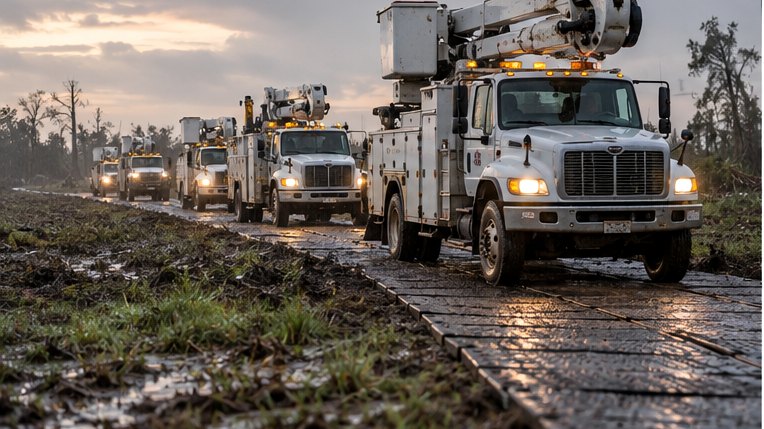
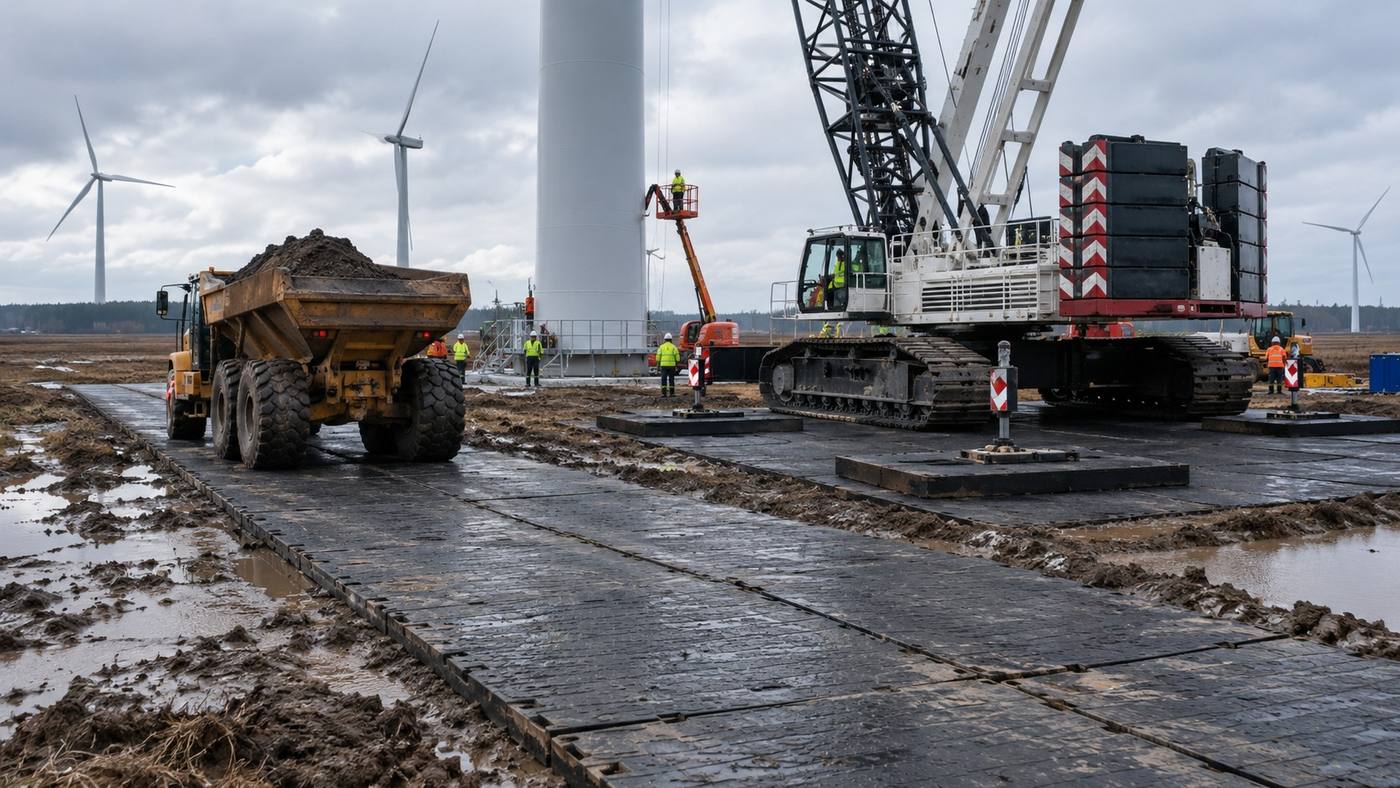
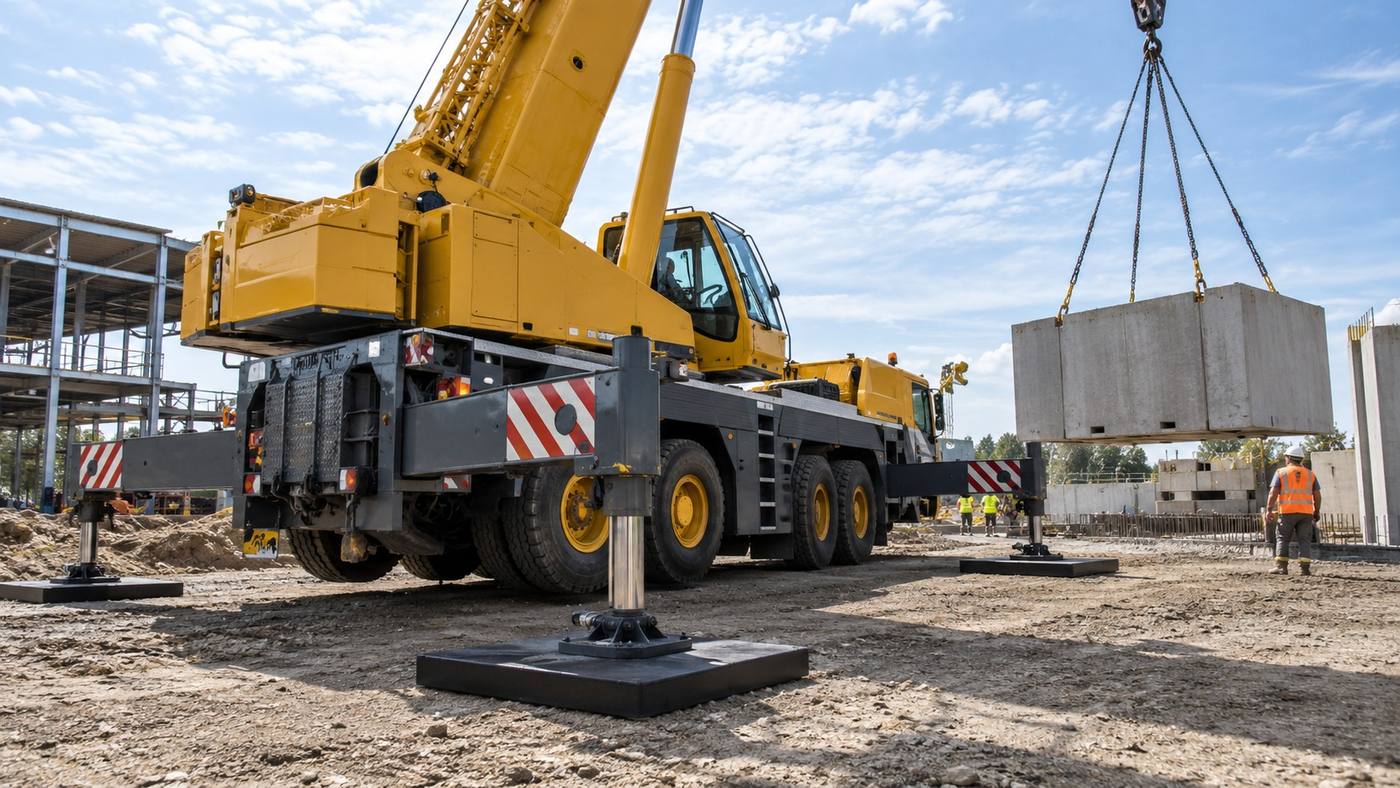
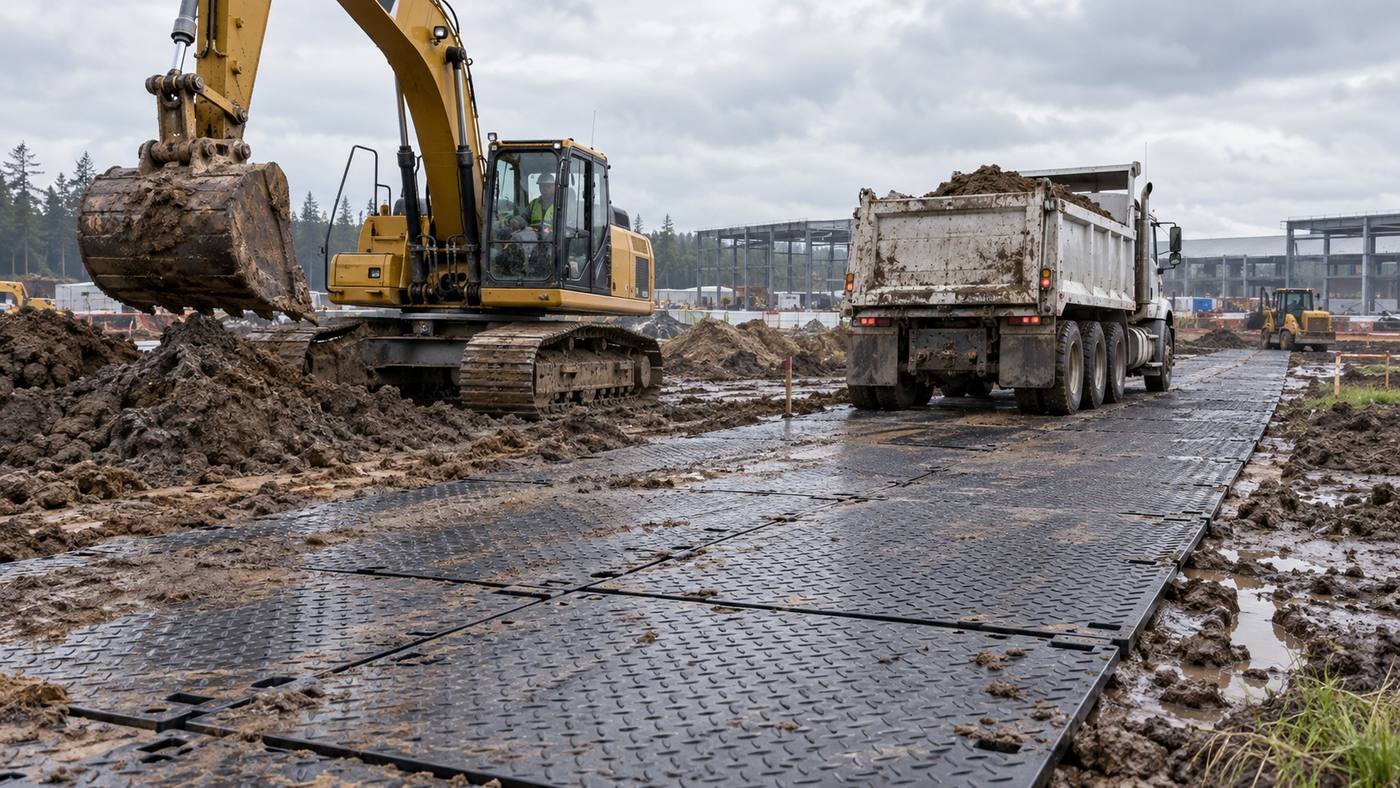
Figure: Emergency recovery site for electrical circuits following heavy rains, typhoons or floods, with focus on “how to quickly pave temporary roads after typhoons”
In the absence of space on the ground, work cannot be undertaken by reducing the necessary cover or moving legs to the shoulder of the road. The vehicle station should be reordered and reordered to provide sufficient space for “retention of spare panels and connectors for the timely restoration of sealing of unusual areas”. The speed of repairs cannot be a substitute for ground-based and traffic safety judgements, and the most critical rescue and equipment routes should be restored before heavy vehicles are opened on a segment basis. Any forced overlays of holes, temporary mats or uncounted should be returned to the technical manager for evaluation. Test-painted records of “how to quickly pave temporary roads in the aftermath of the typhoon” should indicate the starting and ending position, vehicle status and release conclusions to facilitate review as construction conditions change.
Special inspections should be added after extreme weather, equipment anomalies or route adjustments. Use of position markings and fixed view photographs for water accumulation, pumping mud, edges, vehicle congestion, leg deposition, lighting, public isolation and connectors to facilitate comparison of sedimentation and migration. Cleaning the surface of polymers avoids fire, sharp shovels and violent knocks, creating new cracks and stress concentrations. The inspection form, around “how to quickly pave a temporary road for post-typhoon route recovery”, requires a single column to overload or evenly sink changes in the level of the equipment, and indicates the time taken by the inspector and his/her return.
The impact assessment cannot be based solely on the movement of vehicles on the same day. The project compares vehicle waiting, trapping, maintenance hours, cleaning time, loss of connection, site restoration area and evacuation cycle, and records weather and traffic simultaneously. The question of whether this option is suitable for replication at the next energy project is determined by the creation of data around changes in the level of equipment overload or uneven deposition of the nodes. The retrodiscussion of this issue should also answer whether the “how to quickly pave temporary roads in the aftermath of a typhoon” can be verified for improvement in the timely restoration of the sealing of an abnormal area by retaining a back-up plate and a connector to avoid ending the item with a subjective description.
If the conditions on the ground are different from the assumptions in this paper, the application of the conclusions should be suspended and reassessed. Energy transport, suspension, refurbishment and overhaul are subject to project programmes, equipment manuals and statutory requirements. The supplier may assist in matching the product, but the final placement, commissioning and release shall be approved by the responsible party for the project.
Need for further evaluation of the actual project?
Applications, sizes, quantities, site photographs or drawings and delivery destinations are sent, on which we can identify more suitable products and processing programmes.