The expeditious demolition of temporary roads after the equipment has been overhauled should proceed from the most unfavourable rather than the average. The expansion of the substation, the transport of transformers and the overhauling of equipment are concerned that “the rapid removal of temporary roads after the equipment has been repaired” may be affected by heavy vehicle cycle, rainfall and time compression at the same time, while the error of the nominal tonnage at different test conditions may increase with traffic. It would be clearer for on-site execution to first determine the conditions for allowing deposition, decommissioning and those responsible, and then select product specifications.
Technical communication should first identify the control design of the transformer ' s transport axis, the weight of the equipment, the retroactivity of the crane, the rock and mosaic boundary, the location of the cable ditch, the safety distance and the time of overhaul. It was suggested that drainage and soft spots should be addressed before being laid and piloted from the end of the stabilization segment, and that suppliers should be asked to describe the materials, the finished goods, the test methods, the basis of application and the restrictions. Reference data such as nominal 50 to 200 tonnes cannot be directly compared horizontally without the same test basis. For “how fast to remove temporary roads after equipment repairs”, the information review should also include snow, ice, sand and tyre state in tow management at the same time, and include missing information as an item pending confirmation of offers and construction programmes.
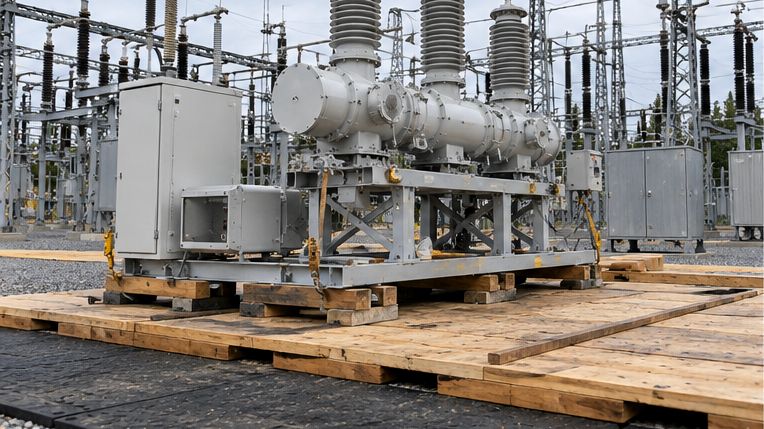
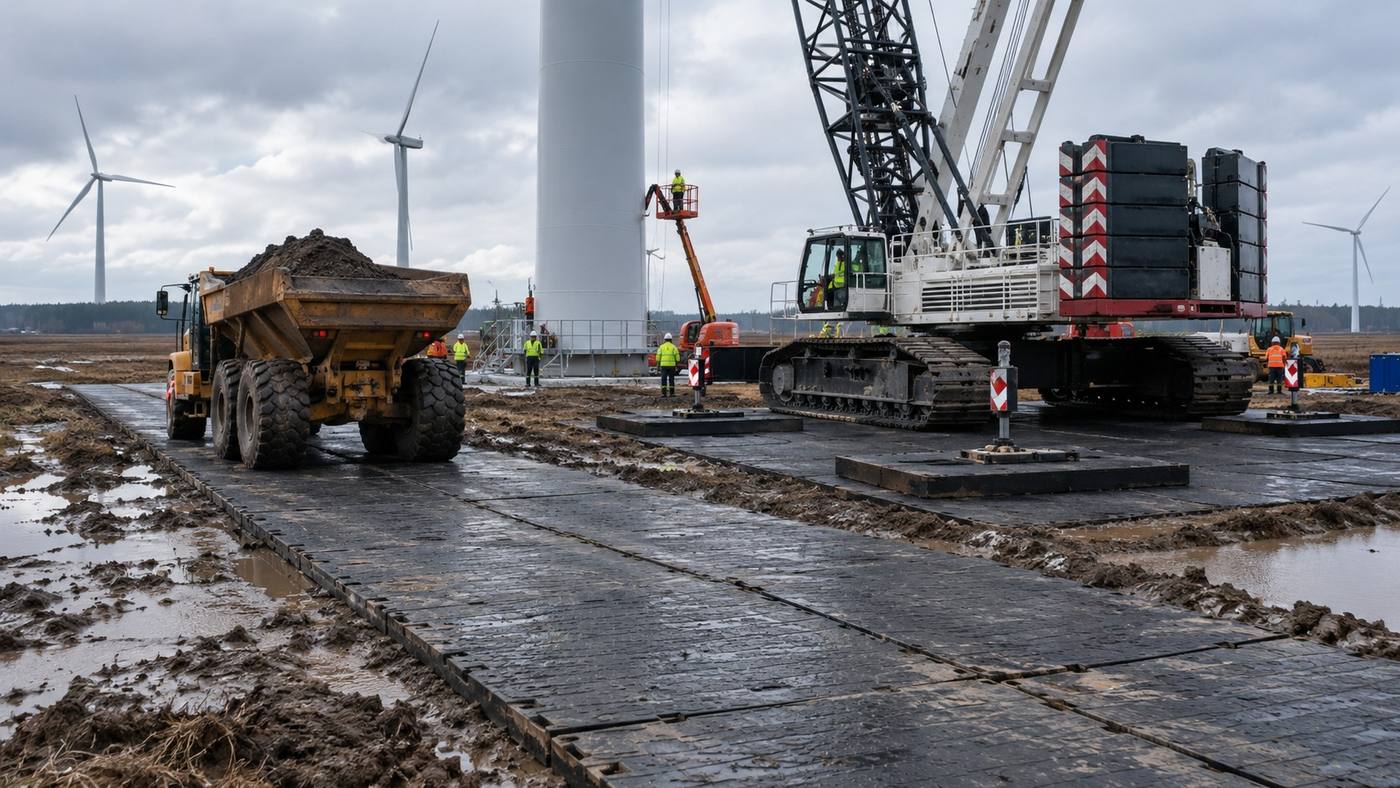
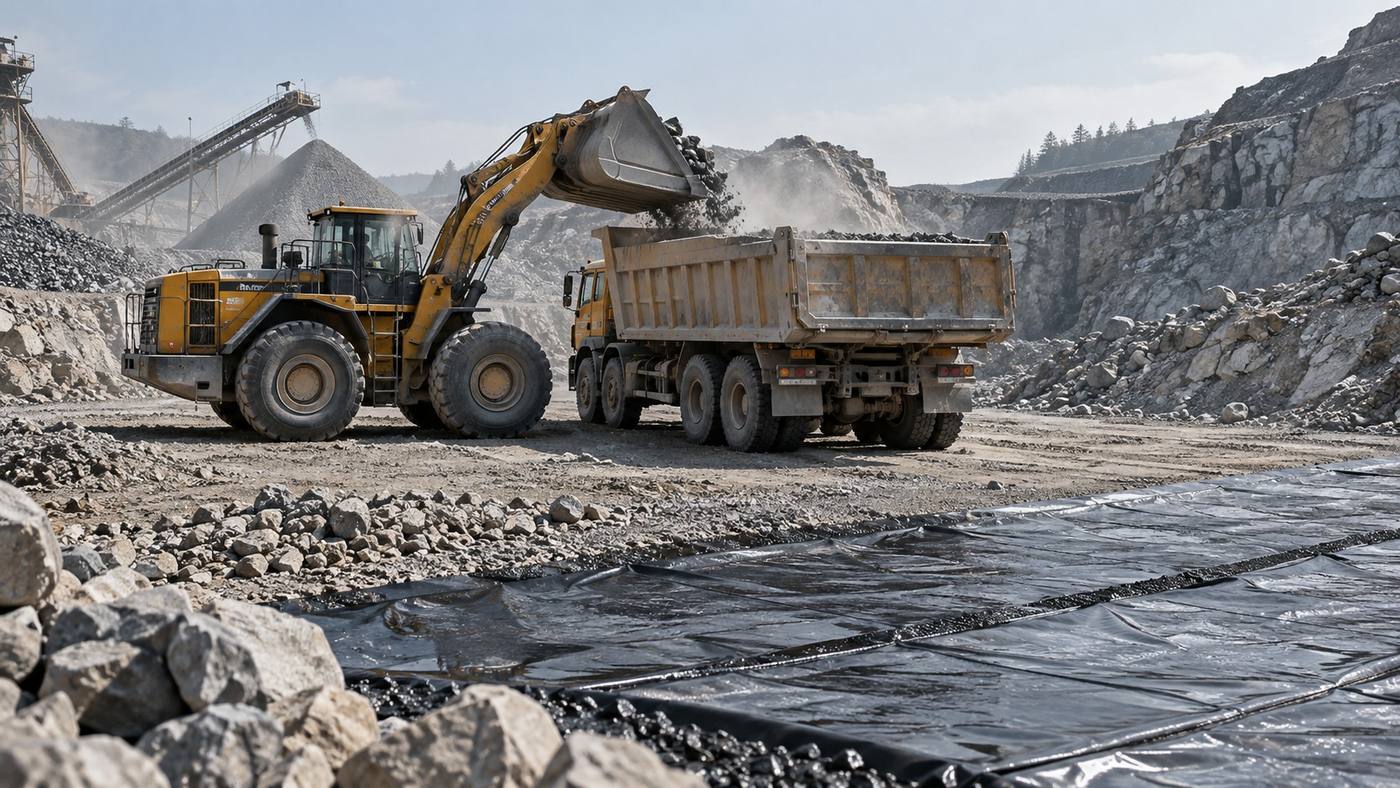
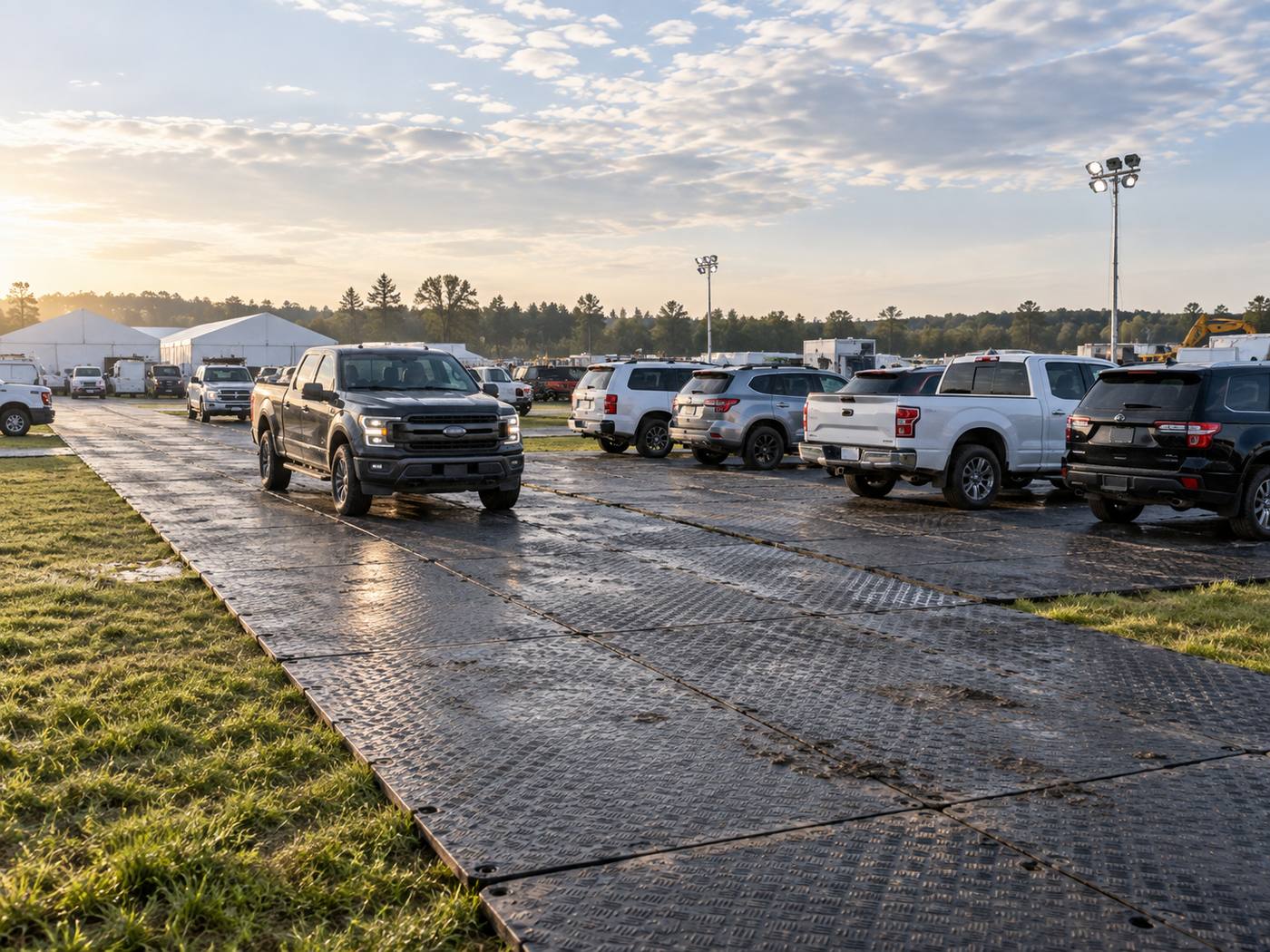
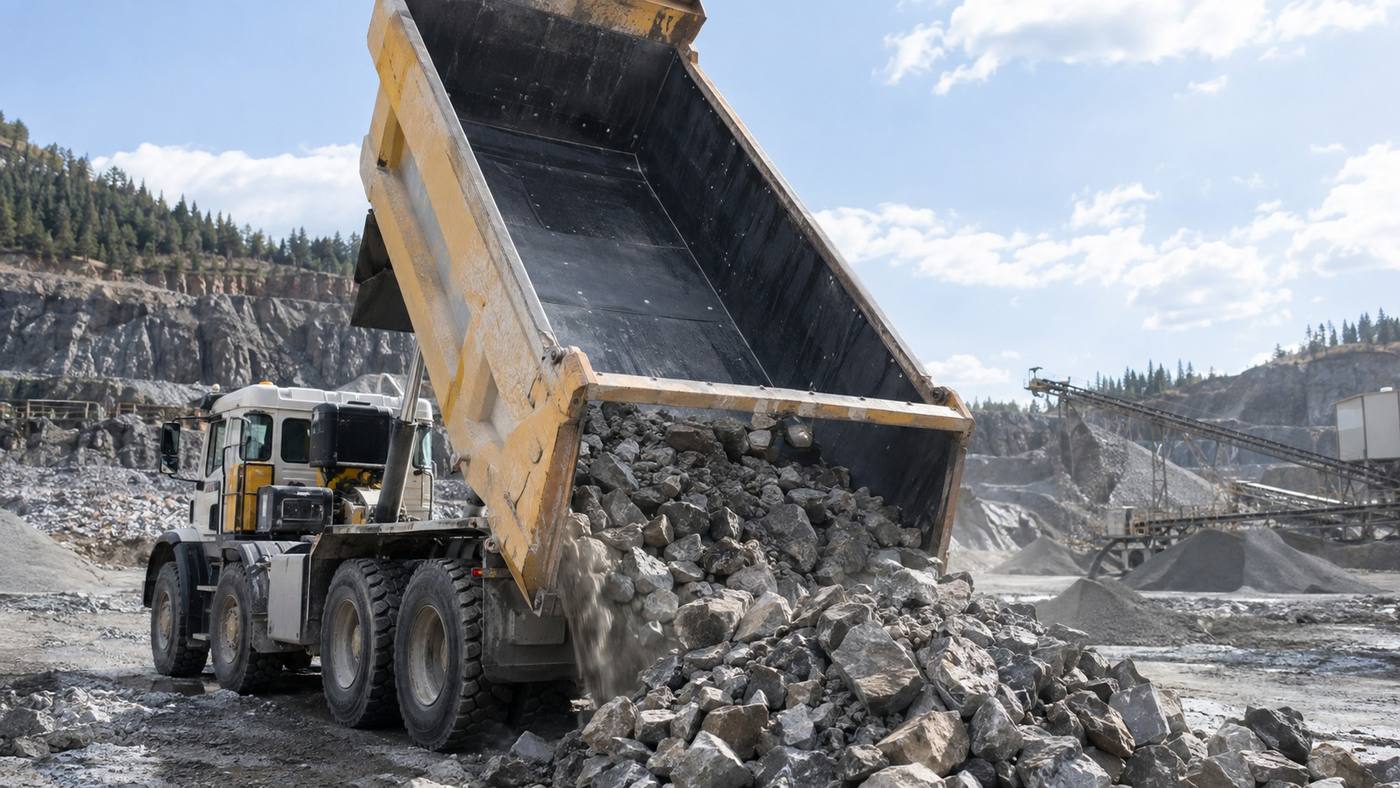
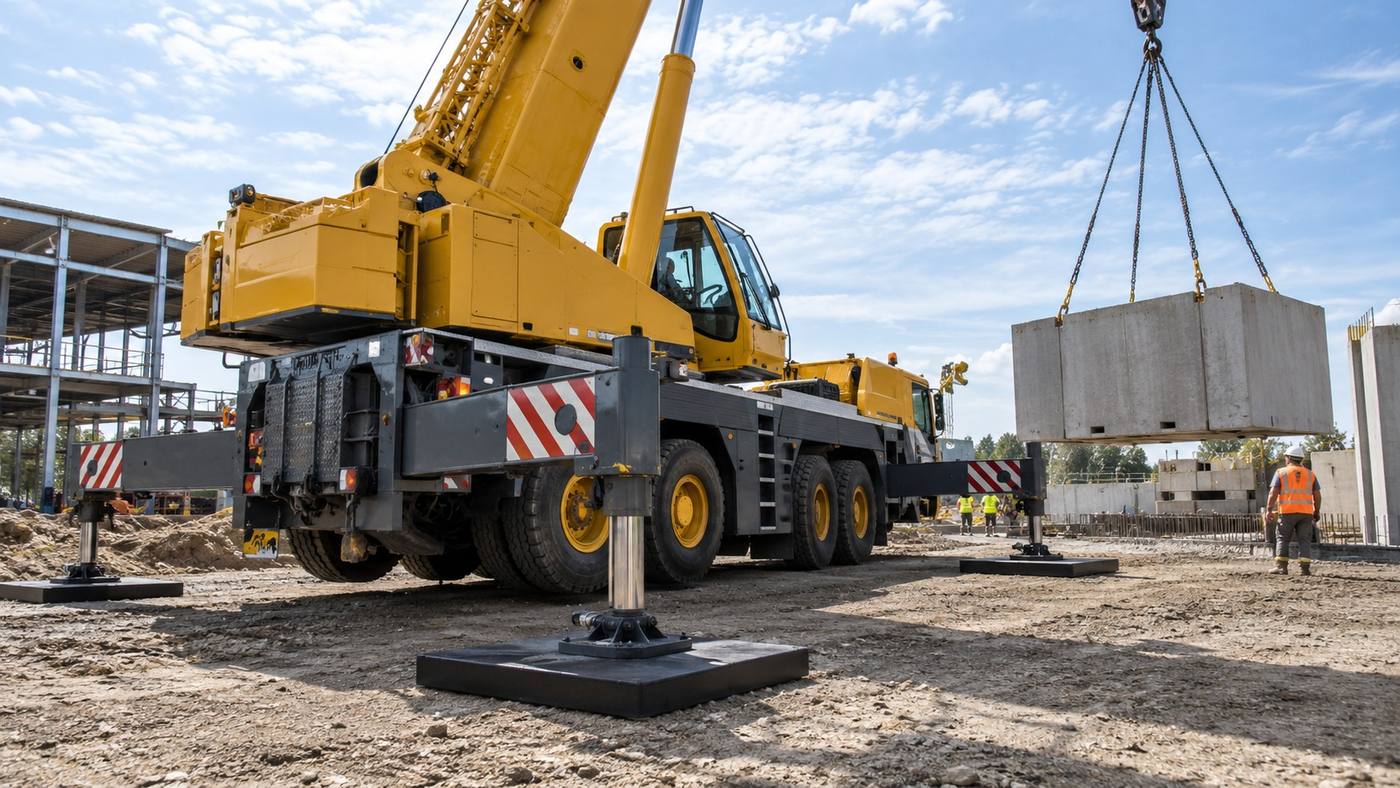
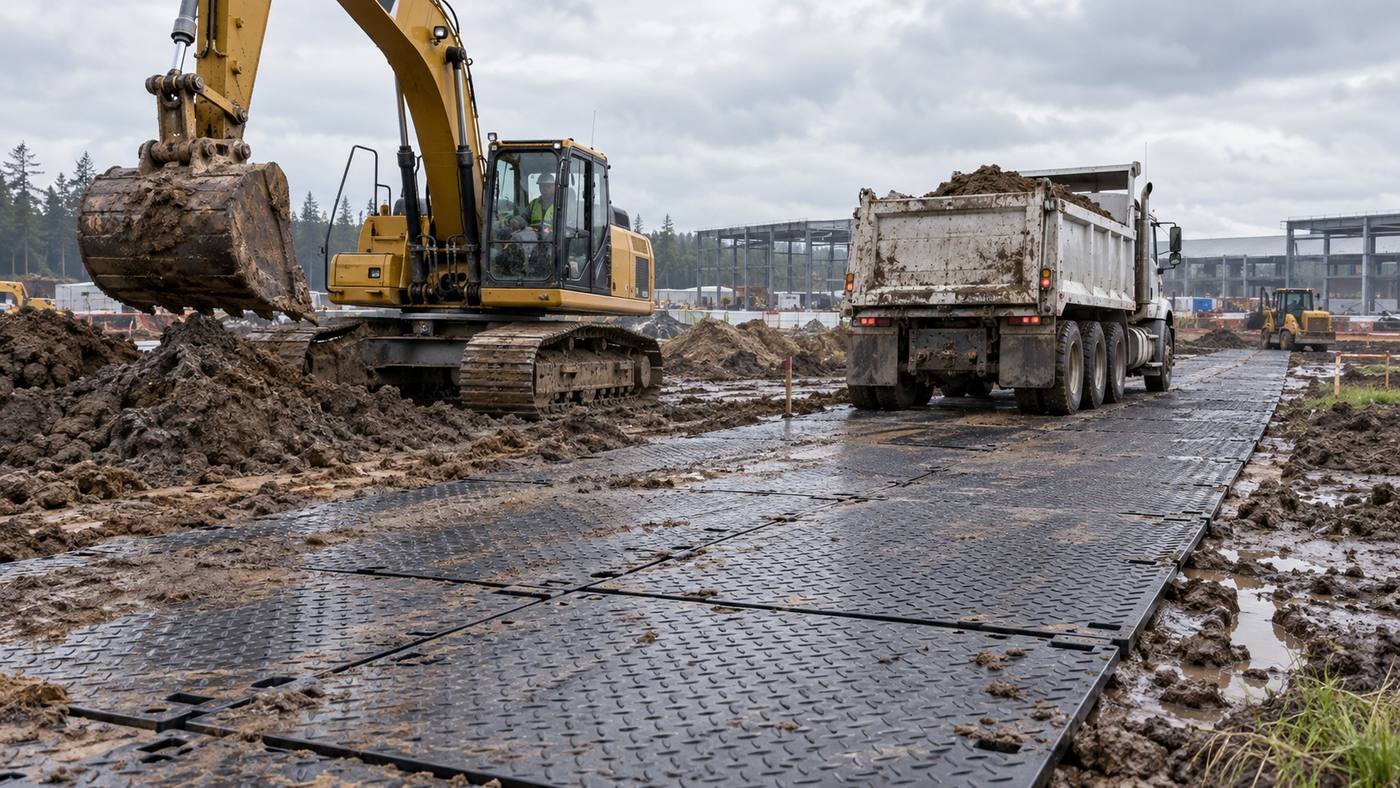
Figure: Extension of transformer stations, transformer transport and equipment overhauls, with a focus on “how fast to remove temporary roads after equipment repairs”
A representative route or a feeder may be selected for a controlled trial pavement to cover the softest floor and the most heavy equipment condition. Temporary roads and hanger platforms within power transformers are subject to electrical safety, fire traffic and equipment transport programmes and cannot be placed on a temporary basis only on the available area. The decision to increase width, improve drainage or reorient traffic is then taken by means of experimental observation of grass-roots, sewn, tyre tracks and operating space. The test-pail record of “how to rapidly dismantle temporary roads after equipment repairs” should indicate the starting and ending position, vehicle condition and release conclusions to facilitate review as construction conditions change.
Cable gutter protection, plaque transition, full-leg contact, oil pollution, grounding facilities, safe perimeters and deposition should be checked before shifts, after peak traffic and after rainfall. Each record shall contain the date, location, vehicle, weather, unusual photographs and processing results. In the case of repeated tests in the same region with different conditions but with a direct comparison of the nominal tonnage resulting in miscalculation, it should go back to the grass-roots, drainage, transport organization and specification re-analysing rather than replacing only surface components. In the context of “how fast to dismantle temporary roads after equipment repairs”, the inspection forms need to show a separate list of test conditions, but directly compare the nominal tonnage with changes resulting in miscalculation, with an indication of the inspector's time of return.
The receiving and inspection information shall be maintained in the form of maps, product numbers, photographs of entry and exit sites, initial ground conditions, abnormal worksheets and demolition records. In the event of a ground or equipment dispute, the information can distinguish between the original soft spot, the use of modifications and the removal site damage, and can also quantify the impact of miscalculation on the cost of the project as a result of a direct comparison of the nominal tonnage under different test conditions. It should also answer whether “the rapid demolition of temporary roads after the equipment has been overhauled” has been improved by first processing drainage and soft spots and then by laying and piloting the stabilization end, avoiding a subjective description of the end item.
This paper provides a selection and management approach and does not replace the equipment instructions, the suspension programme, ground-based evaluation or local regulations. Work involving lifting support, underground facilities, electrical areas, the edges of trenches and the entry of persons into dangerous areas shall be reviewed by persons with appropriate qualifications. The above parameters may be provided in the request for quotations to obtain recommendations for size, thickness, quantity, packaging and shipment.
Need for further evaluation of the actual project?
Applications, sizes, quantities, site photographs or drawings and delivery destinations are sent, on which we can identify more suitable products and processing programmes.