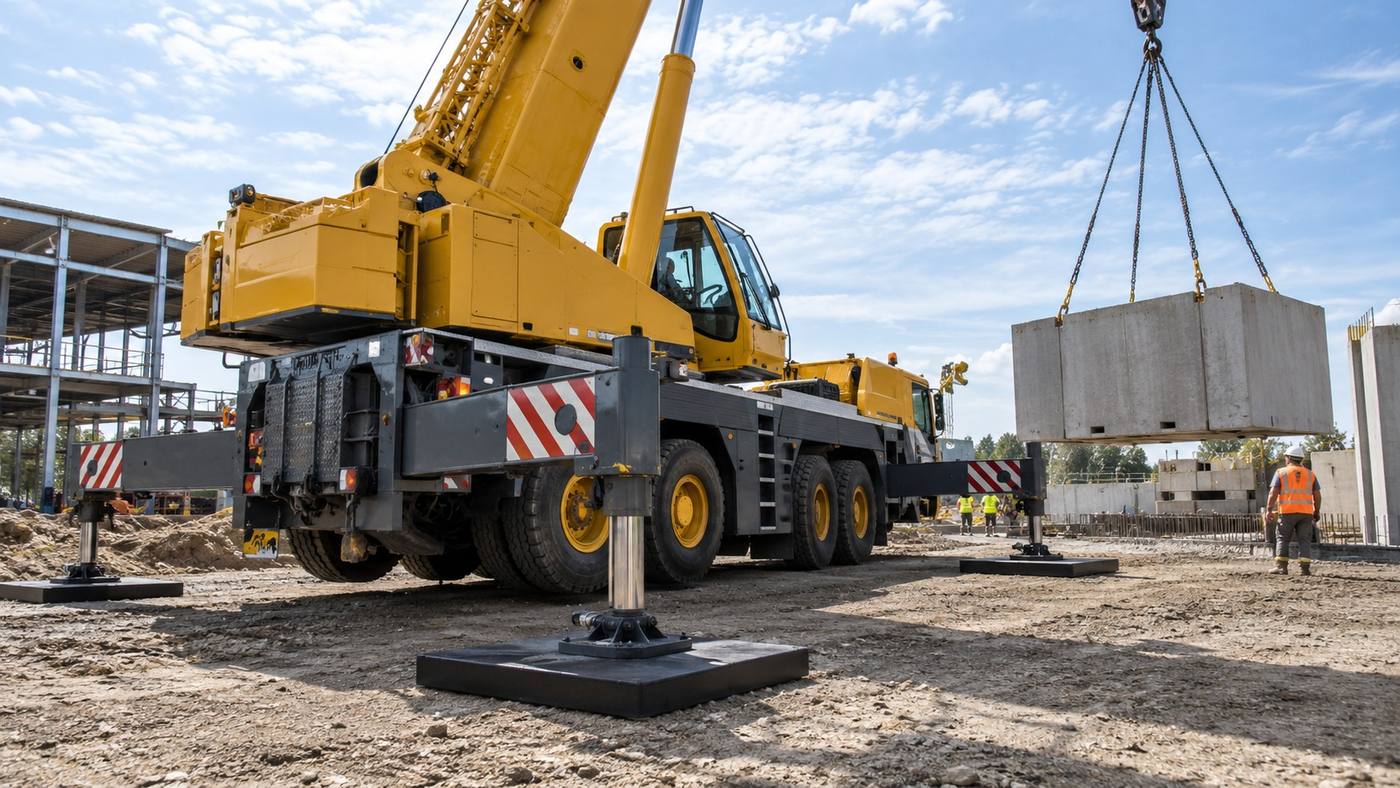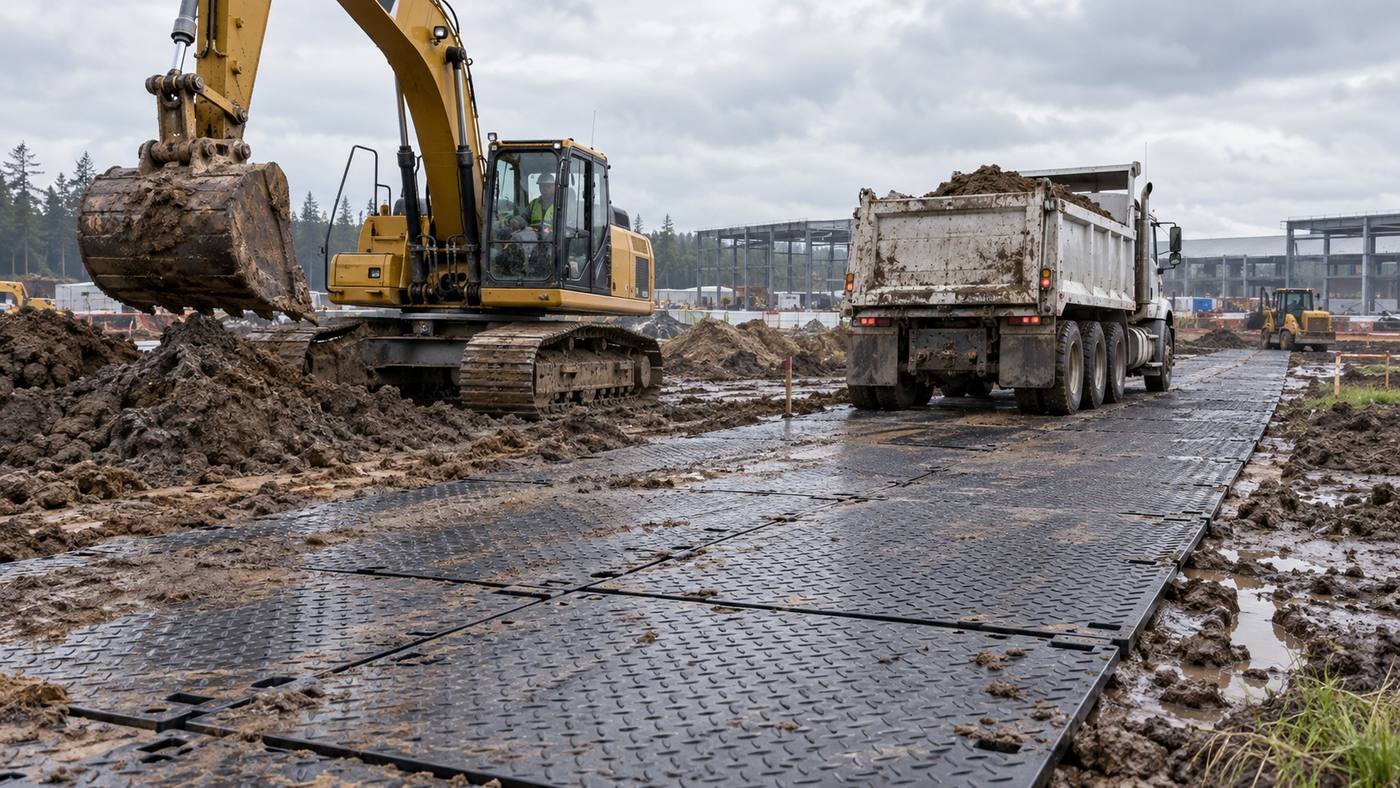
The protection of the agricultural land surface by the construction of the photovoltaic plant should proceed from the most unfavourable rather than the average. The project area of light-volt stands, components, cables and reversible equipment is concerned that the construction of PV stations to protect the field's surface may be affected by heavy vehicle cycles, rainfall and the compression of working hours, which can be followed by a decrease in the base load and an increase in the flow of pump mud or wrong stations. It would be clearer for on-site execution to first determine the conditions for allowing deposition, decommissioning and those responsible, and then select product specifications.
The input information can be organized by the four columns of equipment, ground, route and time, with emphasis on the construction vehicle weight, the size of the tripod, the frequency of the component transport, the drainage course, the thickness of the topsoil, the location of the underground cable and the restoration requirements. It is proposed to calculate the straight-line segment, the turn-off area, the docking position and the surface of operations separately for the drop in the ground-based load and the emergence of pumping muds or faults following rainfall. In the case of leg pads, the maximum repulsive force of the leg provided by the plant must be obtained, and in the case of passage roads, the total weight of the vehicle, the axle, the tyre and the complete turn track should be used. The information review should also check the end-point of the main route, the softest segment and the location of the emergency rerouting, and include missing information as an item to be confirmed for the quotation and construction programme.
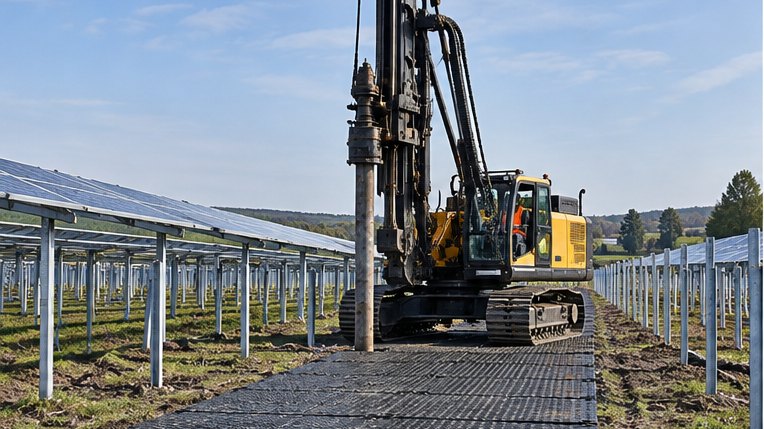
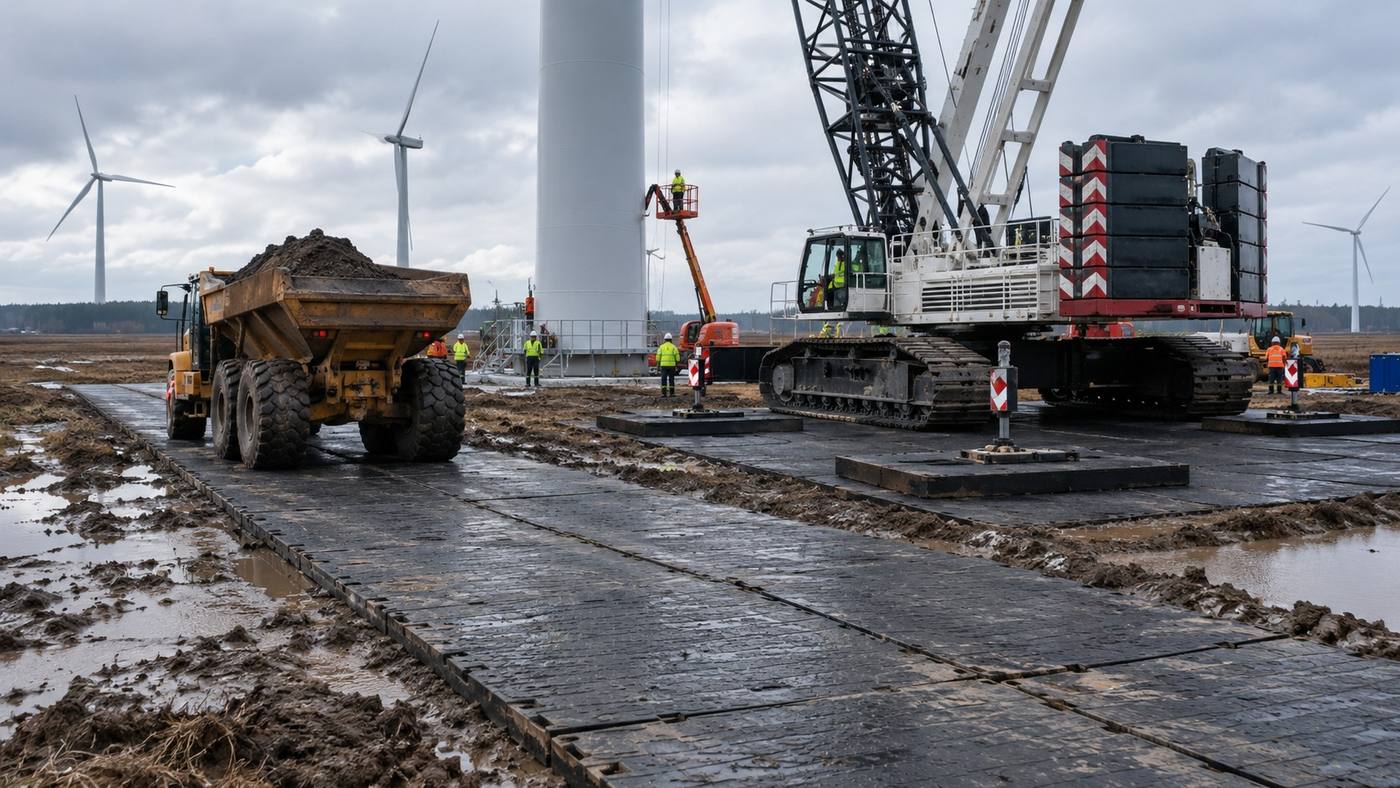
Figure: The construction area for light-volt stands, components, cables and reversible equipment, with a focus on “How the construction of photovoltaic power stations will protect the field surface”
The installation should leave a photo, location and measurement record. First, ground-level levelling, drainage and underground facilities are identified, and the complete contact, connection, edge and transition of the pavement is checked, or the size, location and centering of the leg pads are checked. The light-voltage area, which is usually large and revolving, must first protect drainage and topsoil and then move pavements in accordance with the construction phase. Areas not eligible for acceptance should not be replaced by speed-limit signs alone. The trial-pail record of “how the work at the PV plant will protect the field surface” should indicate the starting and ending position, vehicle status and release conclusions to facilitate review following a change in construction conditions.
Inspections should not only be “normal” and should be identified on a case-by-case basis around sub-board pump mud, surface pressure, drainage congestion, loose connection, underground cable marking, contamination and revegetation, and should divide anomalies into three levels of observation, restriction and decommissioning. For each of the key points to be calculated for the straight-line segment, turn-off area, docking position and surface, a fixed photo angle and a measurement benchmark should be set. A loose connection, a permanent deformation, a breach through or a deviation of a branch shall be immediately isolated. The inspection forms, which revolve around “how the work at the photovoltaic power station is to protect the field surface”, are to show a separate drop in the ground-based load following rainfall and a change in the pump mud or the wrong table, with an indication of the inspector and the time of return.
The receiving and inspection information shall be maintained in the form of maps, product numbers, photographs of entry and exit sites, initial ground conditions, abnormal worksheets and demolition records. In the event of a ground or equipment dispute, the information may distinguish between the original soft spot, the use of a change and the removal site damage, and also quantify the impact on the cost of the project of a decrease in the base load after rainfall and the impact of pumping mud or error. It should also answer whether the “how the work at the PV plant is to protect the field surface” has been shown to improve by calculating the straight-line segment, the turning zone, the docking position and the surface, so as to avoid a subjective description of the closing item.
If the conditions on the ground are different from the assumptions in this paper, the application of the conclusions should be suspended and reassessed. Energy transport, suspension, refurbishment and overhaul are subject to project programmes, equipment manuals and statutory requirements. The supplier may assist in matching the product, but the final placement, commissioning and release shall be approved by the responsible party for the project.
Need for further evaluation of the actual project?
Applications, sizes, quantities, site photographs or drawings and delivery destinations are sent, on which we can identify more suitable products and processing programmes.