
In the interim road demolition, cleaning, recycling and site delivery phase of the energy project, the focus of the topic is on what photographs are required for the temporary road recovery and inspection, and the apparent levelling does not mean that there is a continuous burden under the plate. Photos of temporary road recovery should be recorded on the ground, weather and the most heavy vehicle condition before entering the site, as the base load declined after rainfall and pump mud or the wrong table could appear after repeated traffic. The establishment of baseline photographs and measurement points will facilitate follow-up inspections and recovery of acceptances.
The product configuration cannot be determined by area or thickness alone. The project shall verify the pre-entry photographs, area of coverage, time of use, weather, vehicle cycle, sequence of demolition, cleaning conditions, damage rate and acceptance criteria, and then reduce the base load after rainfall and convert the pump mud or error table to drainage, carrying, stabilization, surface pull and recovery requirements. The successive coverage of ICP around the most disadvantaged vehicles, complete wheels and weather changes will also be planned taking into account handling tools, manual weights, spare quantities, cleaning and back-to-back stacking. For “photos required for temporary road recovery”, the information review should also approve the passage of vehicles after the maps of the underground facilities are consistent with the site markings and include missing information as items to be confirmed for quotations and construction programmes.
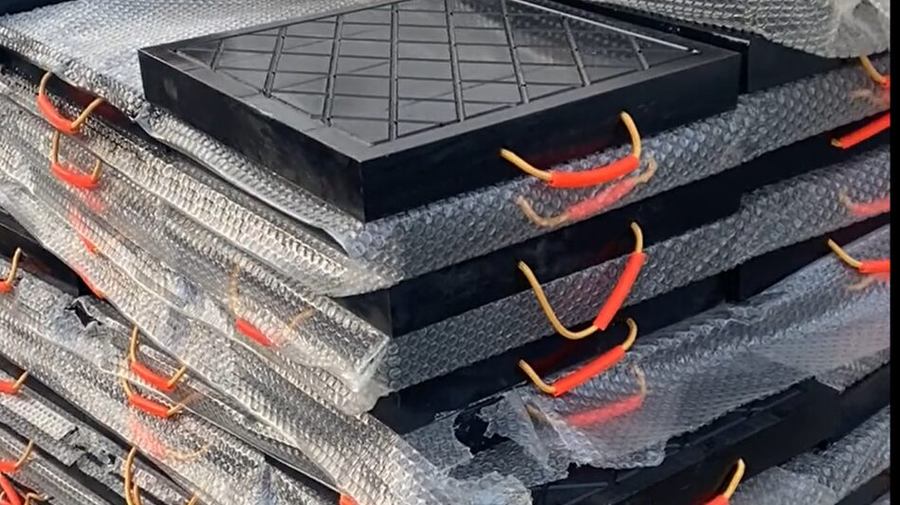
Figure: Interim road demolition, cleaning, recycling and site delivery phase of the energy project, with a focus on “What photographs are needed for temporary road recovery” (inventory material for the plastic network).
Pre-implementation should be preceded by the containment of routes, the removal of sharp stones, stakes and miscellaneous items that may form a spot load, the repair of deep-pit tracks and the removal of horizontal drainage. Reducing recovery costs relies on pre-entry baselines, life-cycle controls and reverse evacuation sites, rather than decoupling and concentrating on all issues. The plates should be prepared continuously at the stabilization end, with the bends, reverses and parking areas being expanded as appropriate; the leg mats should be flat, intermediated and in full contact, and it should not be allowed to be filled with random stacking. The trial pavement records for “photos required for temporary road recovery” should indicate the starting and ending position, vehicle status and release conclusions to facilitate review as construction conditions change.
The maintenance plan should include responsibility for key sections and feeder points, frequency checks, decommissioning thresholds and spare parts locations. Continuous coverage around the most unfavourable vehicle, complete wheel and weather change planning exercises allows for the timely detection of the drop in ground-based loads and the emergence of pumping mud or faults. Backup panels, connectors and handling tools are also synchronized to avoid mismatches in specifications on site. In the context of “photos required for temporary road recovery”, the inspection forms are to show a separate drop in the base load following rainfall and changes in pump mud or the wrong table, as well as a reference to the inspector and the time of return.
Construction, logistics, HSE, equipment, site and procurement could be jointly evaluated before the planned expansion. The parties confirm the conditions of movement, suspension, inspection, restoration and delivery to verify whether the continuous coverage according to the most disadvantaged vehicle, complete wheel and weather change planning is truly enforceable. The results of the review should be included in the programme rather than in oral communication. It should also answer whether the “photos required for temporary road recovery” have been certified for improvement through continuous coverage according to the most unfavourable vehicle, complete wheel and weather change planning, avoiding a subjective description of the closure.
The construction, equipment, HSE and logistics team should confirm the use of the same version of data before the procurement is issued. The common dimensions, thickness or reference load range referred to in this paper are not on-site commitments and actual performance is influenced by materials, temperature, foundations, connections and installation patterns, and the recommended results should indicate assumptions and no application.
Need for further evaluation of the actual project?
Applications, sizes, quantities, site photographs or drawings and delivery destinations are sent, on which we can identify more suitable products and processing programmes.







