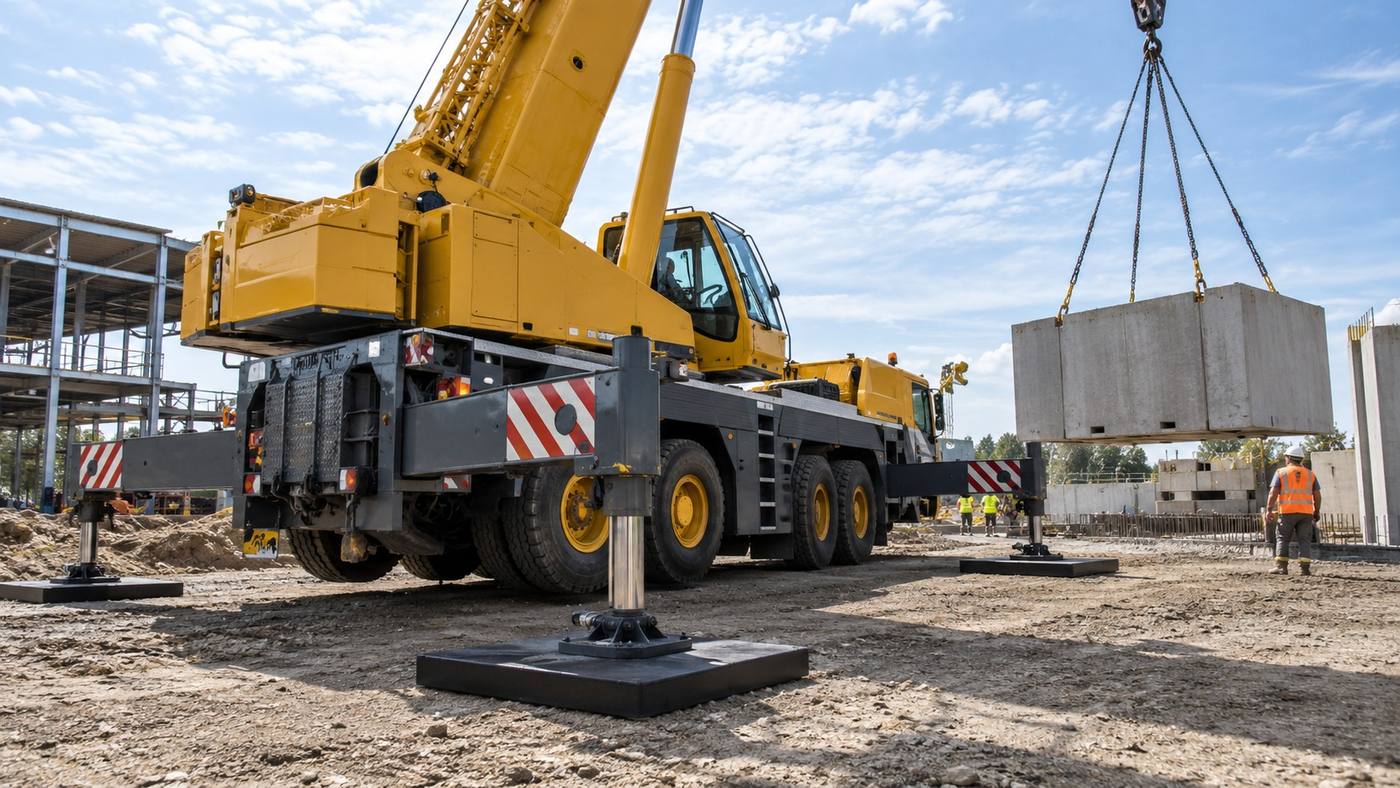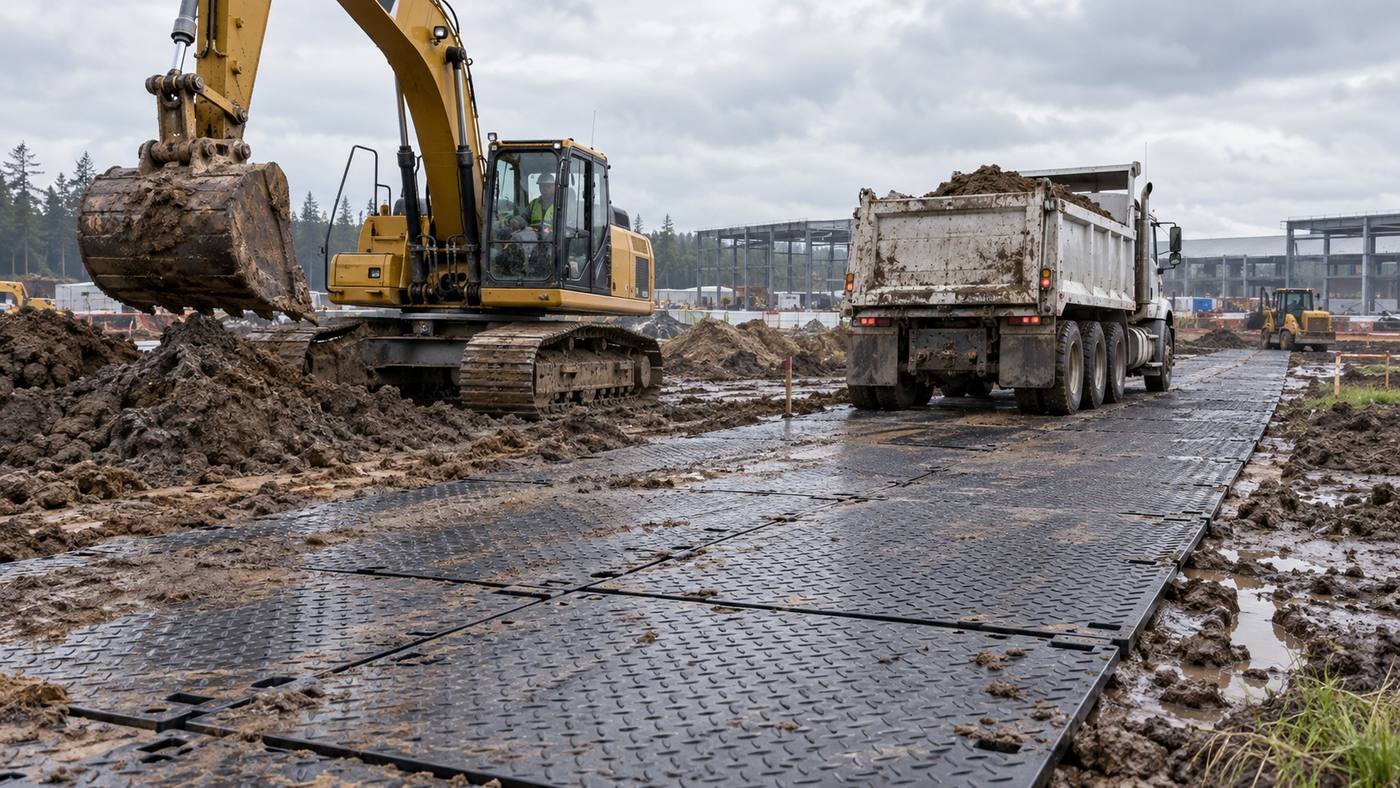
Energy projects often place transport, parking and cranes in adjacent areas, so the selection of the size of the crane leg pad at the power station requires a clear design boundary for each category. The extension of the substation, the transport of transformers and the overhauling of equipment focussing on “How to select the size of the husks of the crane at the substation” when quoted in terms of the total area, which can easily be omitted from the convection ring, the tipping point and the recovery route. A temporary change in the construction route would result in vehicles entering unprotected areas, as well as the failure of otherwise sufficient direct sections at peak.
A one-time collection of transformer transport axes, equipment weight, crane backlash, gravel and mosaic boundary, location of cable ditches, safety distance and time for repairs is recommended prior to design and request. This topic can begin to form a formula “calculating the line segments, turn areas, docking slots and operating surfaces, respectively”. The standard 15, 20, 25 and 30 mm specifications for paving boards can only be used as the starting point for communication, with the actual selection being combined with materials, size, thickness, single weight, texture, connection, grass-roots support and supplier testing conditions. For the “How to select the size of the husk of the crane at the power station”, the information review should also identify the broadest vehicle profile, internal wheel differentials and side safety balances, and include missing information as an item to be confirmed in the quotation and construction programme.
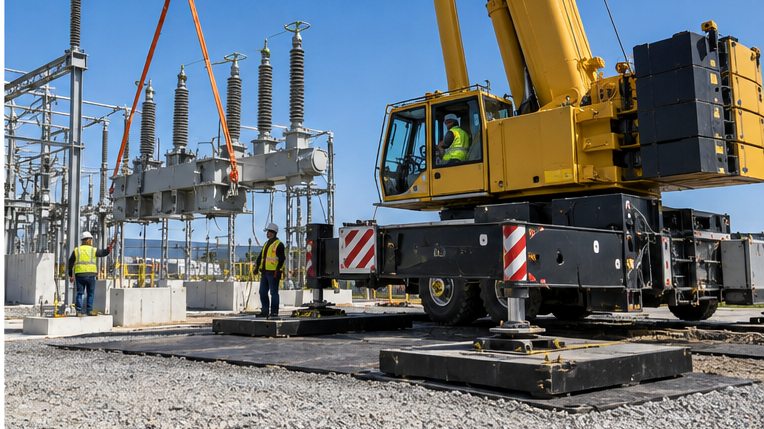
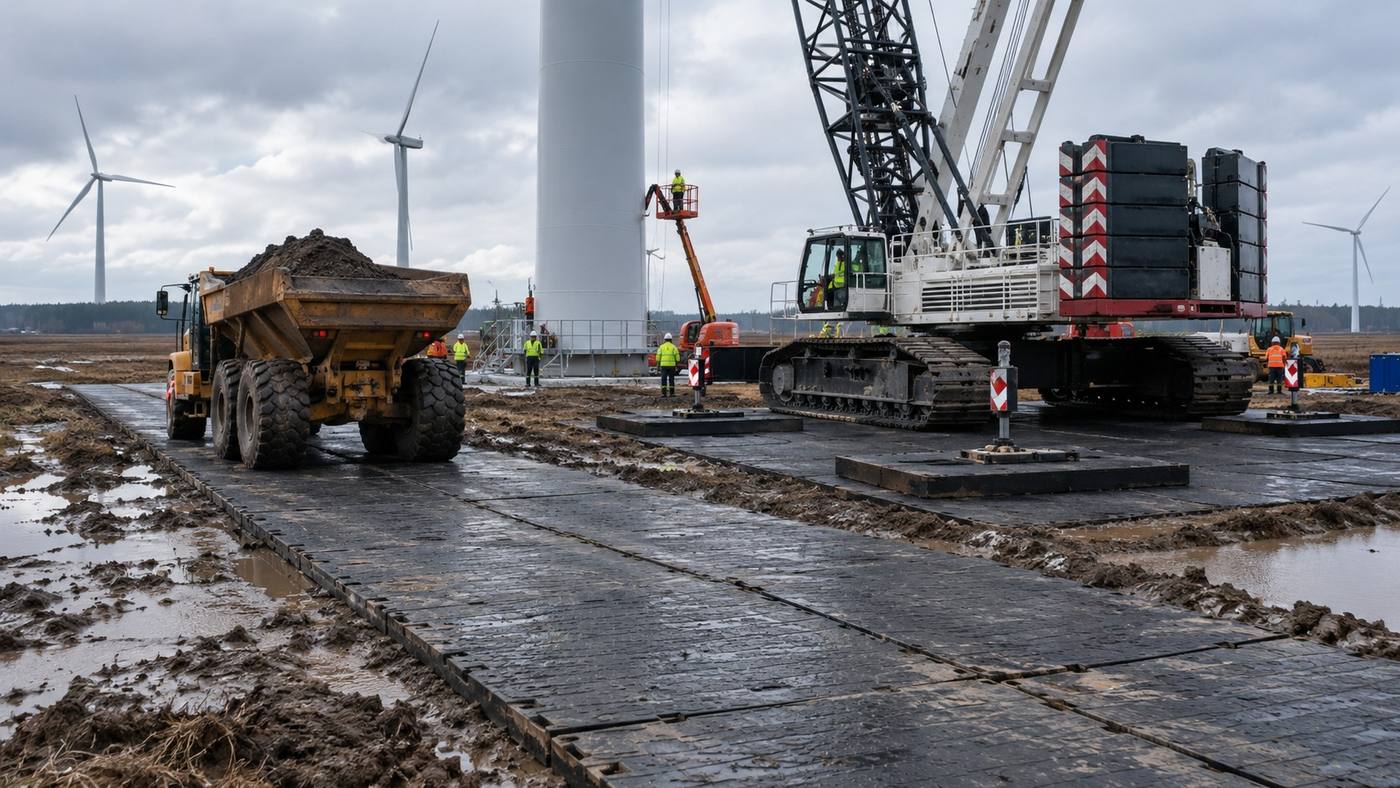
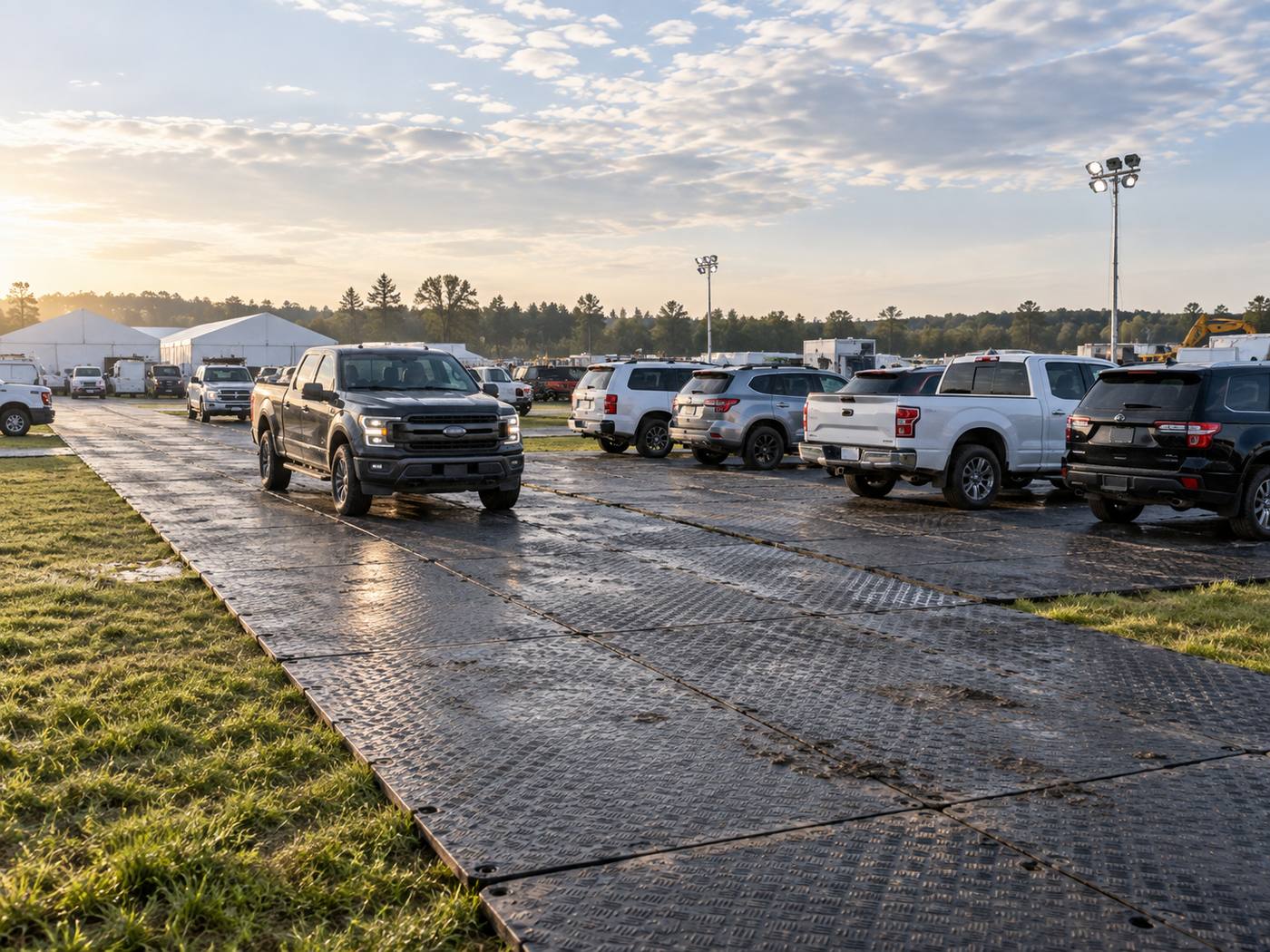
Figure: Extension of transformer station, transformer transport and equipment overhaul, with a focus on “How to select the size of the crane leg pad at the transformer station”
Pre-implementation should be preceded by the containment of routes, the removal of sharp stones, stakes and miscellaneous items that may form a spot load, the repair of deep-pit tracks and the removal of horizontal drainage. Temporary roads and hanger platforms within power transformers are subject to electrical safety, fire traffic and equipment transport programmes and cannot be placed on a temporary basis only on the available area. The plates should be prepared continuously at the stabilization end, with the bends, reverses and parking areas being expanded as appropriate; the leg mats should be flat, intermediated and in full contact, and it should not be allowed to be filled with random stacking. The trial-paint record of the “how to select the size of the latte of the crane at the power station” should indicate the starting and ending position, the vehicle's condition and the release conclusion to facilitate review as the construction conditions change.
It is recommended that the pavements and the mats be included in the asset desk account, numbering the relevant specifications, batches, pavements and hours of use. The scope of the inspection included cable ditch protection, plaque transition, full foot contact, oil pollution, grounding facilities, safe perimeters and deposition. The removed components are to be cleaned, dried, flattened and placed in subdivisions that are qualified, subject to assessment, to repair and to end-of-life status, to prevent the re-entry of unqualified products. The inspection form, around the “how to select the size of the latte of the crane at the transformer station”, contains a separate list of temporary changes in the construction route that would allow the vehicle to enter the unprotected area and indicate the repeater and the time of return.
The receiving and inspection information shall be maintained in the form of maps, product numbers, photographs of entry and exit sites, initial ground conditions, abnormal worksheets and demolition records. In the event of a ground or equipment dispute, the information can distinguish between the original soft spot, changes in use and damage to the evacuation site, and can also quantify the impact of temporary changes in the construction route on the cost of the project of moving vehicles into unprotected areas. This retrodiscussion should also answer whether the “how to select the size of the husk of the crane at the power station” has been demonstrated to be improved by calculating the straight-line segment, the bend area, the docking position and the operating surface separately, avoiding a subjective description of the final item.
This paper could serve as a technical discussion list for energy projects, but not as a separate construction permit. The project will also require a written programme of transport organization, temporary structures, electrical safety, fire protection, weather emergencies and site restoration systems, and a review of key carrying and stabilization conditions by authorized personnel.
Need for further evaluation of the actual project?
Applications, sizes, quantities, site photographs or drawings and delivery destinations are sent, on which we can identify more suitable products and processing programmes.