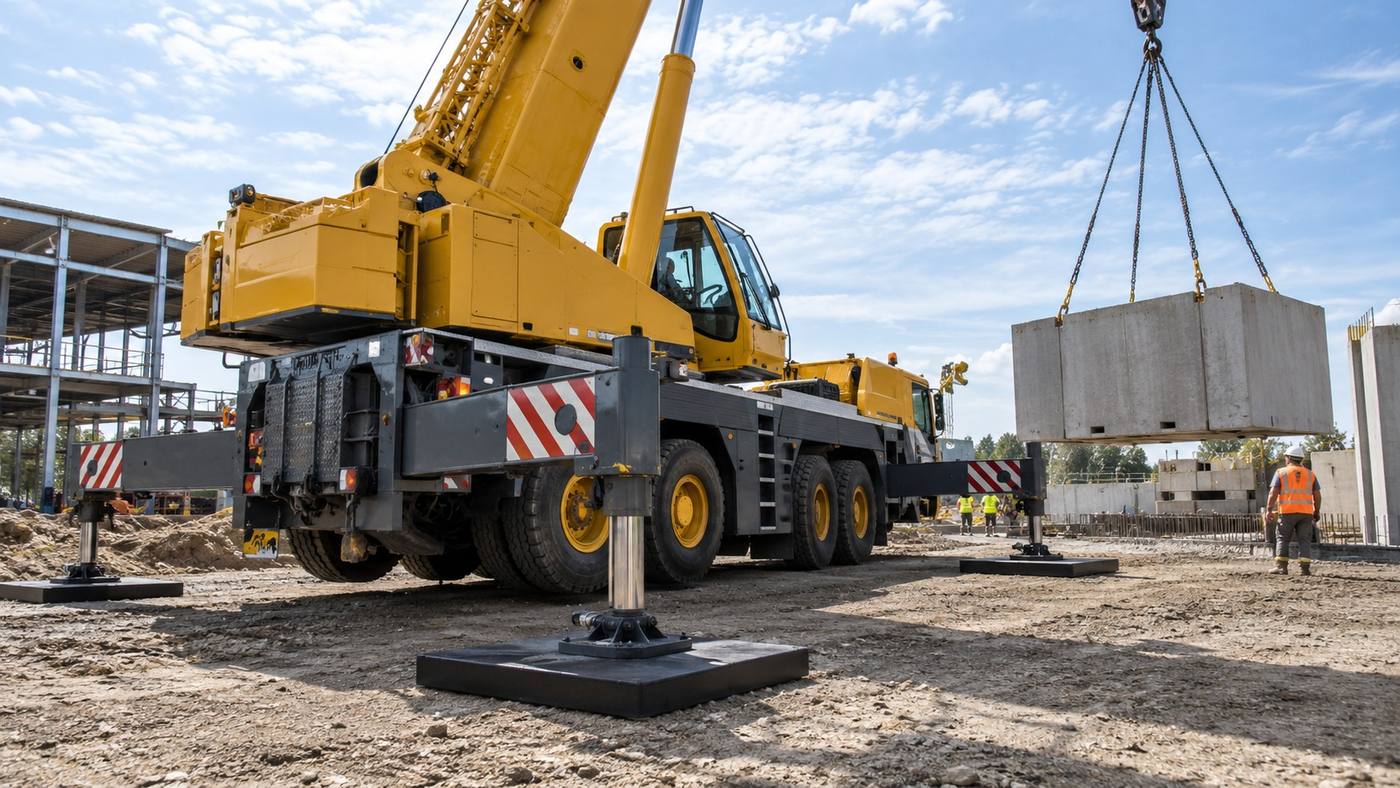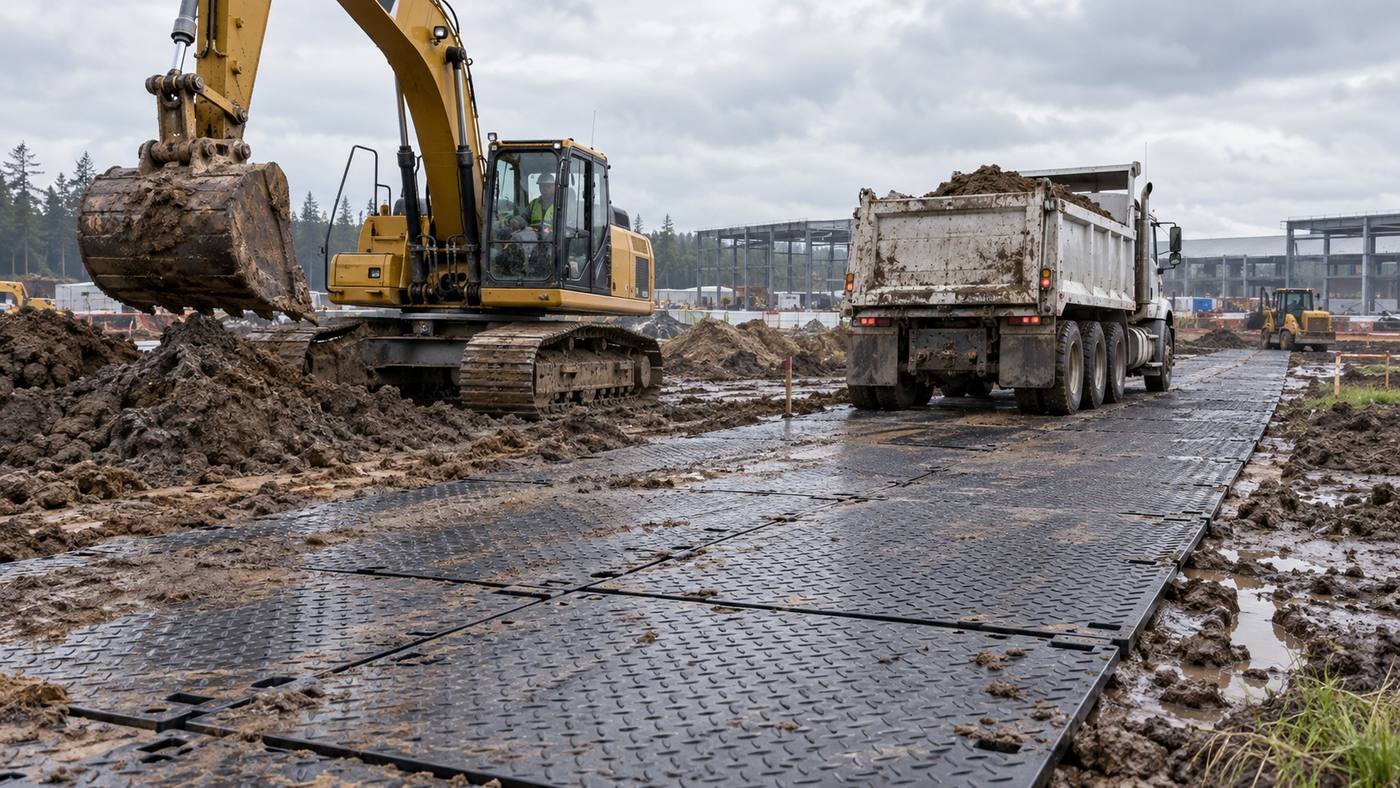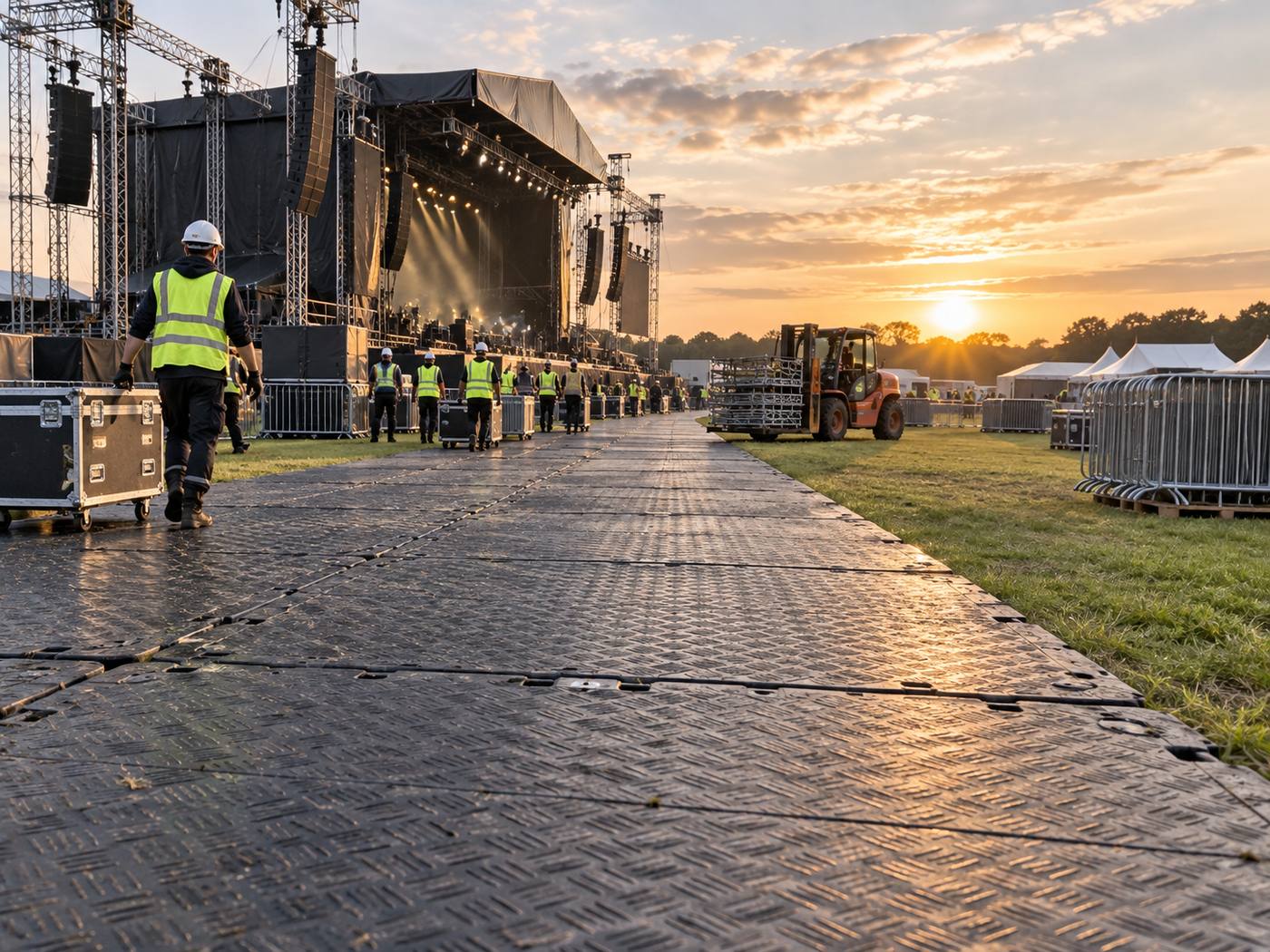
The selection of a leg cushion for the photovoltaic retrofit should be based on the most unfavourable rather than the average. The issue of the construction area for light-volt stands, components, cables and reverse equipment is concerned that the “how to select a leg cushion for the retrofitting unit” may be affected by heavy vehicle cycle, rainfall and run-off, and that temporary changes in the construction route will increase traffic as vehicles enter the unprotected area. It would be clearer for on-site execution to first determine the conditions for allowing deposition, decommissioning and those responsible, and then select product specifications.
The technical communication shall first confirm the weight of the construction vehicle, the size of the tripod, the frequency of the component transport, the direction of the drainage, the thickness of the topsoil, the location of the underground cable and the design of which of the conditions to control the recovery requirements. It is proposed that the minimum effective area of the leg pads be accounted for on the basis of maximum reversibility and durability, and that the supplier be required to specify the materials for the pavement or leg pads, the grade of the finished product, the method of testing, the basis of application and the conditions of limitation. Reference data such as nominal 50 to 200 tonnes cannot be directly compared horizontally without the same test basis. The information review should also confirm the operational equipment stop-over time, the location of the feeder and the area of separation of personnel, and include missing information as items to be confirmed in the quotation and construction programme.
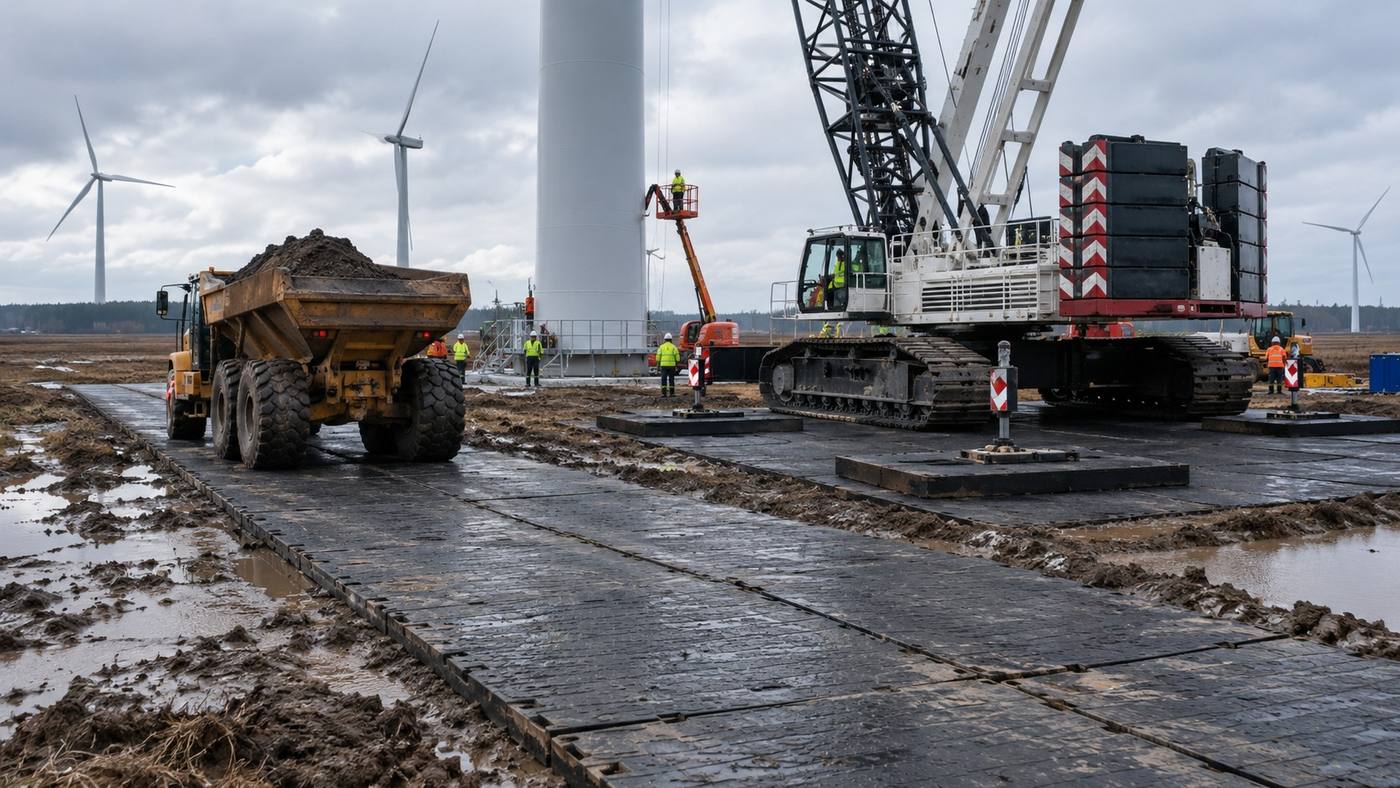
Figure: Construction area for light-volt stands, components, cables and reverse equipment, with a focus on “How to select a leg pad for a photovolt-resilient retrofit” (the material for creating a plastic network)
The installation should leave a photo, location and measurement record. First, ground-level levelling, drainage and underground facilities are identified, and the complete contact, connection, edge and transition of the pavement is checked, or the size, location and centering of the leg pads are checked. The light-voltage area, which is usually large and revolving, must first protect drainage and topsoil and then move pavements in accordance with the construction phase. Areas not eligible for acceptance should not be replaced by speed-limit signs alone. Test-painting records for “how to select a leg pad for a light-volatilizer hanger” should indicate the starting and ending position, vehicle condition and release conclusion to facilitate review following a change in construction conditions.
It is recommended that the pavements and the mats be included in the asset desk account, numbering the relevant specifications, batches, pavements and hours of use. The scope of the inspection included subboard pump mud, surface pressure, drainage congestion, loose connection, underground cable marking, contamination and revegetation. The removed components are to be cleaned, dried, flattened and placed in subdivisions that are qualified, subject to assessment, to repair and to end-of-life status, to prevent the re-entry of unqualified products. With regard to the selection of leg pads around the “photo-volatile retrofitting”, the inspection forms need to list, on a separate basis, temporary changes in the construction route, changes in the vehicle's access to the unprotected area, as well as a reference to the inspector and the time of return.
The receiving and inspection information shall be maintained in the form of maps, product numbers, photographs of entry and exit sites, initial ground conditions, abnormal worksheets and demolition records. In the event of a ground or equipment dispute, the information can distinguish between the original soft spot, changes in use and damage to the evacuation site, and can also quantify the impact of temporary changes in the construction route on the cost of the project of moving vehicles into unprotected areas. The disc should also answer whether the “how to select a leg pad for a photovoltaic retroverter's suspension” has been demonstrated to improve by accounting for the minimum effective area of the leg pad on the basis of maximum retroactivity and endurance, avoiding a subjective description of the closing item.
Road-painting and foot mats can only function in the approved construction system and cannot be a substitute for unsatisfactory foundations, damaged equipment or irregularities. Any unknown underground facility, unstable edges, legwork beyond the equipment manual or failure to isolate persons should be suspended and upgraded.
Need for further evaluation of the actual project?
Applications, sizes, quantities, site photographs or drawings and delivery destinations are sent, on which we can identify more suitable products and processing programmes.