Energy projects often place transport, parking and cranes in adjacent areas, so how night-time power recovery routes are set up requires a clear design boundary for each category. In the event of a storm, typhoon or flood, there is an emergency recovery site for electrical circuits, which focuses on how “night-time power recovery corridors set the boundary” and, if only quoted in terms of the total area, can easily be bypassed by the turn of the loop, foot landing points and recovery routes. Stilling, brakeing and turning will significantly increase the local pressure and will also invalidate the already sufficient direct segment at peak.
The focus of the topic is not on the choice of the thickest or the most heavy products, but on the establishment of a match. Coverage, connection and back-up quantities are determined by setting speed limits, prohibiting in-situ wheeling and arranging for the exclusive command of heavy vehicles, depending on the route, water depth, soft-point range, recovery model, arrival sequence, emergency time frame, public isolation and standby identification controls. In the case of products requiring cross-project turnaround, the numbering, loss rate, cleaning time and volume of transport should also be included in the total cost. The information review should also place fixed observation points on the side of the shoulder, slope and turnover of the “night power outlet” and include missing information as an item to be confirmed for quotations and construction programmes.
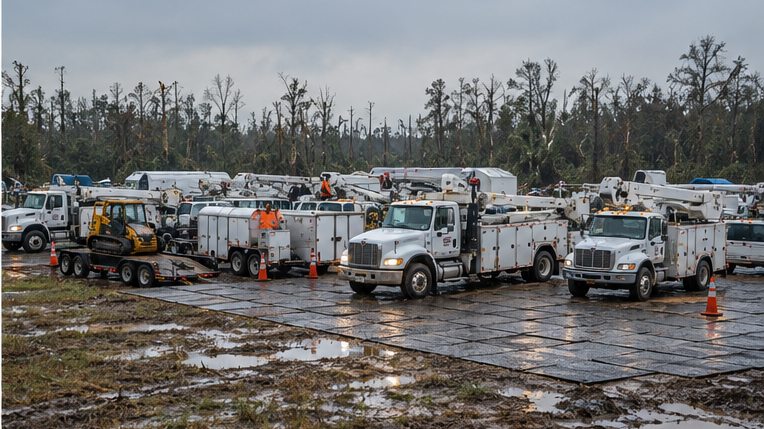
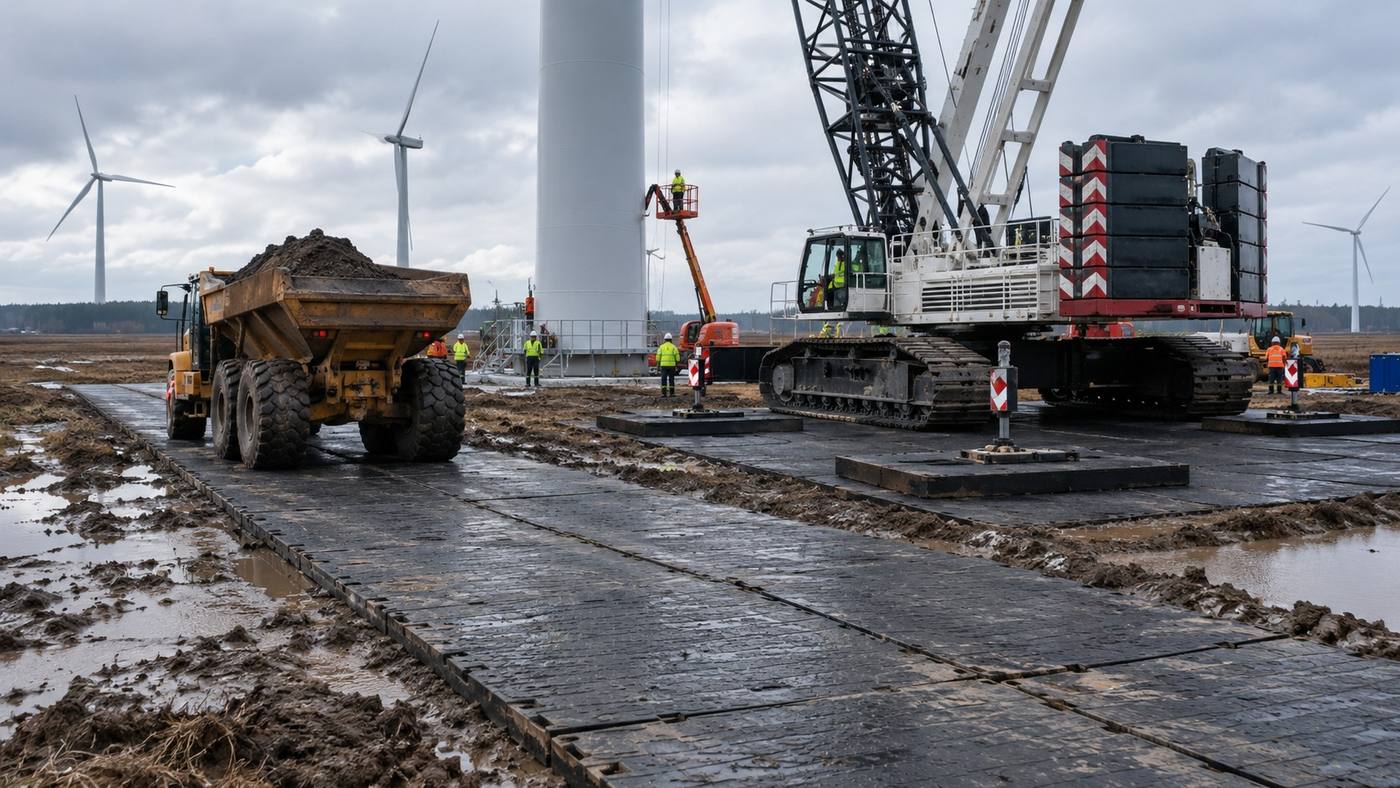
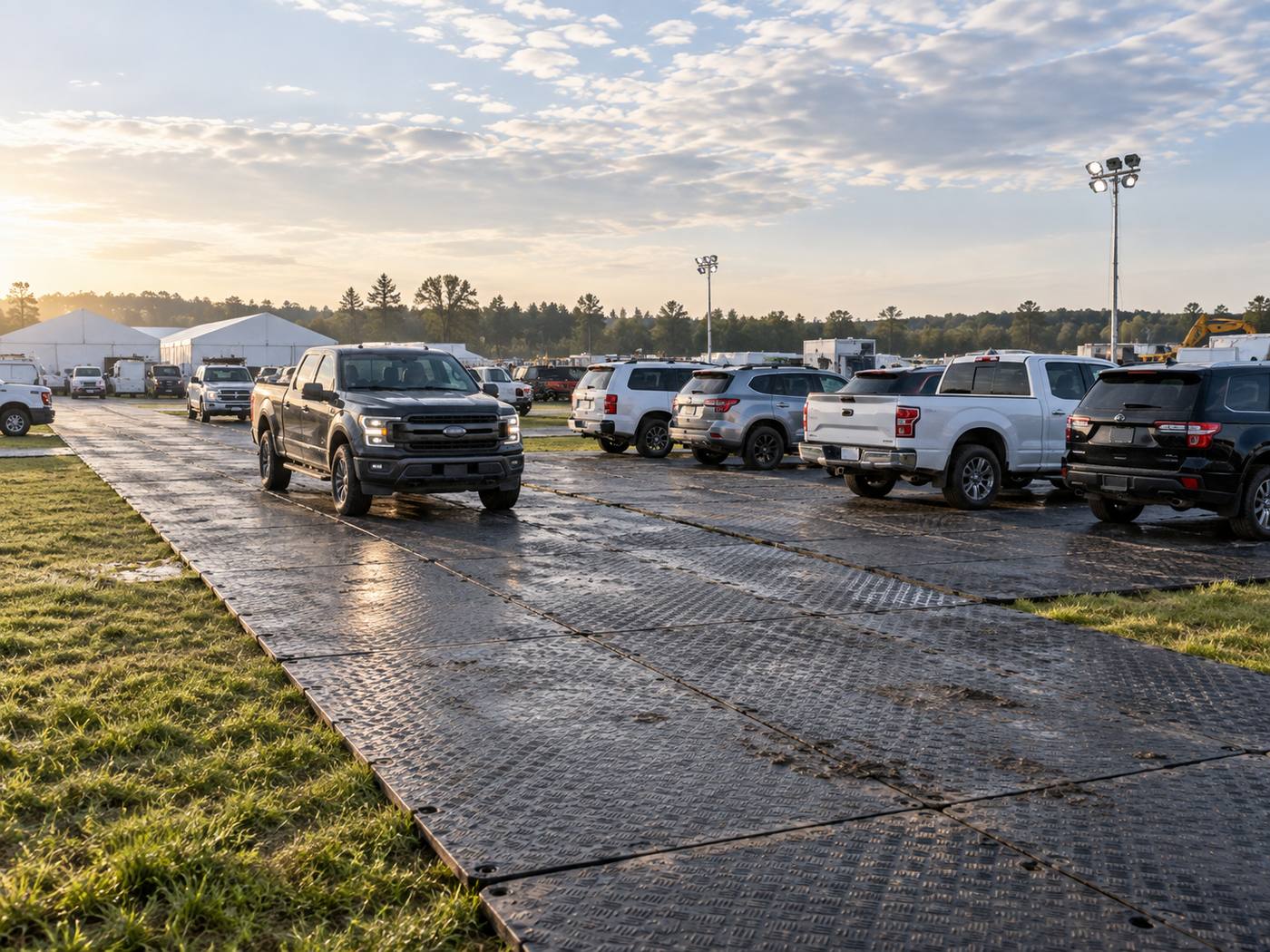
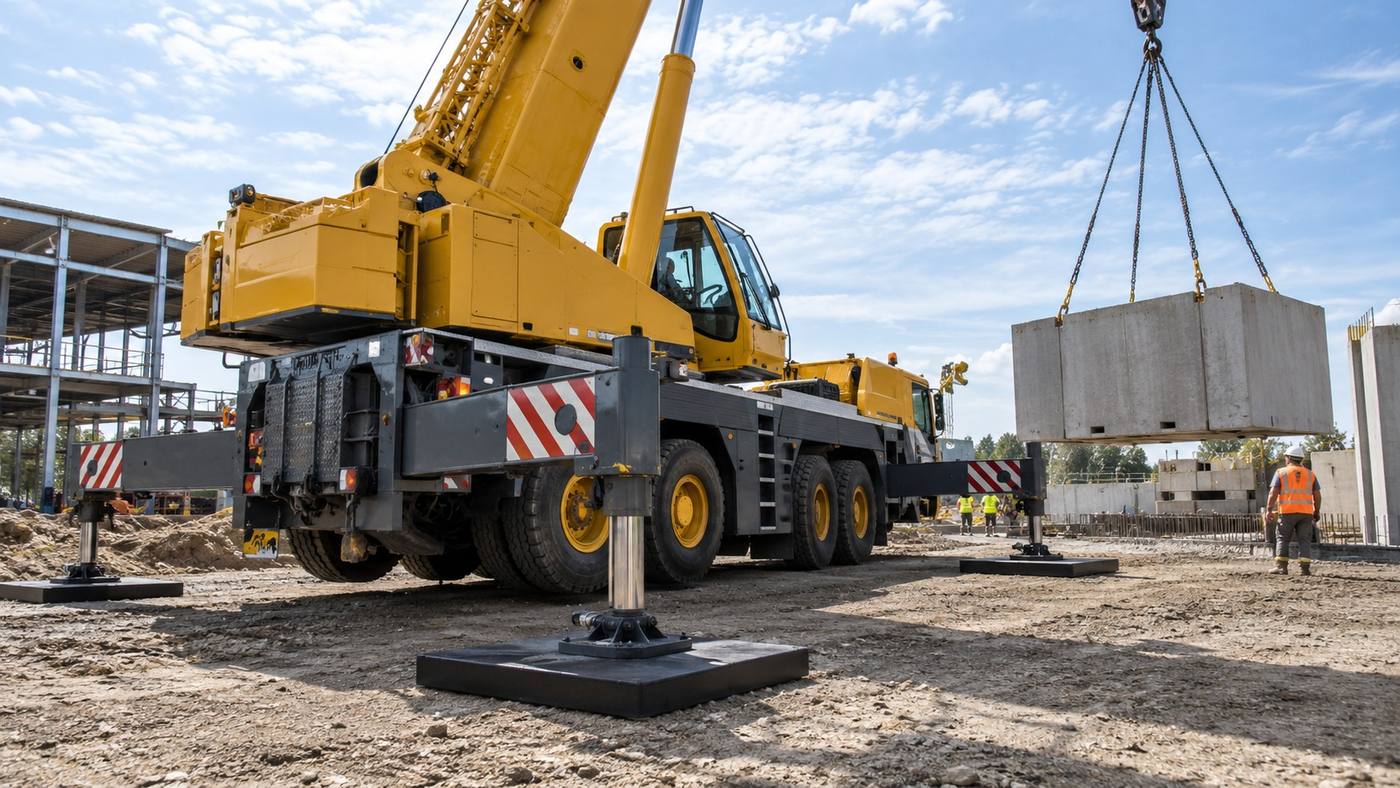
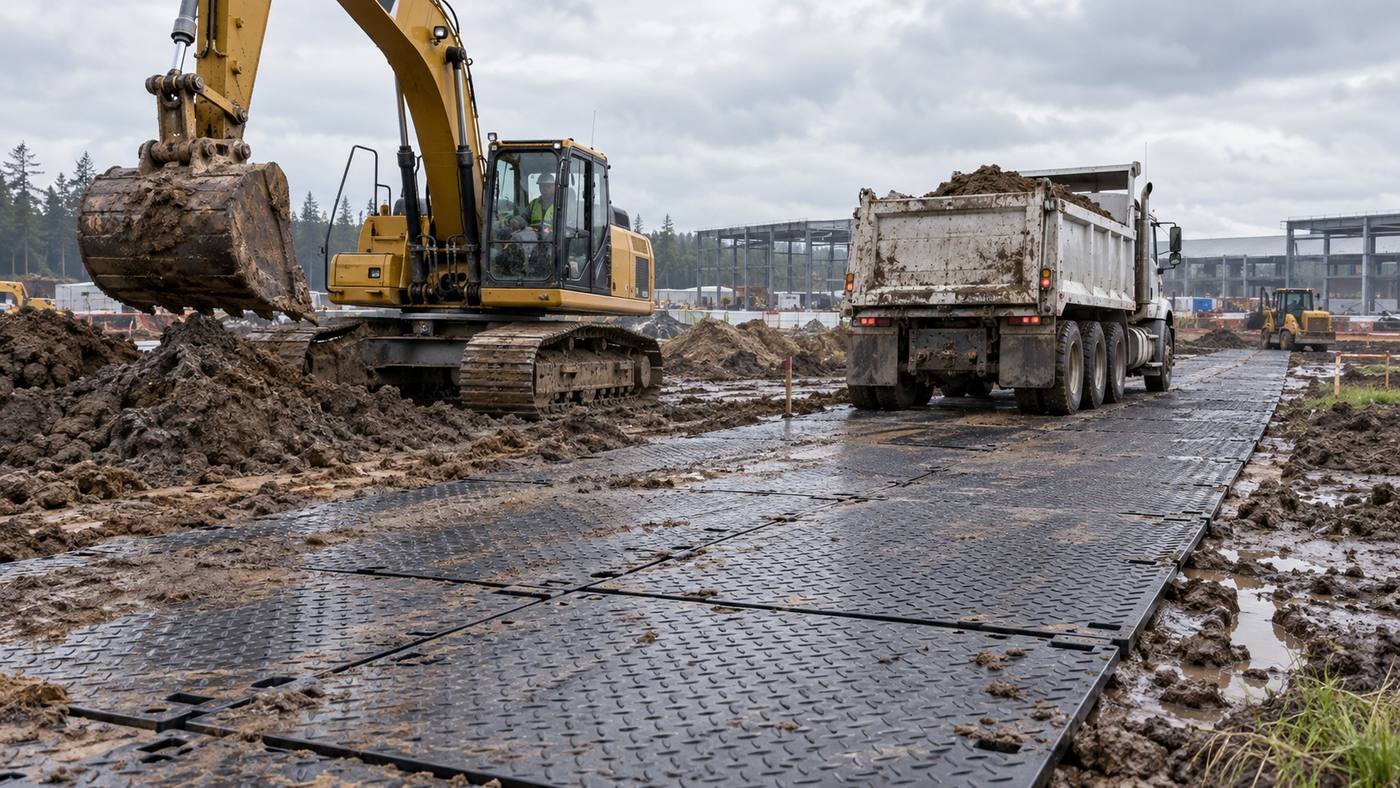
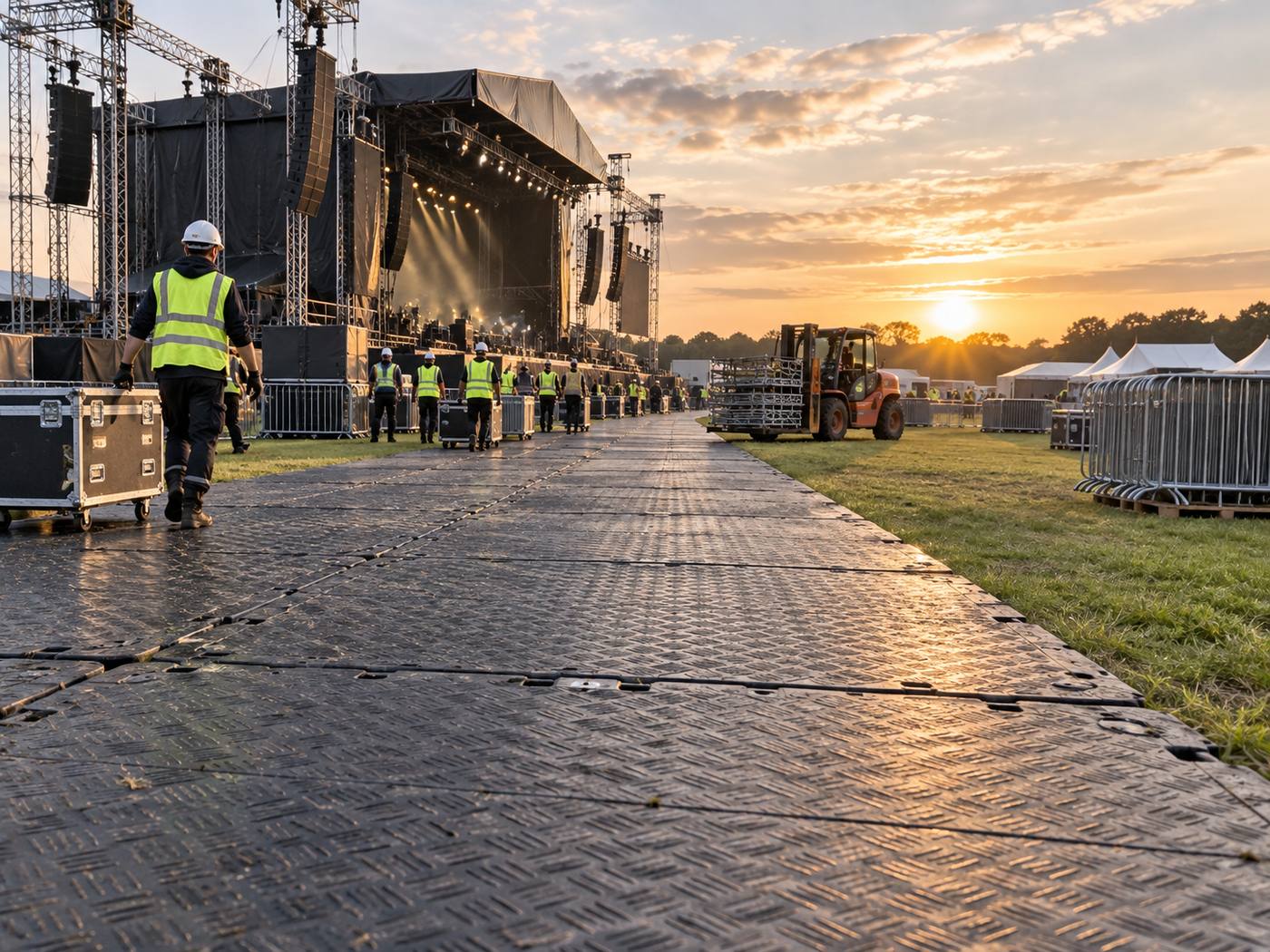
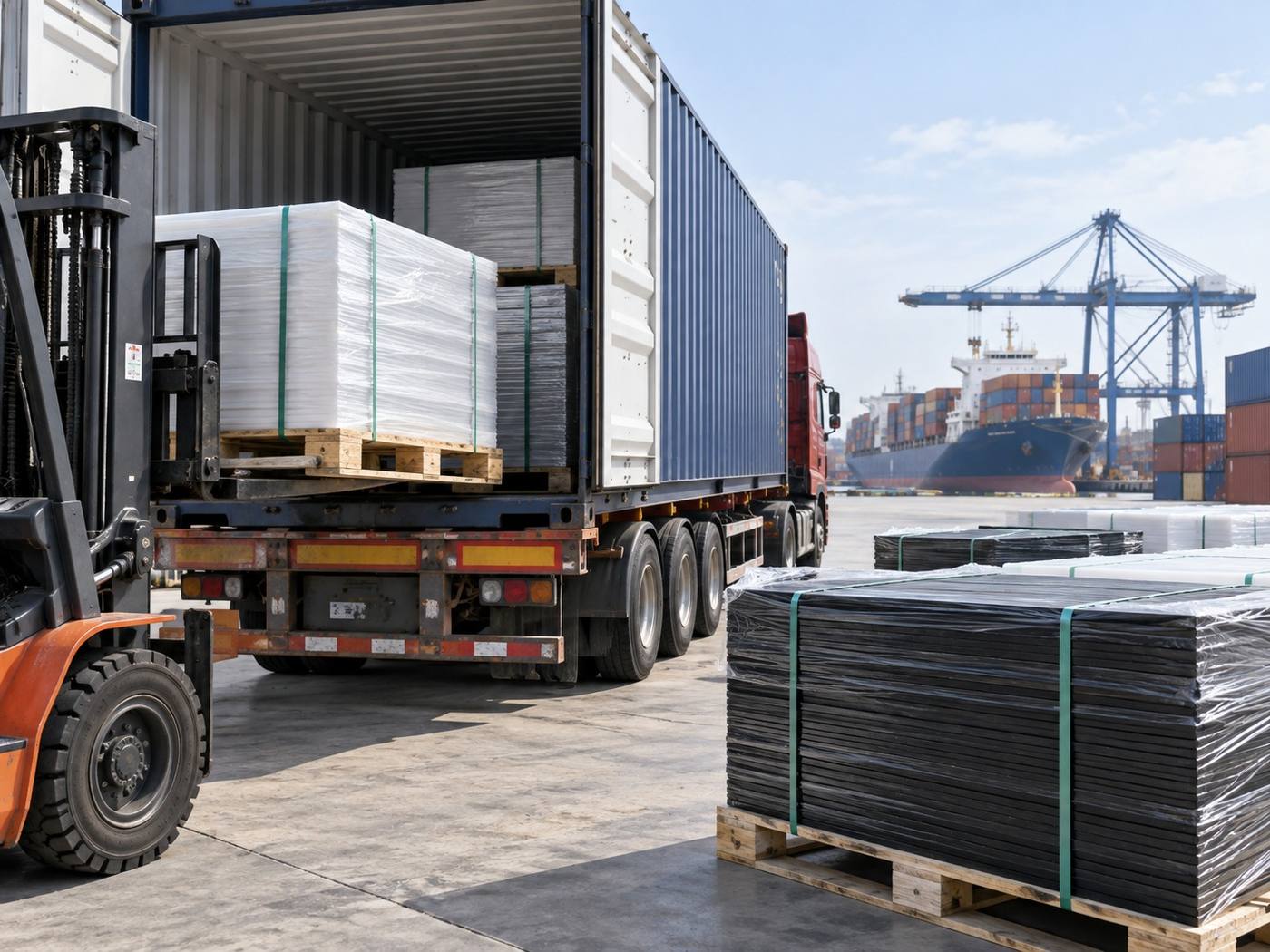
Figure: Emergency recovery site for electrical circuits following heavy rains, typhoons or floods, with a focus on “How night-time power access sets the border”
The installation should leave a photo, location and measurement record. First, ground-level levelling, drainage and underground facilities are identified, and the complete contact, connection, edge and transition of the pavement is checked, or the size, location and centering of the leg pads are checked. The speed of repairs cannot be a substitute for ground-based and traffic safety judgements, and the most critical rescue and equipment routes should be restored before heavy vehicles are opened on a segment basis. Areas not eligible for acceptance should not be replaced by speed-limit signs alone. The test-pail record of the “how to set the boundary at night's power outlet” should identify the starting point, the vehicle's condition and the release conclusion, to facilitate review as construction conditions change.
The inspection cycle can be shortened at an early stage of use and then stabilized before adjusting to vehicle cycles and weather. The maintenance staff focused on water accumulation, pumping mud, edges, vehicle congestion, leg deposition, lighting, public isolation and connections, and observed whether the drivers complied with speed limits and turnover requirements. Any unconfirmed sub-board support, edge instability or foot contact should first be disabled. The inspection form, which revolves around “how to set the boundary of the night power outlet”, contains a separate column of changes in static, brakes and turnovers that significantly increase the local pressure, and indicates the time taken by the inspector and his/her return.
A reset is to distinguish between product problems and changes in condition. The original programme may no longer be appropriate if the vehicle is heavy, routed, rainfall increases or cover periods are extended. These changes are recorded in conjunction with the implementation results of the speed limit, the prohibition of in situ rounding and the placement of a person in command for heavy vehicles, and it is only next to know whether the thickness, width, quantity or construction organization should be adjusted. It should also answer whether the “how to set the boundary of night power recovery corridors” has been certified for improvement by setting speed limits, prohibiting in situ wheeling and arranging for exclusive command of heavy vehicles, so as to avoid a subjective description of the end of the item.
Road-painting and foot mats can only function in the approved construction system and cannot be a substitute for unsatisfactory foundations, damaged equipment or irregularities. Any unknown underground facility, unstable edges, legwork beyond the equipment manual or failure to isolate persons should be suspended and upgraded.
Need for further evaluation of the actual project?
Applications, sizes, quantities, site photographs or drawings and delivery destinations are sent, on which we can identify more suitable products and processing programmes.