Energy projects often place transport, parking and cranes in adjacent areas, so the maintenance of PV channels requires long-term retention of the design boundaries of each category. For the construction area of the light-volt stand, components, cables and reversible equipment, the subject is concerned with “Do you need to keep the PV station maintenance corridor for a long period of time” and, if quoted only in the total area, it is easy to miss the turn around, the foot drop and the recovery route. Stilling, brakeing and turning will significantly increase the local pressure and will also invalidate the already sufficient direct segment at peak.
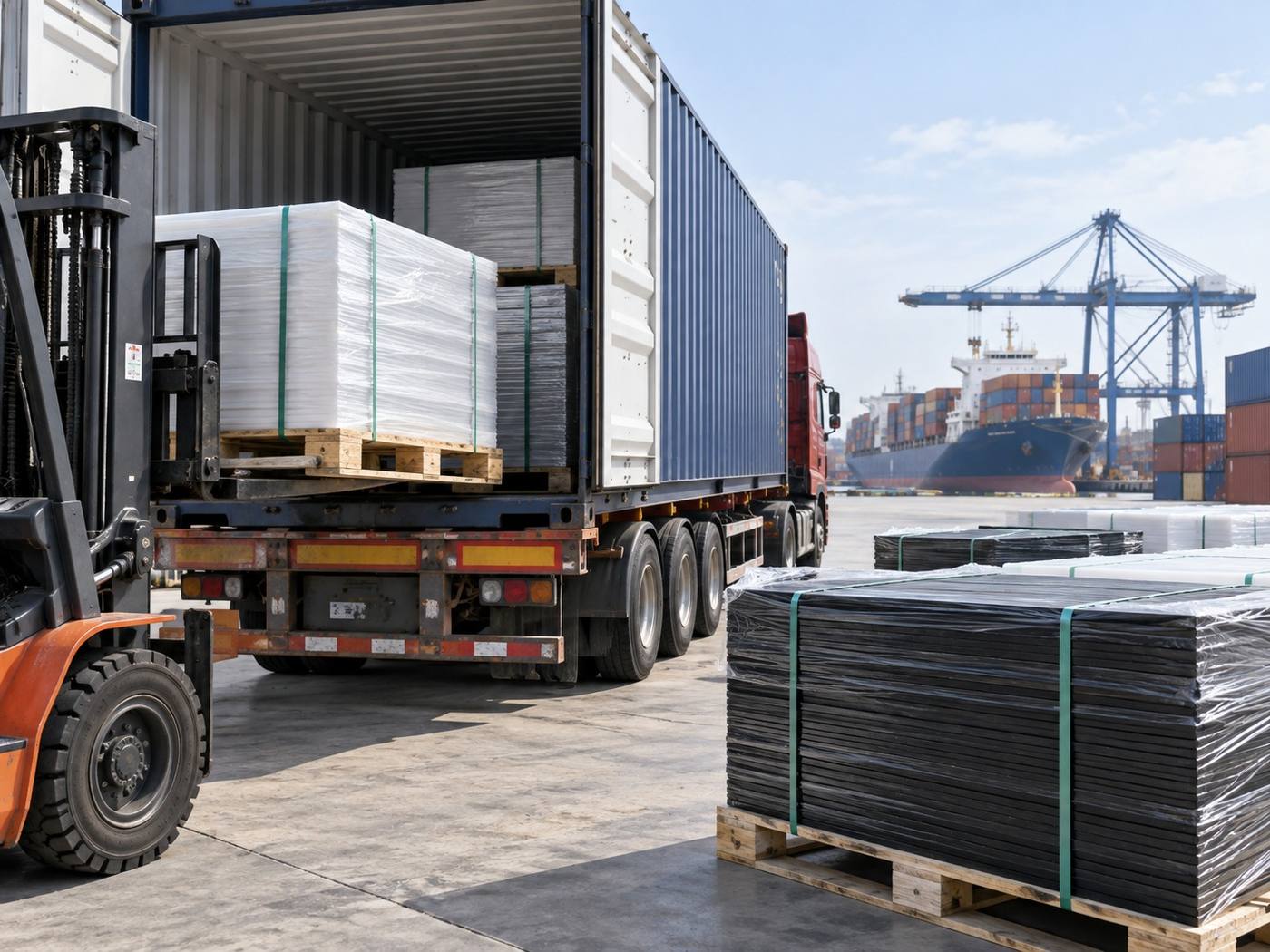
The procurement staff shall submit the site maps, vehicle schedules and construction vehicle weights, the size of the tripod, the frequency of the component transport, the drainage course, the thickness of the topsoil, the location of underground cables and the restoration request along with the request for quotations, and shall indicate the location where static, brake and turn-over will significantly increase the potential for local pressure. The programme can be configured on the basis of the description of the work, the basis for the test and the limitations in the request and acceptance documents. For the whole container procurement, the quantity of the container, the pallet or bundle, the offloading equipment, the destination port and the conditions of storage at the site should also be confirmed in advance. For the “requirement of long-term retention of the PV maintenance corridor”, the information review also applied to a representative vehicle test thickness, connection and match state at the grass-roots level, and included missing information as an item to be confirmed for quotations and construction programmes.
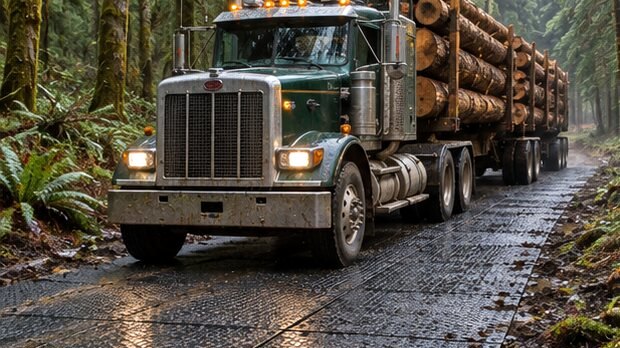
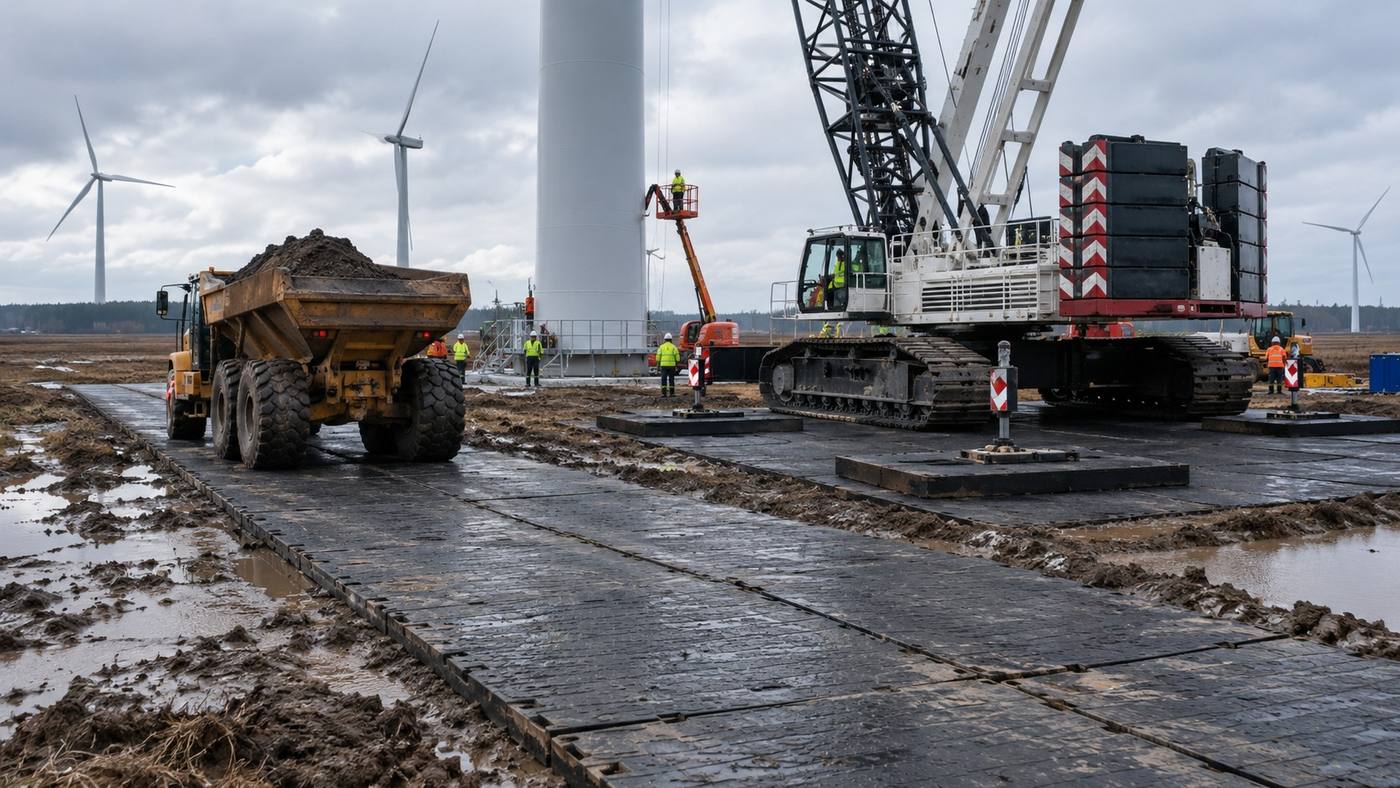
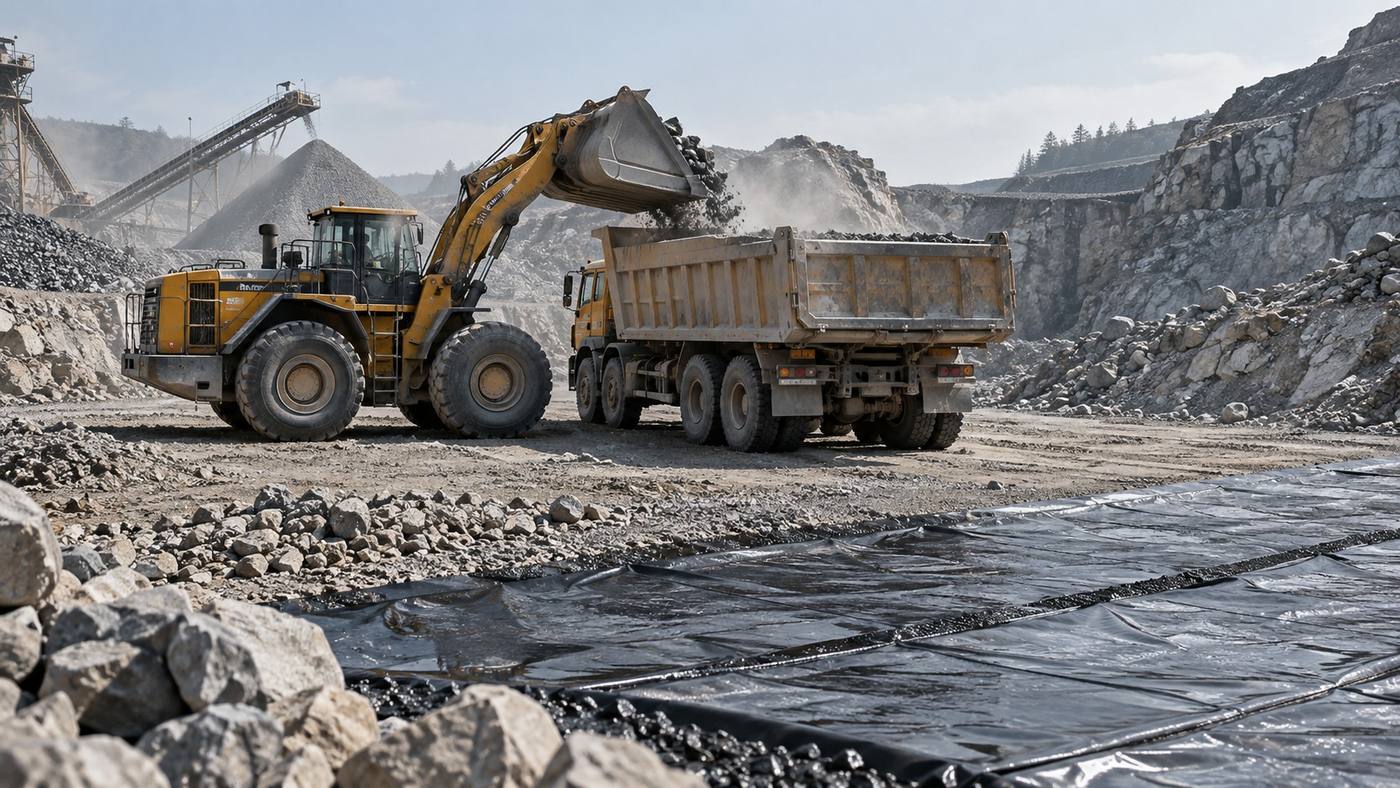
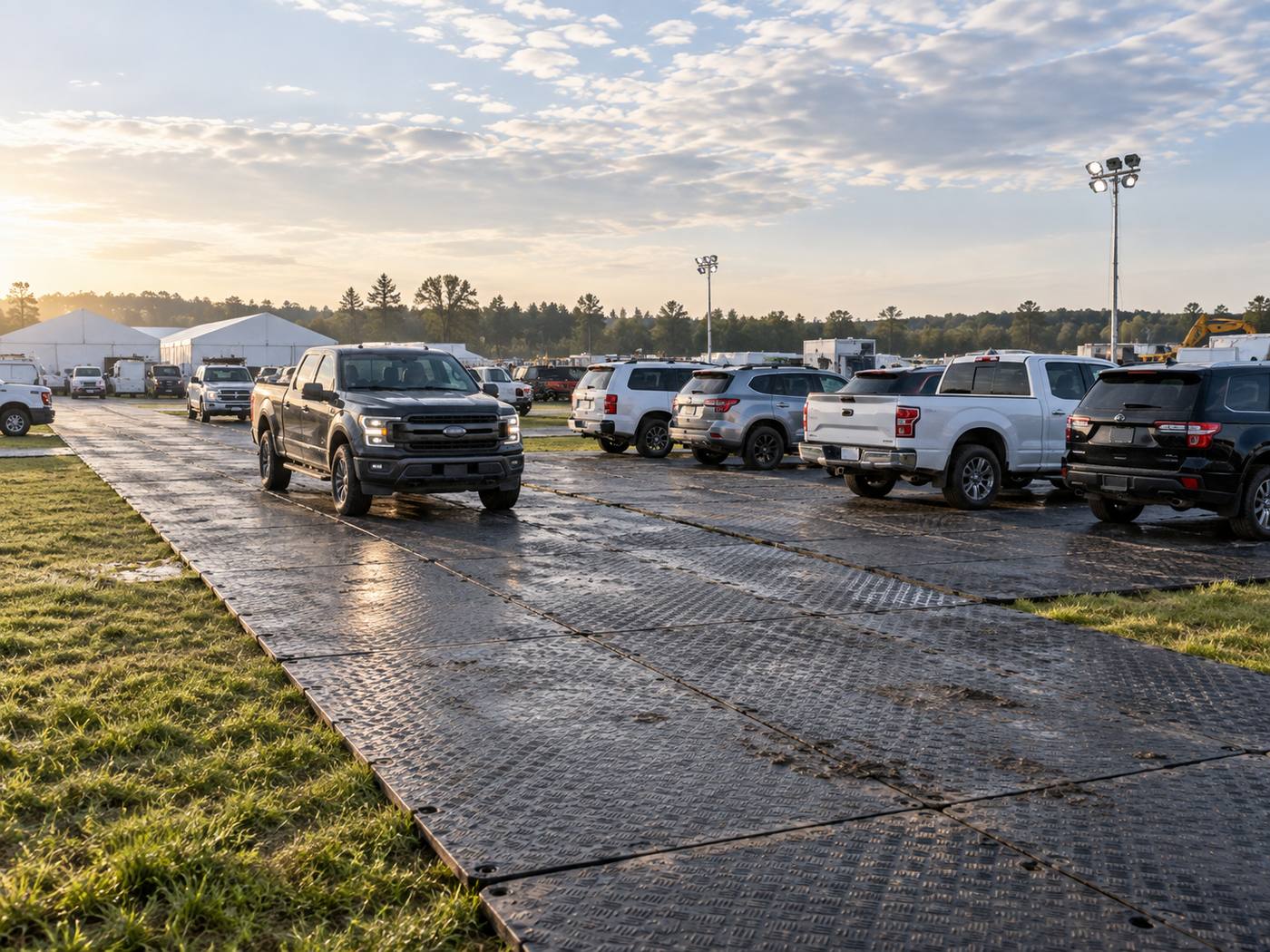
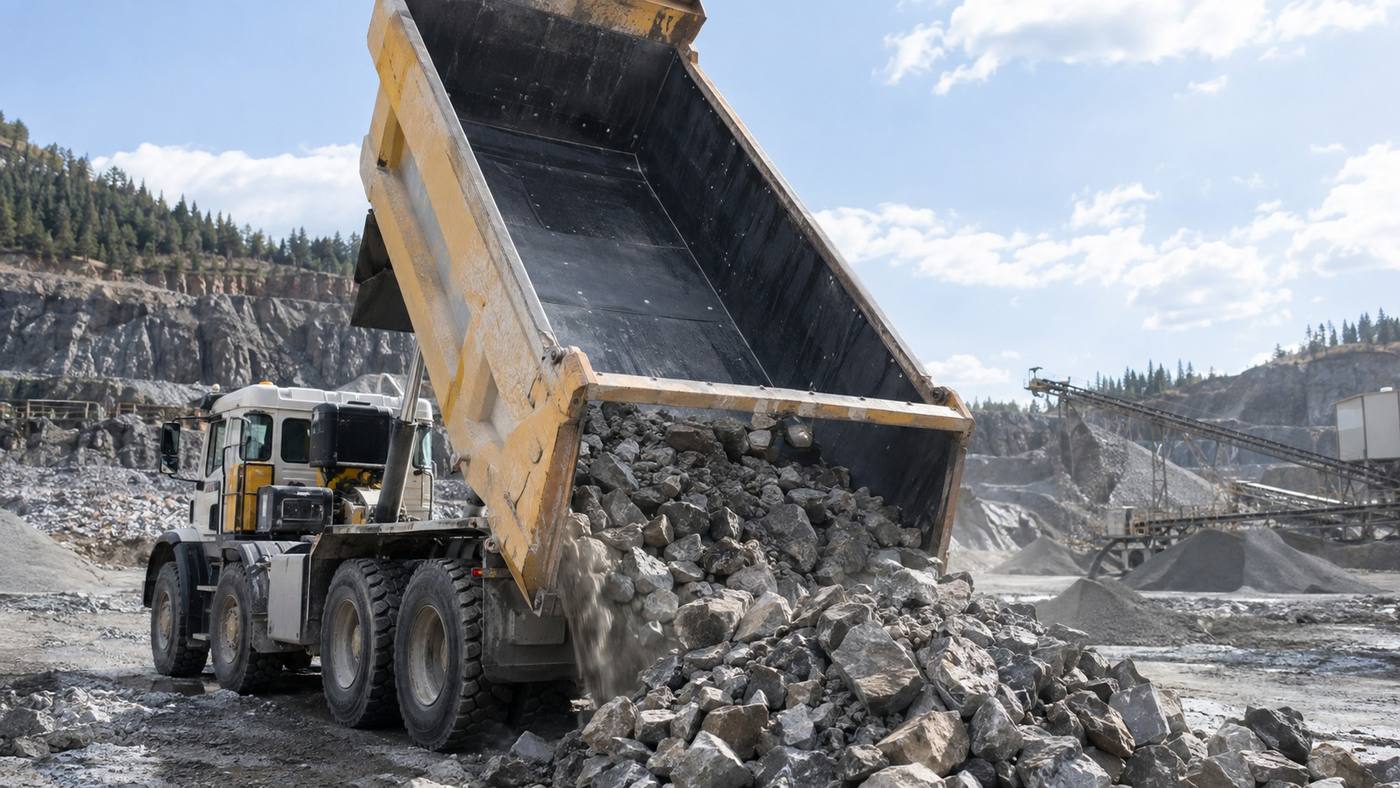
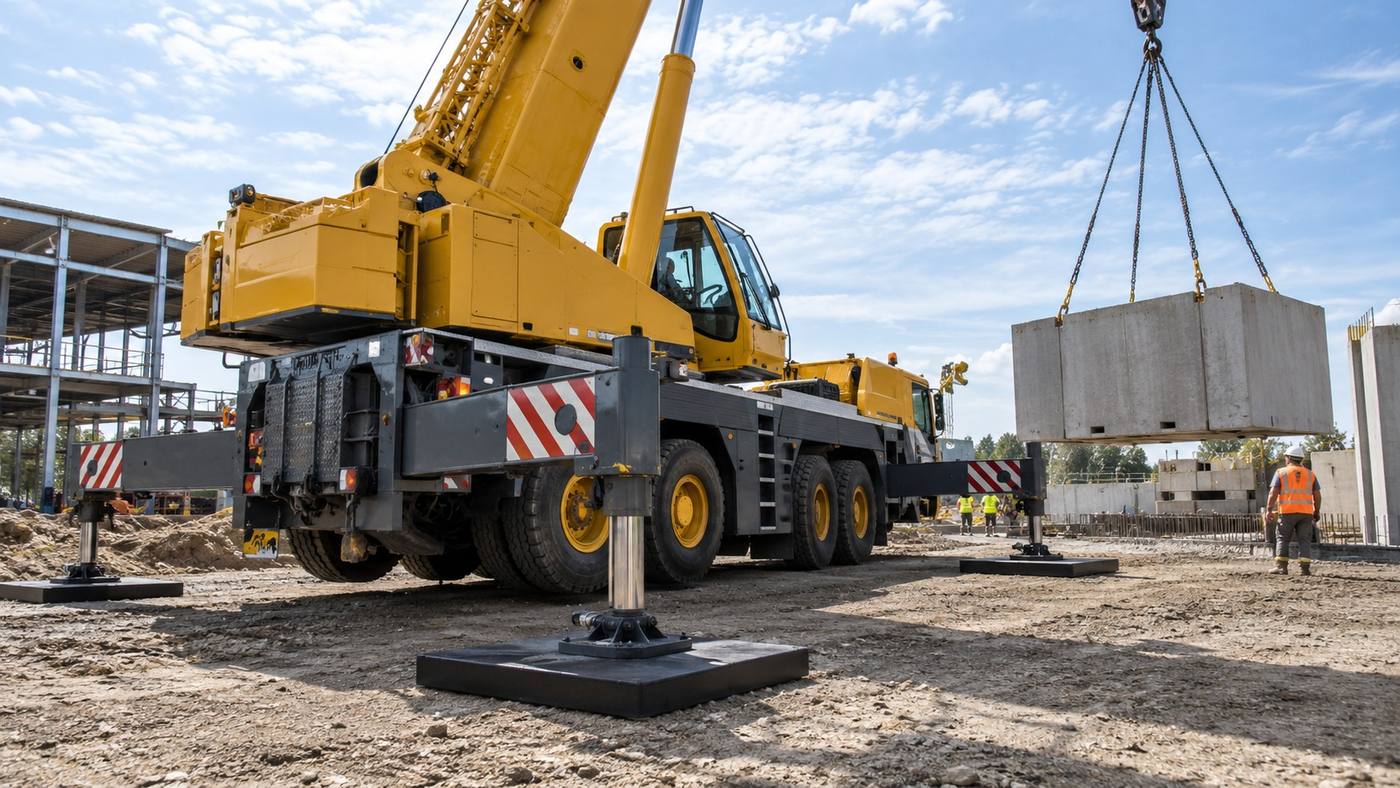
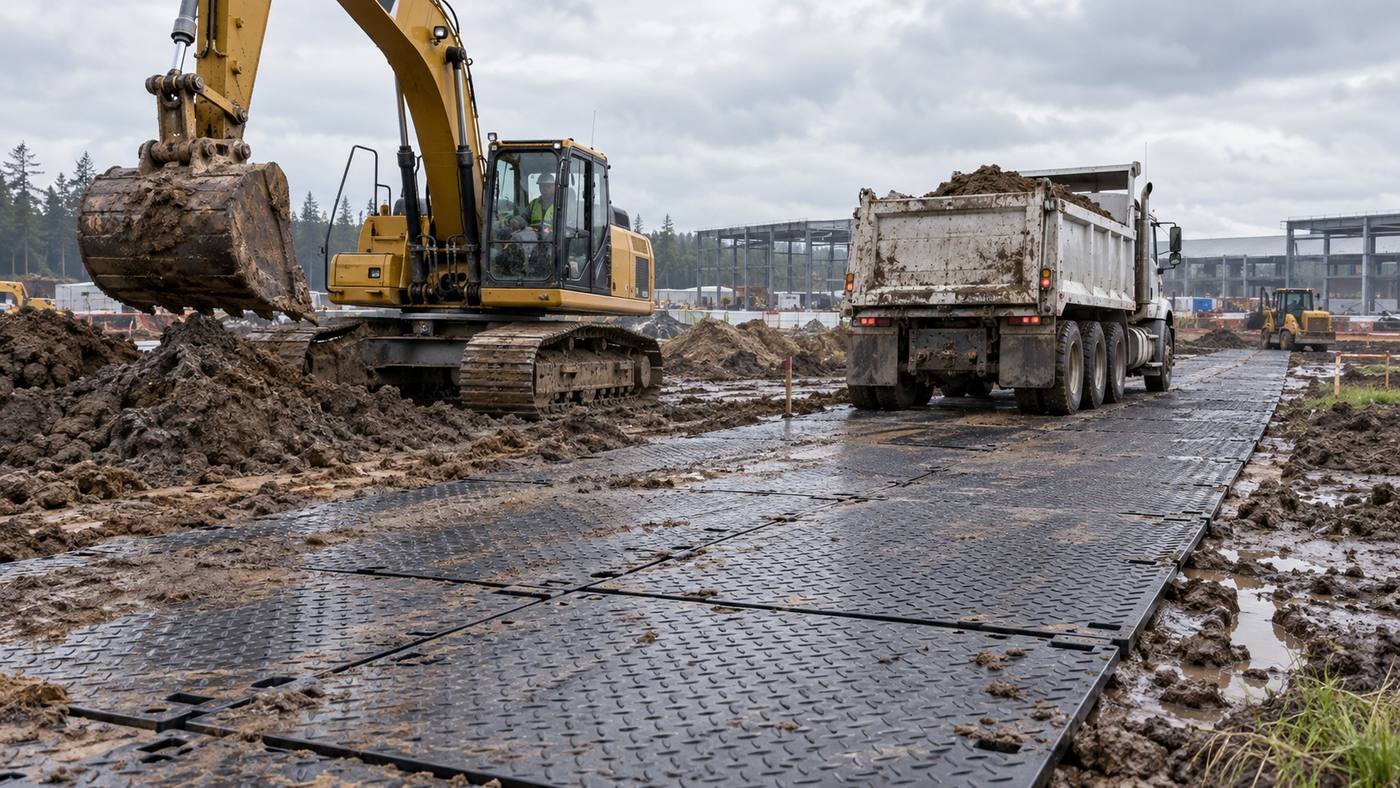
Figure: The construction area for light volts, components, cables and reversible equipment, with a focus on “Do you need to keep the PV station maintenance access for long time” (Performance material for the Genesis Network)
A smooth transition should be put in place at the different ground crossings to avoid the sudden impact of vehicles on temporary circuits from hard roads. The internal and external wheels and brake positions of the most heavy vehicles will also be reviewed upon completion of the laying of the condition, test basis and restrictions contained in the request and acceptance documents. The light-voltage area, which is usually large and revolving, must first protect drainage and topsoil and then move pavements in accordance with the construction phase. Physical segregation and clear rules for release are required in the vicinity of public areas. “Do you need to keep the PV maintenance channel for a long period of time” test-painting records should indicate the starting and ending position, vehicle condition and release conclusions to facilitate review as construction conditions change?
The inspection cycle can be shortened at an early stage of use and then stabilized before adjusting to vehicle cycles and weather. The maintenance staff focused on sub-board pumping mud, surface pressure, drainage congestion, loose connection, underground cable marking, contamination and revegetation, as well as on the driver ' s compliance with speed limits and shift requirements. Any unconfirmed sub-board support, edge instability or foot contact should first be disabled. In the case of the maintenance of the channel around the PV station, is there a need for long-term retention, and the patrol forms are to list separately changes in static, brake and turn that significantly increase the local pressure, and to indicate the time taken by the inspector and his/her return.
For energy projects that continue to be built or duplicated, a baseline may be established for each square metre of construction hours, vehicle cycle, cleaning time, damage rate and restoration costs. This would make it easier to identify whether the next offer and inventory planning, which is no longer based solely on experience, is repeated in a given season due to the apparent increase in static, brake and turnover pressure. This retrodiscussion should also answer whether the “requirement of long-term retention of the PV maintenance channel” has been verified as an improvement through the identification of the condition, test basis and conditions in the request and acceptance documents, avoiding a subjective description of the closing item.
Progress pressure cannot reduce the security floor. When static, brakeing and turnovers significantly increase local pressure, they should first isolate and identify the reasons before deciding on the repair, diversion or replacement of the product. Any measures should avoid introducing new risks of slide, overloading, tripping, electric area intrusion or human-car conflict.
Need for further evaluation of the actual project?
Applications, sizes, quantities, site photographs or drawings and delivery destinations are sent, on which we can identify more suitable products and processing programmes.