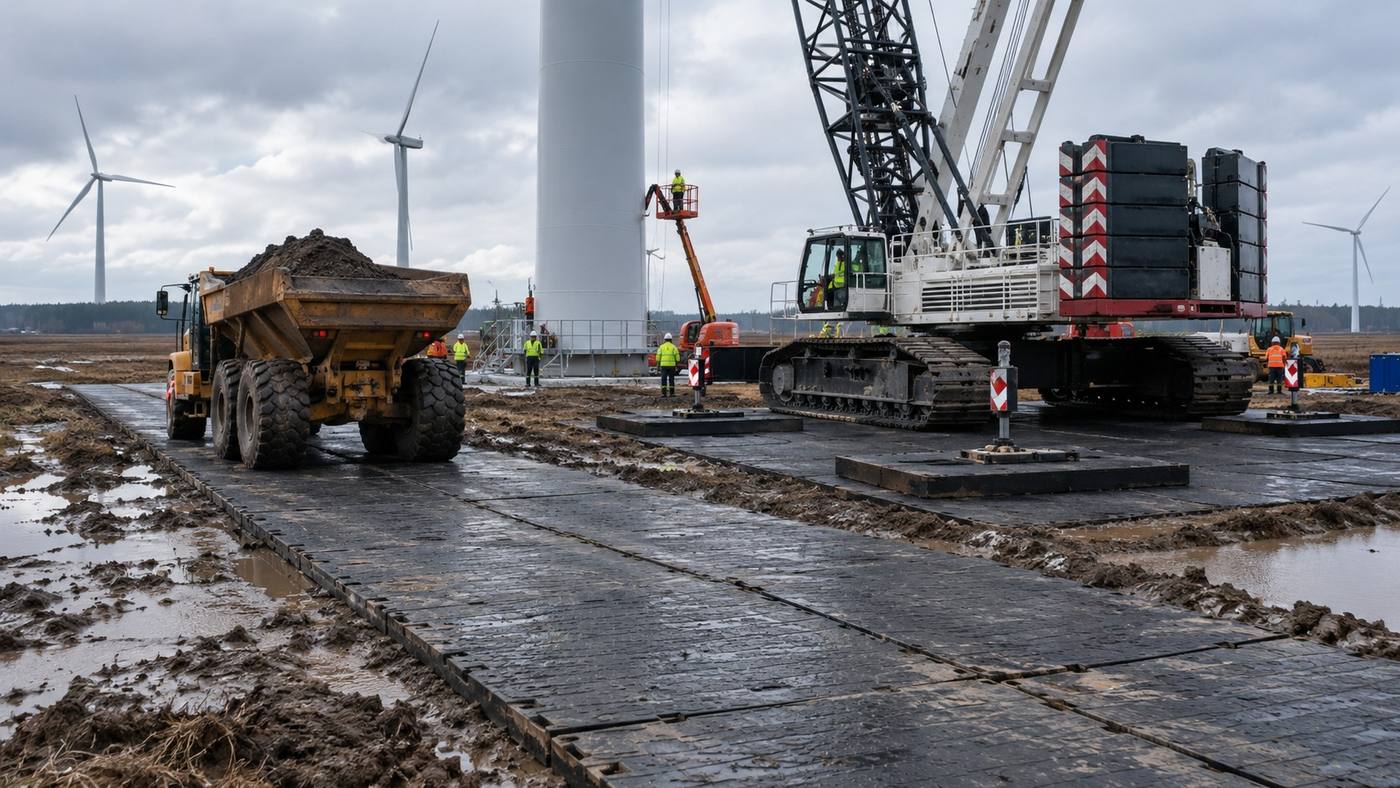
Energy projects often place transport, parking and cranes in adjacent areas, so how the main and auxiliary working surfaces of the wind and electricity fields are located requires a clear design boundary for each category. Wind blades, pylons, cabin transport and winder hanger sites are the subject of a focus on “how to set the main and auxiliary working surfaces of a wind electric field” which, if quoted in terms of the total area, can easily be left out of the curves, legs landing points and recovery routes. Different test conditions, but a direct comparison of the nominal tonnage results in miscalculation, which also invalidates the otherwise sufficient direct line segment at peak.
The technical communication shall first identify the profile of the van, the axle charge, the minimum turn radius, the road slope, the maximum reversibility of the leg of the main hanging, the earth's durability and which of the weather windows are designed for control. It is proposed to set speed limits, prohibit in-situ wheeling and arrange for exclusive command for heavy vehicles, and to require suppliers to specify the materials for the pavement or stubble, the finished goods, the methods of testing, the basis of application and the conditions of limitation. Reference data such as nominal 50 to 200 tonnes cannot be directly compared horizontally without the same test basis. The information review should also calculate the area covered by the windshield main and auxiliary operation, respectively, by the line, the bend, the meeting and the reverse area, and include the missing information as an item for confirmation of the quotation and the construction programme.
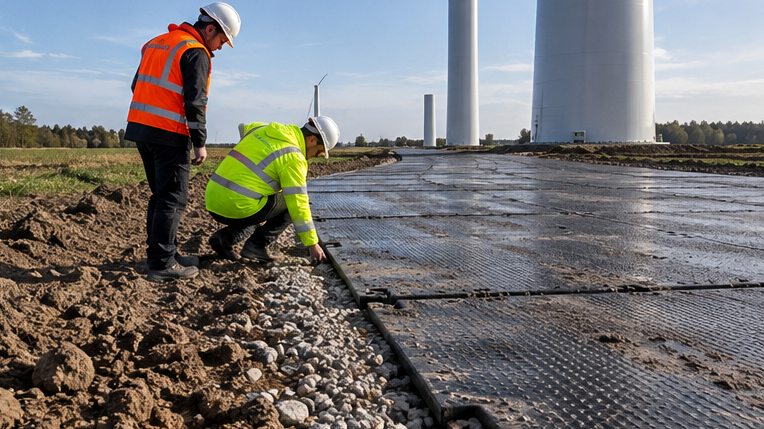
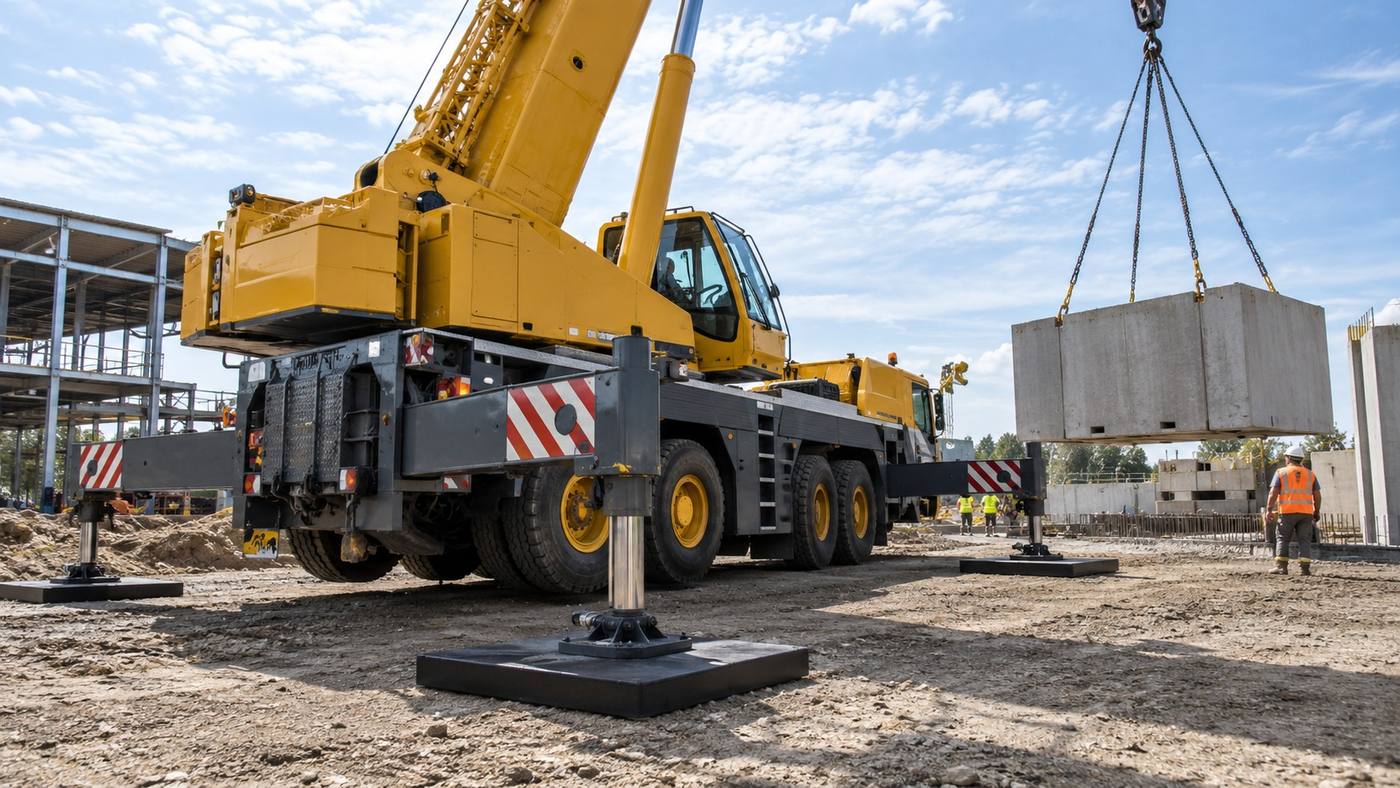
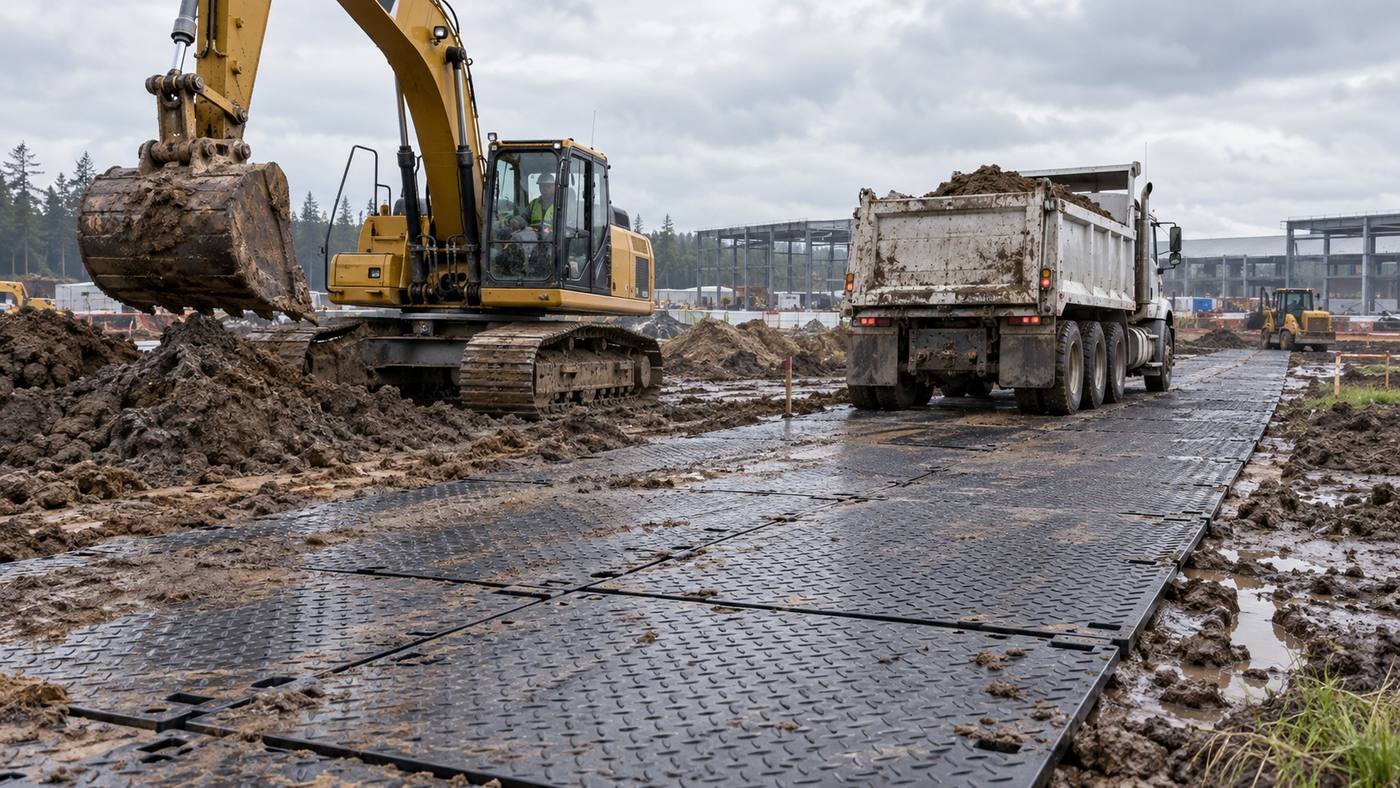
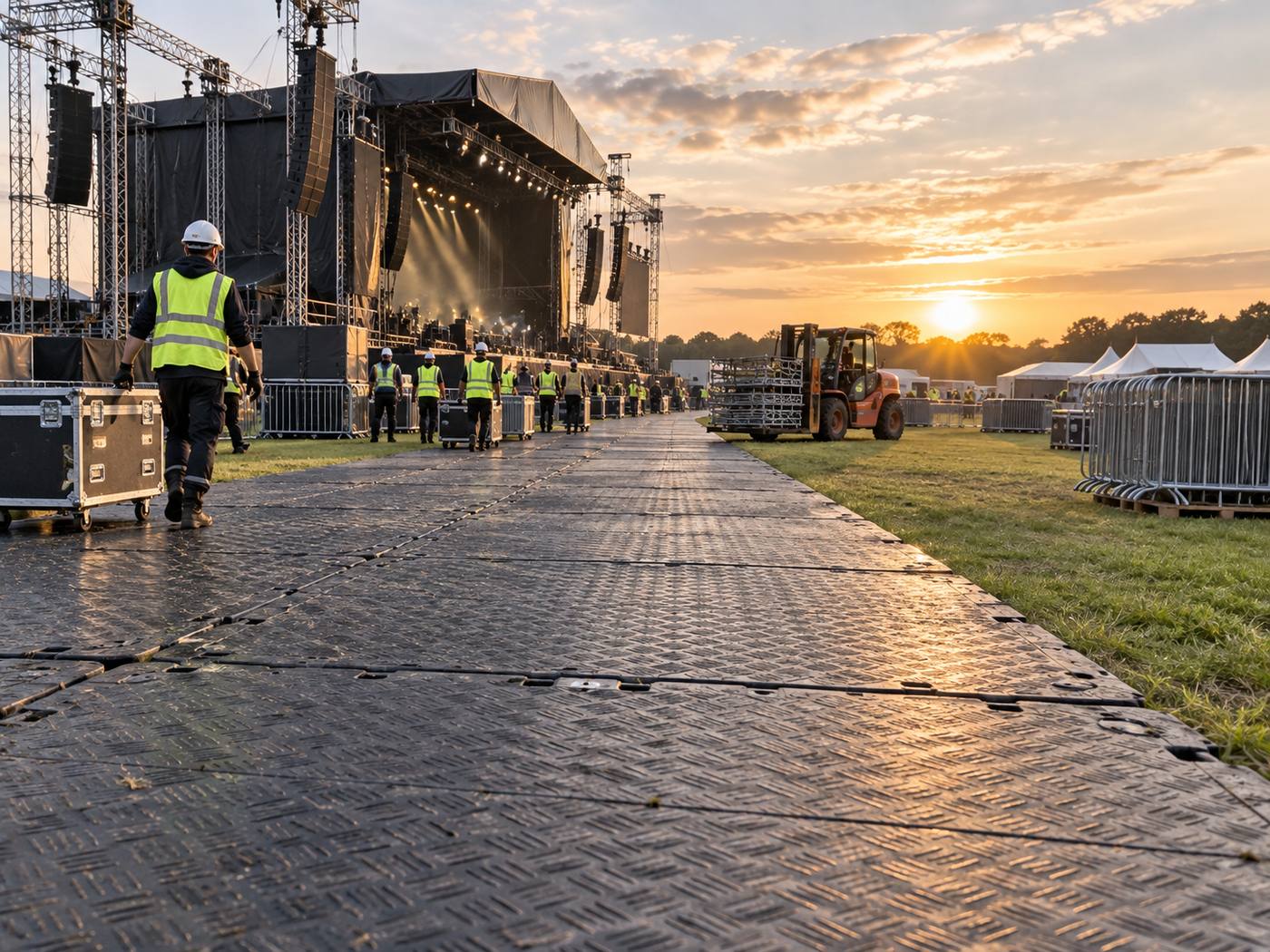
Figure: Wind blades, tubers, cabin transport and wind hanger sites, with a focus on “how to set the main and auxiliary working surfaces of the wind field”
The site installation should be located with an approved drawing number, and the level, seam, edge and drainage should be inspected at each stage of completion. Wind and electricity transport and suspension must control the continuity of the road and the carrying of the feeder, respectively, and any nominal tonnage must be returned to the ground and equipment condition. The test operation can first be carried out using a low-risk vehicle with a slow-speed straight-line and then gradually verify the turnover, parking and full-loading; it should be discontinued as soon as it is discovered that it continues to sink under the plate, pump mud or branch position. The trial preparation record of the “how to set the main and auxiliary working surfaces of the wind and power fields” should indicate the starting and ending position, vehicle condition and release conclusions to facilitate review as the construction conditions change.
Special inspections should be added after extreme weather, equipment anomalies or route adjustments. The use of position markings and fixed view photographs for internal and external wheels, faulty plates, road shoulder deformations, leg deposition, horizontality, connectors and water accumulations to facilitate comparison of sedimentation and shift. Cleaning the surface of polymers avoids fire, sharp shovels and violent knocks, creating new cracks and stress concentrations. With regard to the “how to set the main and auxiliary working surfaces of the wind and electricity fields”, the inspection forms need to be presented in a separate series of test conditions, but directly compared to the nominal tonnage, resulting in a miscalculation change and a reference to the inspector and the time of return.
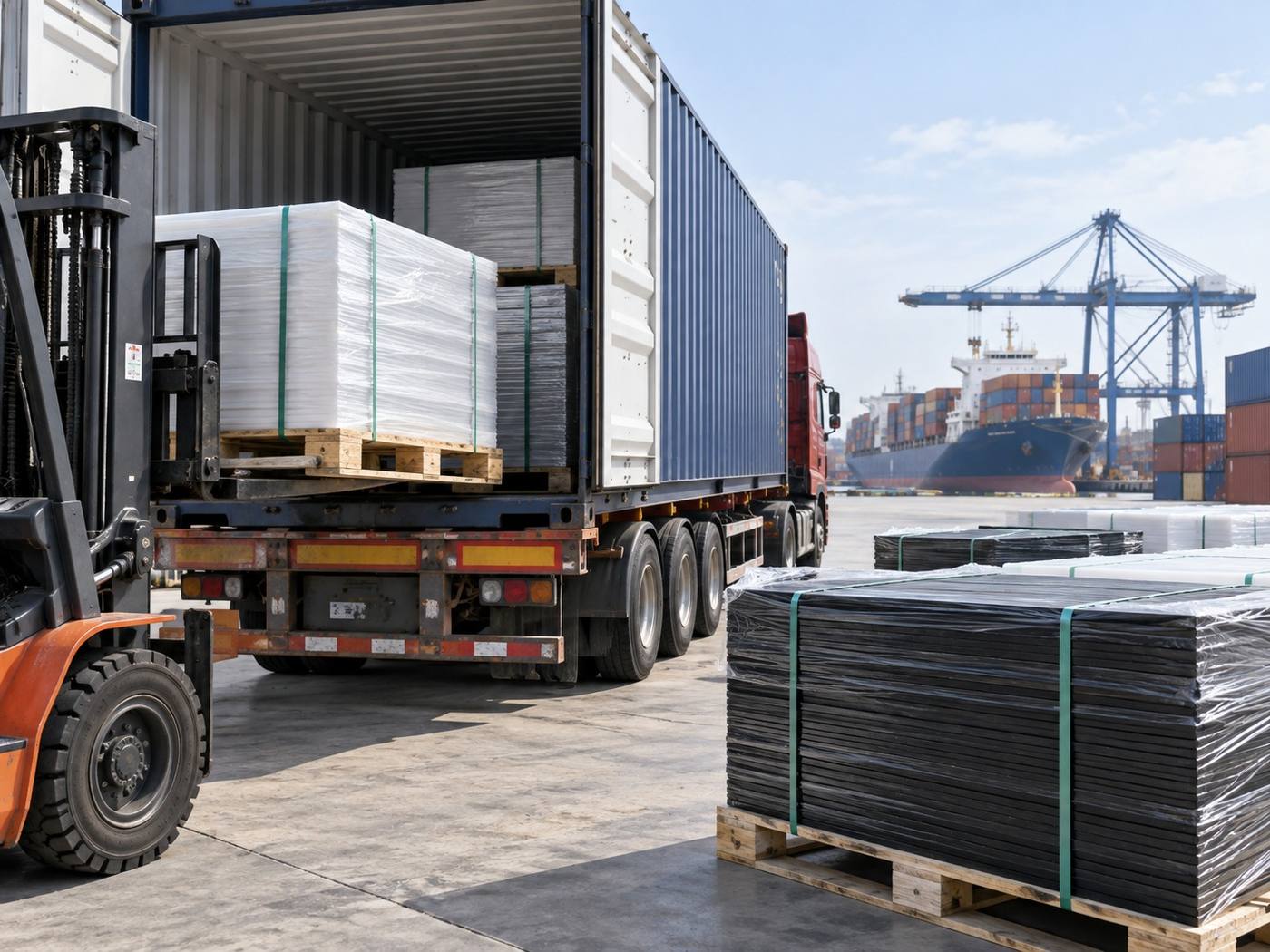
The offers from different suppliers should be compared under the same size, material, connection, packaging, delivery and test basis. Supplementation should be requested if the maximum load is given without a description of the ground, distance and load. Energy projects should also focus on batch consistency, port efficiency, repairability and container loading. It should also answer whether the “how to set up the main and auxiliary working surfaces of the wind and electricity fields” has been certified as improved by setting speed limits, prohibiting in situ cycling and arranging for exclusive command for heavy vehicles, avoiding a subjective description of the final item.
This topic can be summarized as first confirming the boundary of the work, then configure the appropriate product, and then validate it with test run, inspection and project data. The formal programme should identify those responsible, the restrictions, the criteria for decommissioning, the means of recovery and the emergency route, so as to avoid the loss of critical information following changes in the class or contractor.
Need for further evaluation of the actual project?
Applications, sizes, quantities, site photographs or drawings and delivery destinations are sent, on which we can identify more suitable products and processing programmes.