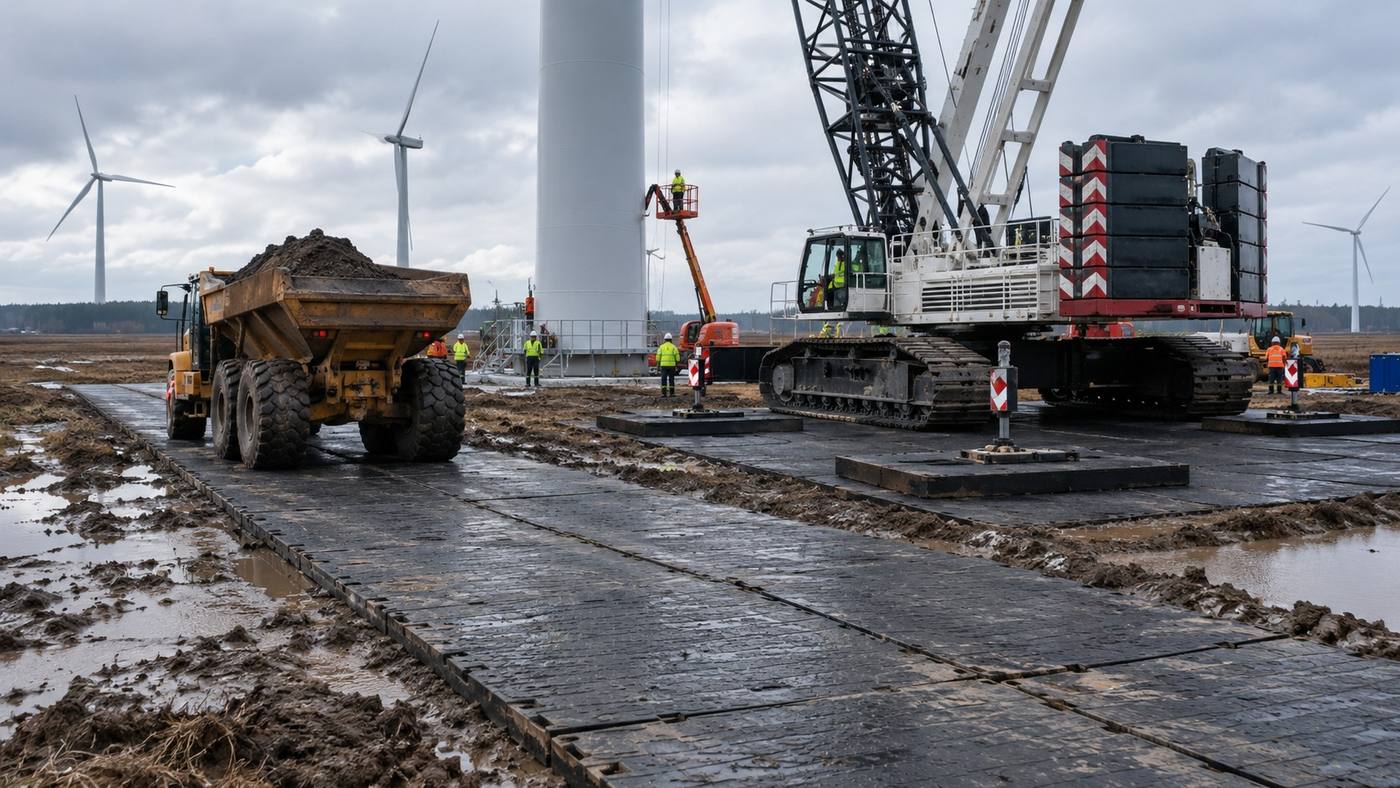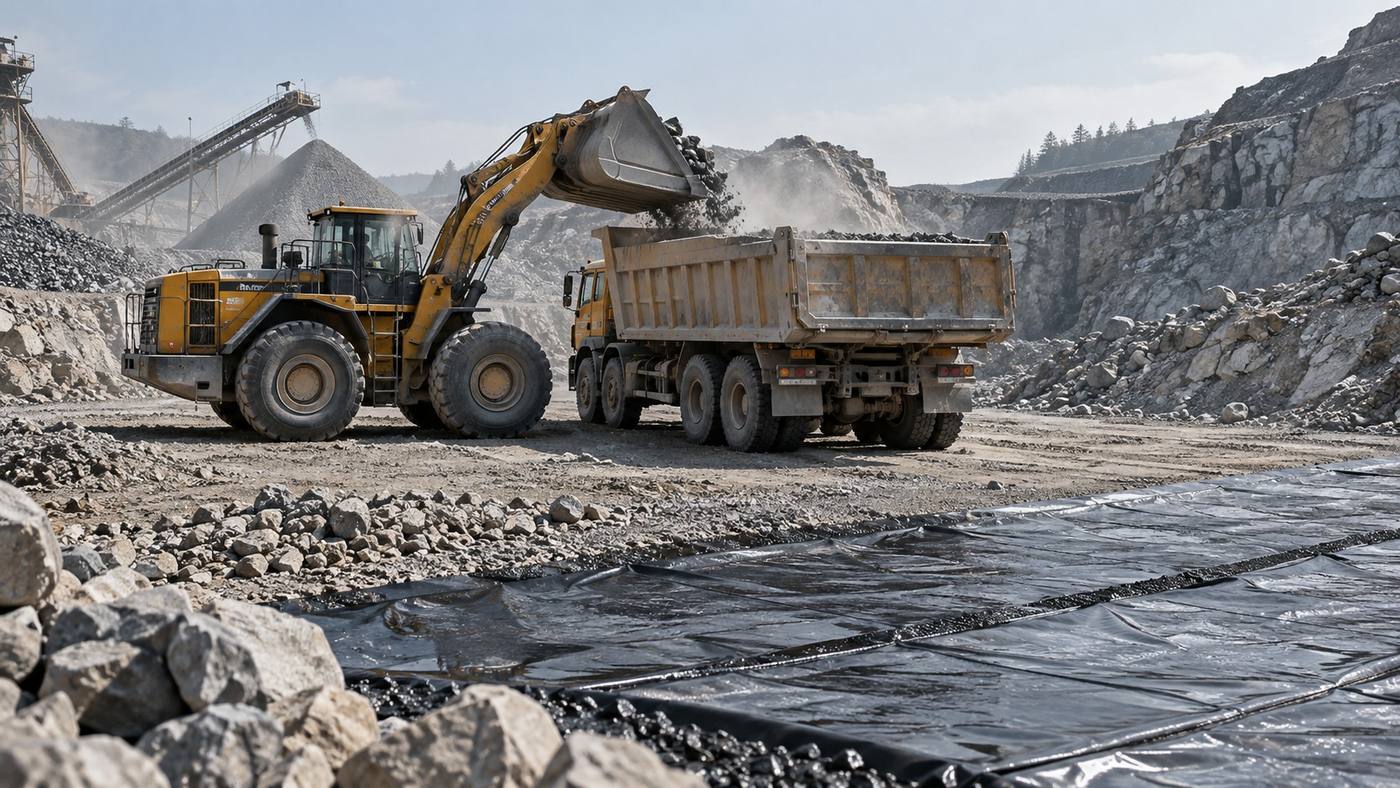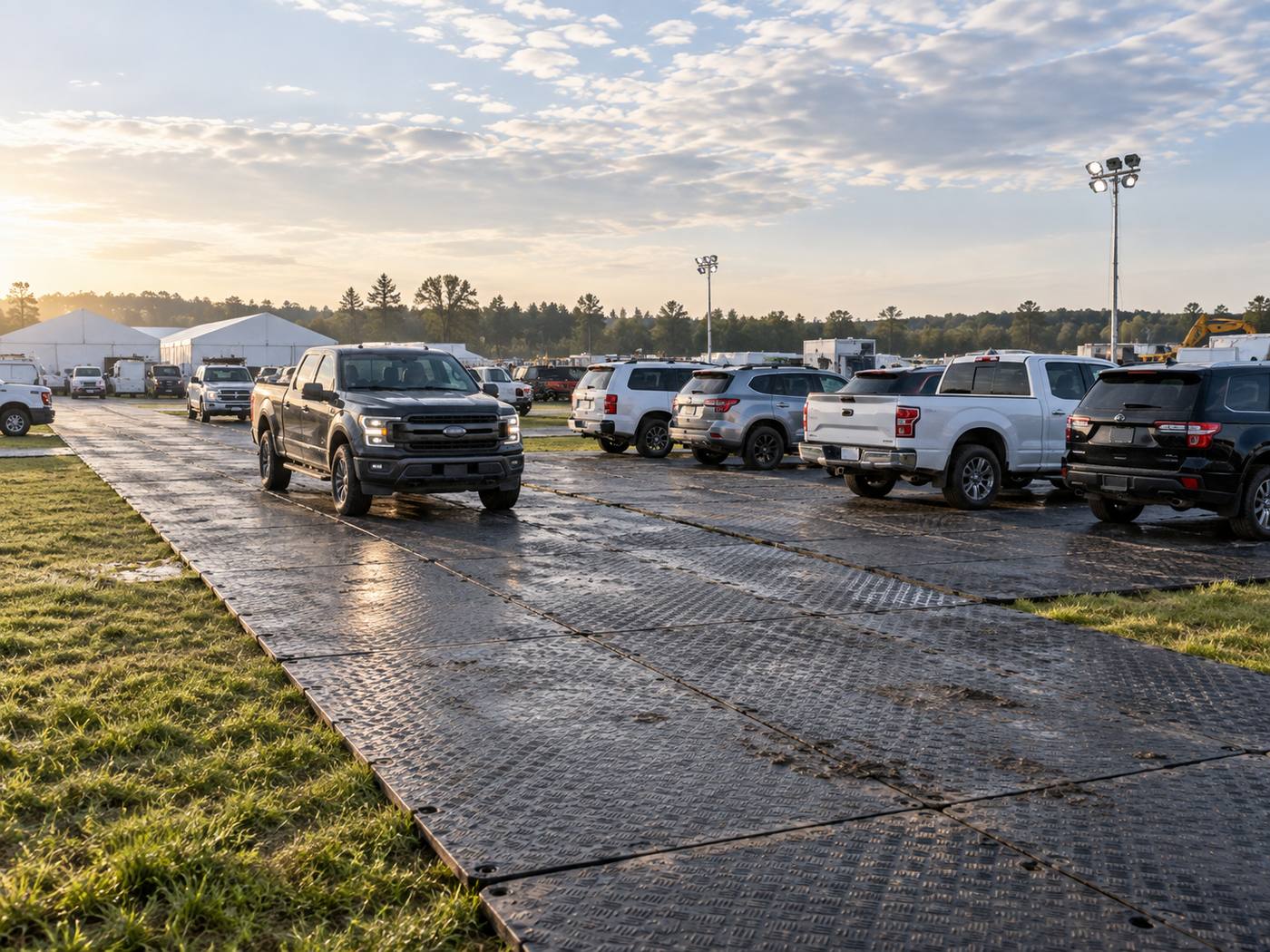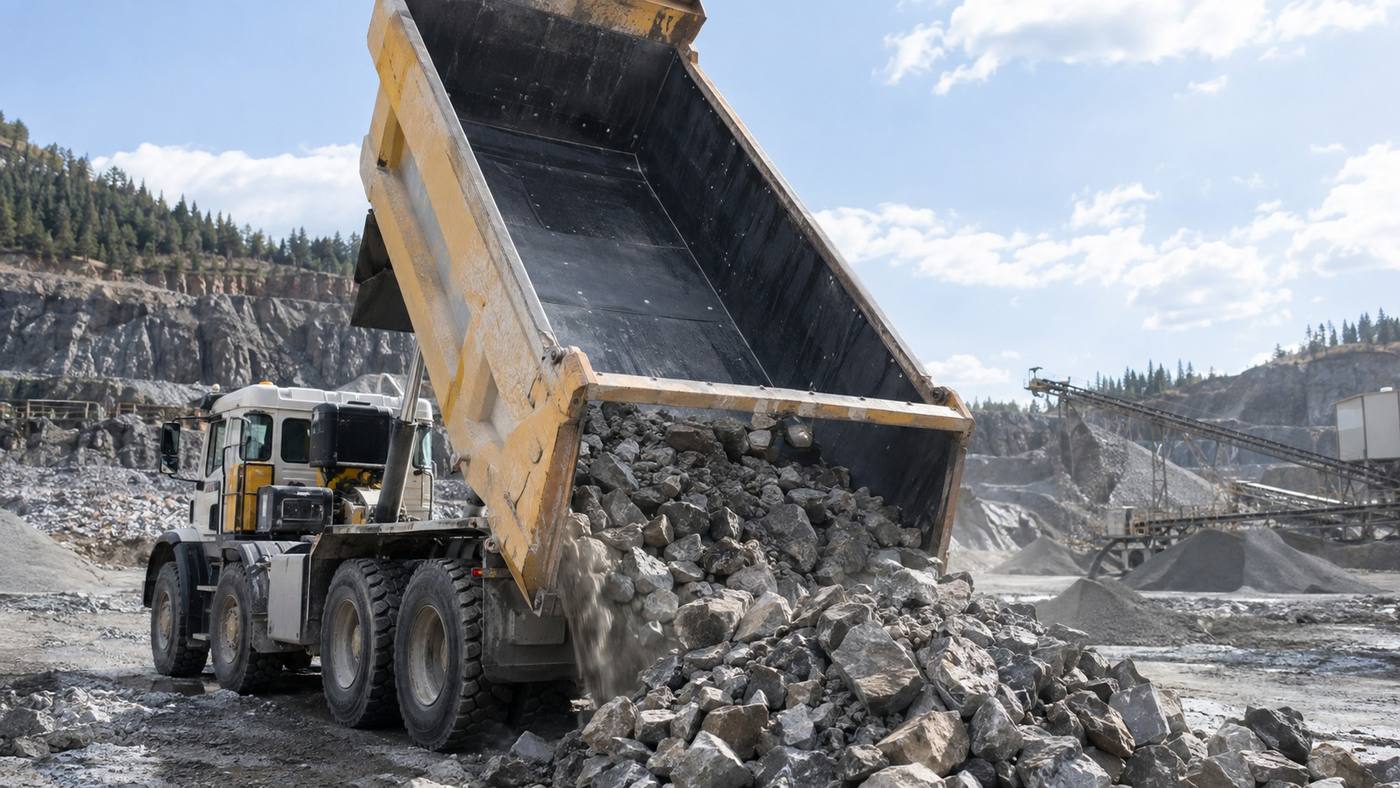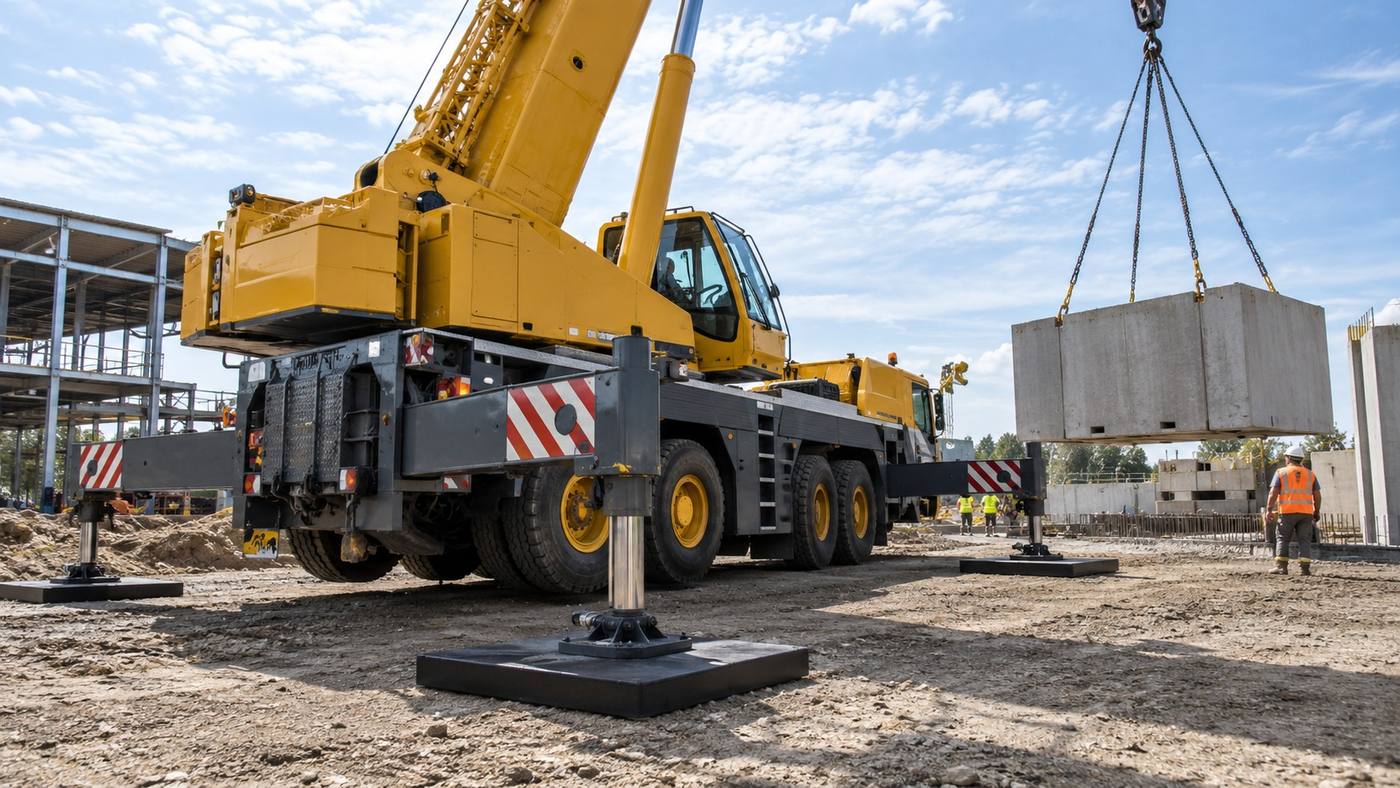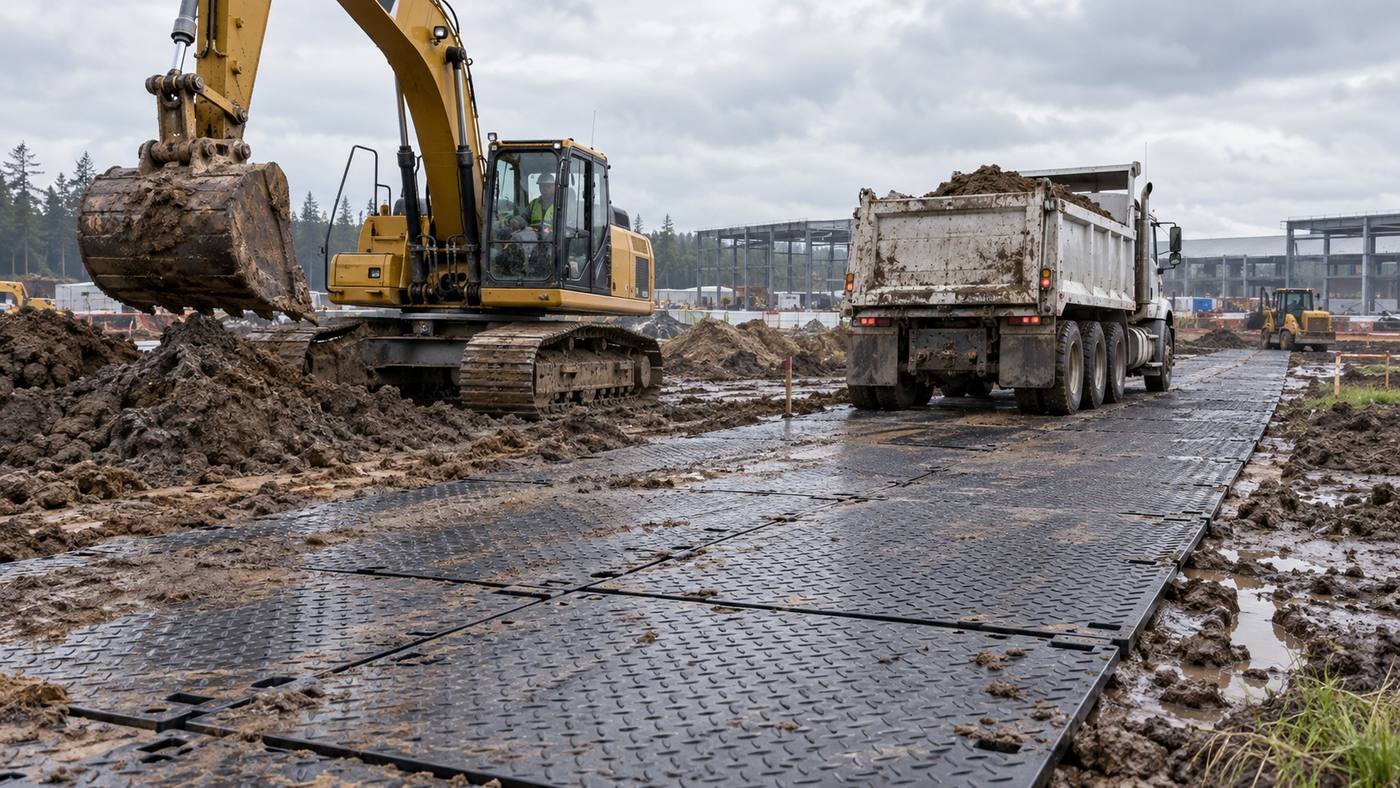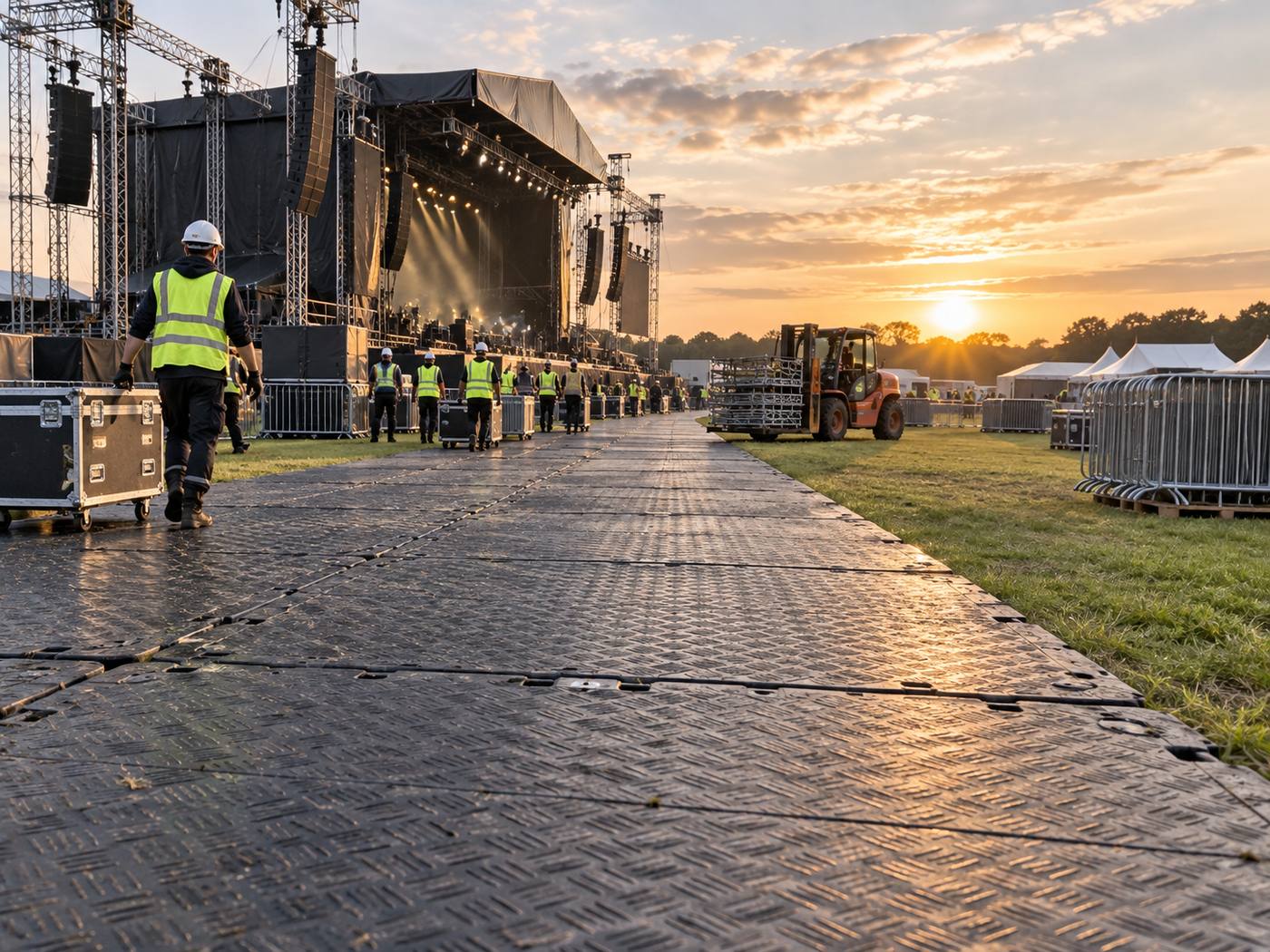
The construction window for energy works is usually tight, but the complete operational cycle analysis is still required for the frequency of inspection of the connection to the power supply construction road. In the case of telecommunications, discharge and repair operations along the transmission line, the subject is concerned with “the frequency of inspection of the connection to the power supply construction road”, for example, the conditions of control varied when vehicles entered, were loaded out or equipment was suspended for long periods of time. The site should first locate the area in which the rebalancing of the equipment level may occur by overloading or uneven deposition of the feeder, and then decide on the use of pavements, leg pads or approved combinations.
The input information can be organized according to the four columns of equipment, ground, route and time, with emphasis on the maximum vehicle total weight and axle load, tower distance, route width, slope, soil water content, underground facilities and rainy season windows. It is proposed to change the level of equipment with regard to the overloading or uneven deposition of the nodes, to set speed limits, to prohibit in-situ wheeling and to arrange for the exclusive command of heavy vehicles. In the case of leg pads, the maximum repulsive force of the leg provided by the plant must be obtained, and in the case of passage roads, the total weight of the vehicle, the axle, the tyre and the complete turn track should be used. The information review should also adjust the frequency of inspections to traffic, weather and abnormal frequency dynamics and include missing information as items to be confirmed for quotations and construction programmes.
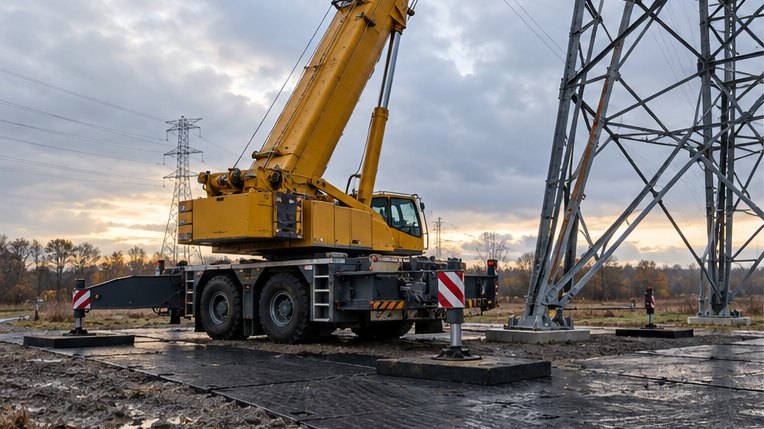
Figure: Taki, line discharge and repair operations along the transmission line, with a focus on “The frequency of inspection of electrical construction road connections”
A representative route or a feeder may be selected for a controlled trial pavement to cover the softest floor and the most heavy equipment condition. Consistency routes are accounted for separately from the work surfaces of the Taki, and the sheeting is used to spread the wheel, while the slinging points use the appropriate leg pads in accordance with the equipment manual. The decision to increase width, improve drainage or reorient traffic is then taken by means of experimental observation of grass-roots, sewn, tyre tracks and operating space. The test-pail record of “the frequency of inspection of the connection to the power supply construction road” should indicate the starting and ending position, vehicle condition and release conclusions to facilitate review as construction conditions change.
Special inspections should be added after extreme weather, equipment anomalies or route adjustments. The use of location markings and fixed view photographs for drainage, sews, shoulders, tracks, connectors, subterranean facility markings and vehicle pressors facilitates comparison of depositions and shifts. Cleaning the surface of polymers avoids fire, sharp shovels and violent knocks, creating new cracks and stress concentrations. The inspection forms are to vary the level of equipment change by overloading or uneven deposition at a single branch point and to indicate the time taken by the inspector and the resumption of traffic.
A reset is to distinguish between product problems and changes in condition. The original programme may no longer be appropriate if the vehicle is heavy, routed, rainfall increases or cover periods are extended. These changes are recorded in conjunction with the implementation results of the speed limit, the prohibition of in situ rounding and the placement of a person in command for heavy vehicles, and it is only next to know whether the thickness, width, quantity or construction organization should be adjusted. This retrodiscussion should also answer whether “the frequency of inspection of the connection to the power supply construction road” has been demonstrated to improve by setting speed limits, prohibiting in situ wheeling and arranging for exclusive command of heavy vehicles, so as to avoid a subjective description of the completion of the item.
The construction, equipment, HSE and logistics team should confirm the use of the same version of data before the procurement is issued. The common dimensions, thickness or reference load range referred to in this paper are not on-site commitments and actual performance is influenced by materials, temperature, foundations, connections and installation patterns, and the recommended results should indicate assumptions and no application.
Need for further evaluation of the actual project?
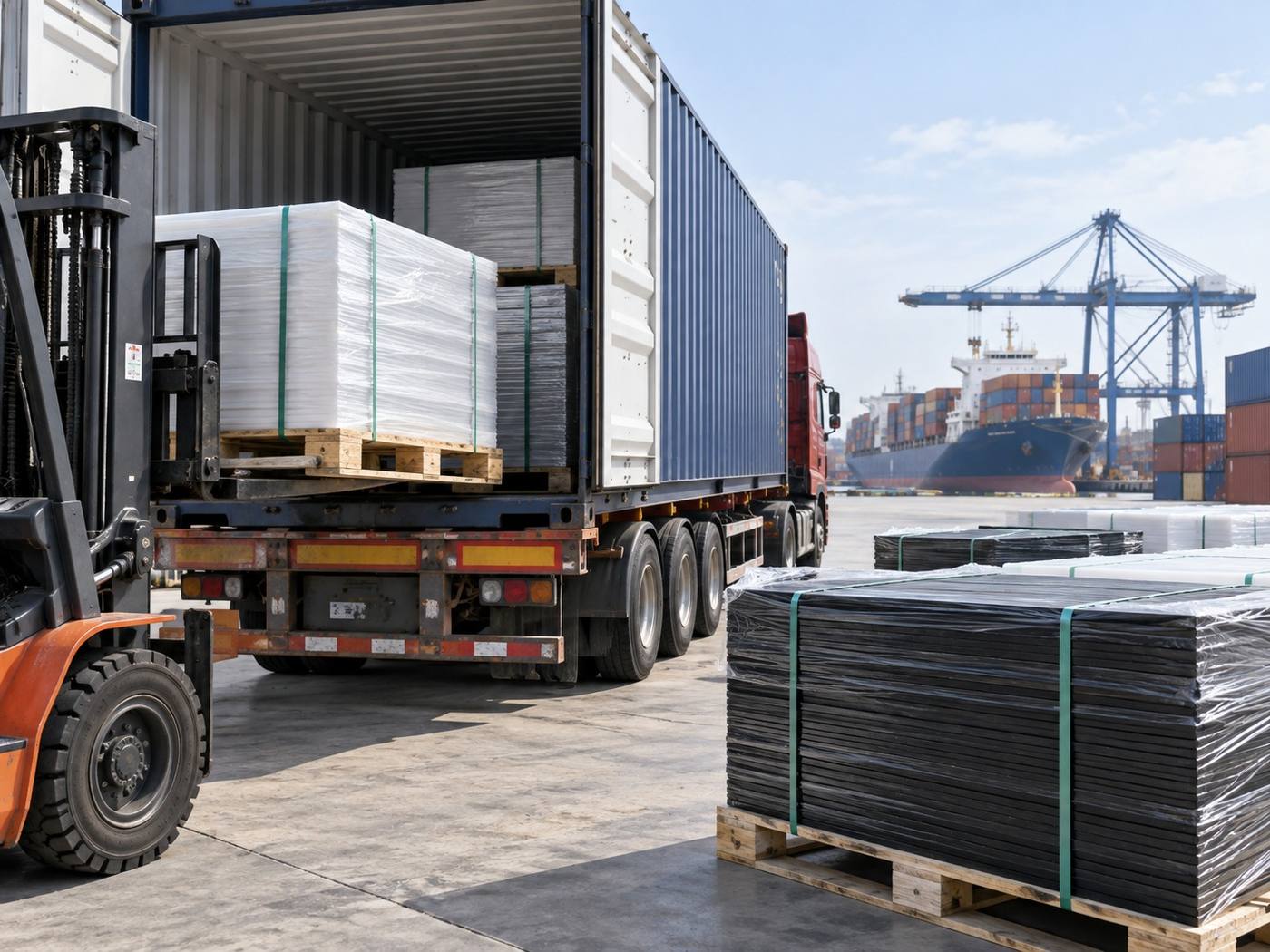
Applications, sizes, quantities, site photographs or drawings and delivery destinations are sent, on which we can identify more suitable products and processing programmes.