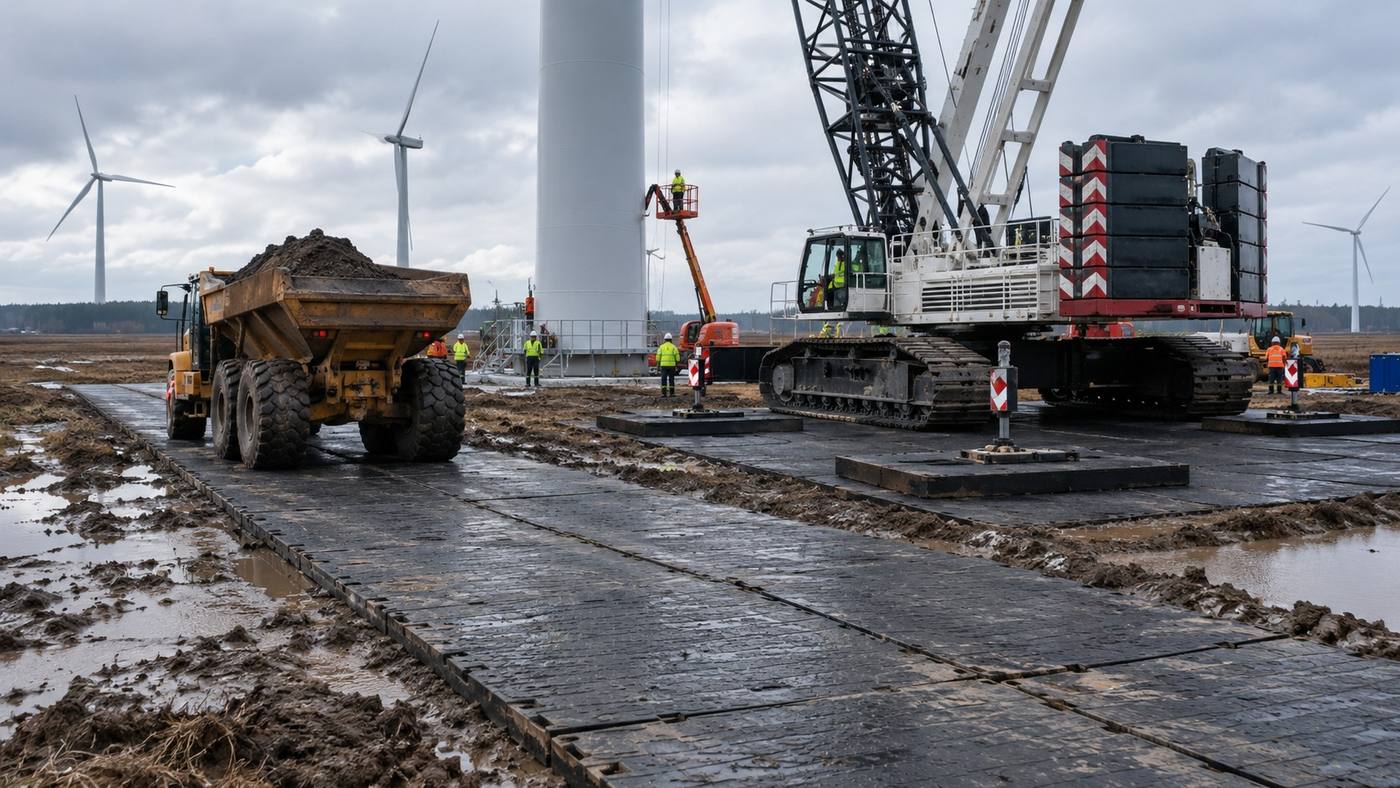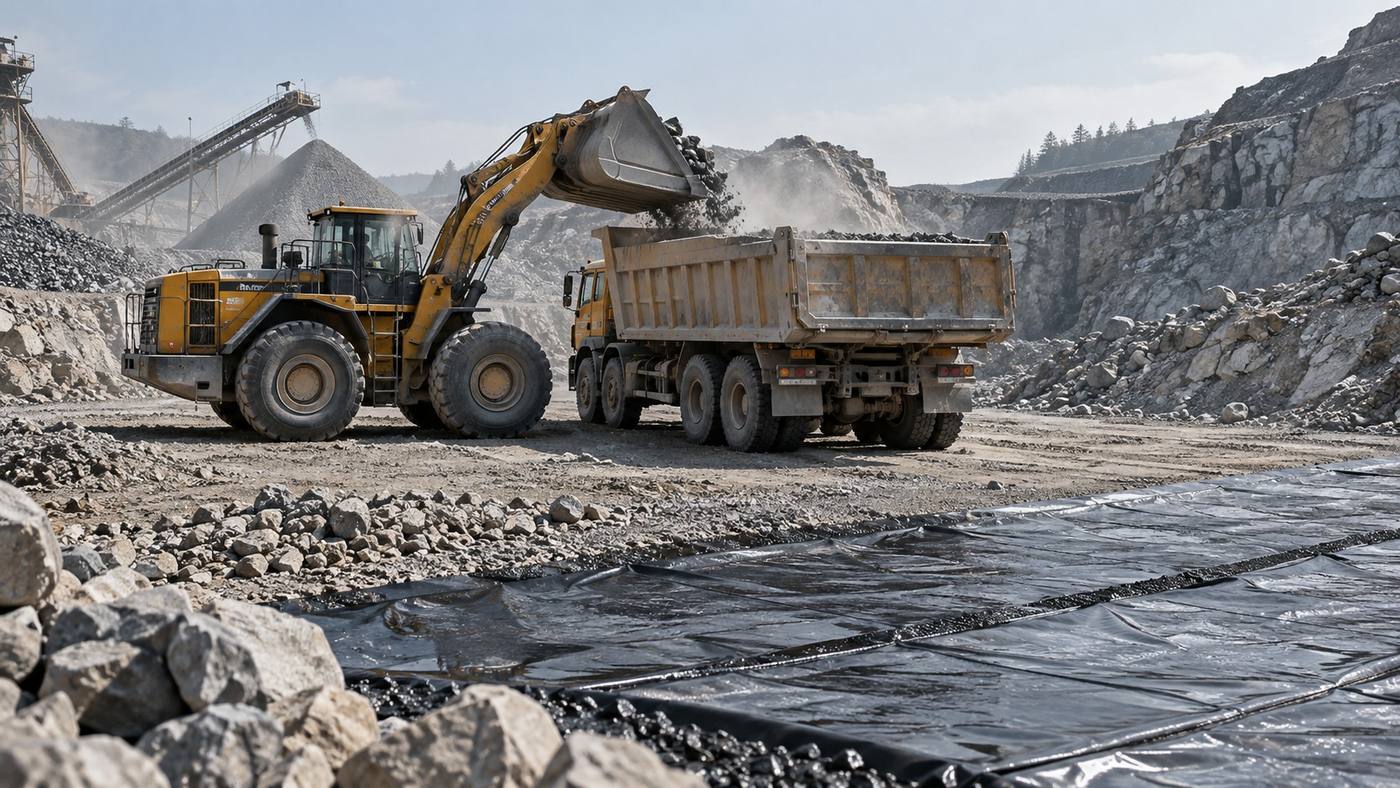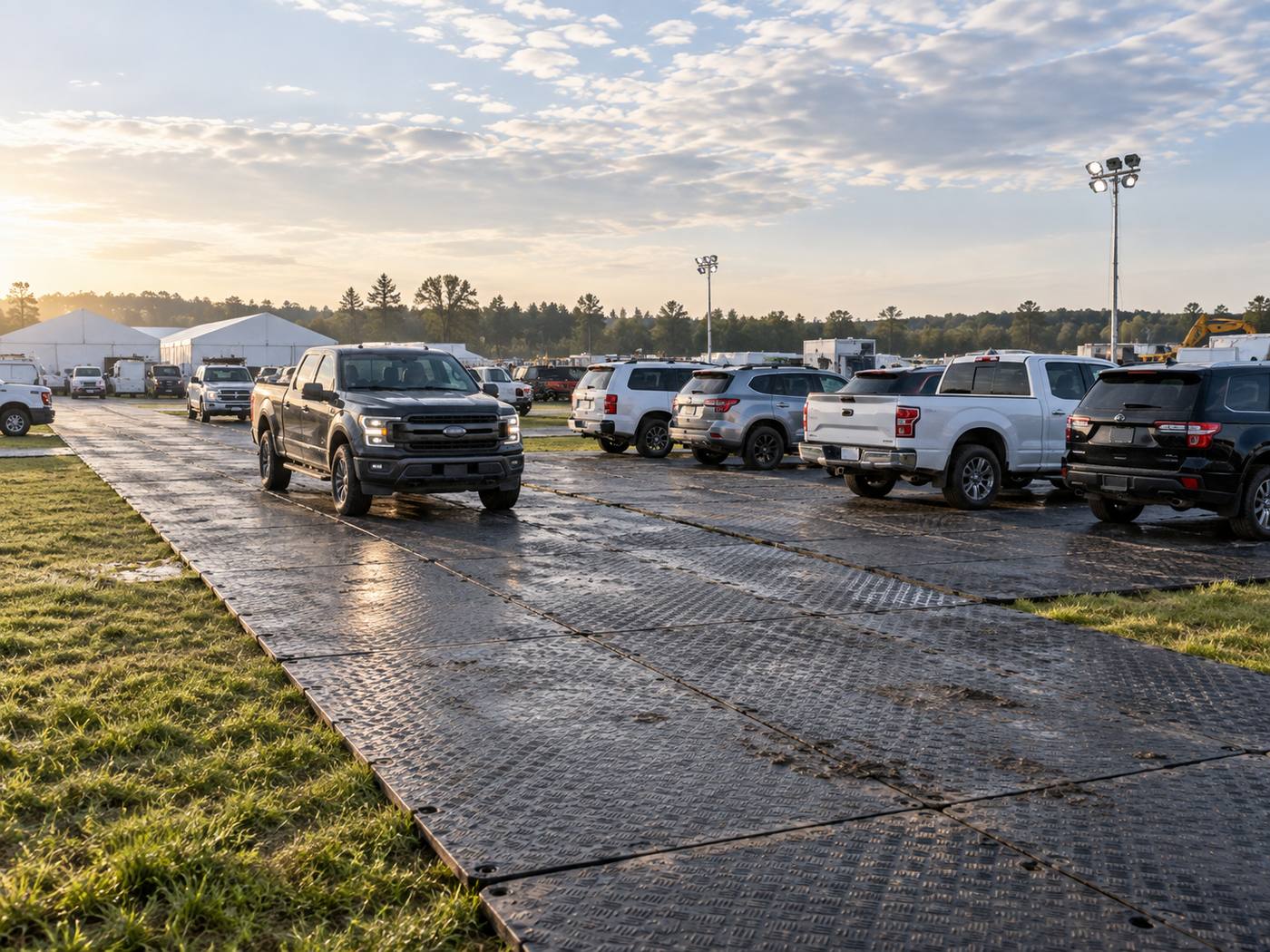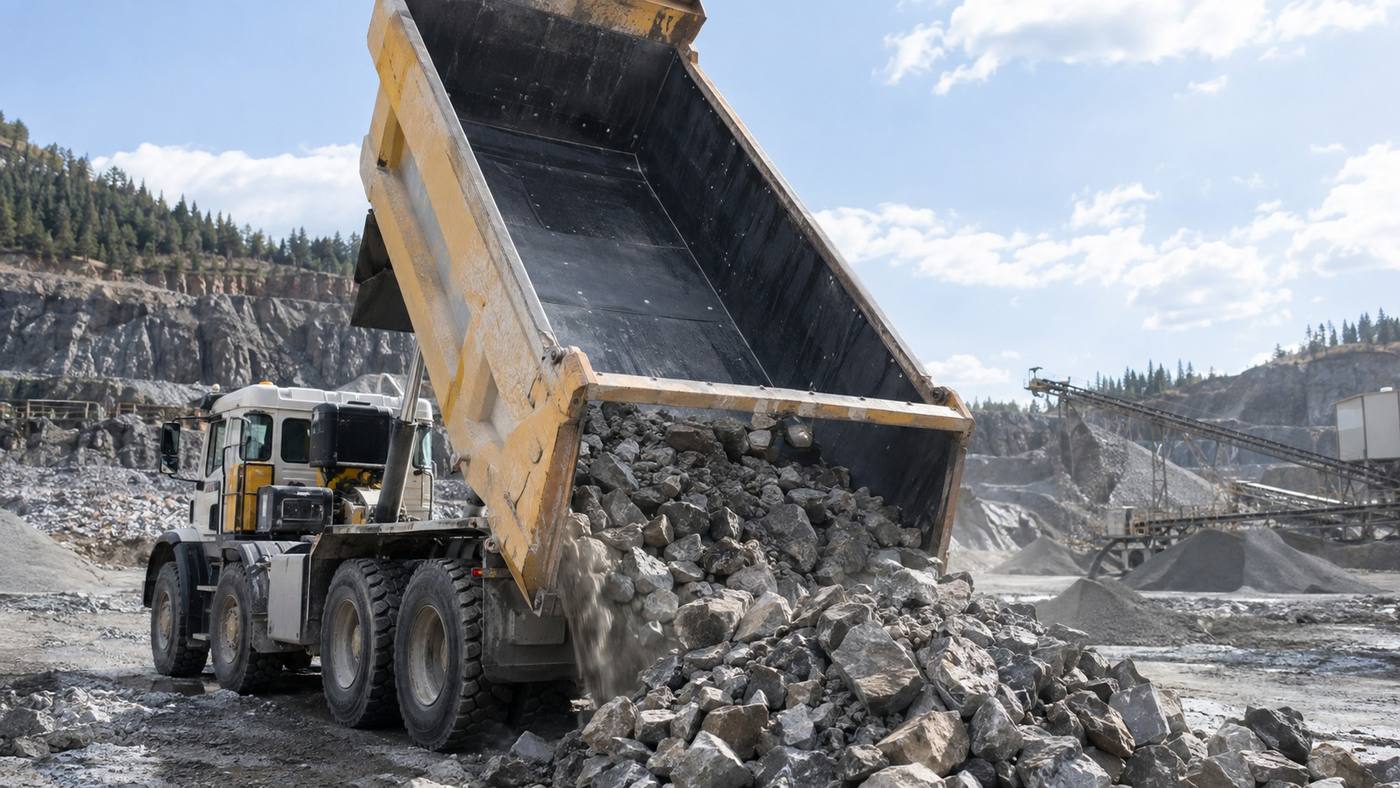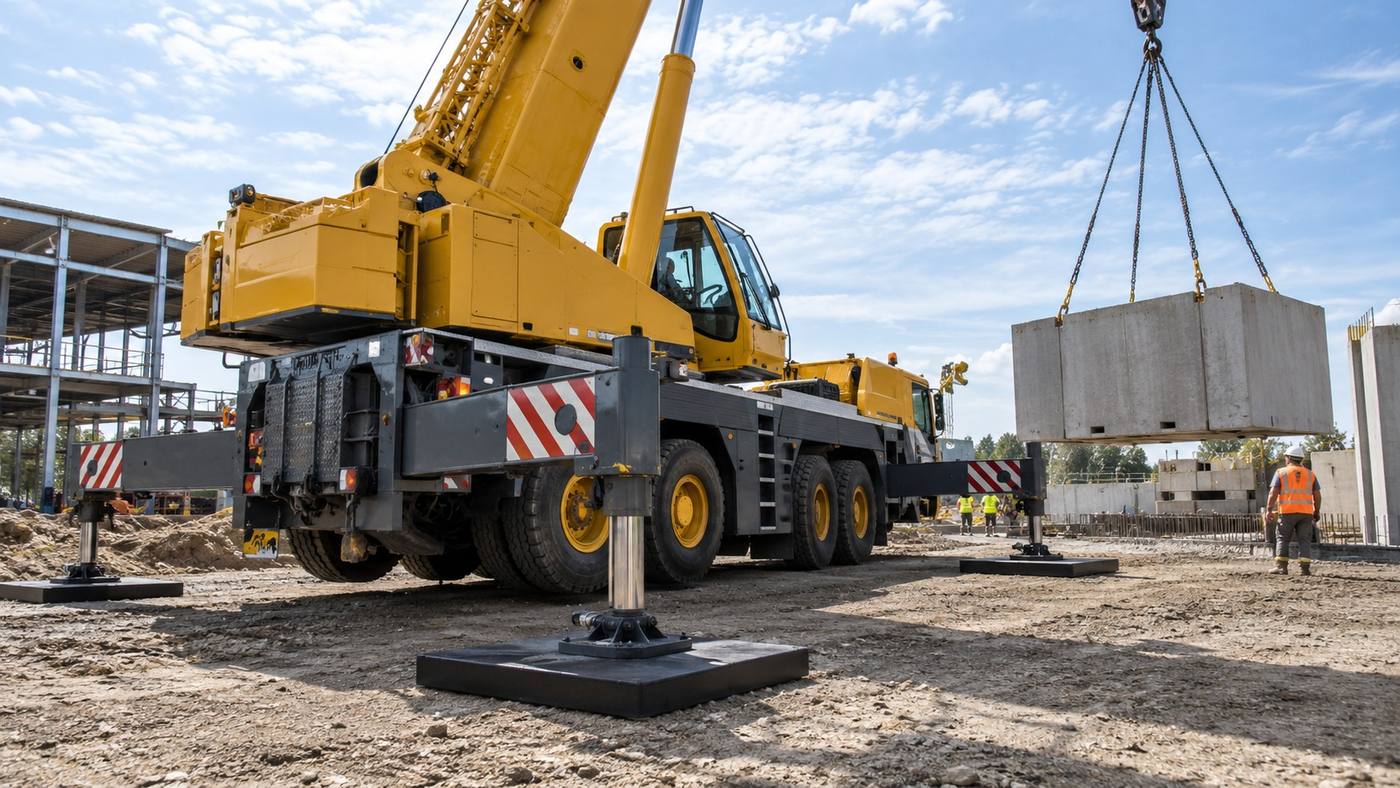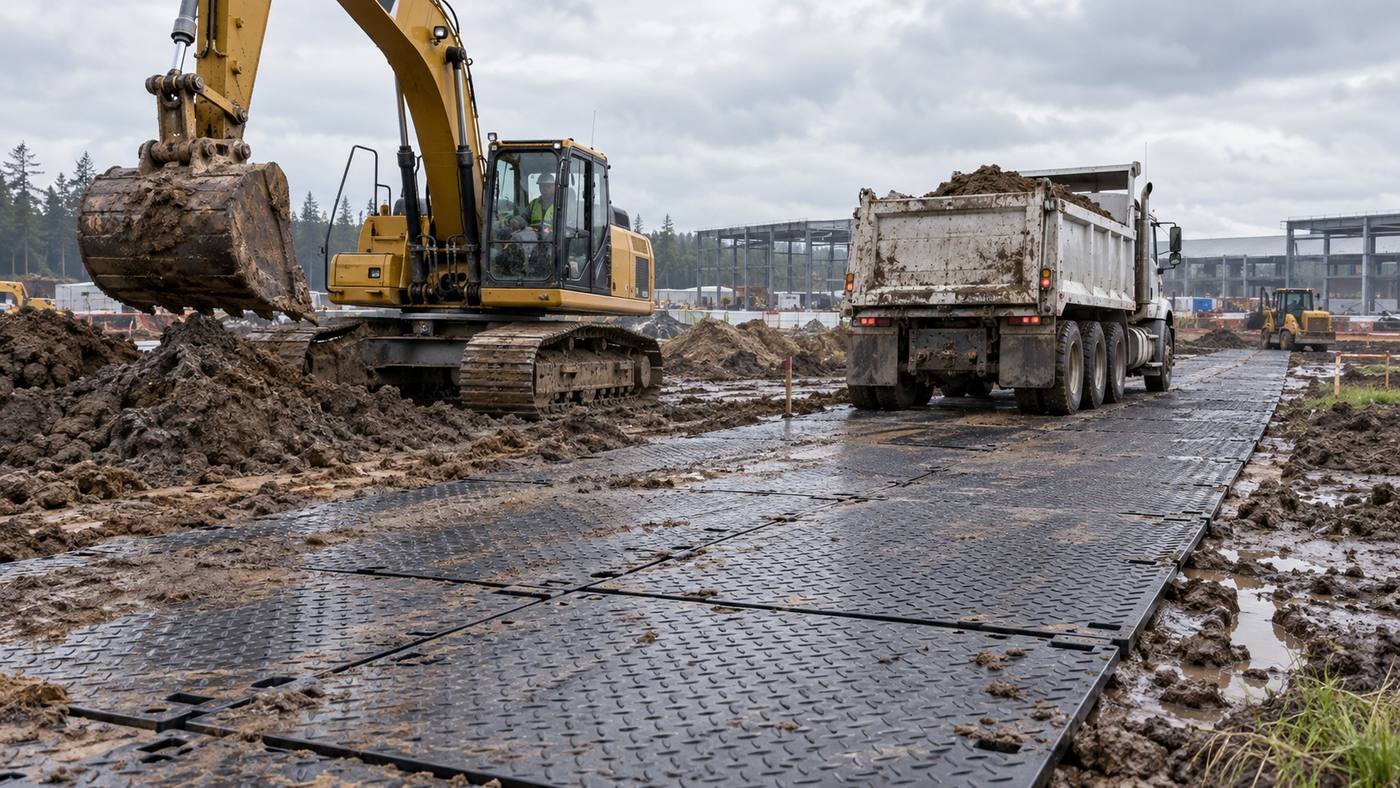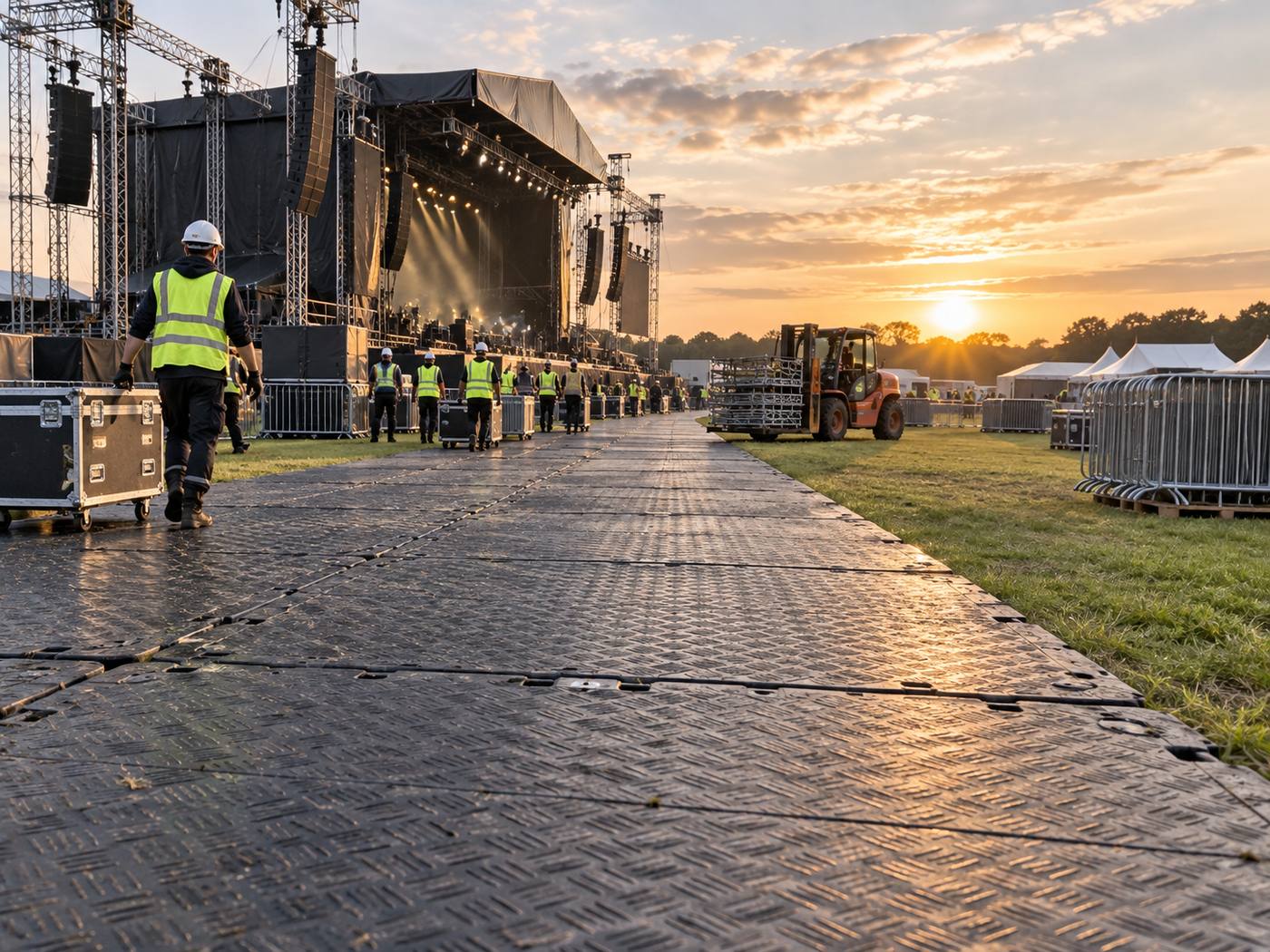
The construction window for energy works is usually tight, but a complete operational cycle analysis is still required to examine how the leg pads are to be carried out after the wind machine is hanged. In the case of wind blades, pylons, cabin transport and wind hanger sites, the subject is concerned with “how to check the leg pads after the winder's hanger has been completed”. The conditions of control are not the same when the vehicle enters, is loaded or the equipment is parked for long periods of time. The site should first locate the area where the secondary crushing and restoration costs may have been increased as a result of an error in the sequence of the evacuation site, and then decide on the use of pavement boards, leg pads or approved combinations.
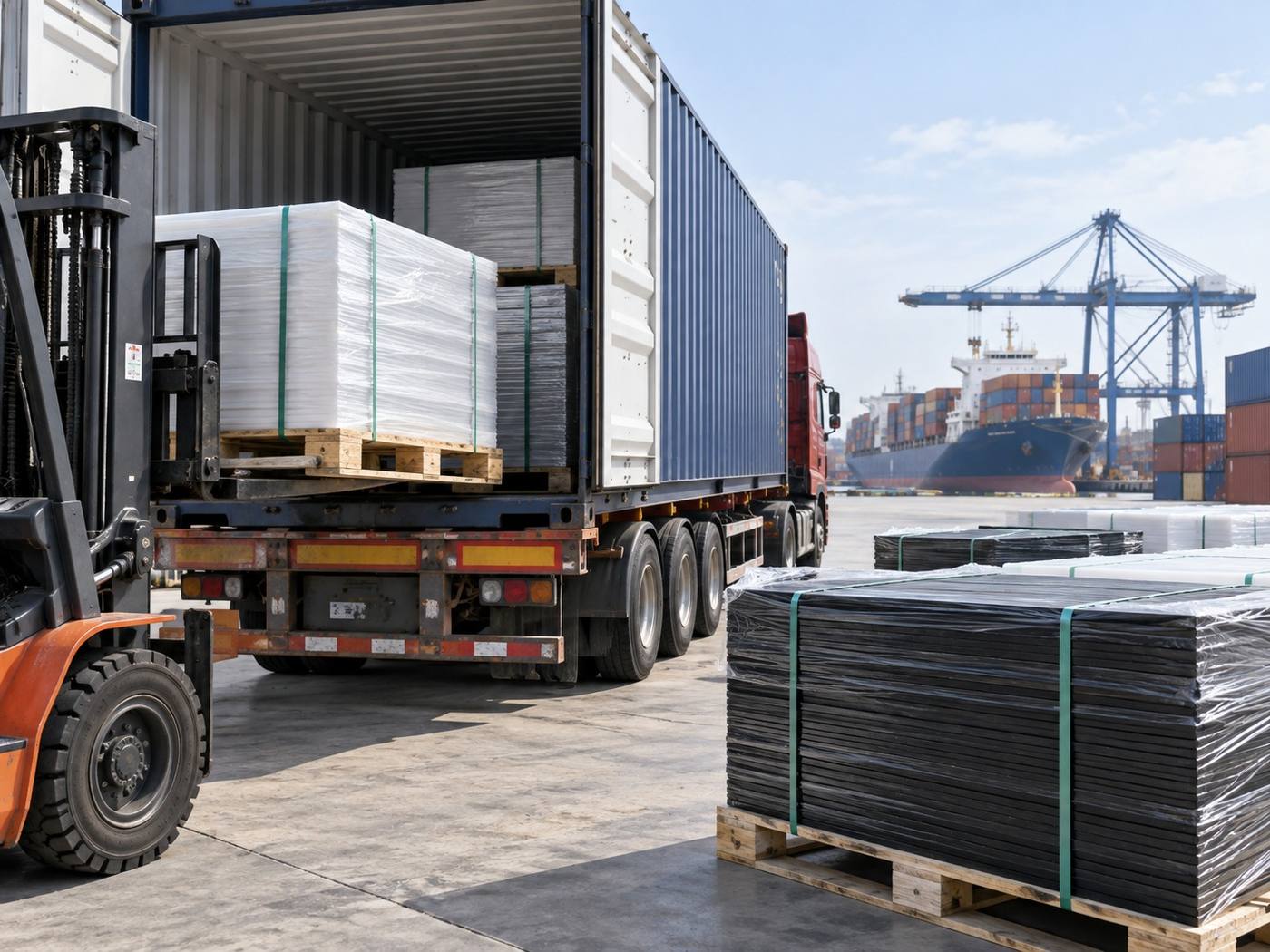
The focus of the topic is not on the choice of the thickest or the most heavy products, but on the establishment of a match. Cover, connection and back-up quantities are determined by calculating the direct-line segment, turn-off area, docking position and operating surface, respectively, on the basis of the exterior, axle, minimum turn radius, road slope, maximum reversibility of the legs of the main hanger and weather window for control. In the case of products requiring cross-project turnaround, the numbering, loss rate, cleaning time and volume of transport should also be included in the total cost. The information review should also be carried out in the reverse order of removal and loading following the exit route of the last item of equipment and include the missing information as an item pending confirmation of the offer and the construction programme.
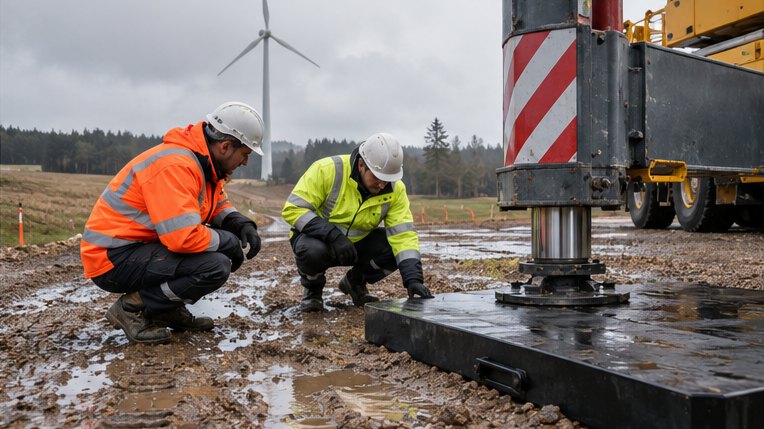
Figure: Wind blades, turrets, cabin transport and winder hanger sites, with a focus on “How to check the leg pads after the winder hanger is finished”
The site installation should be located with an approved drawing number, and the level, seam, edge and drainage should be inspected at each stage of completion. Wind and electricity transport and suspension must control the continuity of the road and the carrying of the feeder, respectively, and any nominal tonnage must be returned to the ground and equipment condition. The test operation can first be carried out using a low-risk vehicle with a slow-speed straight-line and then gradually verify the turnover, parking and full-loading; it should be discontinued as soon as it is discovered that it continues to sink under the plate, pump mud or branch position. The test-paint record of the “how to check the leg pads after the wind machine has been hanged” should indicate the starting and ending position, vehicle condition and release conclusions to facilitate review as the construction conditions change.
The inspection cannot simply be “normal” and should be organized around the inside and outside of the bend, the wrong plate, the deformation of the road shoulder, the deposition of the legs, the horizontal level, the connectors and the accumulation of water, and should be divided into three levels of observation, restriction and decommissioning. For each of the key points to be calculated for the straight-line segment, turn-off area, docking position and surface, a fixed photo angle and a measurement benchmark should be set. A loose connection, a permanent deformation, a breach through or a deviation of a branch shall be immediately isolated. With regard to the inspection of the post-heavy leg pads around the "winder hanger " , the inspection forms are to be accompanied by a separate chronology error leading to a change in the secondary crushing and restoration costs, and to an indication of the inspector ' s return time.
It is recommended that a key route or a feeder of equipment be selected for controlled validation, with observation cycles and exit conditions. The records are to cover normal and most unfavourable work, with particular attention to the increased costs of secondary crushing and restoration as a result of the incorrect sequence of the evacuation site. A further expansion after the trial could reduce one-time procurement or full-line errors, while providing the same basis for vendor comparison. This retrodiscussion should also answer whether the “how to check the leg cushions after the winder's hanger has been completed” has been demonstrated to be improved by calculating the line segments, turn areas, docking slots and surfaces separately, avoiding a subjective description of the closing item.
This paper provides a selection and management approach and does not replace the equipment instructions, the suspension programme, ground-based evaluation or local regulations. Work involving lifting support, underground facilities, electrical areas, the edges of trenches and the entry of persons into dangerous areas shall be reviewed by persons with appropriate qualifications. The above parameters may be provided in the request for quotations to obtain recommendations for size, thickness, quantity, packaging and shipment.
Need for further evaluation of the actual project?
Applications, sizes, quantities, site photographs or drawings and delivery destinations are sent, on which we can identify more suitable products and processing programmes.