The goal of freezing the surface of the pavement during cryogenic repairs is to allow construction vehicles to travel within controlled routes, while avoiding turning ground protection problems into equipment stabilization problems. The topic of “What about ice on the surface of the pavement during low-temperature repairs” should be checked, inter alia, for loose connections, drainage congestion or pollution to reduce actual use. Where there is a gutter, backfilling area, slope or unknown underground facility on the route, the treatment must first be confirmed by the responsible party of the project.
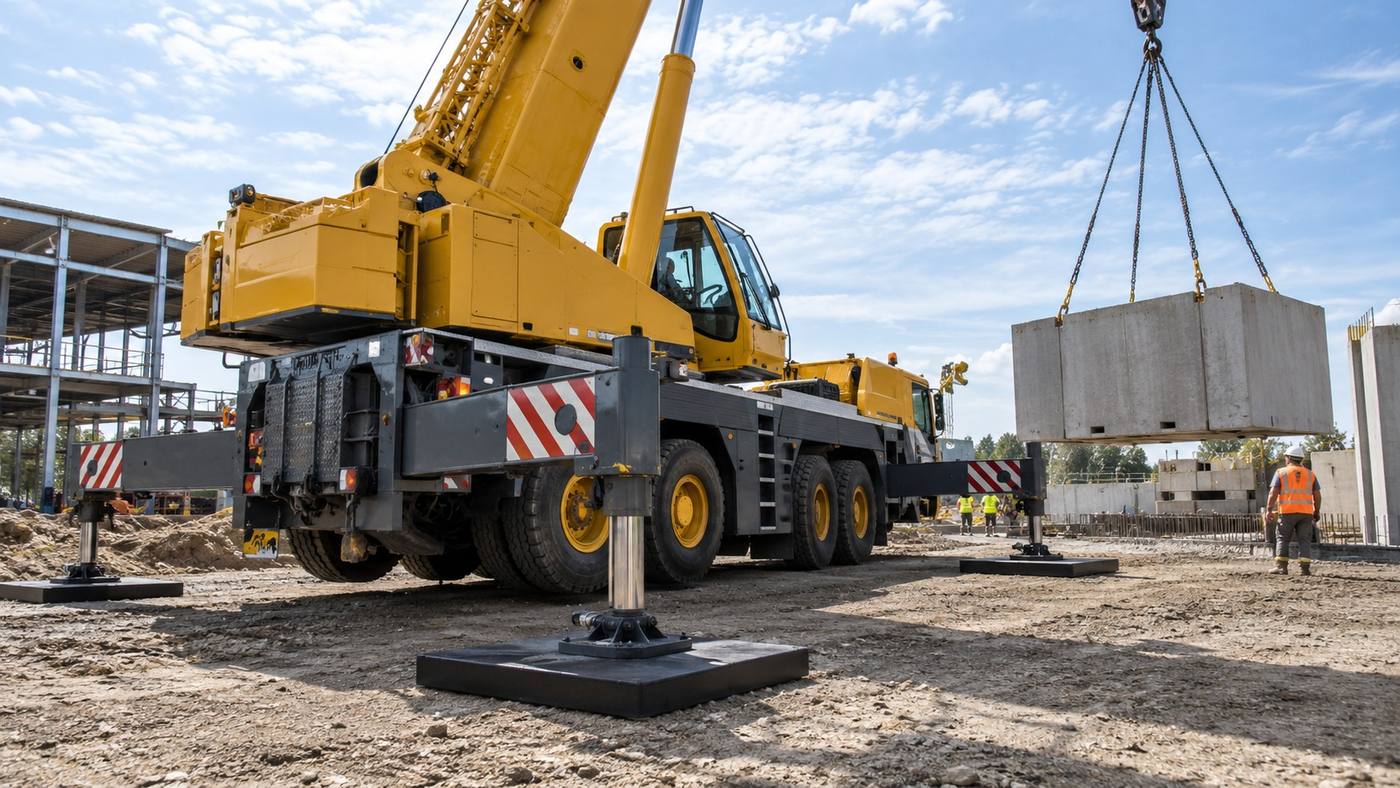
The input information can be organized in four columns: equipment, ground, route and time, with emphasis on disaster routes, water depth, soft-point range, car recovery type, order of arrival, emergency time frame, public isolation and standby. With regard to the reduction of physical use by loose connections, drainage congestion or pollution, it is recommended that the minimum effective area of the leg pads be accounted for on the basis of maximum reversibility and local durability. In the case of leg pads, the maximum repulsive force of the leg provided by the plant must be obtained, and in the case of passage roads, the total weight of the vehicle, the axle, the tyre and the complete turn track should be used. In the case of “frozen surfaces of pavements at low-temperature recovery,” the information review should also distinguish vehicles by axle-load and tyre, not replacing all inputs with total weight, and include missing information as an item for confirmation of quotations and construction programme.
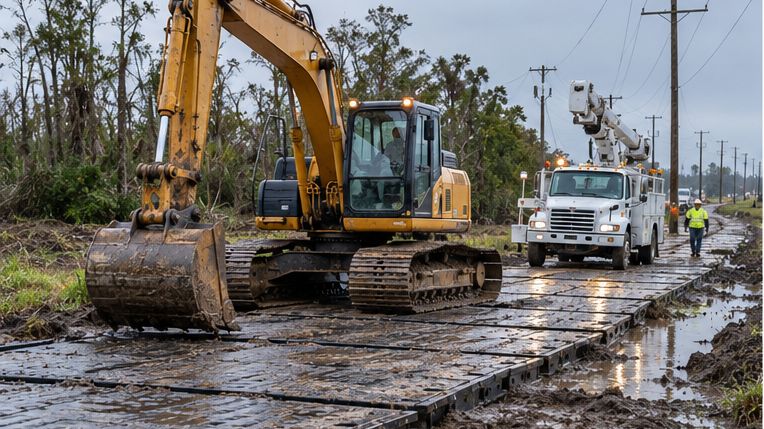
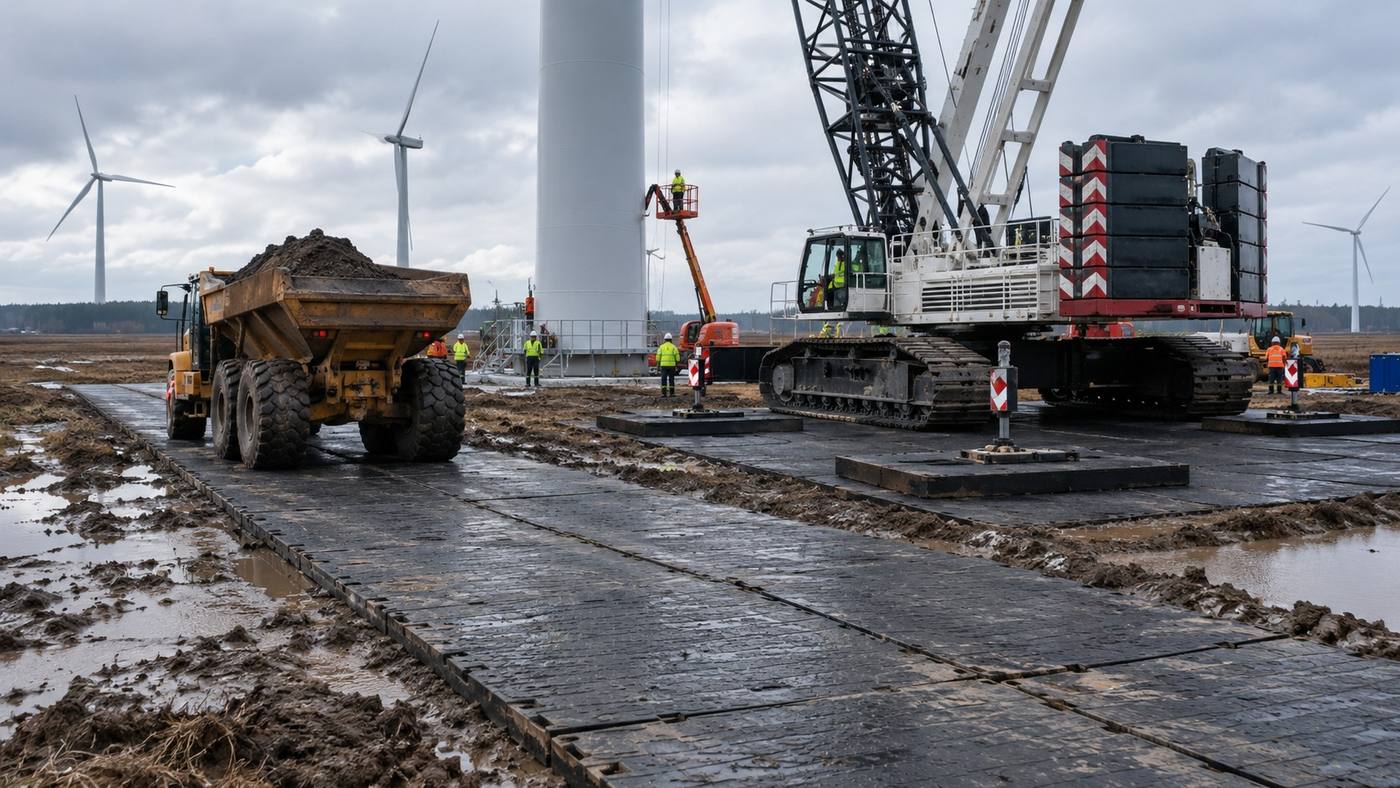
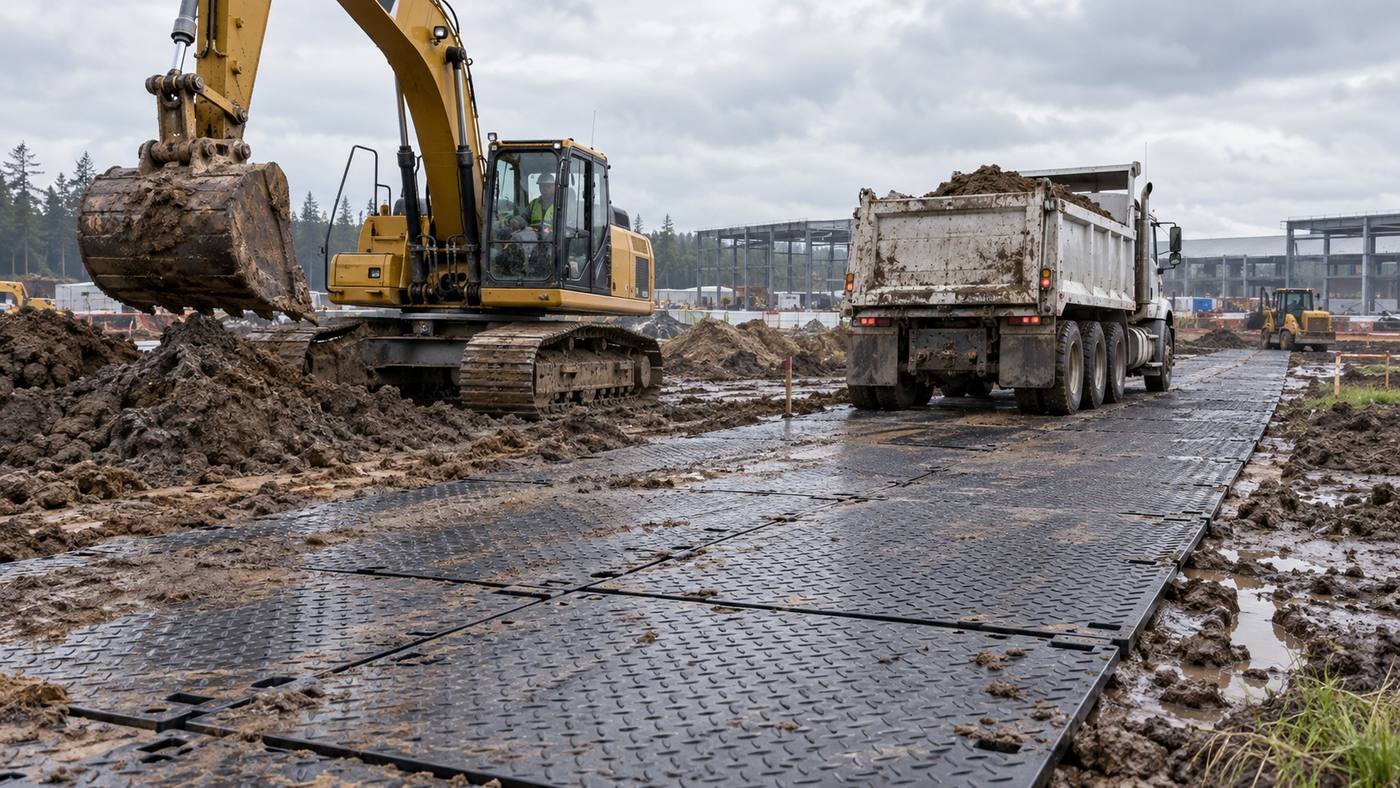
Figure: Emergency recovery site for electrical circuits following heavy rains, typhoons or floods, with focus on “What about ice on the surface of the pavement during cryogenic repairs”
The installation should leave a photo, location and measurement record. First, ground-level levelling, drainage and underground facilities are identified, and the complete contact, connection, edge and transition of the pavement is checked, or the size, location and centering of the leg pads are checked. The speed of repairs cannot be a substitute for ground-based and traffic safety judgements, and the most critical rescue and equipment routes should be restored before heavy vehicles are opened on a segment basis. Areas not eligible for acceptance should not be replaced by speed-limit signs alone. The trial-pave record of “the ice on the surface of the pavement at low-temperature recovery” should indicate the starting and ending position, vehicle condition and release conclusions to facilitate review as construction conditions change.
The shift involves reporting changes in water accumulation, pumping mud, edges, vehicle congestion, leg deposition, lighting, public isolation and connectors, rather than just describing the appearance. The sutures, shoulders or sub-points repaired in the previous class are reviewed in the next class. In the event that the connection is loose, drainage congestion or pollution reduces the actual operational condition as traffic increases, the project shall immediately limit, reroute or suspend the equipment until the re-examination passes. “What about ice on the surface of the pavement around low-temperature repairs”, the inspection forms are to show changes in the actual state of use, with a separate column linking loose, drainage congestion or pollution, and a reference to the inspector and the time of return.
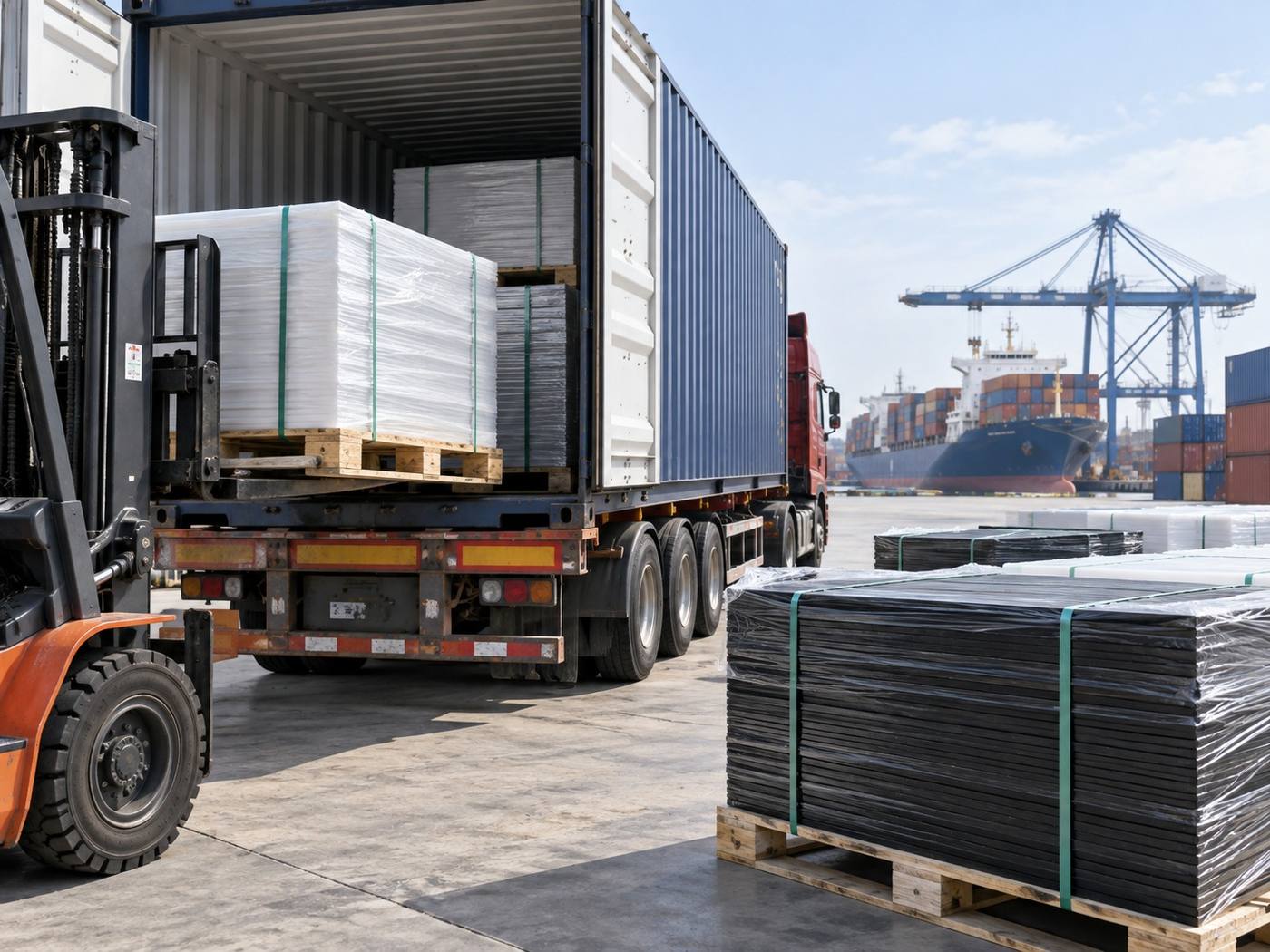
The receiving and inspection information shall be maintained in the form of maps, product numbers, photographs of entry and exit sites, initial ground conditions, abnormal worksheets and demolition records. In the event of a ground or equipment dispute, the information may distinguish between pre-existing soft spots, changes in use and damage to the evacuation site, and also quantify the impact of loose connections, drainage congestion or pollution on the cost of the project. It should also answer “What about ice on the surface of the pavement during cryogenic recovery” whether the improvement can be verified by accounting for the minimum effective area of the leg pads on the basis of maximum reversibility and durability, avoiding a subjective description of the final item.
Road-painting and foot mats can only function in the approved construction system and cannot be a substitute for unsatisfactory foundations, damaged equipment or irregularities. Any unknown underground facility, unstable edges, legwork beyond the equipment manual or failure to isolate persons should be suspended and upgraded.
Need for further evaluation of the actual project?
Applications, sizes, quantities, site photographs or drawings and delivery destinations are sent, on which we can identify more suitable products and processing programmes.