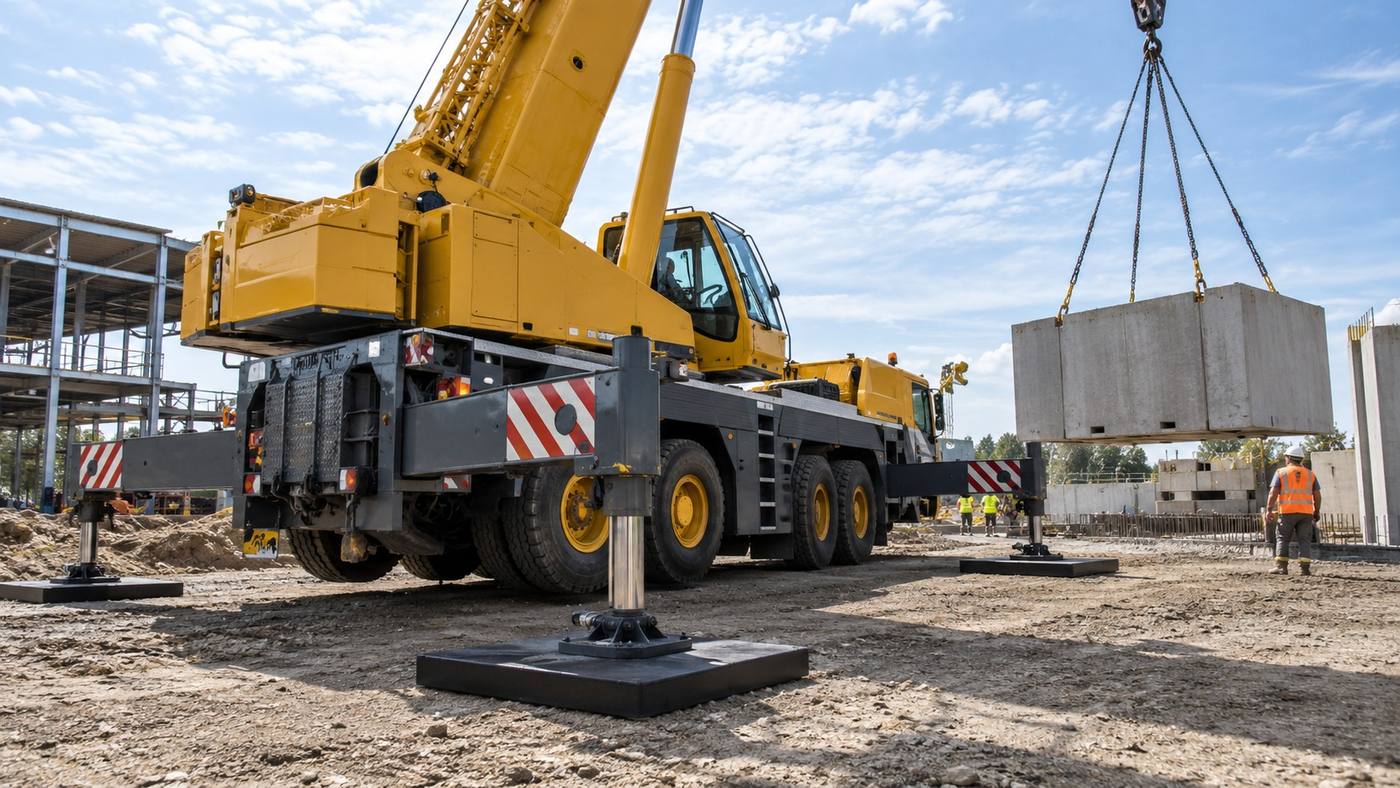
The power recovery project would require a reserve of paved floors, starting with a determination of vehicle traffic, stoppage of equipment and support for the crane. In the case of storm, typhoon or post-flood electrical circuit emergency recovery sites, the topic concerns how much of the electrical recovery project needs to be stored on pavements, which usually go through multiple stages of entry, construction, overhaul and evacuation, with variations in ground water content and traffic. The issue is most easily ignored when the test conditions differ and the nominal tonnage is directly compared to the miscalculated. The problem of grass-roots and drainage may have expanded if only ad hoc slabs were added after a vehicle has been trapped.
Four school-specific topics are available at sites, equipment, products and operations. Sites and equipment columns record disaster routes, water depth, soft-point range, car recovery type, order of arrival, emergency response time, public isolation and back-up materials. The product column lists sizes, thickness, texture, connection and batches, and the operating column indicates the status of the work, the basis of the test and the conditions of limitation in the request for and acceptance documents. Any one still relies on empirical speculation, which could lead to a re-emergence of miscalculation at the peak of the construction, with different test conditions but a direct comparison of the nominal tonnage. The information review should also adjust the frequency of inspections to the traffic, weather and abnormal frequency dynamics and include missing information as items to be confirmed for quotations and construction programmes.
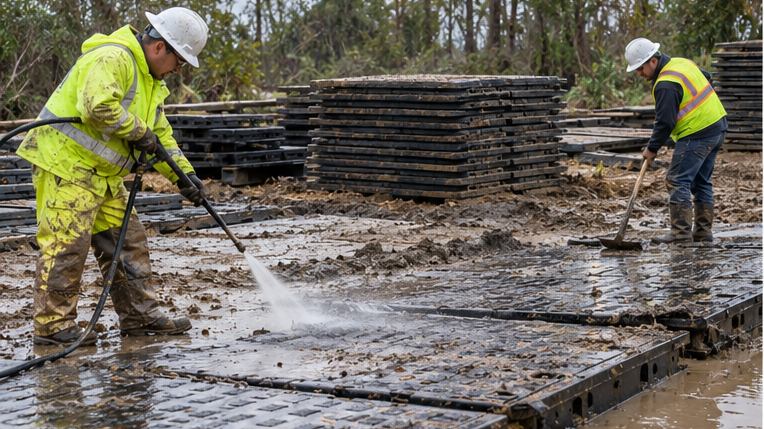
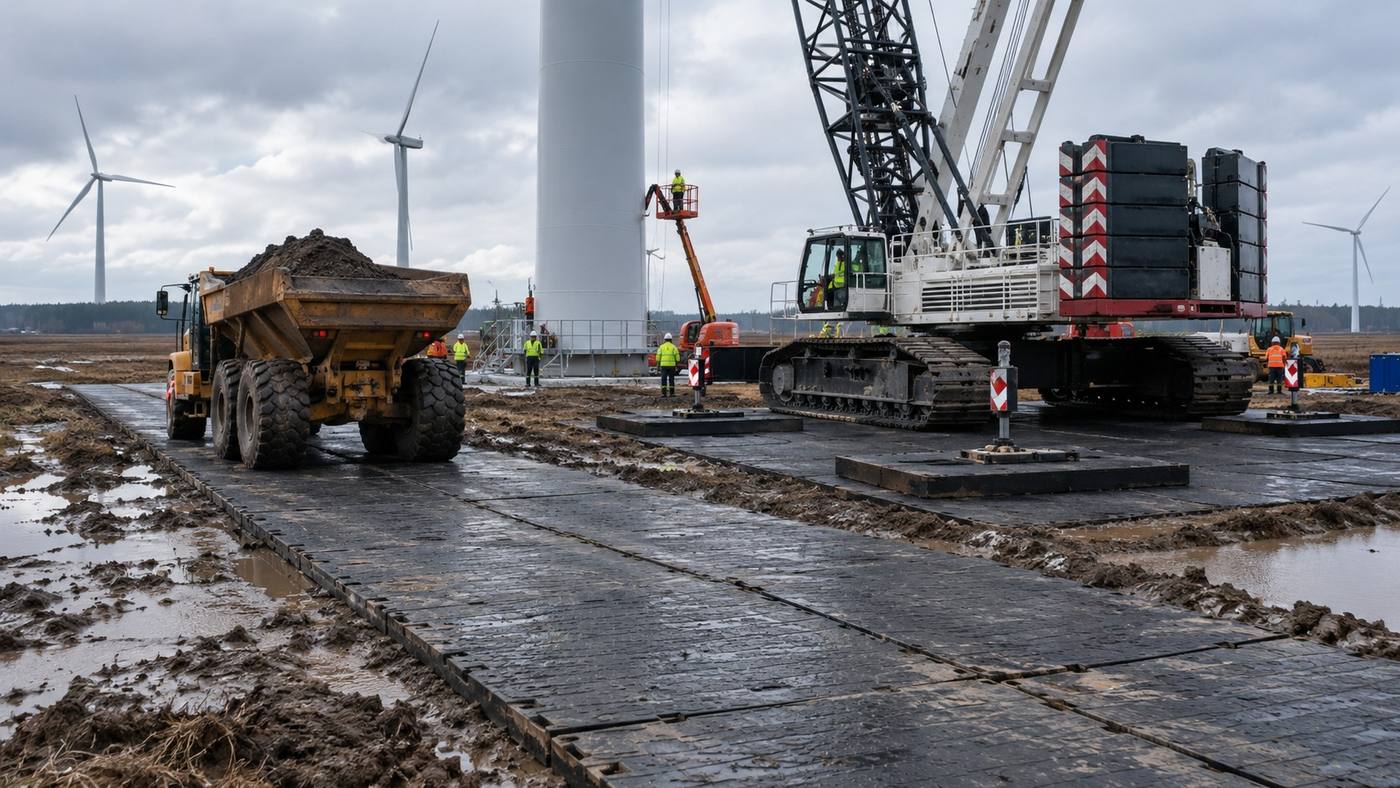
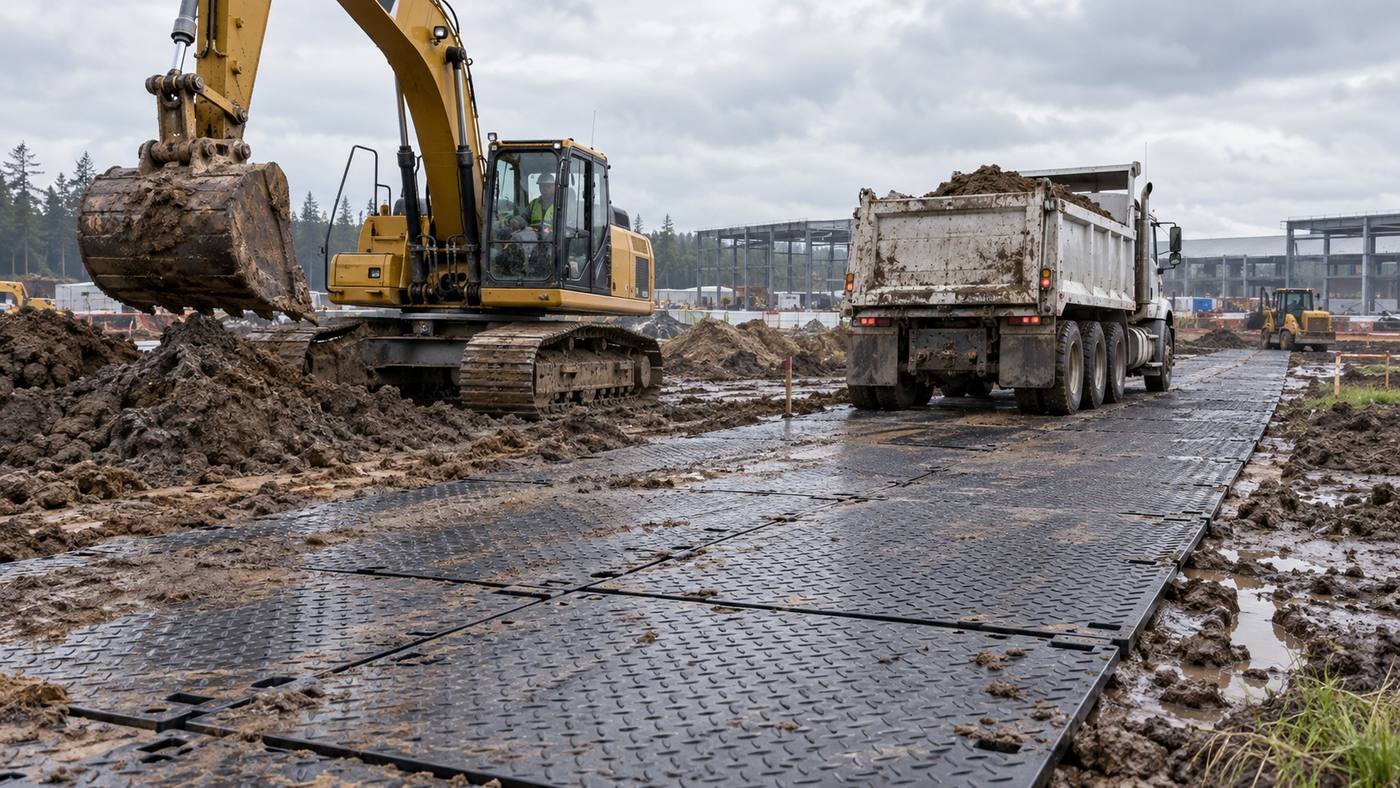
Figure: Emergency repair site for electrical circuits following heavy rains, typhoons or floods, with a focus on “How much pavements are needed for power recovery projects”
The site installation should be located with an approved drawing number, and the level, seam, edge and drainage should be inspected at each stage of completion. The speed of repairs cannot be a substitute for ground-based and traffic safety judgements, and the most critical rescue and equipment routes should be restored before heavy vehicles are opened on a segment basis. The test operation can first be carried out using a low-risk vehicle with a slow-speed straight-line and then gradually verify the turnover, parking and full-loading; it should be discontinued as soon as it is discovered that it continues to sink under the plate, pump mud or branch position. A test-pail record of “how much pavements will be required for the power recovery project” should indicate the starting-point location, vehicle status and release conclusions to facilitate review as construction conditions change.
The maintenance plan should include responsibility for key sections and feeder points, frequency checks, decommissioning thresholds and spare parts locations. A review of the conditions surrounding the identification of the work, the basis of the test and the limitations in the request for and acceptance documents can be found in a timely manner, but a direct comparison of the nominal tonnage results in error. Backup panels, connectors and handling tools are also synchronized to avoid mismatches in specifications on site. With regard to the amount of paved panels required for “power recovery” projects, the inspection forms need to show a separate list of test conditions but a direct comparison of the nominal tonnage resulting in a miscalculation change and an indication of the inspector and the time of return.
The impact assessment cannot be based solely on the movement of vehicles on the same day. The project compares vehicle waiting, trapping, maintenance hours, cleaning time, loss of connection, site restoration area and evacuation cycle, and records weather and traffic simultaneously. The question of whether this option is suitable for replication at the next energy project is determined by the creation of data based on different test conditions but directly comparing the data with miscalculated tonnage. This retrolet should also answer whether “the amount of paved panels required for power recovery projects” can be verified for improvement by placing in the request for and acceptance documents a description of the work, the basis for testing and the conditions of limitation, so as to avoid a subjective description of the closure.
This paper could serve as a technical discussion list for energy projects, but not as a separate construction permit. The project will also require a written programme of transport organization, temporary structures, electrical safety, fire protection, weather emergencies and site restoration systems, and a review of key carrying and stabilization conditions by authorized personnel.
Need for further evaluation of the actual project?
Applications, sizes, quantities, site photographs or drawings and delivery destinations are sent, on which we can identify more suitable products and processing programmes.