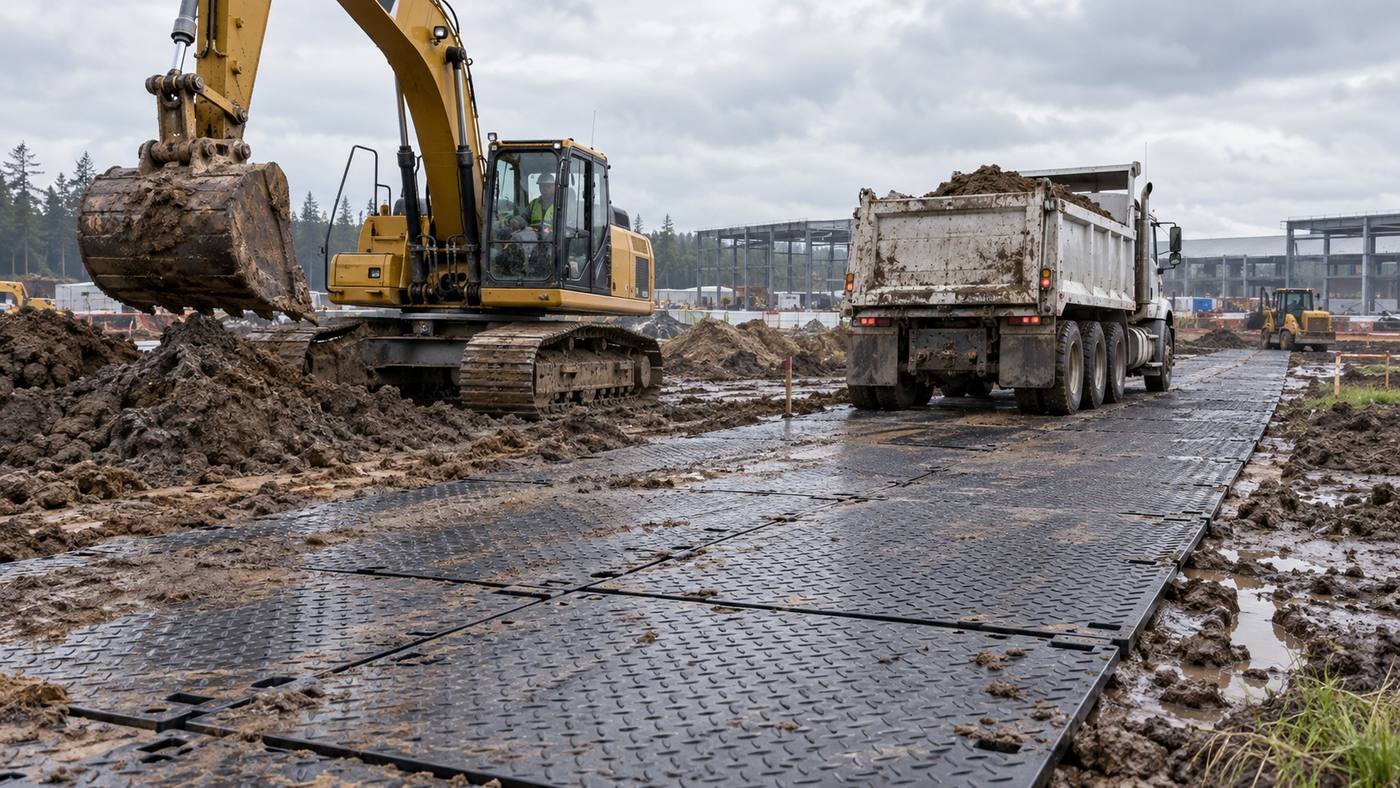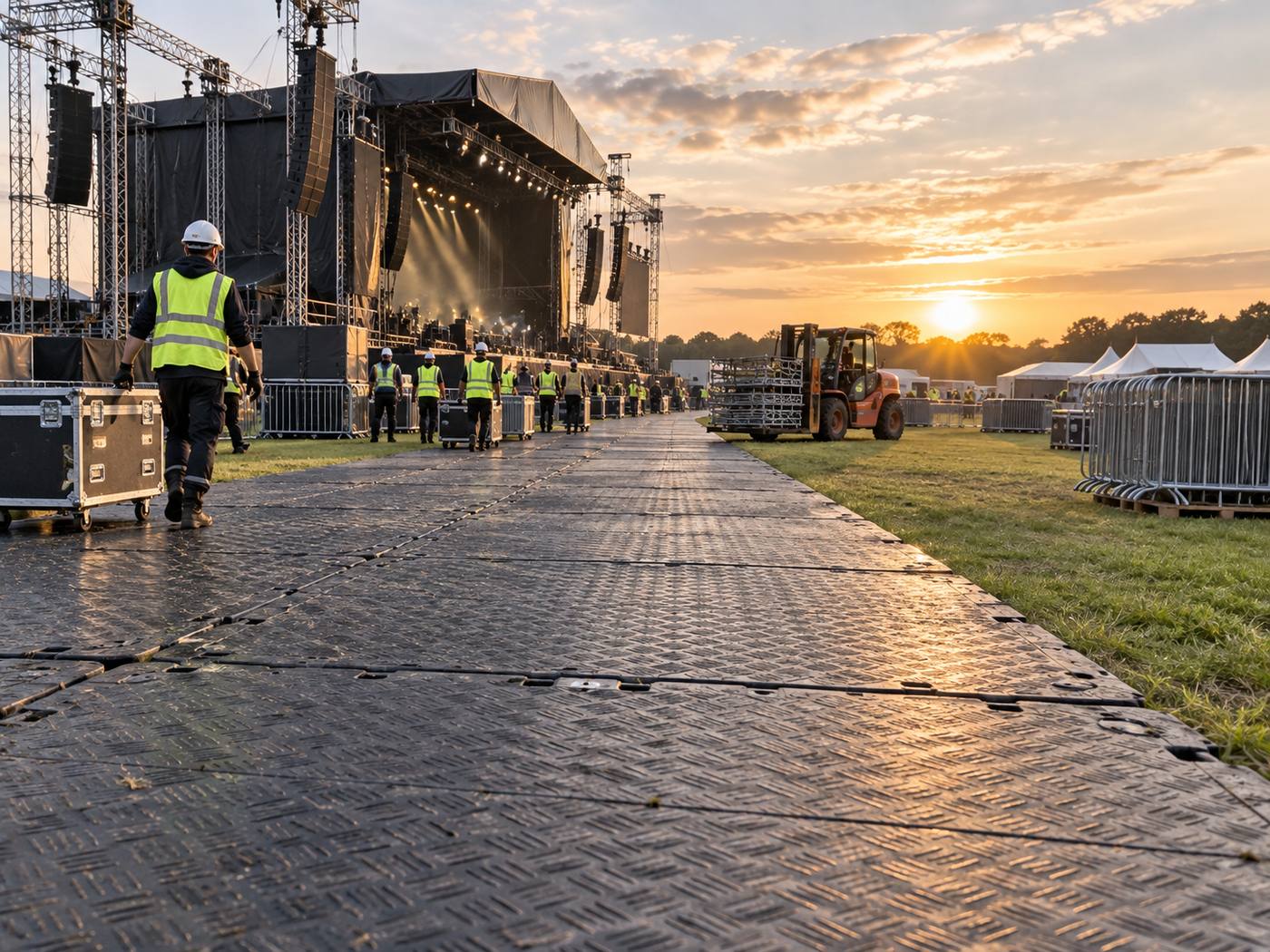
Answering how the number of circuit boards for power transmission works was estimated to be fixed figures that did not leave the site. Taki, Wiring and Repairs along the transmission line, this topic concerns how “the number of transmission boards is estimated” is influenced by weather, terrain, vehicle and organizational patterns, and the increase in secondary crushing and restoration costs as a result of the fallout sequence is only visible. The project should mark the soft spots, slopes, drainage, underground facilities and vehicle tracks on a single map to bring technology, construction, HSE and procurement data into line.
If the project needs to be accompanied by a pavement and a mat, an optional table should be established. The former are dominated by continuous support on the route, axle and the grass-roots level, while the latter are dominated by maximum reversibility of the legs and allowing for ground bearing. Combining the total weight of the most heavy vehicles with axle loads, tower distance, route width, slope, soil water content, underground facilities and rainy-season windows to account for the minimum effective area of the leg pads based on maximum reversibility and endurance, it is possible to avoid using both products as alternative components. The information review should also include a breakdown of net area, turnover balance, back-up and wear and tear rates and include missing information as items to be confirmed in the quotation and construction programme.
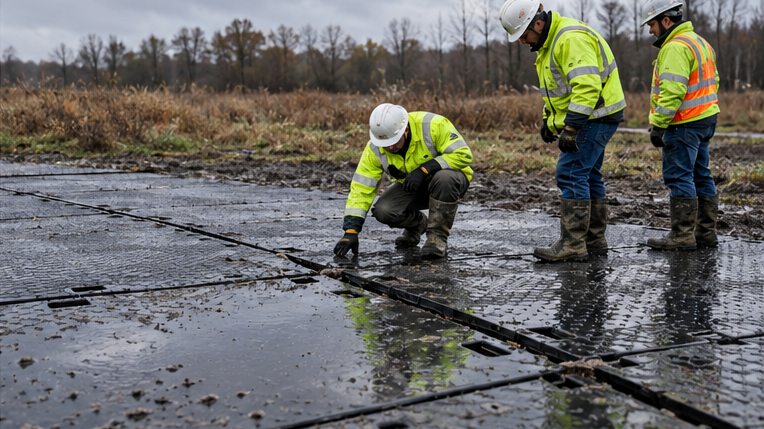
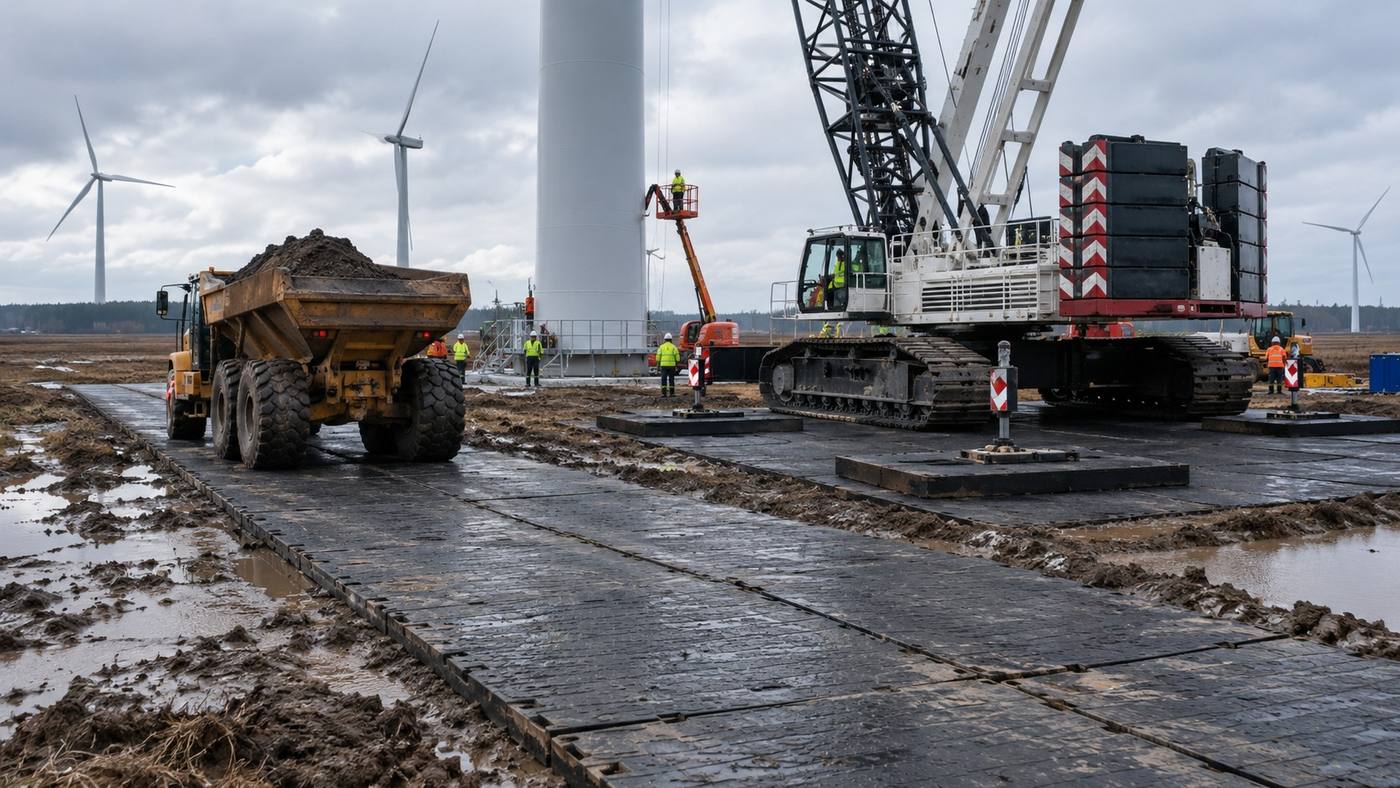
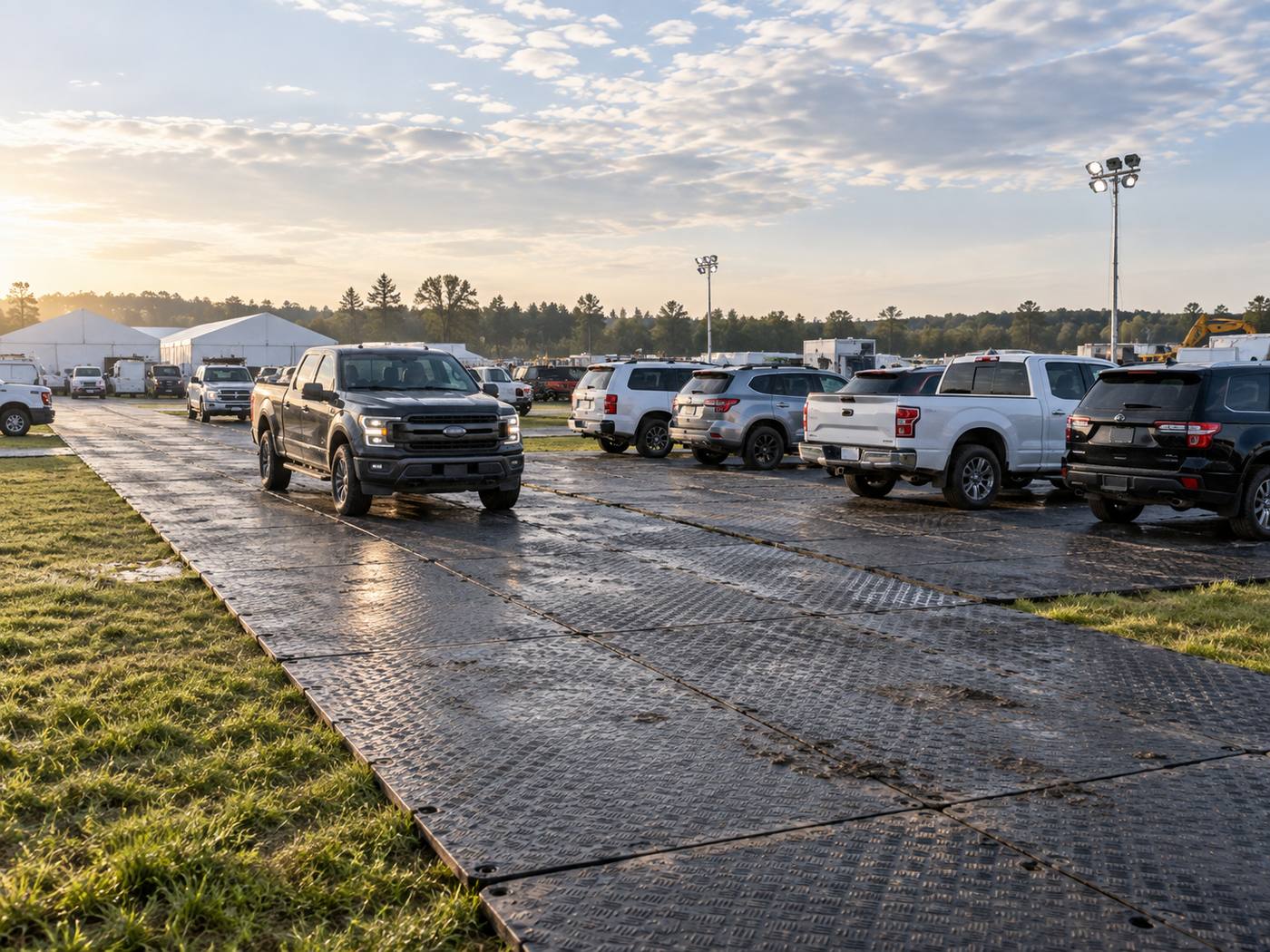
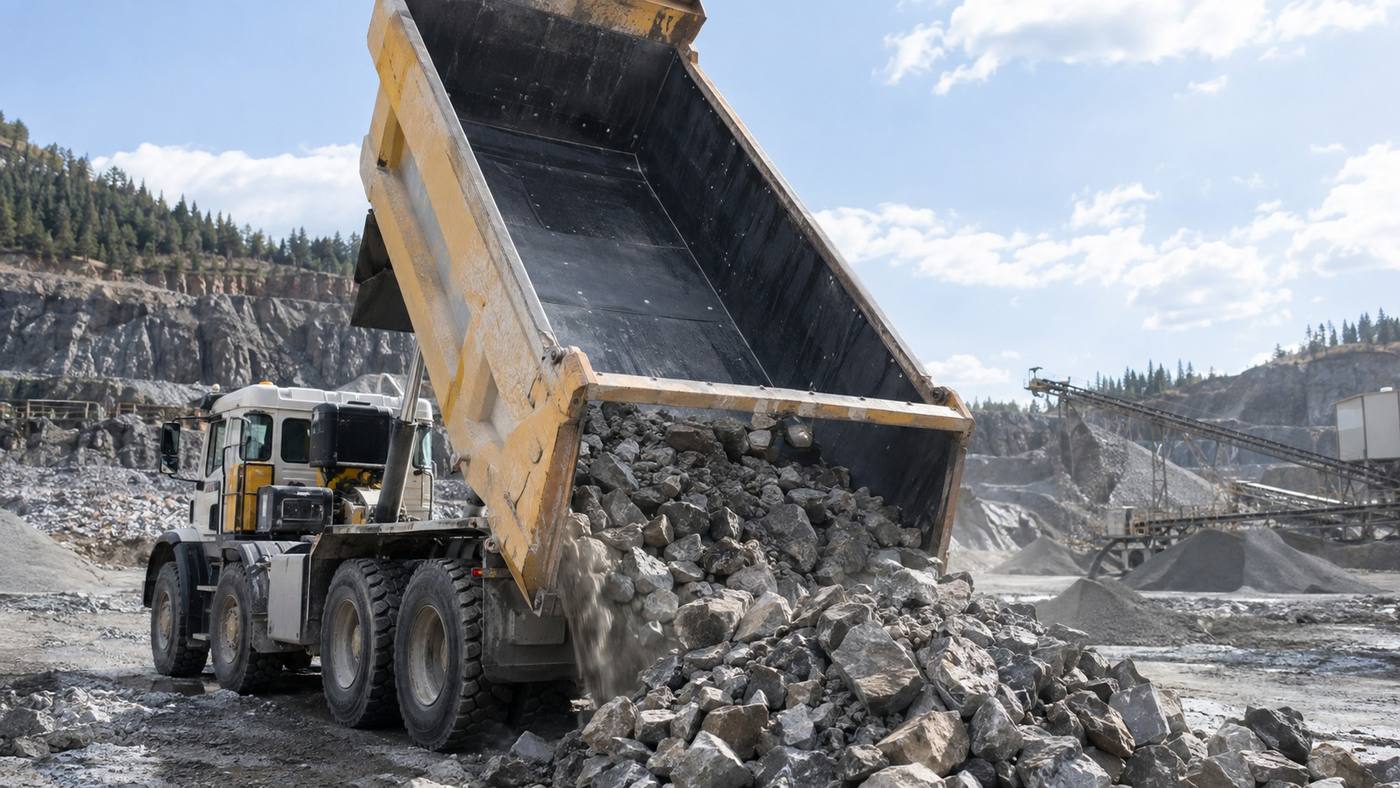
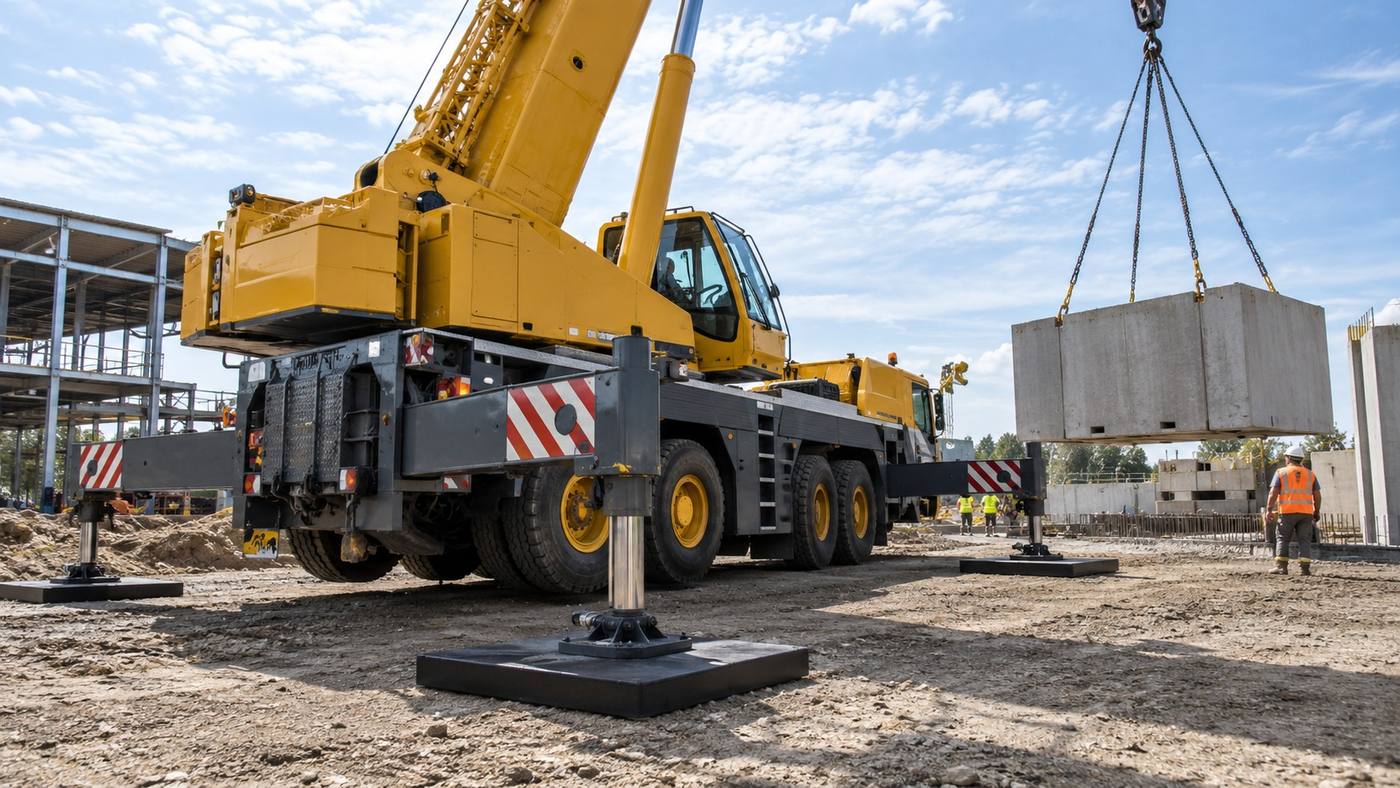
Figure: Taki, wiring and repair work along the transmission line, with a focus on “How to estimate the number of transmission panels”
Pre-implementation should be preceded by the containment of routes, the removal of sharp stones, stakes and miscellaneous items that may form a spot load, the repair of deep-pit tracks and the removal of horizontal drainage. Consistency routes are accounted for separately from the work surfaces of the Taki, and the sheeting is used to spread the wheel, while the slinging points use the appropriate leg pads in accordance with the equipment manual. The plates should be prepared continuously at the stabilization end, with the bends, reverses and parking areas being expanded as appropriate; the leg mats should be flat, intermediated and in full contact, and it should not be allowed to be filled with random stacking. The trial-paint record of “the number of paved panels for power transmission work” should indicate the starting point, vehicle status and release conclusions to facilitate review following changes in construction conditions.
The inspection cannot be “normal” only. It should be identified on a case-by-case basis around drainage, sutures, shoulders, tracks, connectors, subsurface facility markings and whether the vehicle is pressurized and divided into three levels of observation, restriction and decommissioning. A fixed photo angle and measurement benchmark should be set for critical points formed by the lowest effective area of the leg pads based on maximum retroactivity and durability. A loose connection, a permanent deformation, a breach through or a deviation of a branch shall be immediately isolated. With regard to the “calculation of the number of peddlers” surrounding the power transmission project, the inspection forms were to be presented in a separate series of ceremonial errors leading to a change in the secondary crushing and recovery costs, and to an indication of the inspector's time of return.
A reset is to distinguish between product problems and changes in condition. The original programme may no longer be appropriate if the vehicle is heavy, routed, rainfall increases or cover periods are extended. These changes are recorded together with the results of the implementation of the lowest effective area of the leg pads, based on maximum retroactivity and endurance, and the next time it is known whether the thickness, width, quantity or construction organization should be adjusted. It should also answer whether the “how to estimate ground protection mats” of the power transmission project has been certified as an improvement by accounting for the lowest effective area of the leg pads on the basis of maximum retroactivity and local durability, avoiding a subjective description of the closing item.
The construction, equipment, HSE and logistics team should confirm the use of the same version of data before the procurement is issued. The common dimensions, thickness or reference load range referred to in this paper are not on-site commitments and actual performance is influenced by materials, temperature, foundations, connections and installation patterns, and the recommended results should indicate assumptions and no application.
Need for further evaluation of the actual project?
Applications, sizes, quantities, site photographs or drawings and delivery destinations are sent, on which we can identify more suitable products and processing programmes.