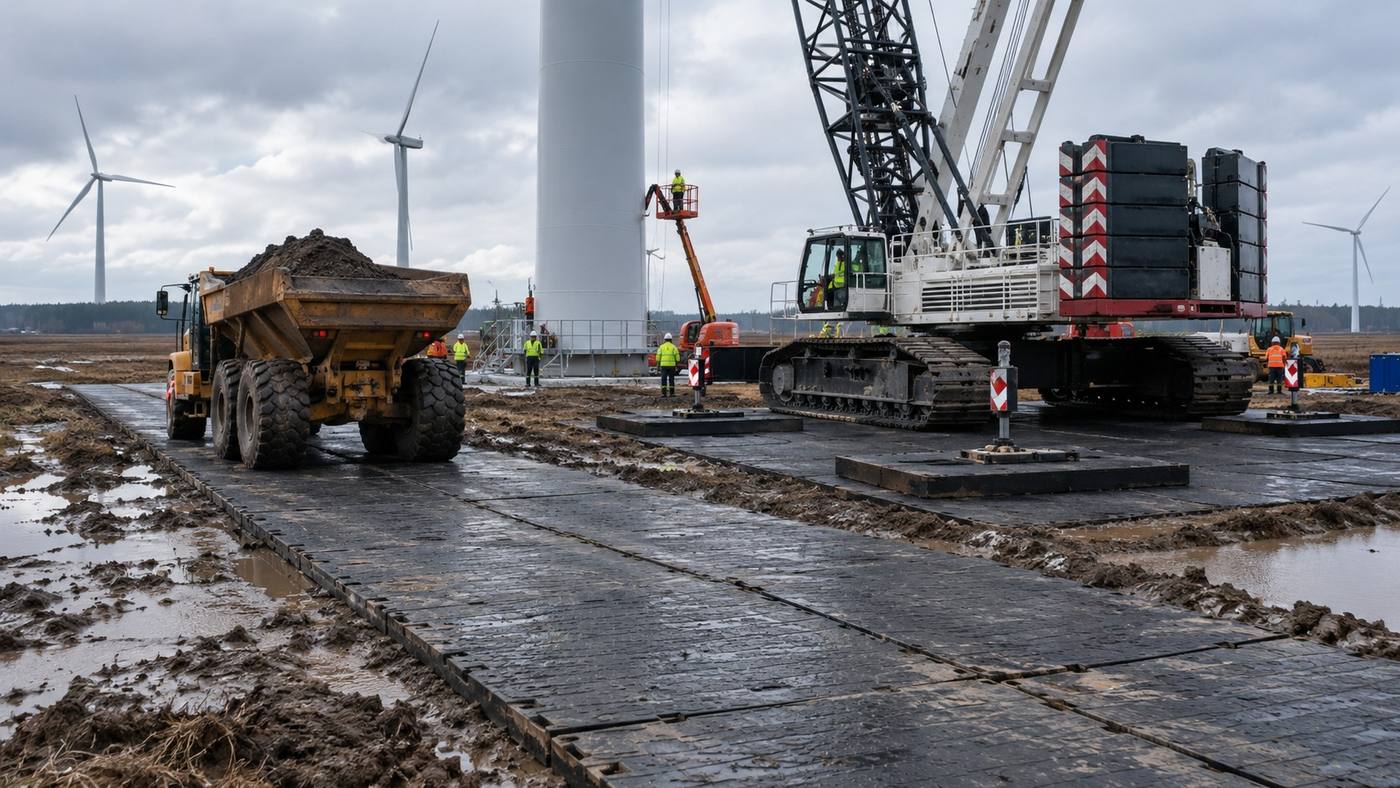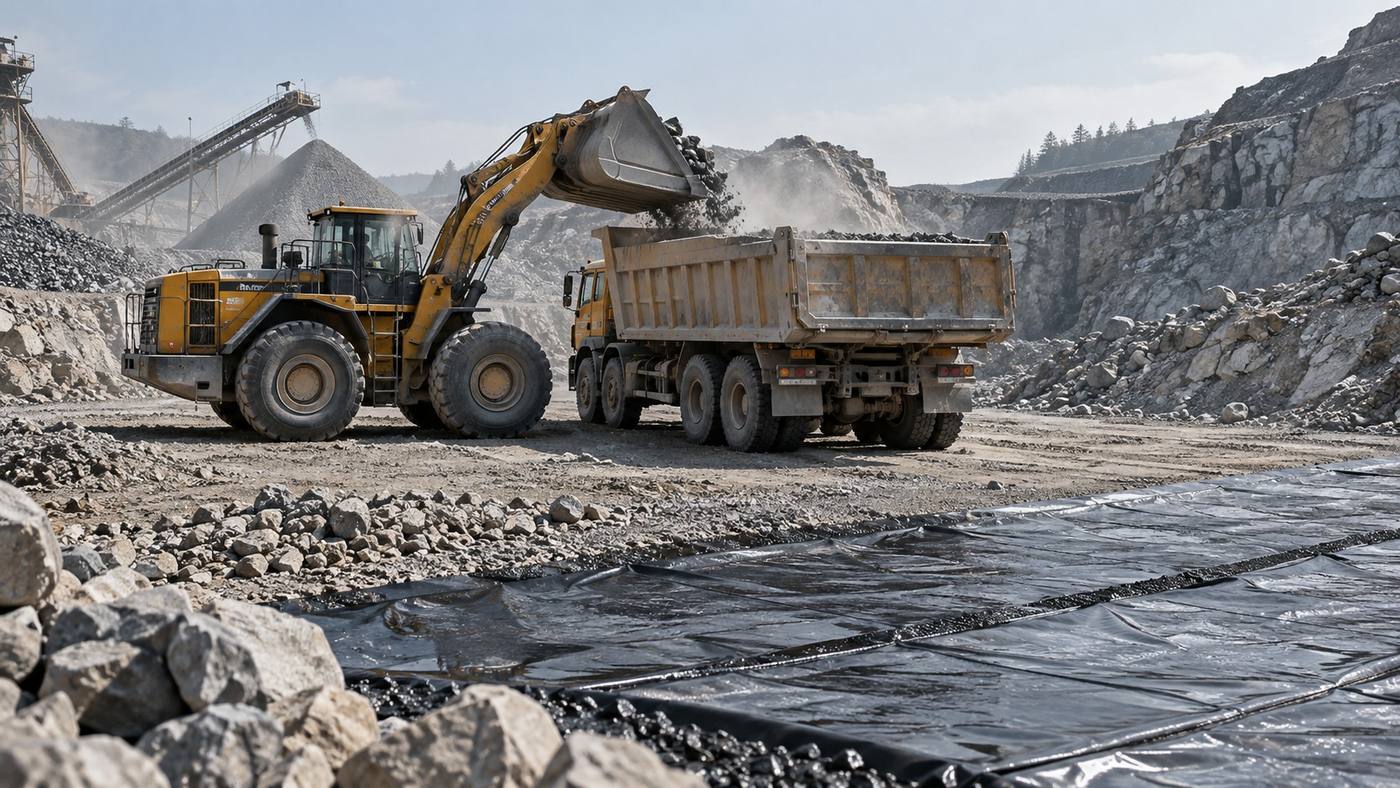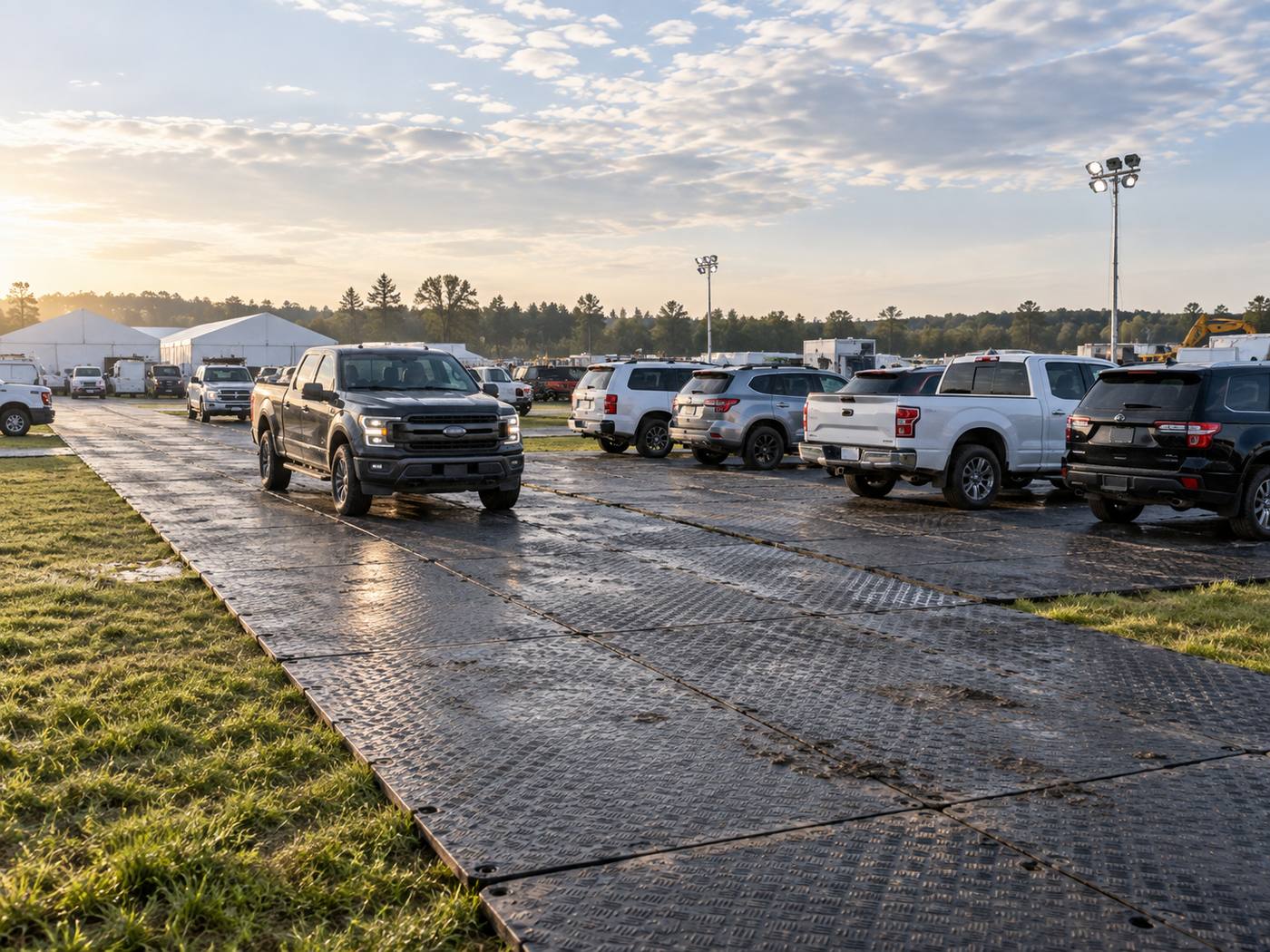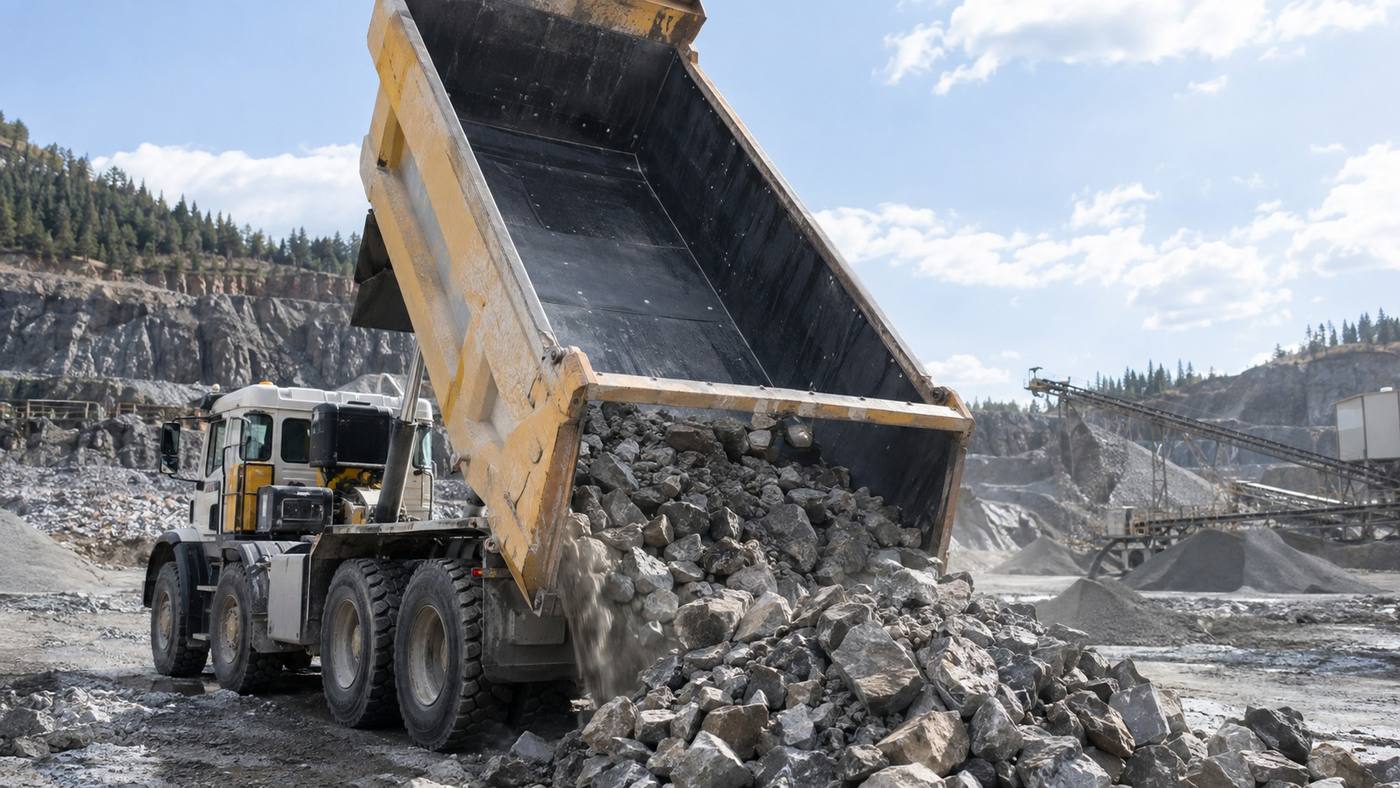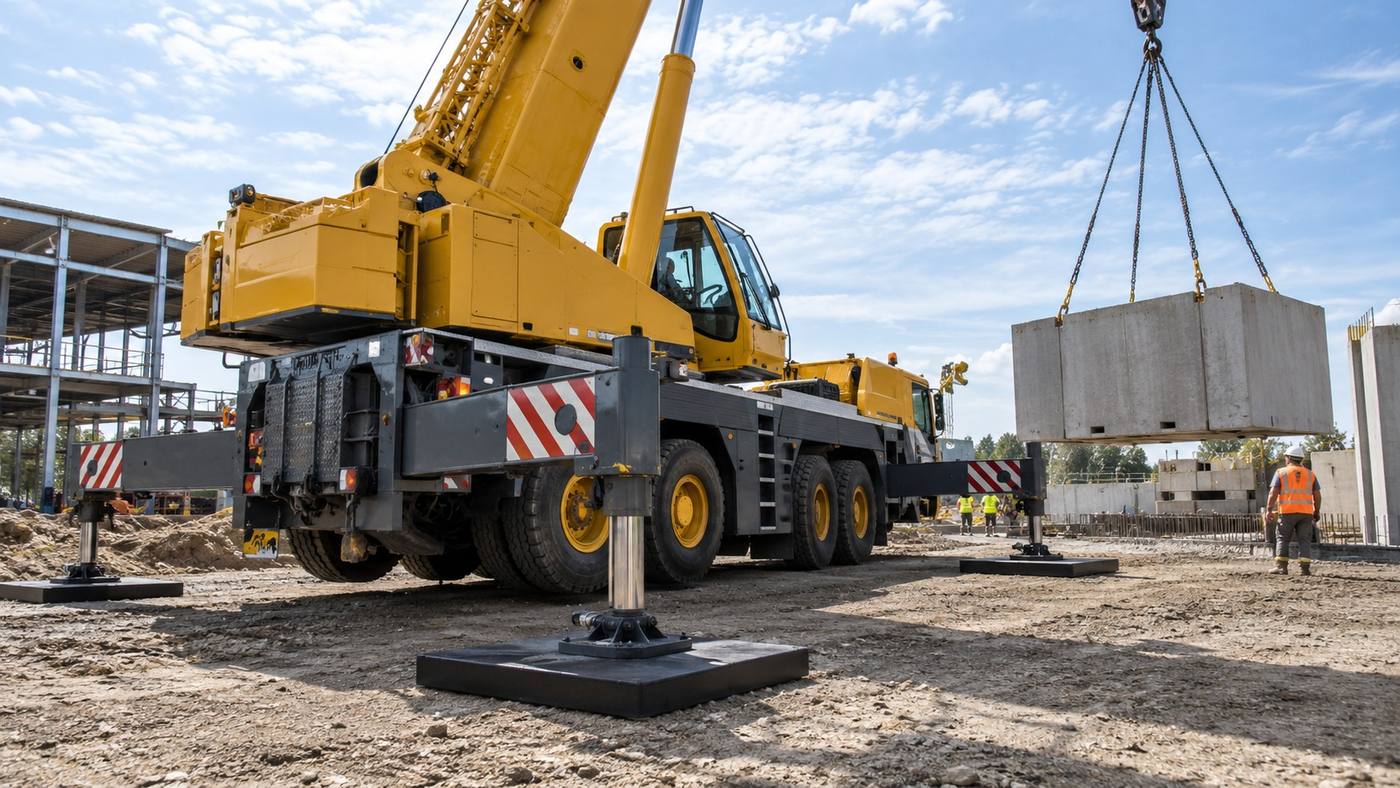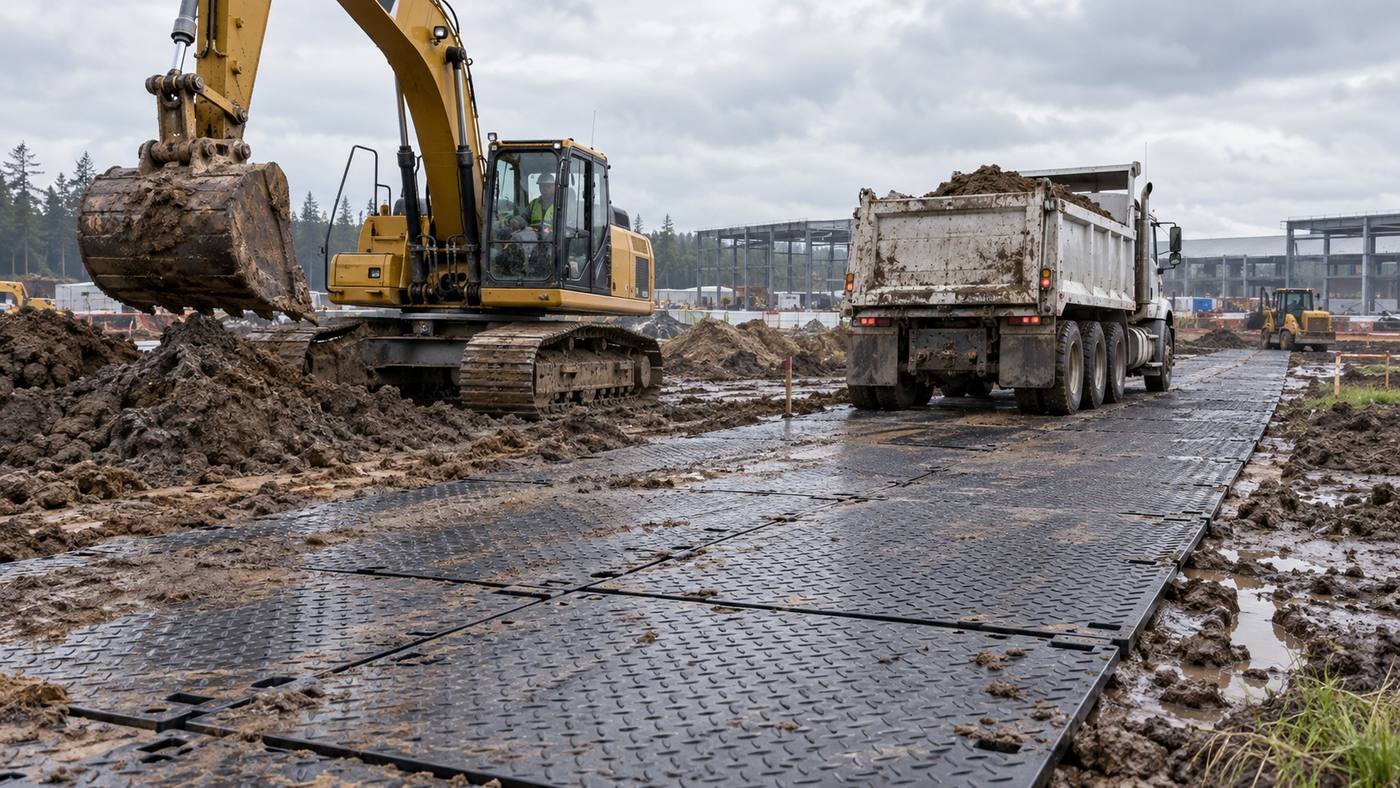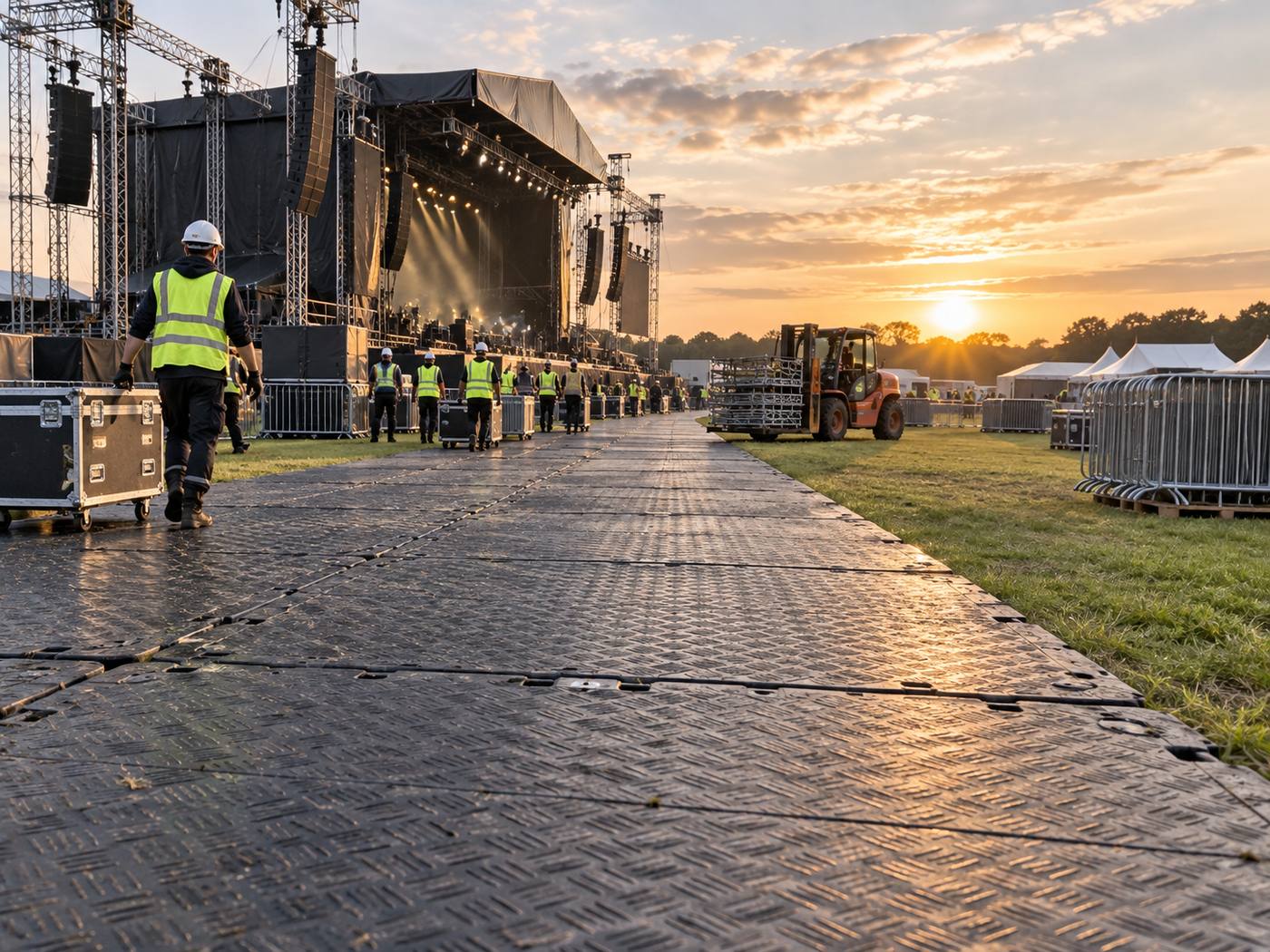
The construction of a power tower in the mountains will address the entry of the equipment, starting with the determination of vehicle traffic, stopover of the equipment and the support of the crane. The subject of taki, wiring and overhauls along the transmission line is concerned with “How the construction of the turbo-based in mountain areas can solve the equipment entry” which usually follows multiple stages of entry, construction, overhaul and evacuation, and changes in ground water content and traffic. The most susceptible to neglect is the significant increase in local pressure caused by static, brakes and turnovers. The problem of grass-roots and drainage may have expanded if only ad hoc slabs were added after a vehicle has been trapped.
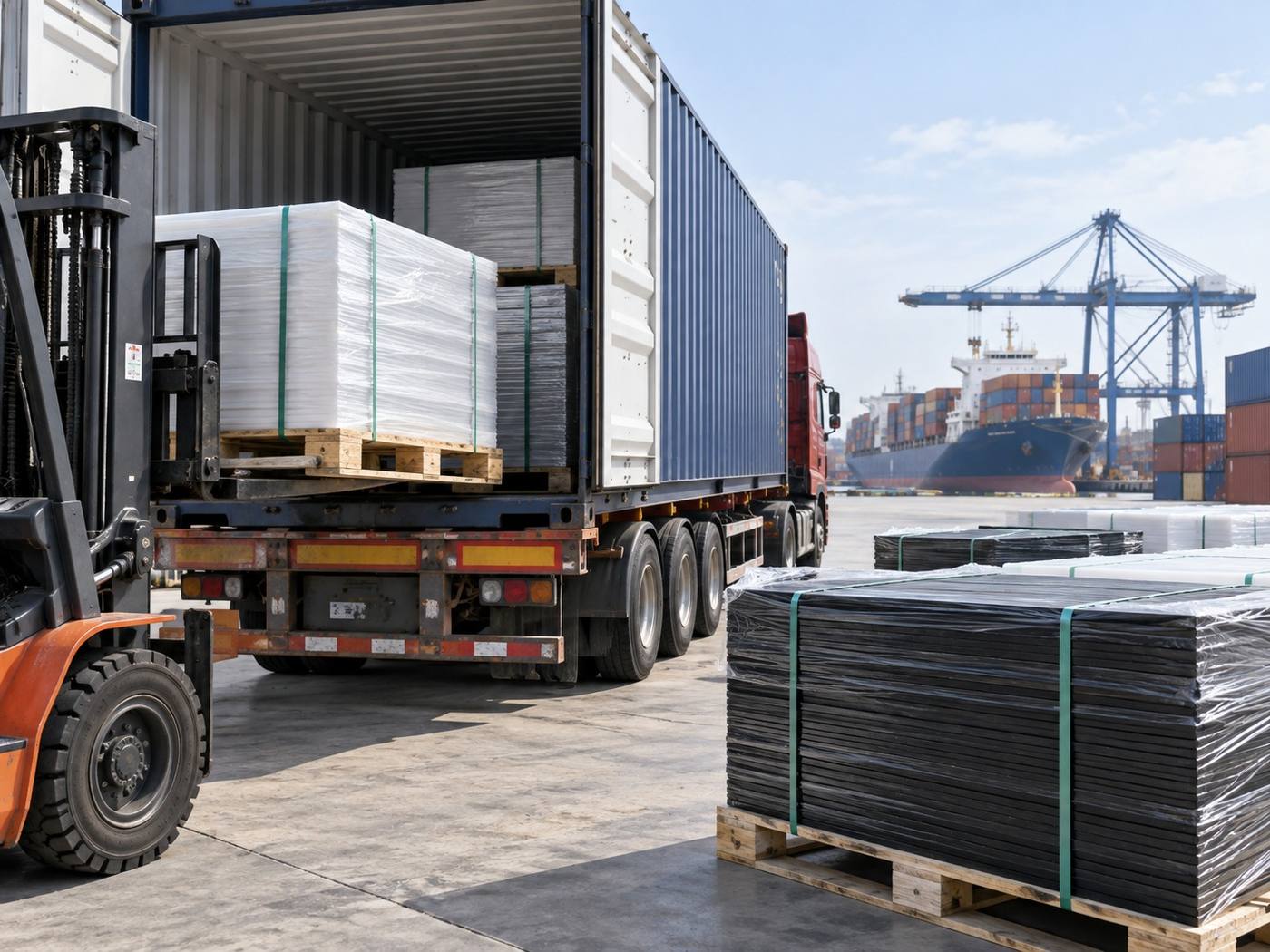
The procurement staff shall submit the site maps, vehicle schedules and maximum vehicle gross weight to axle load, tower distance, route width, slope, soil water content, underground facilities and rainy season windows along with the request for quotations, and shall mark the position where static, brakes and turns will significantly increase the potential for local pressure. The programme can be configured on the basis of the approved road map, numbering and inspection log management on-site changes. For the whole container procurement, the quantity of the container, the pallet or bundle, the offloading equipment, the destination port and the conditions of storage at the site should also be confirmed in advance. The information review should also map the change in the slope, the capacity of the equipment to climb and the brake area of the slope, and include the missing information as an item to be confirmed in the quotation and construction programme.
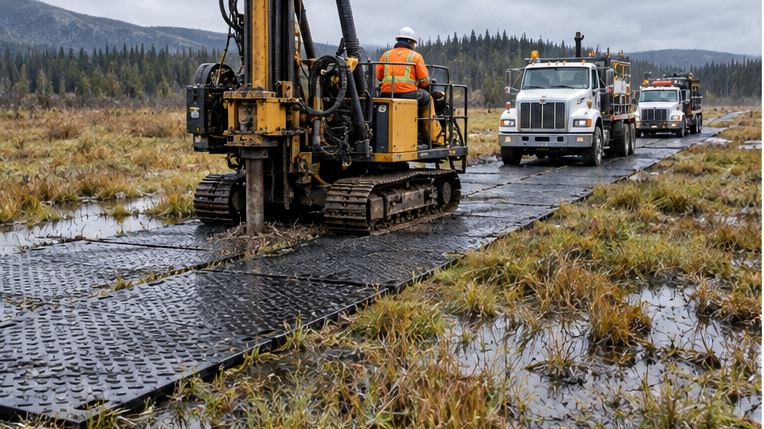
Figure: Taki, wiring and repair operations along the transmission line, with a focus on “How the construction of the Taki in the mountains can resolve the entry of equipment”
The construction organization is as important as the product specifications. Operators should use means of moving a single load, with the vehicle being directed by a commander, without brakes, in situ wheeling or constant pressure. Consistency routes are accounted for separately from the work surfaces of the Taki, and the sheeting is used to spread the wheel, while the slinging points use the appropriate leg pads in accordance with the equipment manual. Changes in traffic routes, repositioning of equipment or heavy rainfall are followed by a re-examination of the continued applicability of the original programme. Test-painting records for the “How the construction of a mountain tower will address the entry of the equipment” should indicate the starting and ending position, vehicle status and release conclusions to facilitate review as the construction conditions change.
The inspection cycle can be shortened at an early stage of use and then stabilized before adjusting to vehicle cycles and weather. The maintenance staff focused on water drainage, sutures, shoulders, tracks, connectors, underground facility markings and vehicle pressure, as well as on the driver ' s compliance with speed limits and turnover requirements. Any unconfirmed sub-board support, edge instability or foot contact should first be disabled. The inspection form, which revolves around “how the construction of a mountain power tower will address the entry of the equipment”, contains a separate column of changes in static, brakes and turnovers that significantly increase the local pressure and indicates the time taken by the inspector and his/her return.
The impact assessment cannot be based solely on the movement of vehicles on the same day. The project compares vehicle waiting, trapping, maintenance hours, cleaning time, loss of connection, site restoration area and evacuation cycle, and records weather and traffic simultaneously. Once data are built around static, brakes and turnovers, which significantly increase local pressure, it will be possible to judge whether the programme is suitable for replication at the next energy project. It should also answer whether “How the construction of a mountain transmission tower will address the entry of the equipment” has been validated and improved by managing on-site changes using approved road maps, numbers and inspection logs, so as to avoid only subjective descriptions.
This paper could serve as a technical discussion list for energy projects, but not as a separate construction permit. The project will also require a written programme of transport organization, temporary structures, electrical safety, fire protection, weather emergencies and site restoration systems, and a review of key carrying and stabilization conditions by authorized personnel.
Need for further evaluation of the actual project?
Applications, sizes, quantities, site photographs or drawings and delivery destinations are sent, on which we can identify more suitable products and processing programmes.