Energy projects often place transport, parking and cranes in adjacent areas, so power recovery across roadside ditches requires a clear design boundary for each type of area. Emergency repair sites for electrical circuits following heavy rains, typhoons or floods focus on “how electricity can be repaired across the canals of the roadside” and, if quoted only for the total area, it is easy to miss out on the turns, legs and recovery routes. A temporary change in the construction route would result in vehicles entering unprotected areas, as well as the failure of otherwise sufficient direct sections at peak.
A one-time collection of disaster routes, water depth, soft-point range, recovery model, field order, emergency time frame, public isolation and reserve materials is recommended before design and request for quotations. The topic could begin with a programme of “continuing coverage according to the most adverse vehicle, complete wheel and weather change planning”. The standard 15, 20, 25 and 30 mm specifications for paving boards can only be used as the starting point for communication, with the actual selection being combined with materials, size, thickness, single weight, texture, connection, grass-roots support and supplier testing conditions. The information review should also identify the direction of the subsurface water flow and set up drain exits that can be inspected and include missing information as an item to be confirmed for quotations and construction programmes.
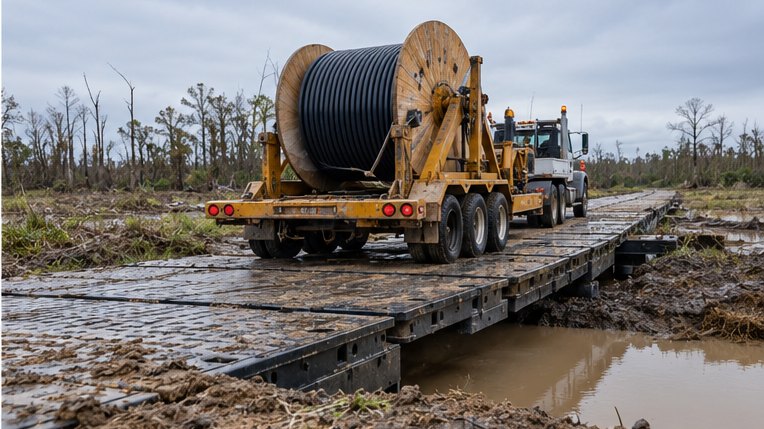
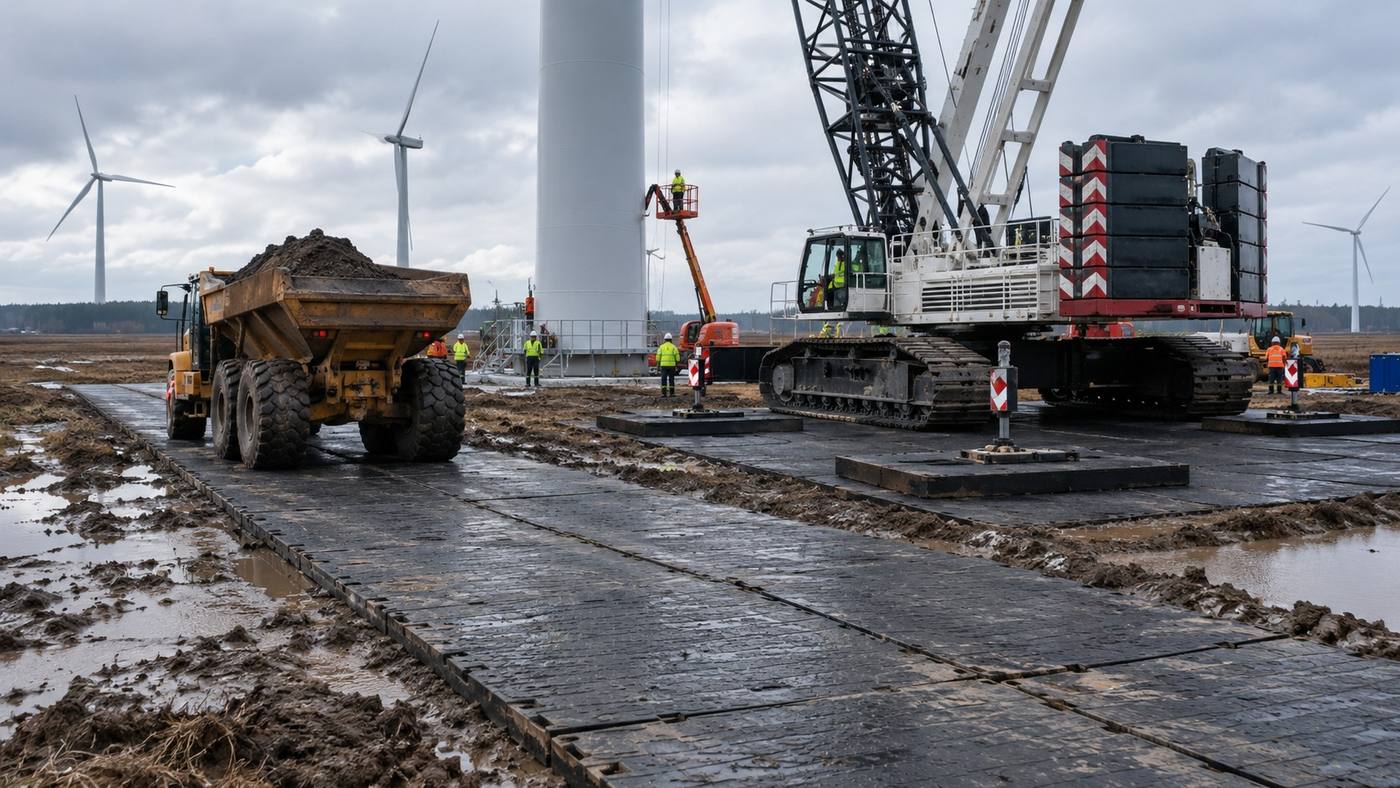
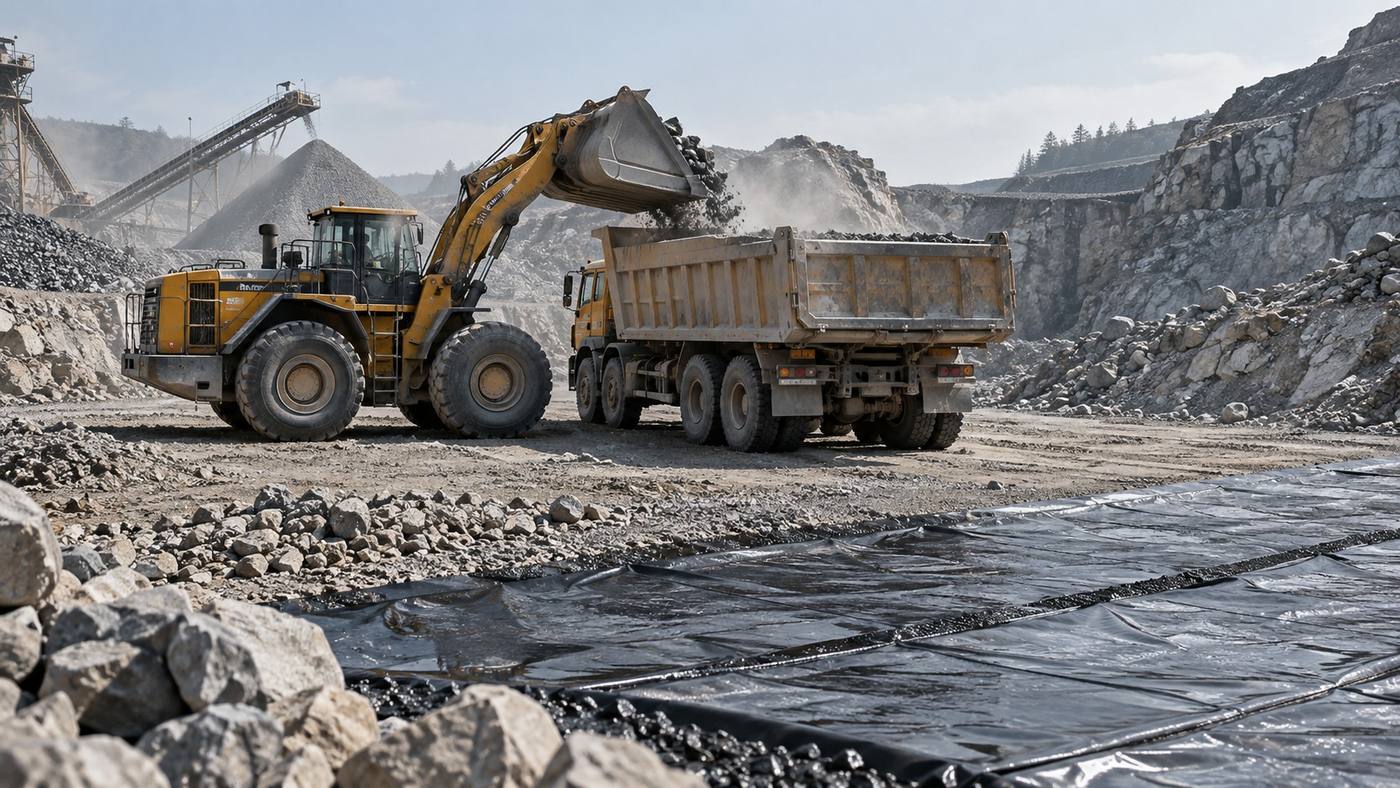
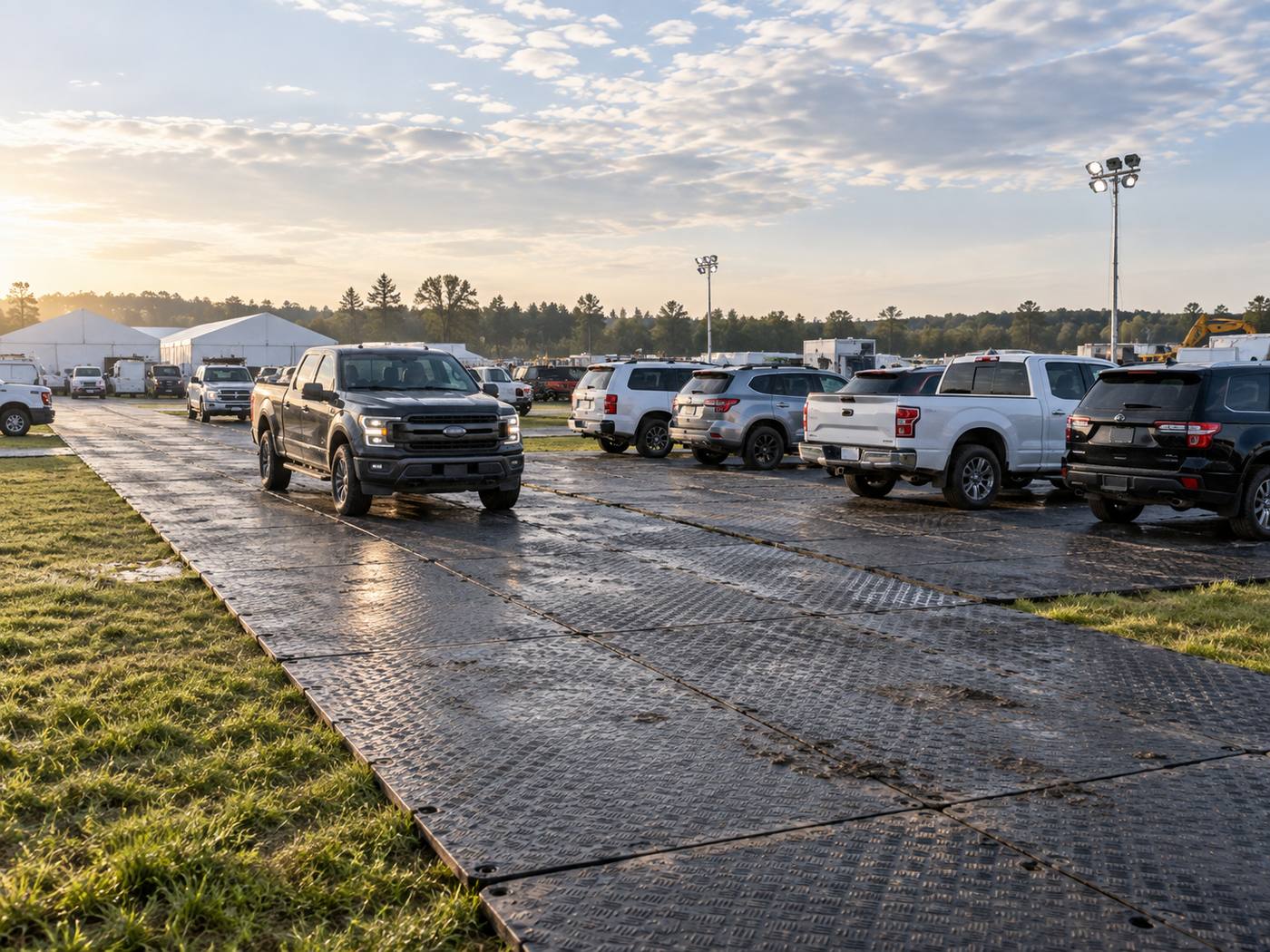
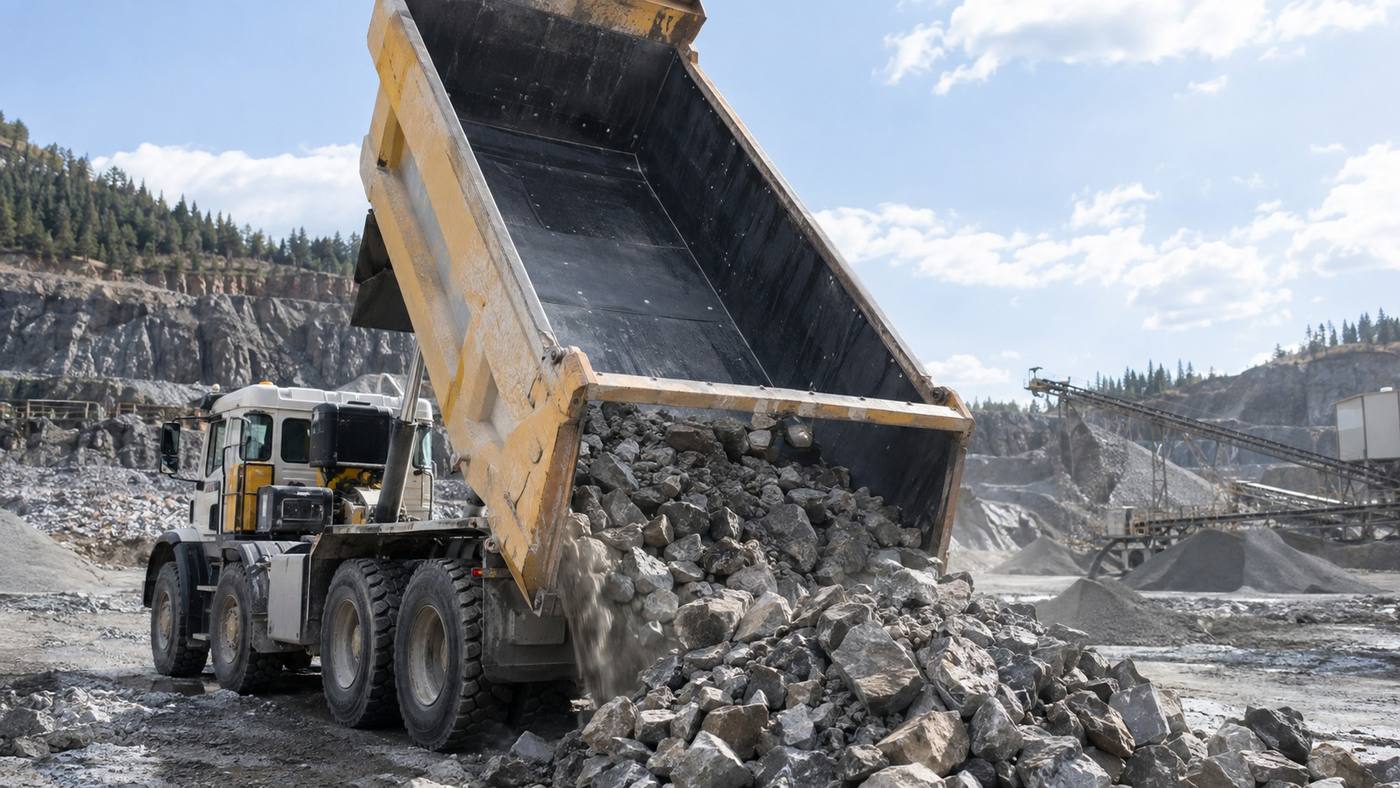
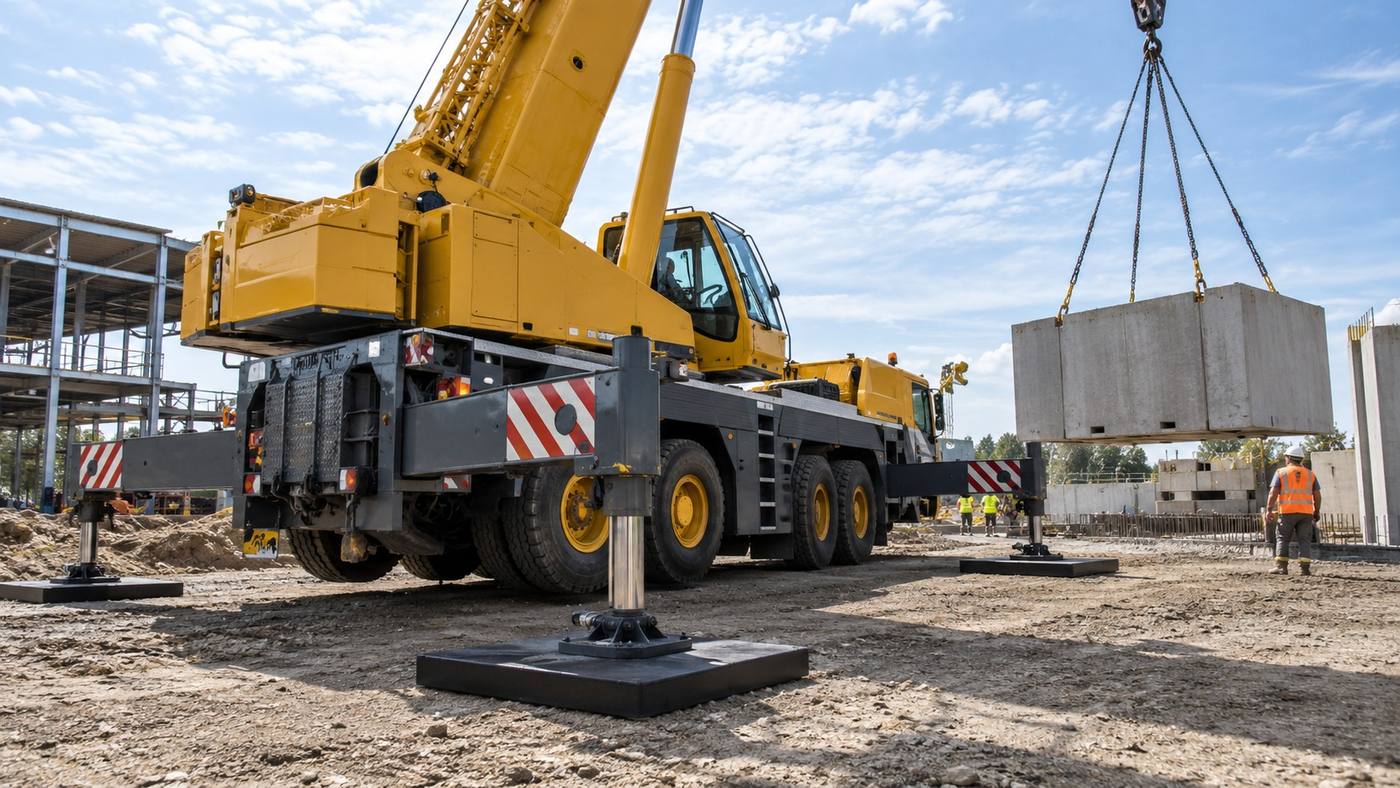
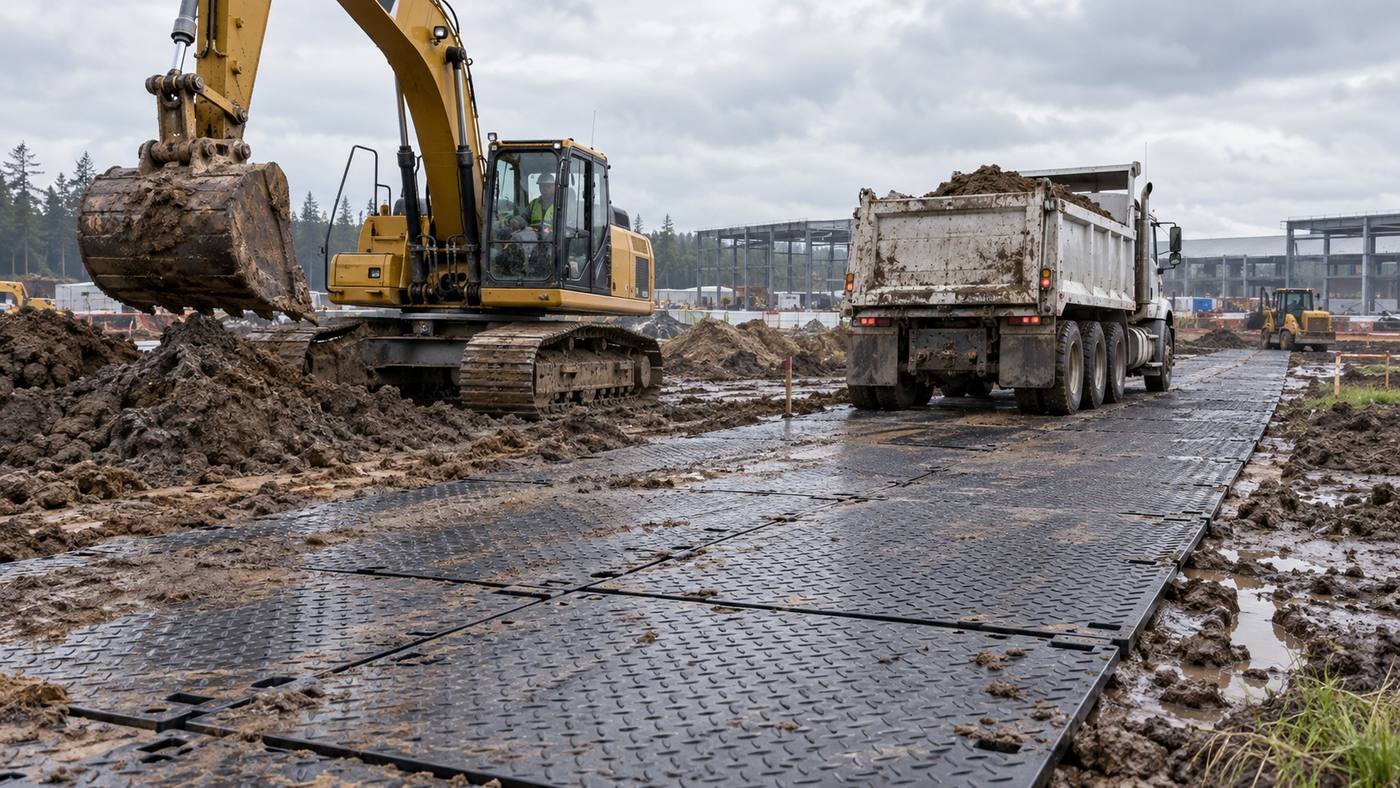
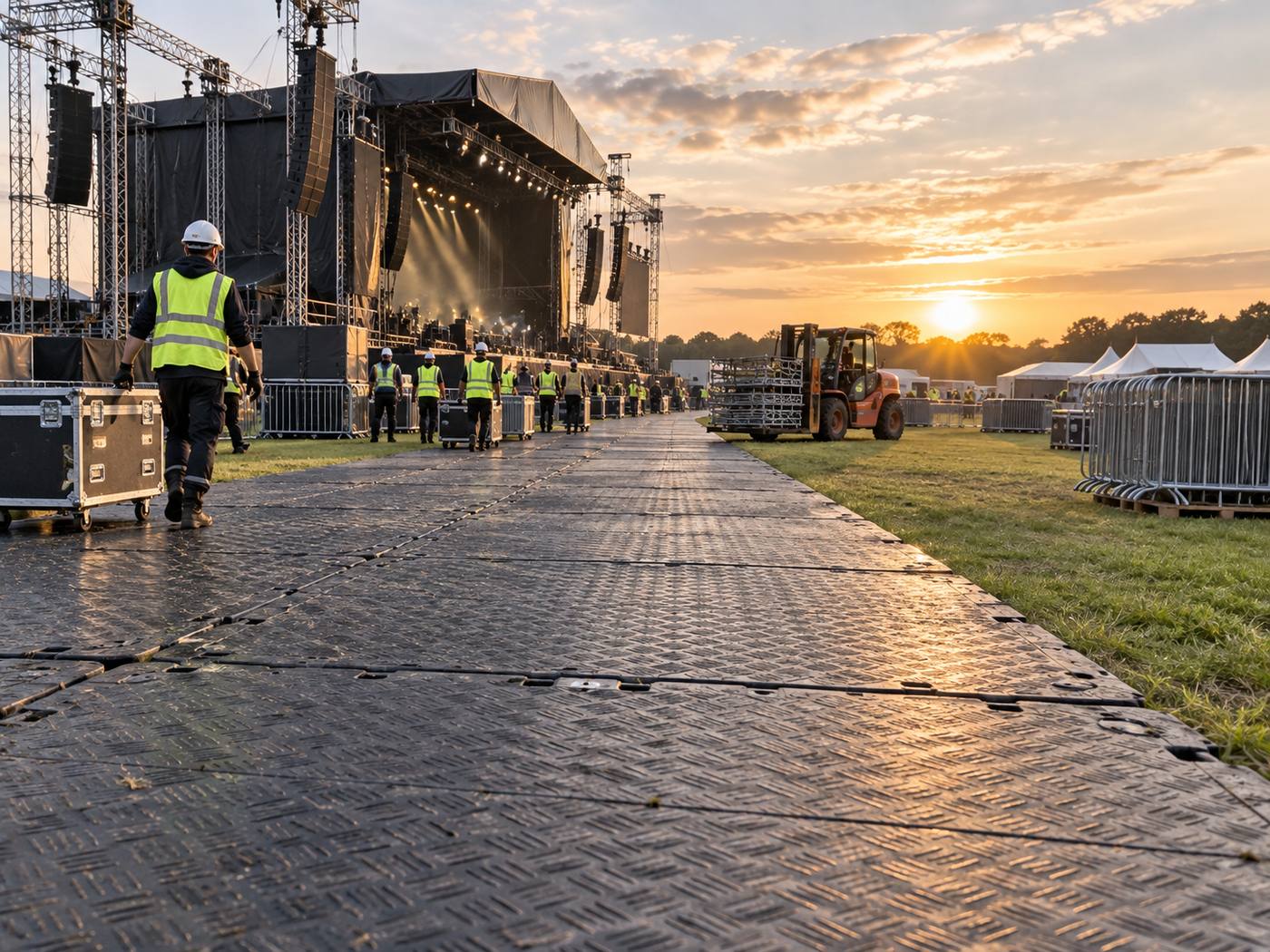
Figure: Emergency recovery site for electrical circuits following heavy rains, typhoons or floods, with a focus on “how power recovery crosses the roadside ditches”
The drainage direction, soft spots and support under the plate should be compared before and after the rainfall, and the water should not be enclosed under the plate. The speed of repairs cannot be a substitute for ground-based and traffic safety judgements, and the most critical rescue and equipment routes should be restored before heavy vehicles are opened on a segment basis. In the event that a temporary change in the construction route has caused the vehicle to enter an unprotected area, the area should be sealed, the floor must be lifted and the drainage should be re-connected; the reason cannot normally be eliminated by cleaning the surface or adding a single sheet. The test-pail record of “how to fix the power to cross the roadside ditches” should identify the starting point, vehicle status and release conclusions to facilitate review as construction conditions change.
The inspection should not only be “normal”, but should be identified on a case-by-case basis around water accumulation, pumping mud, plume, vehicle congestion, leg deposition, lighting, public isolation and connection, and should divide anomalies into three levels of observation, restriction and decommissioning. For key points that are planned for continuous coverage by the most disadvantaged vehicles, complete wheels and weather changes, fixed photo angles and measurement benchmarks should be set. A loose connection, a permanent deformation, a breach through or a deviation of a branch shall be immediately isolated. The inspection form, which revolves around “how electricity can be repaired across the roadside canals”, contains a separate list of temporary changes in the construction route that allow the vehicle to enter the unprotected area and indicates the repeater and the time of return.
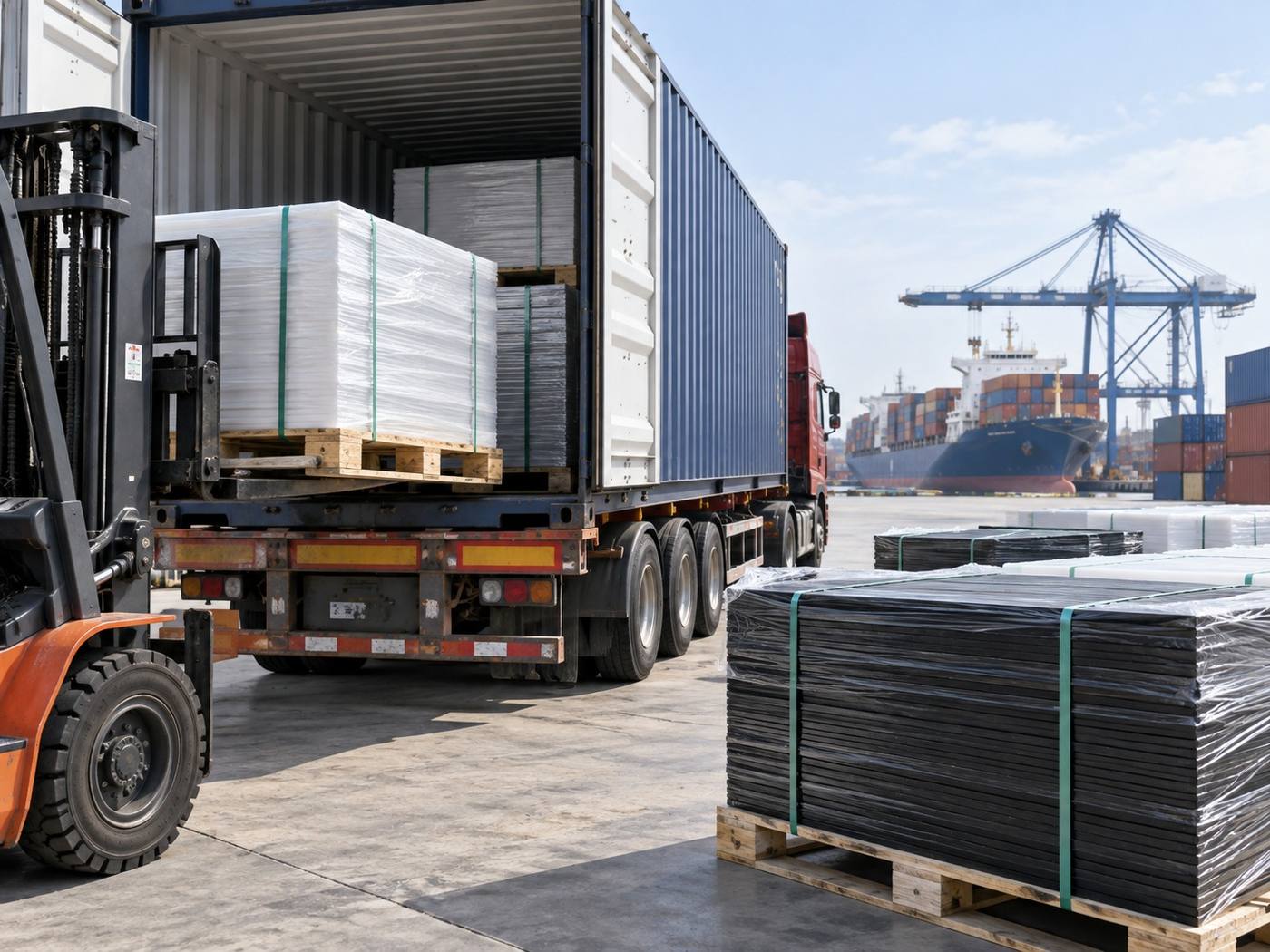
The full life-cycle costs include procurement or leasing, shipping, unloading, laying, inspection, cleaning, maintenance, warehousing and ground restoration. The project should compare the cost of implementation of successive coverage based on the most disadvantaged vehicles, complete wheels and weather changes with the cost of stoppages or repairs resulting from temporary changes in the construction route that resulted in vehicles entering unprotected areas, and should not be determined solely on the basis of single block product prices. It should also answer whether the “how to get power out of the ditches” is improved by the continuous coverage according to the most unfavourable vehicle, complete wheel and weather change planning, avoiding a subjective description alone.
This topic can be summarized as first confirming the boundary of the work, then configure the appropriate product, and then validate it with test run, inspection and project data. The formal programme should identify those responsible, the restrictions, the criteria for decommissioning, the means of recovery and the emergency route, so as to avoid the loss of critical information following changes in the class or contractor.
Need for further evaluation of the actual project?
Applications, sizes, quantities, site photographs or drawings and delivery destinations are sent, on which we can identify more suitable products and processing programmes.