The construction window for energy works is usually tight, but the full operational cycle analysis is still required to assess the cost of the ad hoc road case for photovoltaic power plants. In the case of the construction area of light-volt stands, components, cables and retrofitting equipment, the subject is concerned with “how to assess the cost of a temporary road case for an PV power station”, for example, the conditions of control when a vehicle enters, is fully loaded, or the equipment is suspended for long periods of time vary. The site should first locate the area where static, brake and turn would significantly increase the potential for local pressure and then decide on the use of pavements, leg pads or approved combinations.
A one-time collection of the construction vehicle weight, the size of the tripod, the frequency of the component transport, the drainage course, the thickness of the topsoil, the position of the underground cable and the restoration requirements is proposed before the design and request for quotations. The subject could begin to form the programme “In the request for proposals and acceptance documents, state of the work, test basis and conditions”. The standard 15, 20, 25 and 30 mm specifications for paving boards can only be used as the starting point for communication, with the actual selection being combined with materials, size, thickness, single weight, texture, connection, grass-roots support and supplier testing conditions. For “how to assess the cost of a temporary road case for an PV station”, the information review should also indicate the purpose, quantity, duration, packaging and port of destination in the request for quotation documents and include missing information as an item pending confirmation of the offer and construction programme.
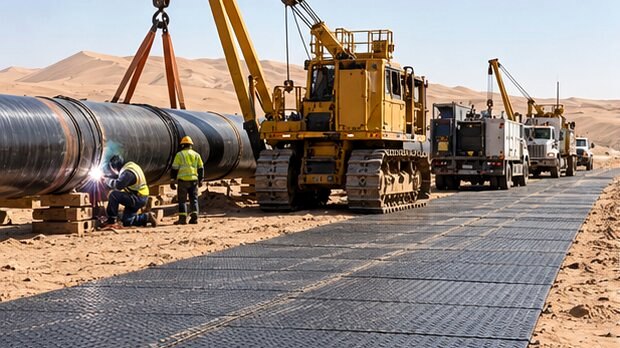
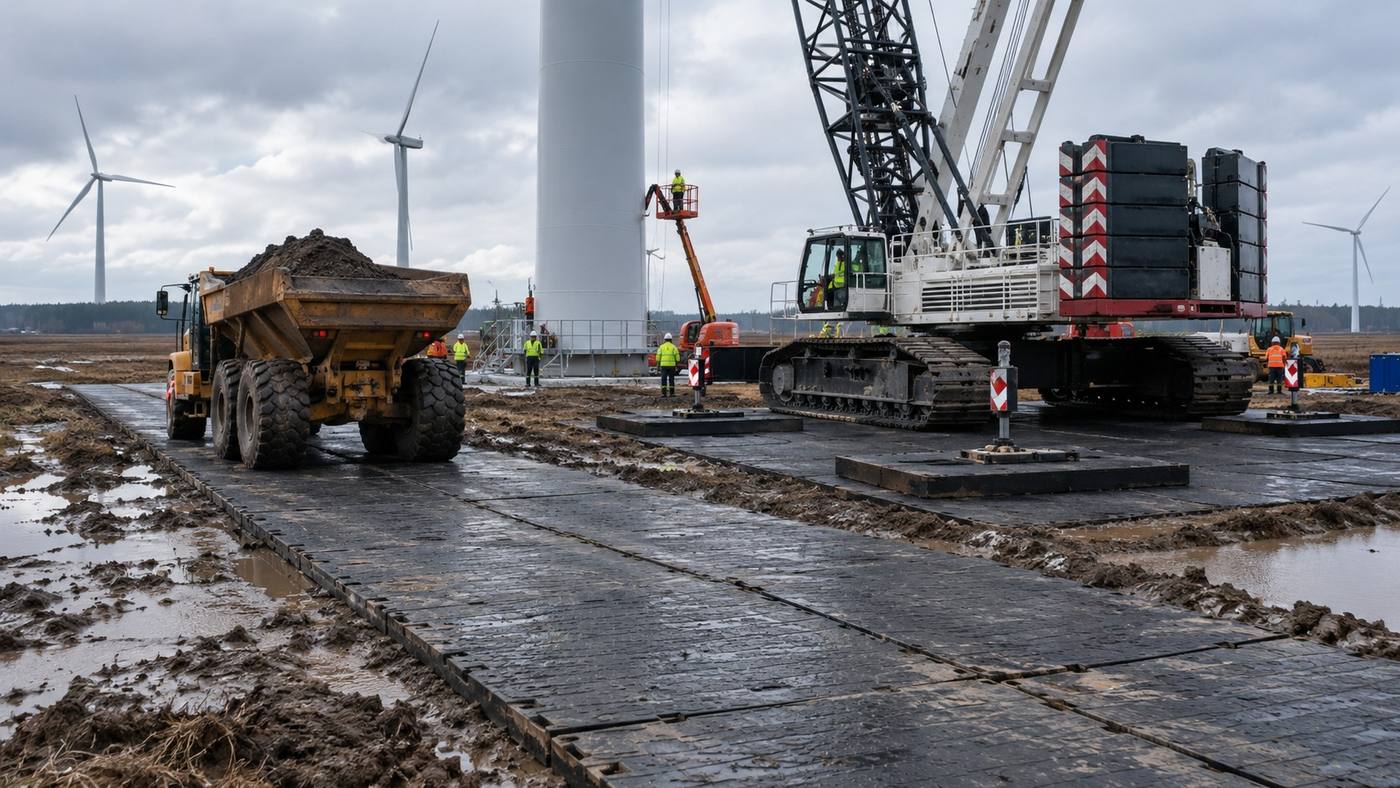
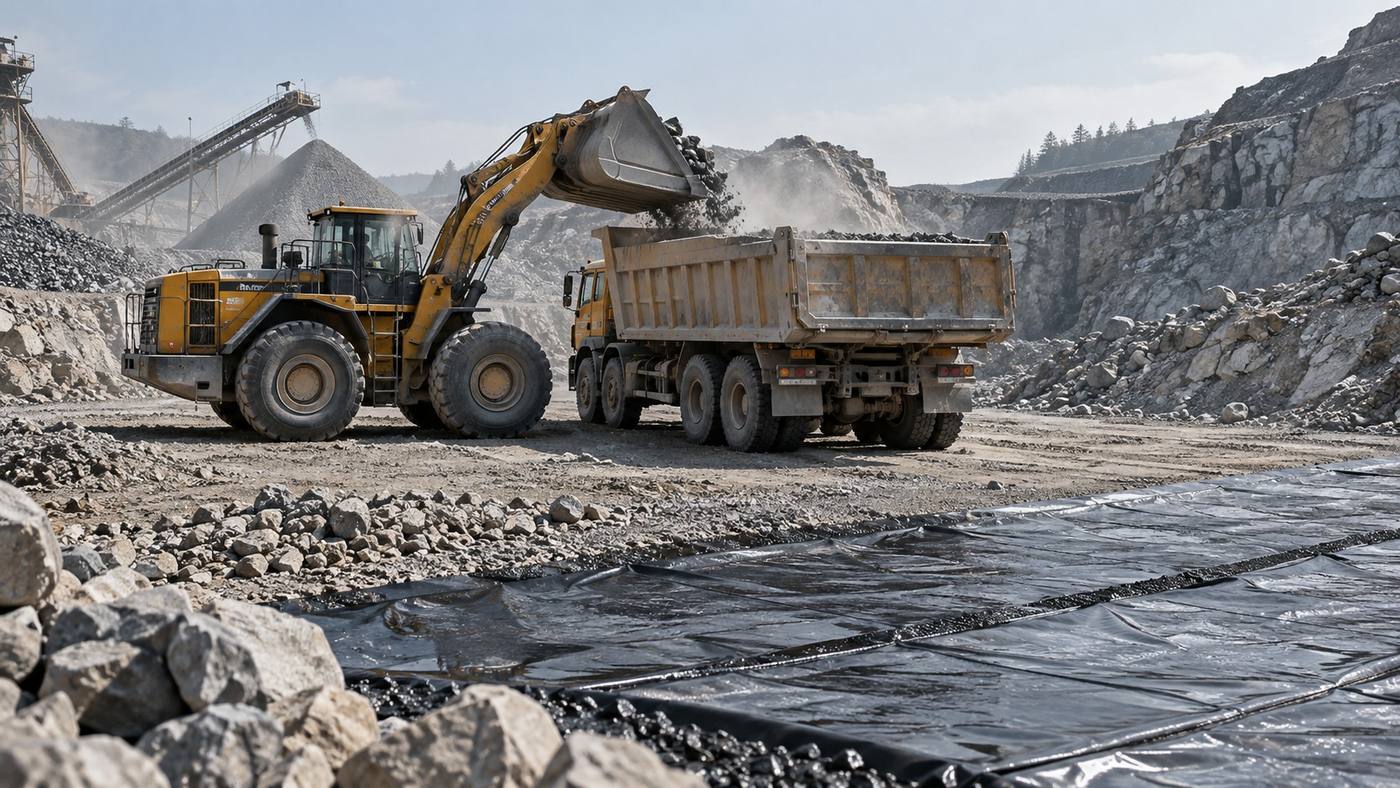
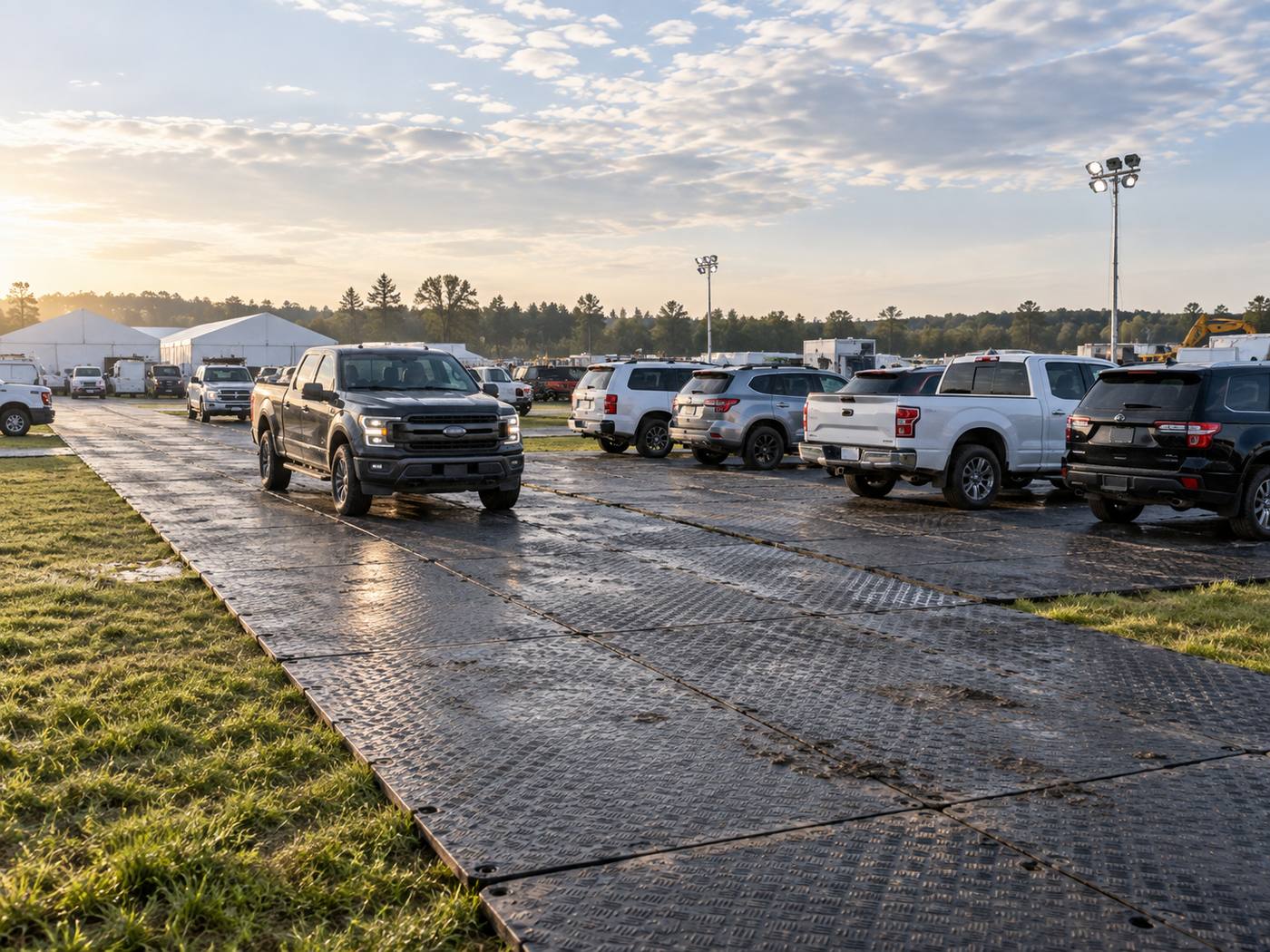
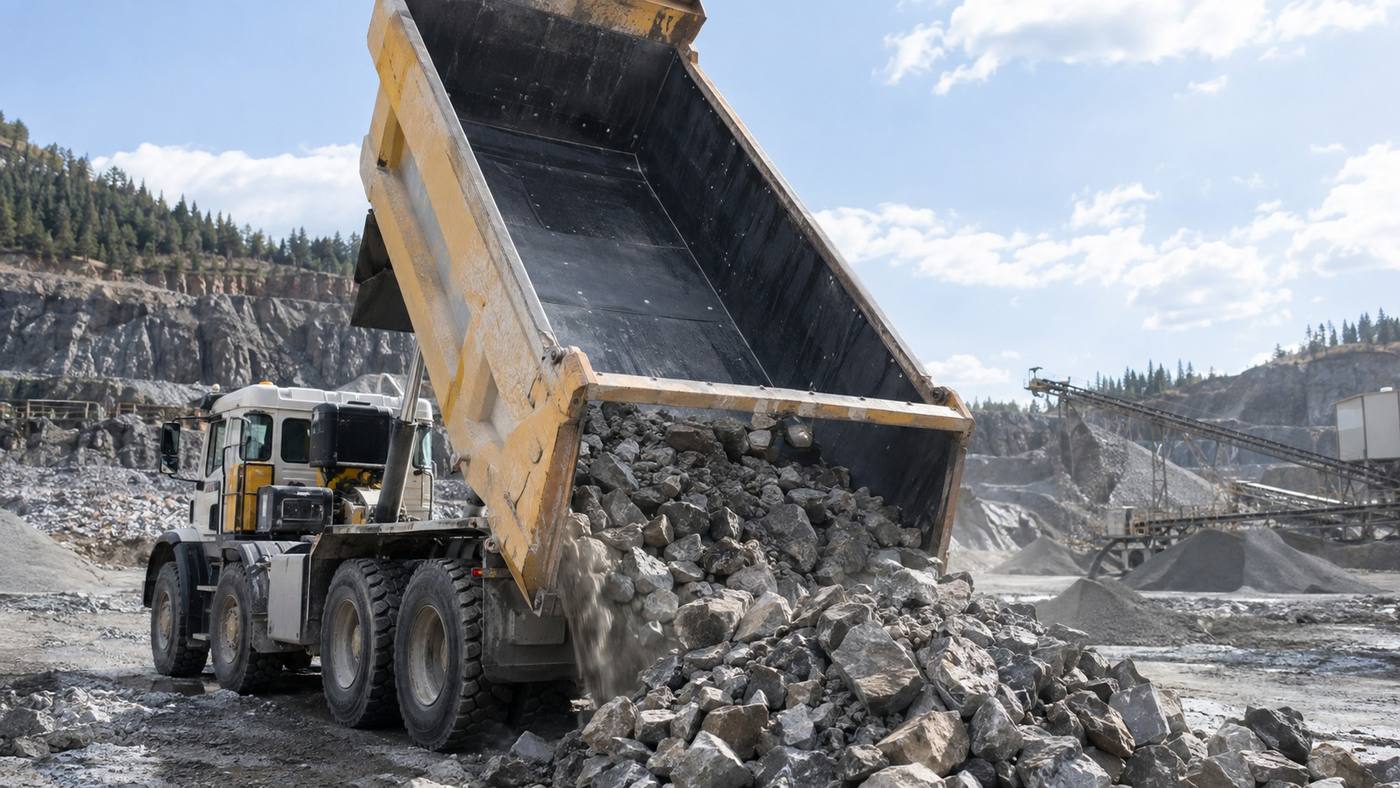
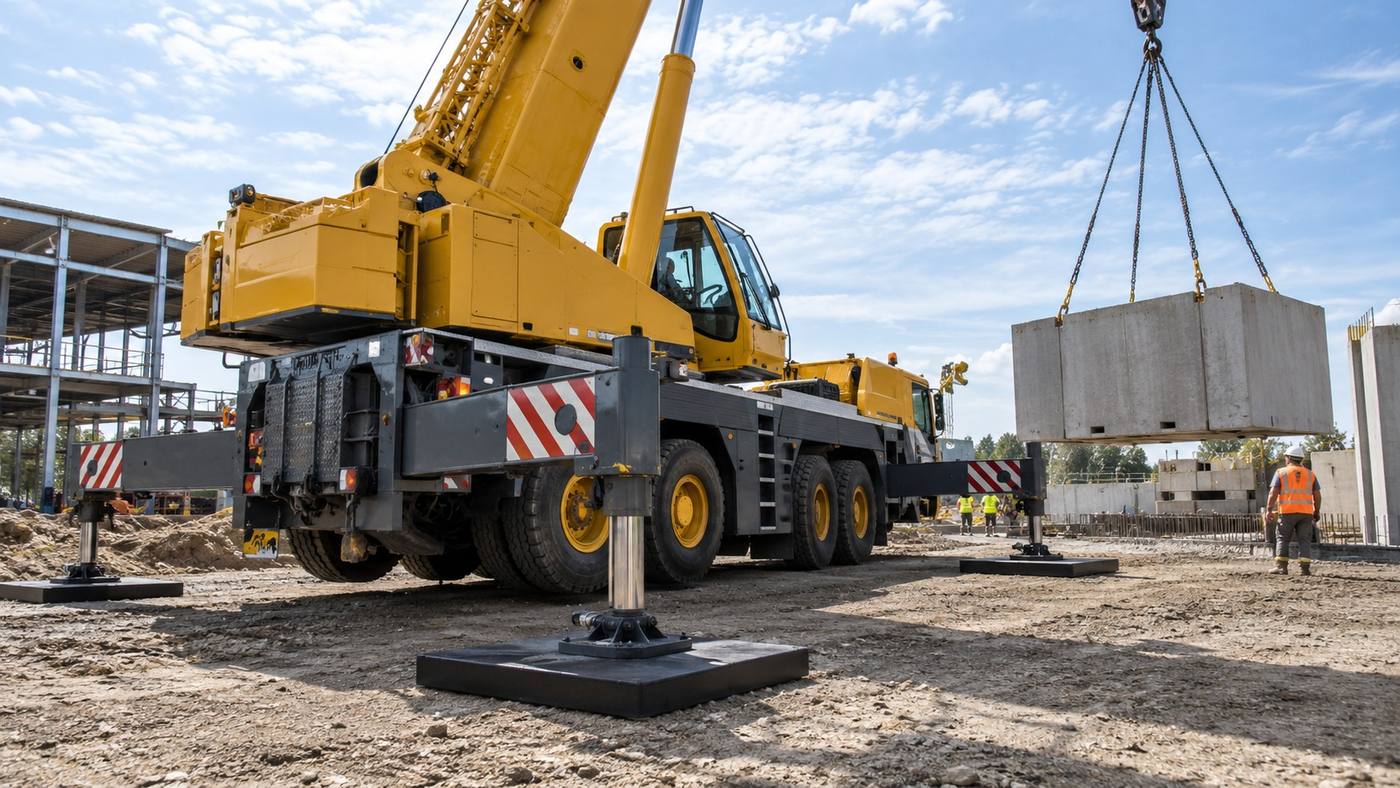
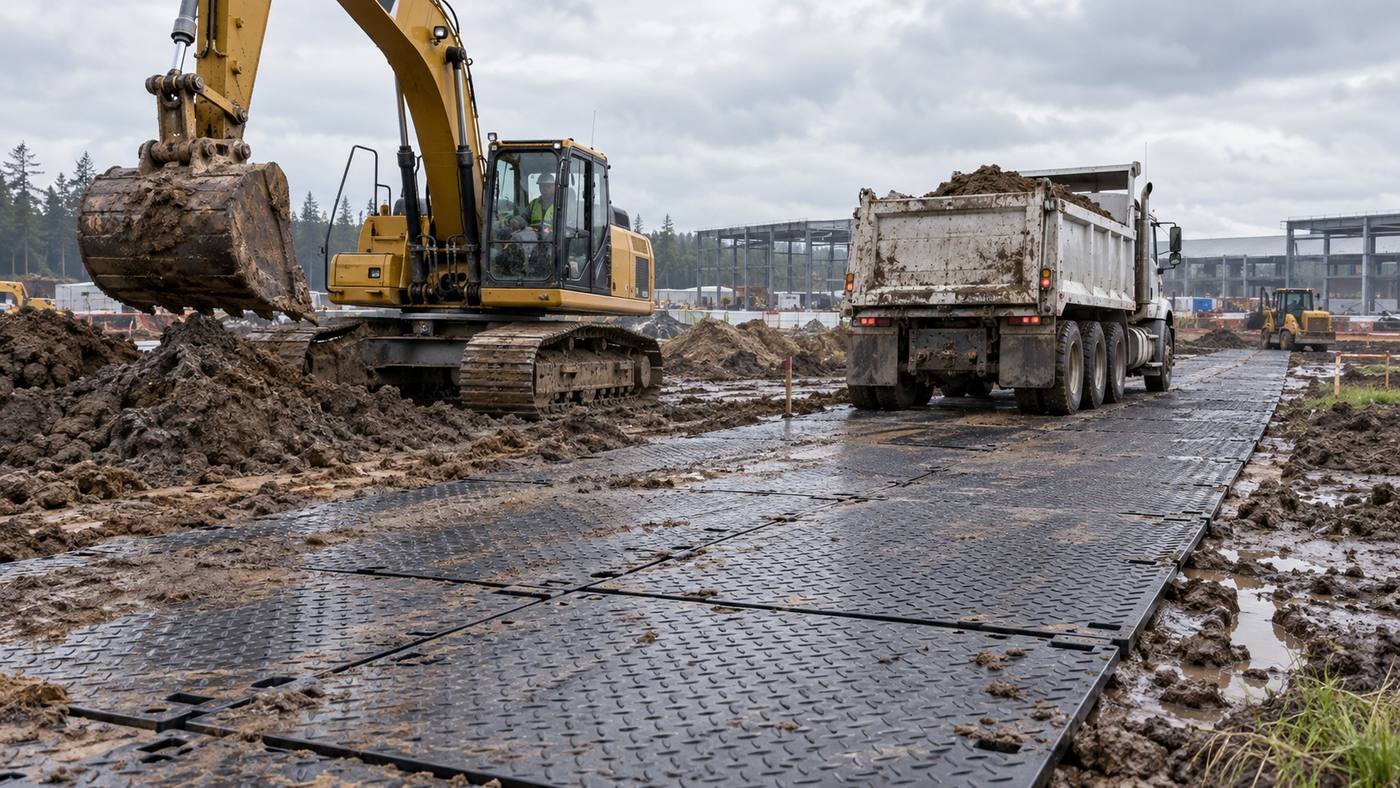
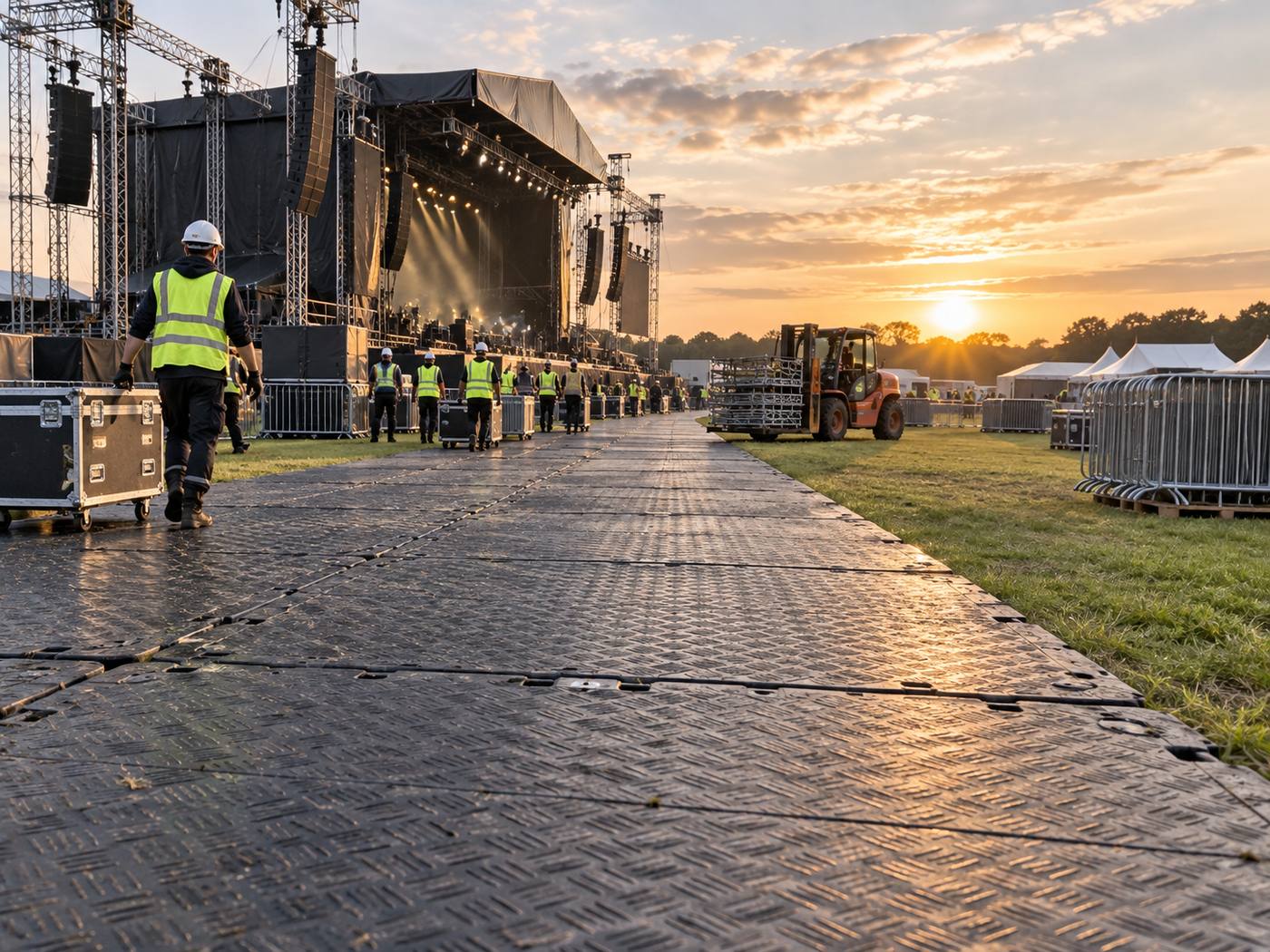
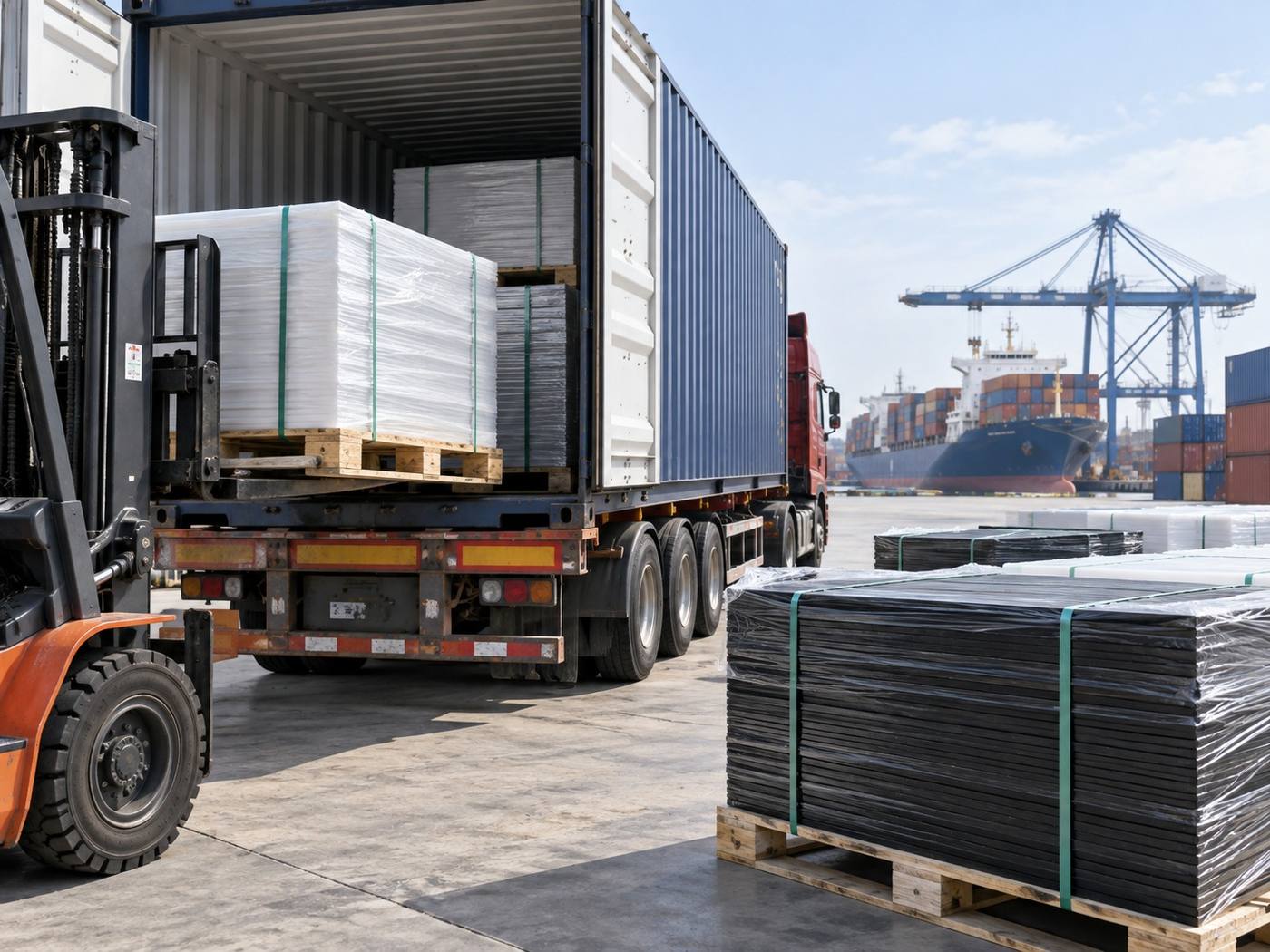
Figure: Construction area for light-volt stands, components, cables and reverse equipment, with a focus on “How to assess the cost of a temporary road case for an PV power station” (inventory material for a plastic network).
A representative route or a feeder may be selected for a controlled trial pavement to cover the softest floor and the most heavy equipment condition. The light-voltage area, which is usually large and revolving, must first protect drainage and topsoil and then move pavements in accordance with the construction phase. The decision to increase width, improve drainage or reorient traffic is then taken by means of experimental observation of grass-roots, sewn, tyre tracks and operating space. The trial-pail record of “how to assess the cost of the temporary road case at the photovoltaic power station” should indicate the starting and ending position, vehicle condition and release conclusions to facilitate review as construction conditions change.
The shift requires reporting of changes in sub-board pumping mud, surface pressure, drainage congestion, loose connection, underground cable marking, pollution and vegetation restoration, rather than a description of the appearance. The sutures, shoulders or sub-points repaired in the previous class are reviewed in the next class. In the event that static, brake and rotation increase the local pressure significantly as traffic increases, the project shall immediately limit, reroute or suspend the equipment until such time as the re-examination passes. In the context of “how costs are assessed in the case of the temporary road at the PV station”, the inspection forms need to include separate changes in static, brakes and turnovers that significantly increase local pressure, and to indicate the time taken by the inspector and his/her return.
The receiving and inspection information shall be maintained in the form of maps, product numbers, photographs of entry and exit sites, initial ground conditions, abnormal worksheets and demolition records. In the event of a ground or equipment dispute, this information can distinguish between pre-existing soft spots, changes in use and fallout damage, and can also quantify the impact on project costs of static, brakes and turnovers that significantly increase local pressure. This retrodiscussion should also answer whether “the assessment of costs in the case of the temporary road of an PV power station” has been verified as an improvement through the identification of the condition, test basis and restrictions in the request and acceptance documents, avoiding a subjective description of the closing item.
Progress pressure cannot reduce the security floor. When static, brakeing and turnovers significantly increase local pressure, they should first isolate and identify the reasons before deciding on the repair, diversion or replacement of the product. Any measures should avoid introducing new risks of slide, overloading, tripping, electric area intrusion or human-car conflict.
Need for further evaluation of the actual project?
Applications, sizes, quantities, site photographs or drawings and delivery destinations are sent, on which we can identify more suitable products and processing programmes.