
Answering how the energy project compares the fixed numbers of different paved materials that are not removed from the site. The process of procurement of pavements and leg pads by energy contractors, leasers and distributors focuses on how “energy projects compare different sheeting materials” are influenced by weather, topography, vehicle and organizational patterns, and the apparent increase in local stress by static, brakes and turns is only a visible result. The project should mark the soft spots, slopes, drainage, underground facilities and vehicle tracks on a single map to bring technology, construction, HSE and procurement data into line.
Four school-specific topics are available at sites, equipment, products and operations. Sites and equipment columns record vehicle and equipment data, ground conditions, route size, quantity, life cycle, product specifications, test basis, packaging, trade terms and destination ports. The product fields list sizes, thickness, texture, connections and batches. The operating columns state speed limits, ban in situ wheeling and arrange for exclusive command of heavy vehicles. Any one still relies on empirical speculation may allow static, brakes and turns to significantly increase local pressure at the peak of construction. For “how the energy project compares different paved materials”, the information review should also record changes in the water status and the scope of soft spots before and after rainfall and include missing information as an item to be confirmed for quotations and construction programmes.
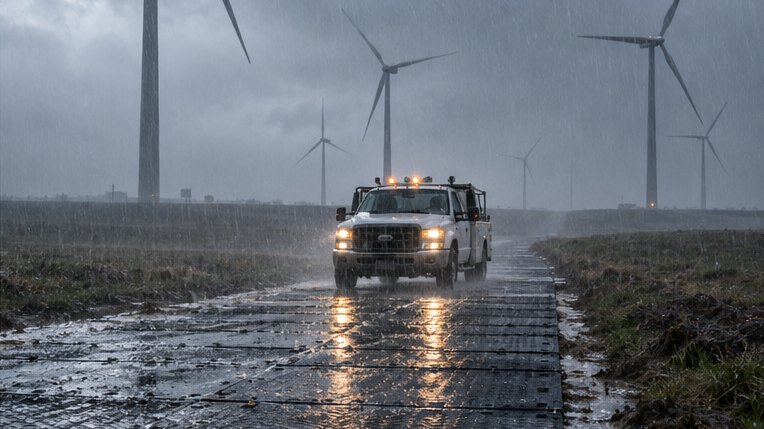
Figure: Processes for the procurement of pavements and leg mats by energy contractors, leasers and dealers, with a focus on “how energy projects compare different paved materials”
The installation should leave a photo, location and measurement record. First, ground-level levelling, drainage and underground facilities are identified, and the complete contact, connection, edge and transition of the pavement is checked, or the size, location and centering of the leg pads are checked. The procurement comparison must use the same size, material, test conditions and delivery boundary, and the reference values of 50 to 200 tons cannot be understood in isolation from the support conditions. Areas not eligible for acceptance should not be replaced by speed-limit signs alone. Test-painted records of “how the energy project compares different paved materials” should identify the starting and ending position, vehicle status and release conclusions to facilitate review as construction conditions change.
The maintenance plan should include responsibility for key sections and feeder points, frequency checks, decommissioning thresholds and spare parts locations. By setting speed limits, prohibiting in-situ wheeling and arranging for a person to direct the conduct of a review of heavy vehicles, it can be observed in a timely manner that static, brakes and turn-overs significantly increase local stress. Backup panels, connectors and handling tools are also synchronized to avoid mismatches in specifications on site. Around “how energy projects compare different pavement materials”, the patrol forms need to list separately changes in static, brakes and turnovers that significantly increase local pressure, and to indicate the inspector and the time of return.
For energy projects that continue to be built or duplicated, a baseline may be established for each square metre of construction hours, vehicle cycle, cleaning time, damage rate and restoration costs. This would make it easier to identify whether the next offer and inventory planning, which is no longer based solely on experience, is repeated in a given season due to the apparent increase in static, brake and turnover pressure. It should also answer whether the “how the energy project compares the different paved materials” has been shown to be improved by setting speed limits, prohibiting in situ wheeling and arranging for exclusive command of heavy vehicles, so as to avoid a subjective description of the end of the item.
If the conditions on the ground are different from the assumptions in this paper, the application of the conclusions should be suspended and reassessed. Energy transport, suspension, refurbishment and overhaul are subject to project programmes, equipment manuals and statutory requirements. The supplier may assist in matching the product, but the final placement, commissioning and release shall be approved by the responsible party for the project.
Need for further evaluation of the actual project?
Applications, sizes, quantities, site photographs or drawings and delivery destinations are sent, on which we can identify more suitable products and processing programmes.







