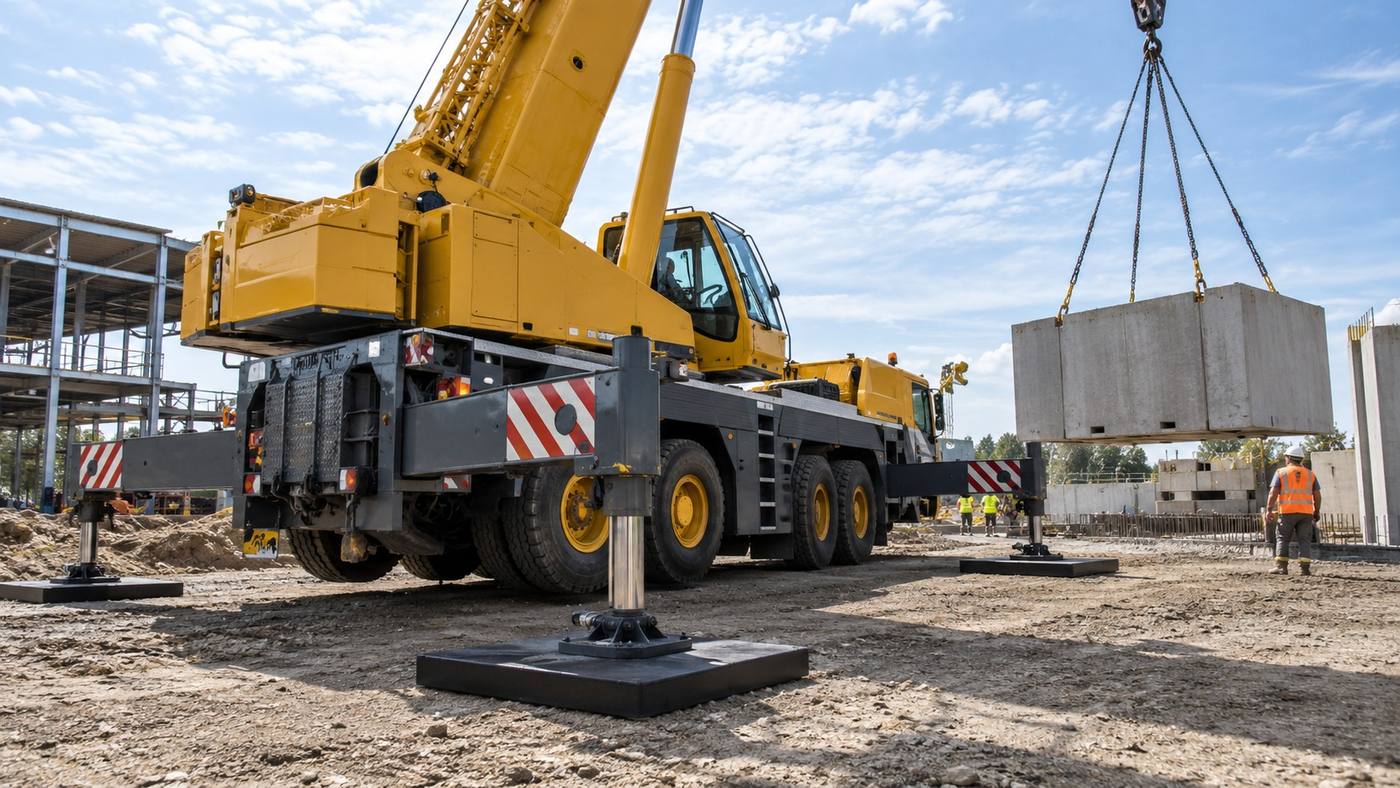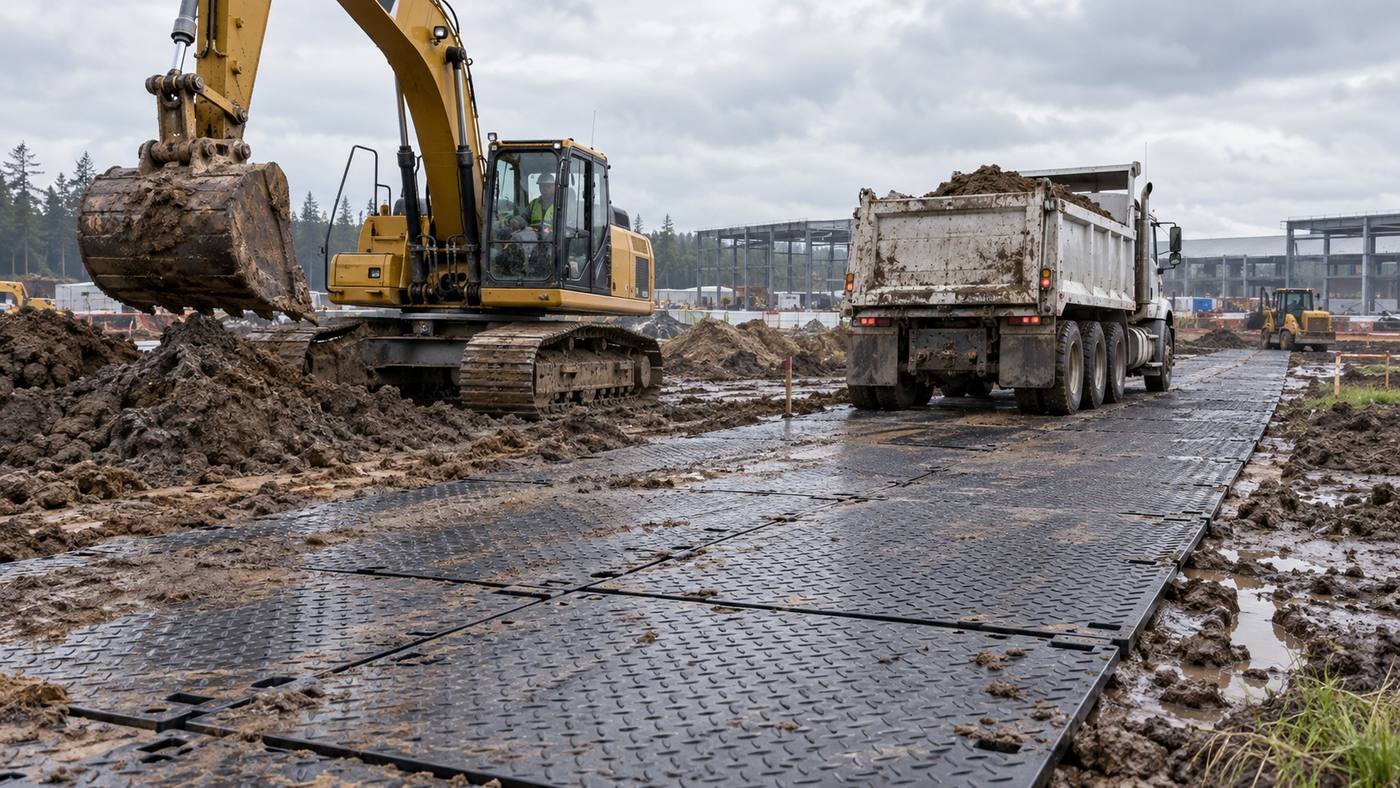
The treatment of oil on the pavement of the power plant should start from the most unfavourable rather than the average. The expansion of the transformer plant, the transport of transformers and the overhauling of equipment, are concerned that “the treatment of the transformer's pavement after oil has been spilled” may be affected by heavy vehicle cycle, rainfall and time compression at the same time, and that lack of information leads to increased traffic in terms of specification, quantity and field condition. It would be clearer for on-site execution to first determine the conditions for allowing deposition, decommissioning and those responsible, and then select product specifications.
A one-time collection of transformer transport axes, equipment weight, crane backlash, gravel and mosaic boundary, location of cable ditches, safety distance and time for repairs is recommended prior to design and request. The topic could begin with a programme of “set-off speeds, ban in-situ wheeling and arrange for exclusive command of heavy vehicles”. The standard 15, 20, 25 and 30 mm specifications for paving boards can only be used as the starting point for communication, with the actual selection being combined with materials, size, thickness, single weight, texture, connection, grass-roots support and supplier testing conditions. The information review should also approve the passage of vehicles after the subsurface chart has been aligned with the on-site marking, and include missing information as an item pending confirmation of quotations and the construction programme.
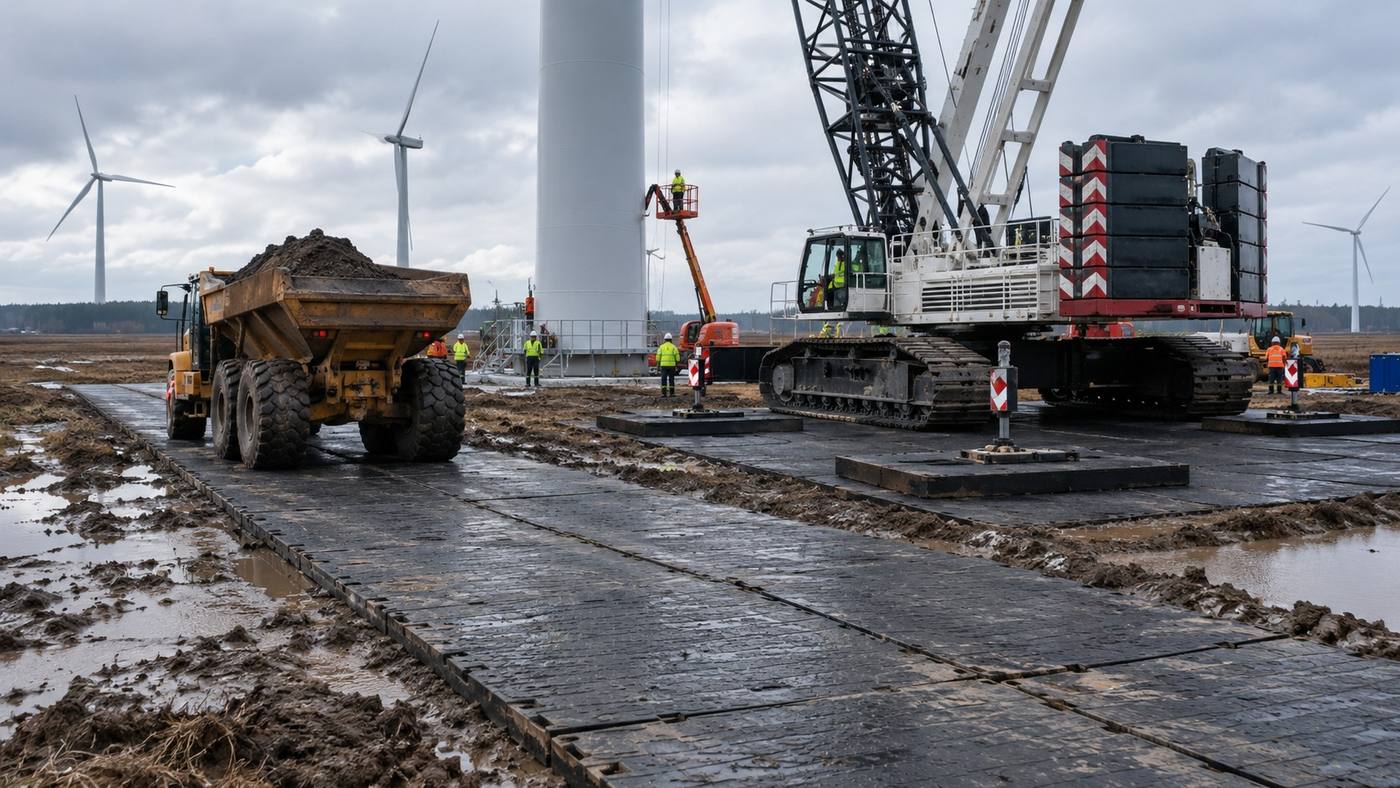
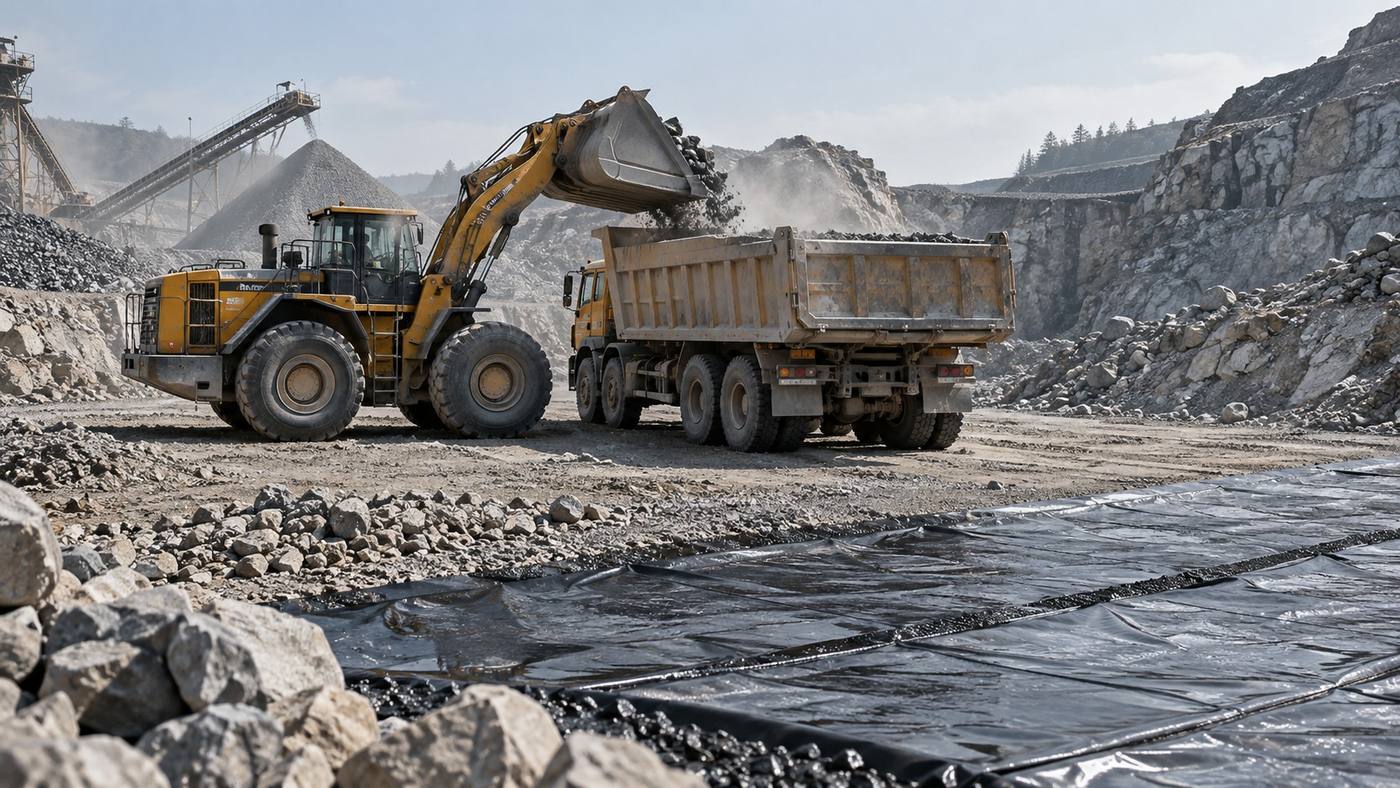
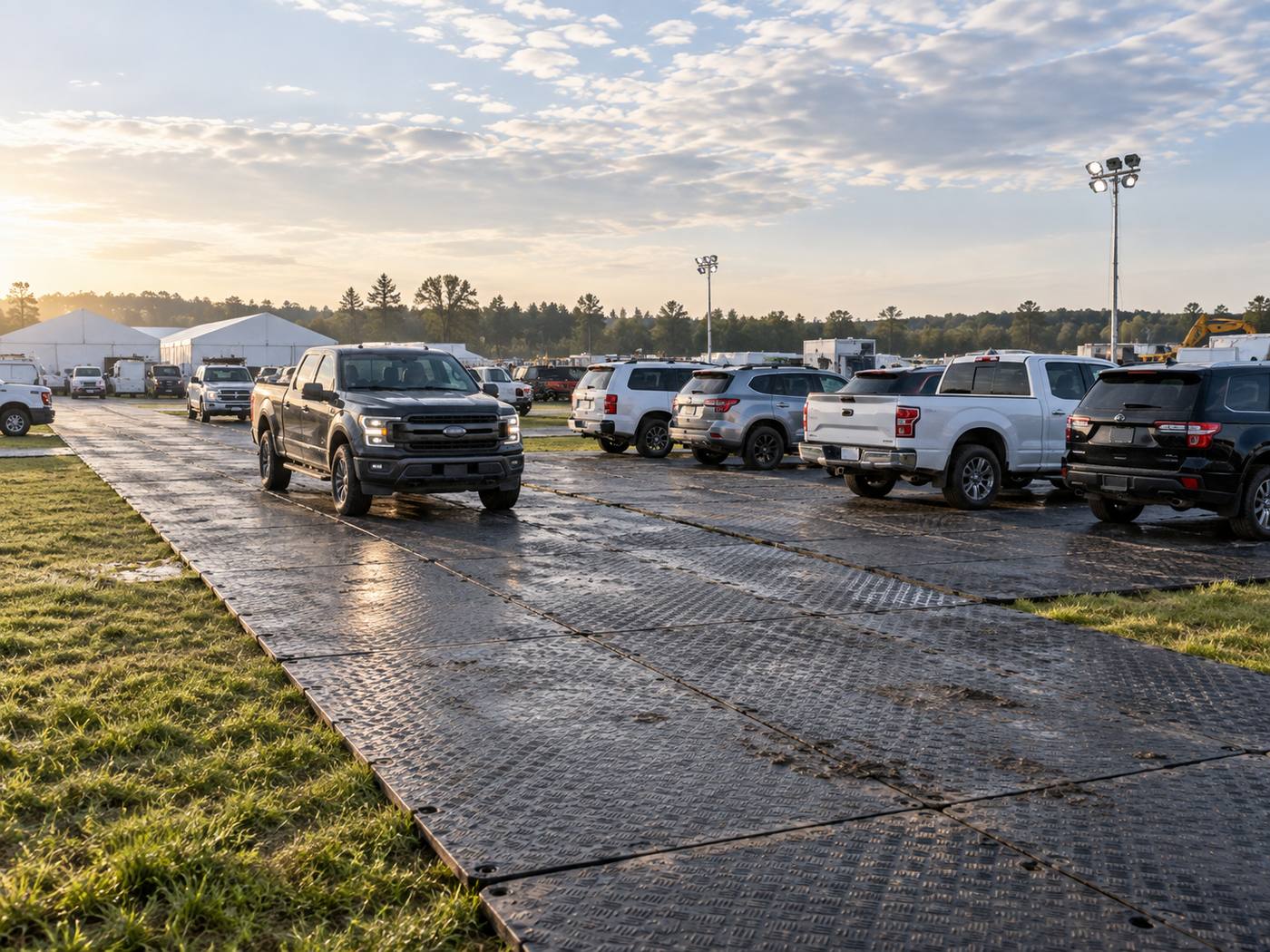
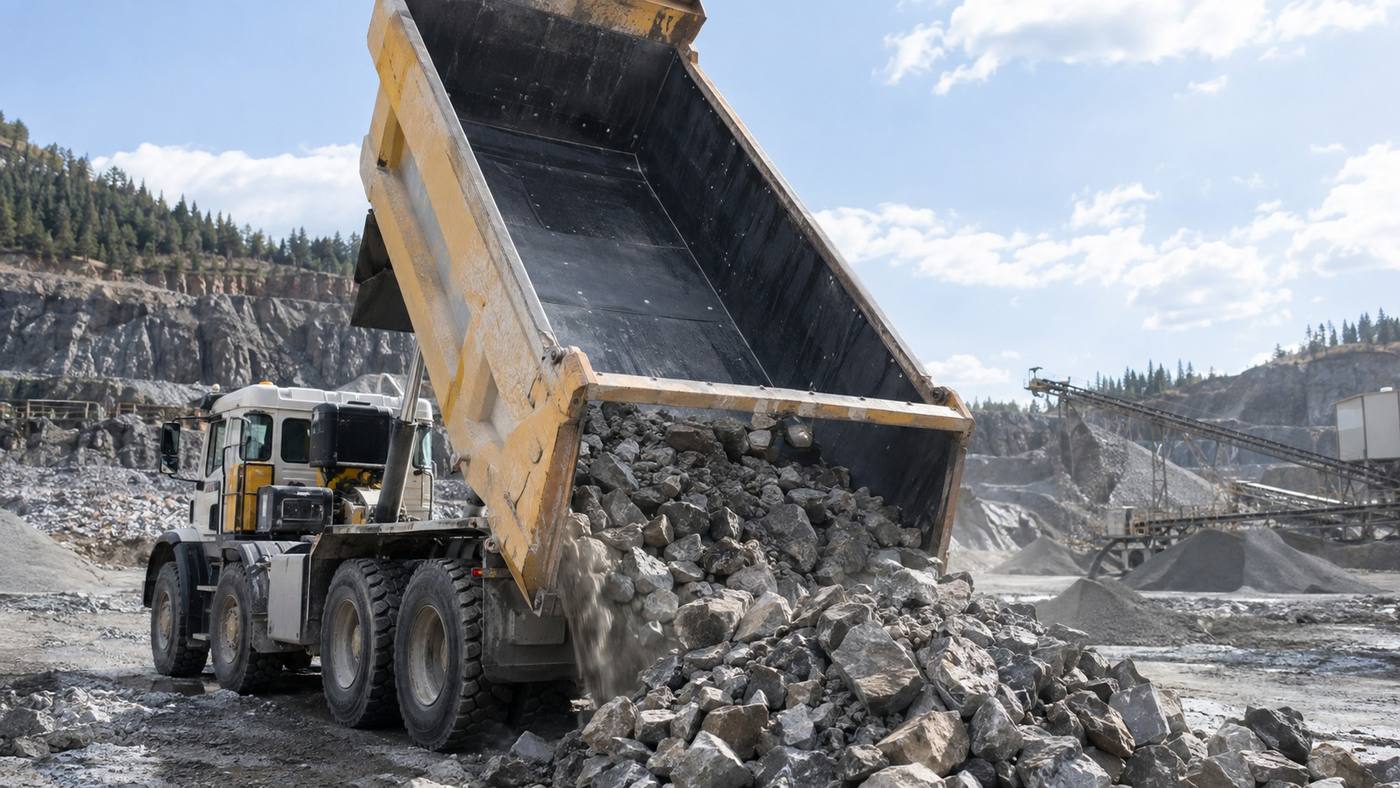
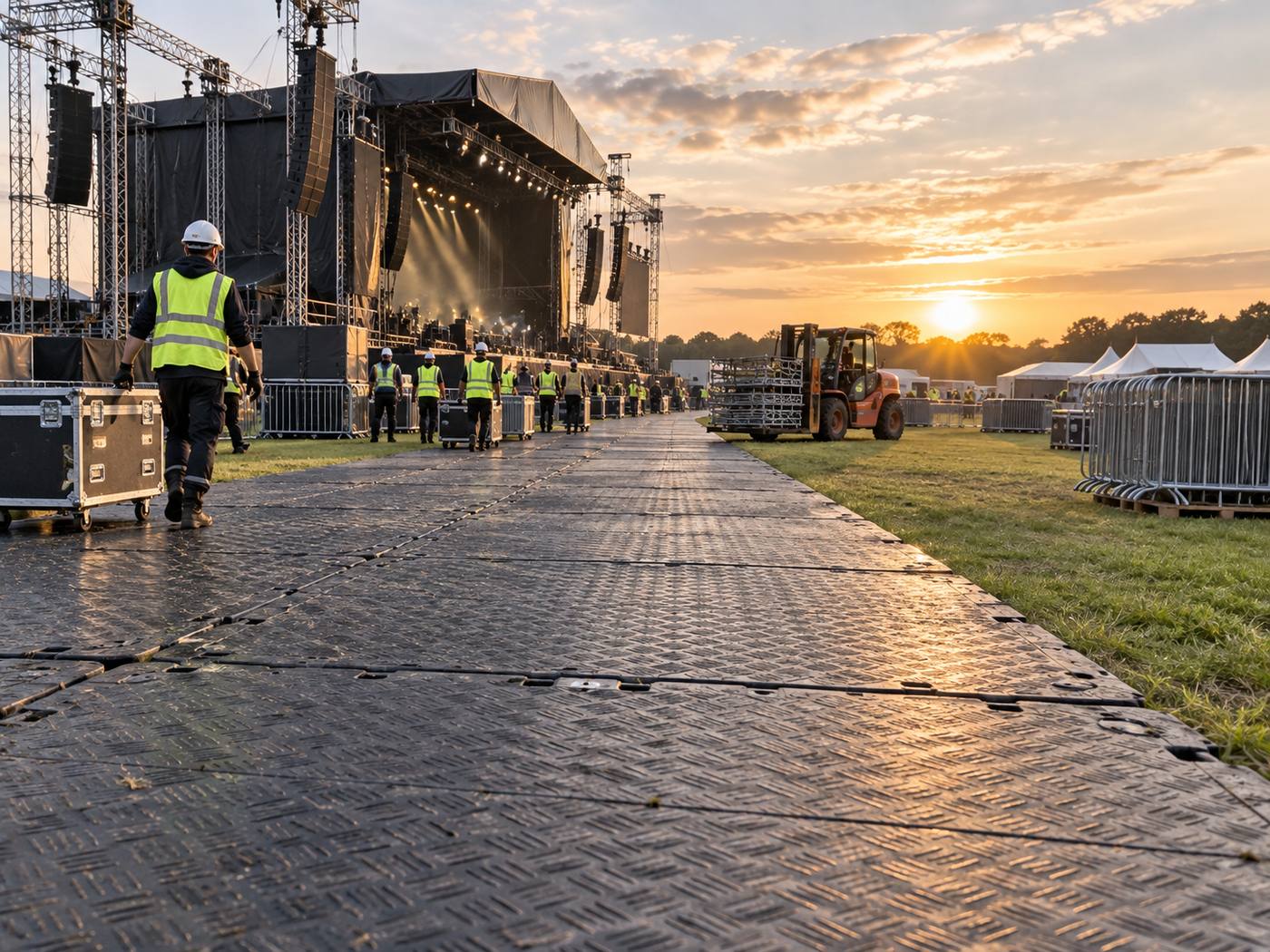
Figure: Extension of transformer stations, transformer transport and equipment overhaul, with a focus on “How to handle the oiled pavements of transformer stations” (Performance material for the Genesis Network)
The installation should leave a photo, location and measurement record. First, ground-level levelling, drainage and underground facilities are identified, and the complete contact, connection, edge and transition of the pavement is checked, or the size, location and centering of the leg pads are checked. Temporary roads and hanger platforms within power transformers are subject to electrical safety, fire traffic and equipment transport programmes and cannot be placed on a temporary basis only on the available area. Areas not eligible for acceptance should not be replaced by speed-limit signs alone. Test-painted records for “the treatment of oiled pavements at the transformer station” should indicate the starting and ending position, vehicle condition and release conclusions to facilitate review as construction conditions change.
The maintenance plan should include responsibility for key sections and feeder points, frequency checks, decommissioning thresholds and spare parts locations. By setting speed limits, prohibiting in-situ wheeling and placing special officers in charge of the re-examination of heavy vehicles, it can be detected in a timely manner that insufficient information leads to a mismatch between specifications and quantities on the ground. Backup panels, connectors and handling tools are also synchronized to avoid mismatches in specifications on site. With regard to the treatment of oil on the transformer's pavement, the inspection forms need to be separated by insufficient information, resulting in variations in specifications, quantities that do not match the situation on the ground, and a reference to the inspector and the time of return.
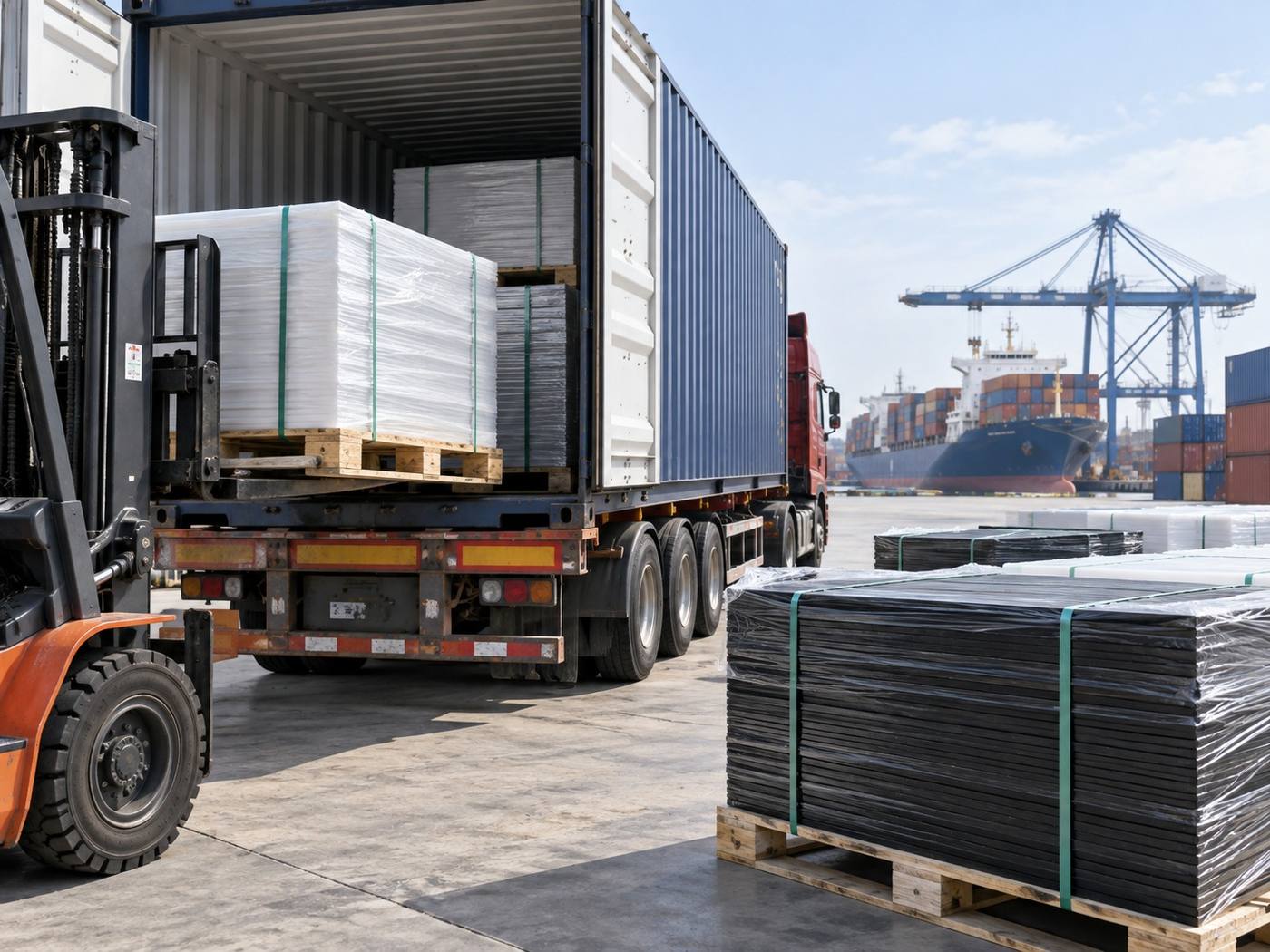
The offers from different suppliers should be compared under the same size, material, connection, packaging, delivery and test basis. Supplementation should be requested if the maximum load is given without a description of the ground, distance and load. Energy projects should also focus on batch consistency, port efficiency, repairability and container loading. This retrodiscussion should also answer whether “the treatment of oil on the pavement of a transformer station” has been demonstrated as an improvement by setting speed limits, prohibiting in situ cycling and arranging for exclusive command of heavy vehicles, avoiding a subjective description of the end of the item.
If the conditions on the ground are different from the assumptions in this paper, the application of the conclusions should be suspended and reassessed. Energy transport, suspension, refurbishment and overhaul are subject to project programmes, equipment manuals and statutory requirements. The supplier may assist in matching the product, but the final placement, commissioning and release shall be approved by the responsible party for the project.
Need for further evaluation of the actual project?
Applications, sizes, quantities, site photographs or drawings and delivery destinations are sent, on which we can identify more suitable products and processing programmes.