
The objective of the verification of the bridge over the energy equipment transport route is to allow construction vehicles to move within the controlled route, while avoiding turning ground protection into equipment stabilization. With regard to heavy cranes and transport sites around transformers, wind and large-scale electrical equipment, the focus of the topic is on “Verification of bridge content on energy equipment transport routes”, which should be checked, inter alia, for static, brakes and turnovers, resulting in a significant increase in local pressure. Where there is a gutter, backfilling area, slope or unknown underground facility on the route, the treatment must first be confirmed by the responsible party of the project.
The input information can be organized according to the four columns of equipment, ground, route and time, with emphasis on the plant ' s maximum retroactivity of the leg, position of the leg, ground-based allowed pressure, distance of the gutter from the edge, radius of suspension, transport axle and rainfall changes. In view of the significant increase in local pressure caused by static, brake and turnover, it is recommended that the status, test basis and limitations be included in the request for proposals and acceptance documents. In the case of leg pads, the maximum repulsive force of the leg provided by the plant must be obtained, and in the case of passage roads, the total weight of the vehicle, the axle, the tyre and the complete turn track should be used. For the “Verification of Bridges on Energy Equipment Transport Routes”, the information review should also approve the passage of vehicles after the map of the underground facility is consistent with the on-site marking and include missing information as an item pending confirmation of quotations and construction programme.
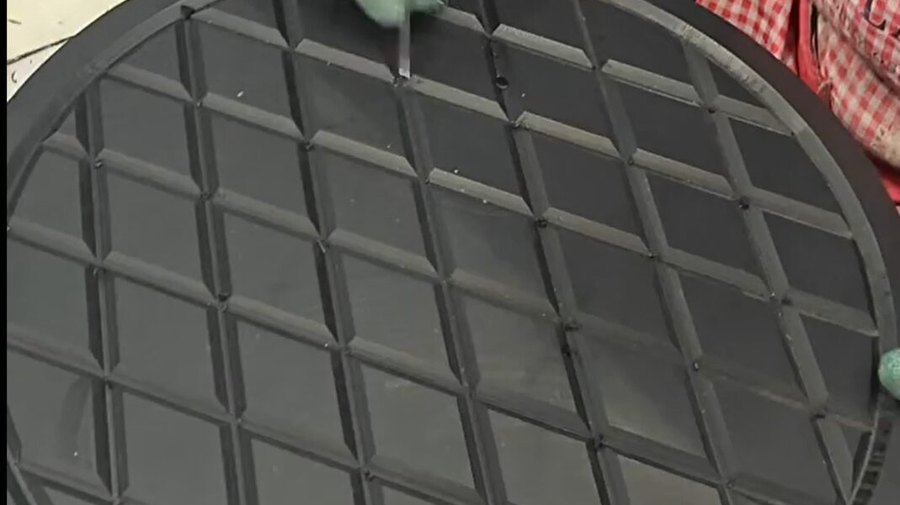
Figure: Heavy cranes and transport sites for transformers, wind and large-scale electrical equipment, with a focus on “Verification of Bridges on Energy Equipment Transport Routes” (Putting material on the Creative Plastics Network)
In the absence of space on the ground, work cannot be undertaken by reducing the necessary cover or moving legs to the shoulder of the road. Stations and construction should be reordered in such a way that there is sufficient space for “specify the condition, test basis and condition in the request and acceptance documents”. The area of the leg pad shall be determined by the maximum retroactivity in conjunction with the confirmed ground-based load, and the pavement shall not automatically replace the accounted hanger operating platform. Any forced overlays of holes, temporary mats or uncounted should be returned to the technical manager for evaluation. A test-pail record of “how to verify the contents of the bridge on the energy equipment transport route” should indicate the starting and ending position, vehicle condition and release conclusions to facilitate review as construction conditions change.
Multi-shift or lease items may be used to record the middle leg, full contact, mat deformation, deposition, horizontality, edge fragmentation, road stitches and transport wheels, and to link road maps and product numbers. Continuous anomalies should trigger a review of the project, rather than a mere surface. Visible permanent deformation, deep mouth or postpoint damage to the leg cushions shall be judged by standard manufacturer ' s isolation. The inspection forms, around “how to verify the contents of the bridge on the energy equipment transport route”, contain separate changes in static, brakes and turnovers that significantly increase local pressure and indicate the time taken by the inspector and his/her return.
A reset is to distinguish between product problems and changes in condition. The original programme may no longer be appropriate if the vehicle is heavy, routed, rainfall increases or cover periods are extended. These changes are recorded with the results of the implementation of the request for proposals and acceptance documents, the basis of the tests and the restrictions, and it is not until the next time that it is known whether the thickness, width, quantity or construction organization should be adjusted. It should also answer whether the “how to verify the contents of the bridge on the transport route of energy equipment” has been demonstrated to be improved by identifying the work, the test basis and the restrictions in the request for and acceptance documents, so as to avoid a subjective description of the closing item.
This paper provides a selection and management approach and does not replace the equipment instructions, the suspension programme, ground-based evaluation or local regulations. Work involving lifting support, underground facilities, electrical areas, the edges of trenches and the entry of persons into dangerous areas shall be reviewed by persons with appropriate qualifications. The above parameters may be provided in the request for quotations to obtain recommendations for size, thickness, quantity, packaging and shipment.
Need for further evaluation of the actual project?
Applications, sizes, quantities, site photographs or drawings and delivery destinations are sent, on which we can identify more suitable products and processing programmes.







