The objective of calculating the number of pavements for the light-voltage project is to allow construction vehicles to move within the controlled route, while avoiding turning ground protection issues into equipment stabilization problems. With regard to the construction area around the light-volt stand, components, cables and reverse equipment, the subject is concerned with “the calculation of the number of PV project pavements”, which should be checked, inter alia, for errors caused by different test conditions but directly comparing the nominal tonnage. Where there is a gutter, backfilling area, slope or unknown underground facility on the route, the treatment must first be confirmed by the responsible party of the project.
A one-time collection of the construction vehicle weight, the size of the tripod, the frequency of the component transport, the drainage course, the thickness of the topsoil, the position of the underground cable and the restoration requirements is proposed before the design and request for quotations. The subject could begin with a programme “Managing on-site changes with approved road maps, numbers and inspection records”. The standard 15, 20, 25 and 30 mm specifications for paving boards can only be used as the starting point for communication, with the actual selection being combined with materials, size, thickness, single weight, texture, connection, grass-roots support and supplier testing conditions. For “the calculation of the number of pavements for the light-voltage project”, the information review should also be carried out in the order of the reverse removal and loading of the last equipment along the exit route and include the missing information as an item pending confirmation of the offer and the construction programme.
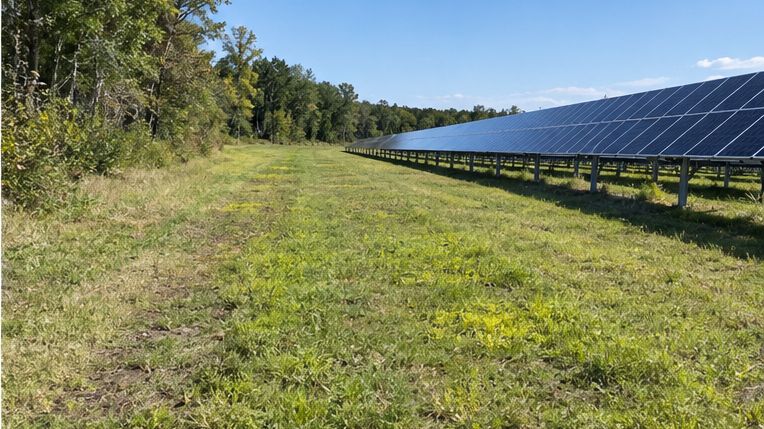
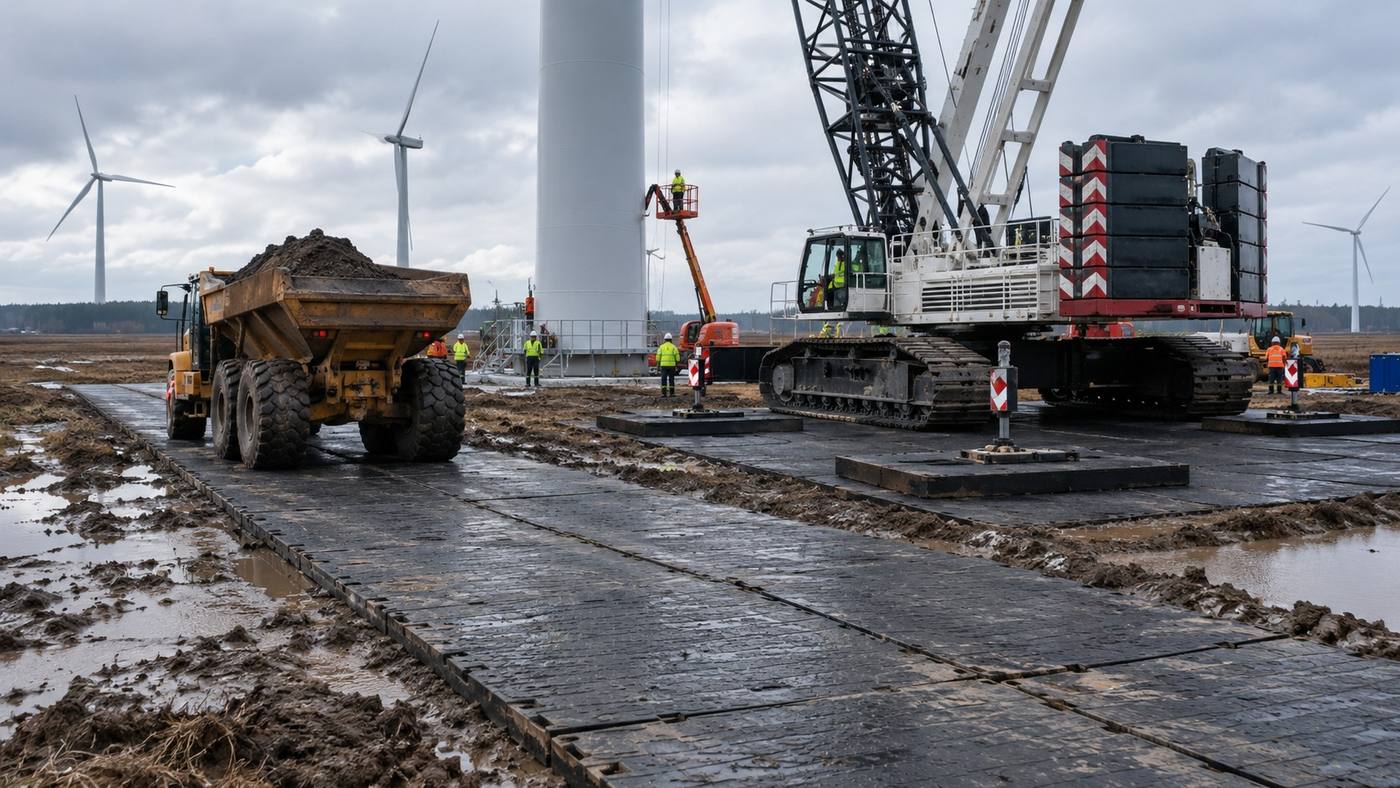
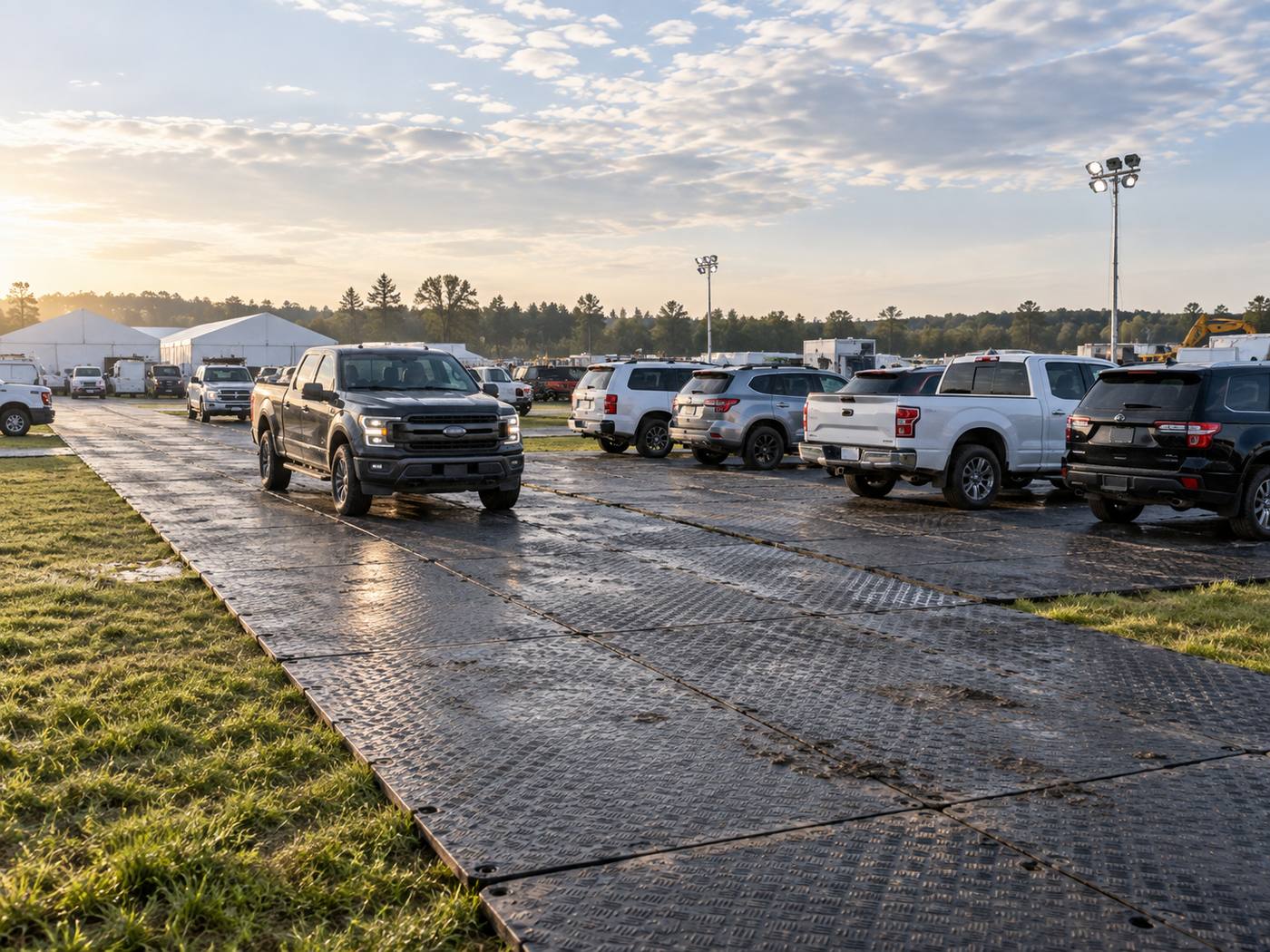
Figure: The construction area of the light-volt stand, components, cables and reverse equipment, with a focus on “How to calculate the number of PV project pavements”
A smooth transition should be put in place at the different ground crossings to avoid the sudden impact of vehicles on temporary circuits from hard roads. Management of site changes in accordance with approved road maps, serial numbers and inspection records will also review the internal and external wheels and brake locations of the most heavy vehicles once they are completed. The light-voltage area, which is usually large and revolving, must first protect drainage and topsoil and then move pavements in accordance with the construction phase. Physical segregation and clear rules for release are required in the vicinity of public areas. The test-painting record of “how to calculate the number of pavements for the light-voltage project” should indicate the starting and ending position, vehicle condition and release conclusions to facilitate review as construction conditions change.
Inspections should not only be “normal” and should be identified on a case-by-case basis around sub-board pump mud, surface pressure, drainage congestion, loose connection, underground cable marking, contamination and revegetation, and should divide anomalies into three levels of observation, restriction and decommissioning. For critical points resulting from approved road maps, numbering and inspection logs to manage on-site changes, fixed photo angles and measurement benchmarks should be established. A loose connection, a permanent deformation, a breach through or a deviation of a branch shall be immediately isolated. With regard to the calculation of the number of PVP boards, the inspection forms are to be presented in a separate series of test conditions, but directly compared with the changes caused by miscalculation of the nominal tonnage, with an indication of the inspector ' s time of return.
The full life-cycle costs include procurement or leasing, shipping, unloading, laying, inspection, cleaning, maintenance, warehousing and ground restoration. The project should compare the costs of implementation of the approved road map, numbering and inspection logs for managing on-site changes with the costs of stoppage or repair resulting from miscalculation caused by a direct comparison of tonnage with the test conditions, and not be based solely on the price of a single block product. It should also answer whether the “calculation of the number of PVP boards” has been validated for improvement by managing on-site changes using approved road maps, numbering and inspection records, avoiding a subjective description of the closure.
If the conditions on the ground are different from the assumptions in this paper, the application of the conclusions should be suspended and reassessed. Energy transport, suspension, refurbishment and overhaul are subject to project programmes, equipment manuals and statutory requirements. The supplier may assist in matching the product, but the final placement, commissioning and release shall be approved by the responsible party for the project.
Need for further evaluation of the actual project?
Applications, sizes, quantities, site photographs or drawings and delivery destinations are sent, on which we can identify more suitable products and processing programmes.