How to avoid road congestion by concentrating on repair convoys should start from the most unfavourable rather than the average. Emergency repair sites for power lines in the wake of heavy rains, typhoons or floods focus on “how to avoid road congestion when fleets are concentrated” and may be affected by heavy vehicle cycles, rainfall and run-off, with repeated vehicle traffic forming deep lines and destroying the grass-roots level increasing traffic. It would be clearer for on-site execution to first determine the conditions for allowing deposition, decommissioning and those responsible, and then select product specifications.
The focus of the topic is not on the choice of the thickest or the most heavy products, but on the establishment of a match. The coverage, connection and back-up quantities are then calculated on the basis of the disaster route, water depth, soft-point range, car recovery type, arrival sequence, emergency time frame, public isolation and standby identification control conditions, and by separate calculation of the line segment, turn area, docking position and surface. In the case of products requiring cross-project turnaround, the numbering, loss rate, cleaning time and volume of transport should also be included in the total cost. For “how to avoid road congestion by concentrating on the recovery of fleets”, the information review should also measure the number of vehicle cycles and track the location of re-routing, and include missing information as an item for confirmation of quotations and construction programmes.
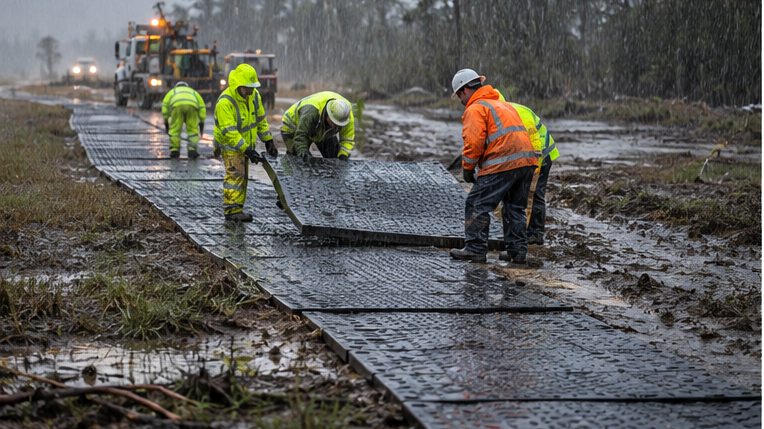
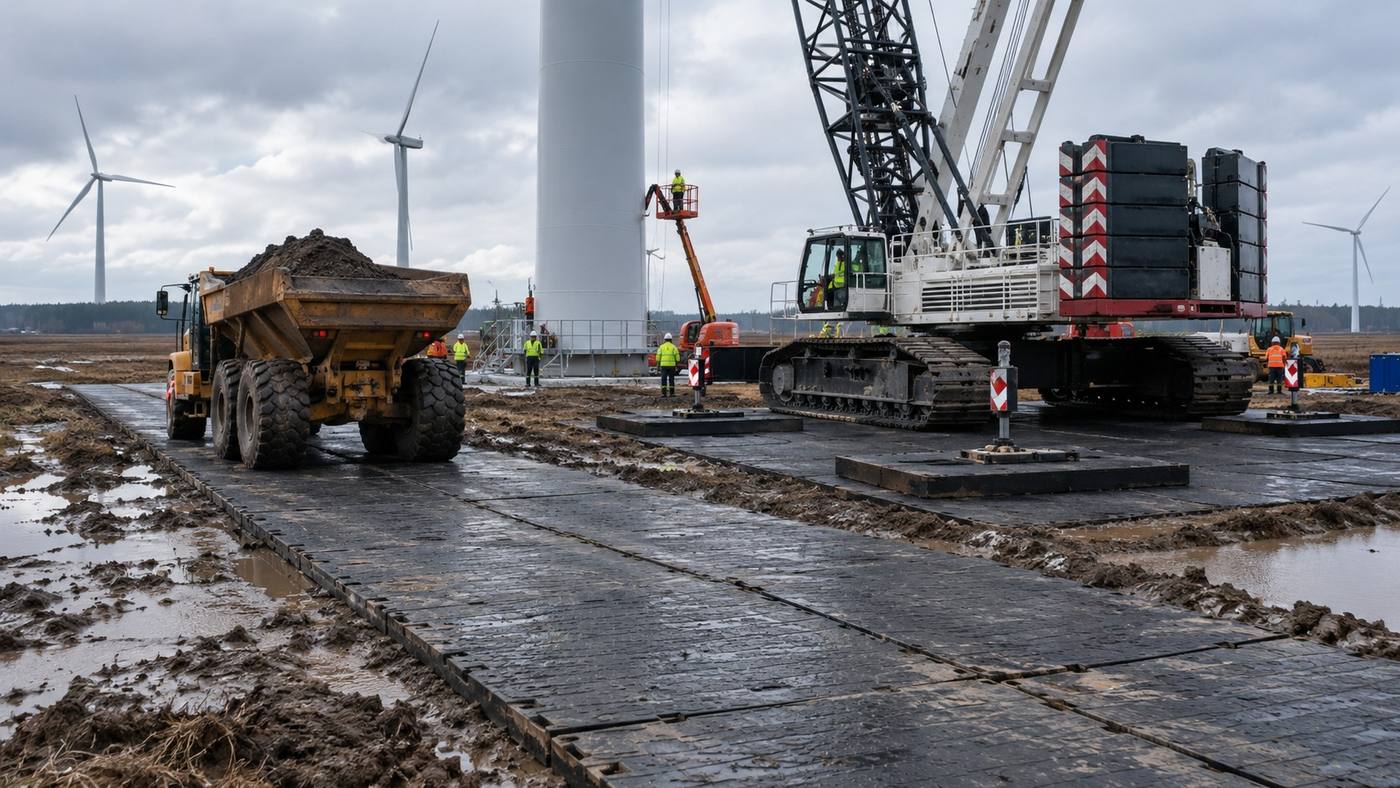
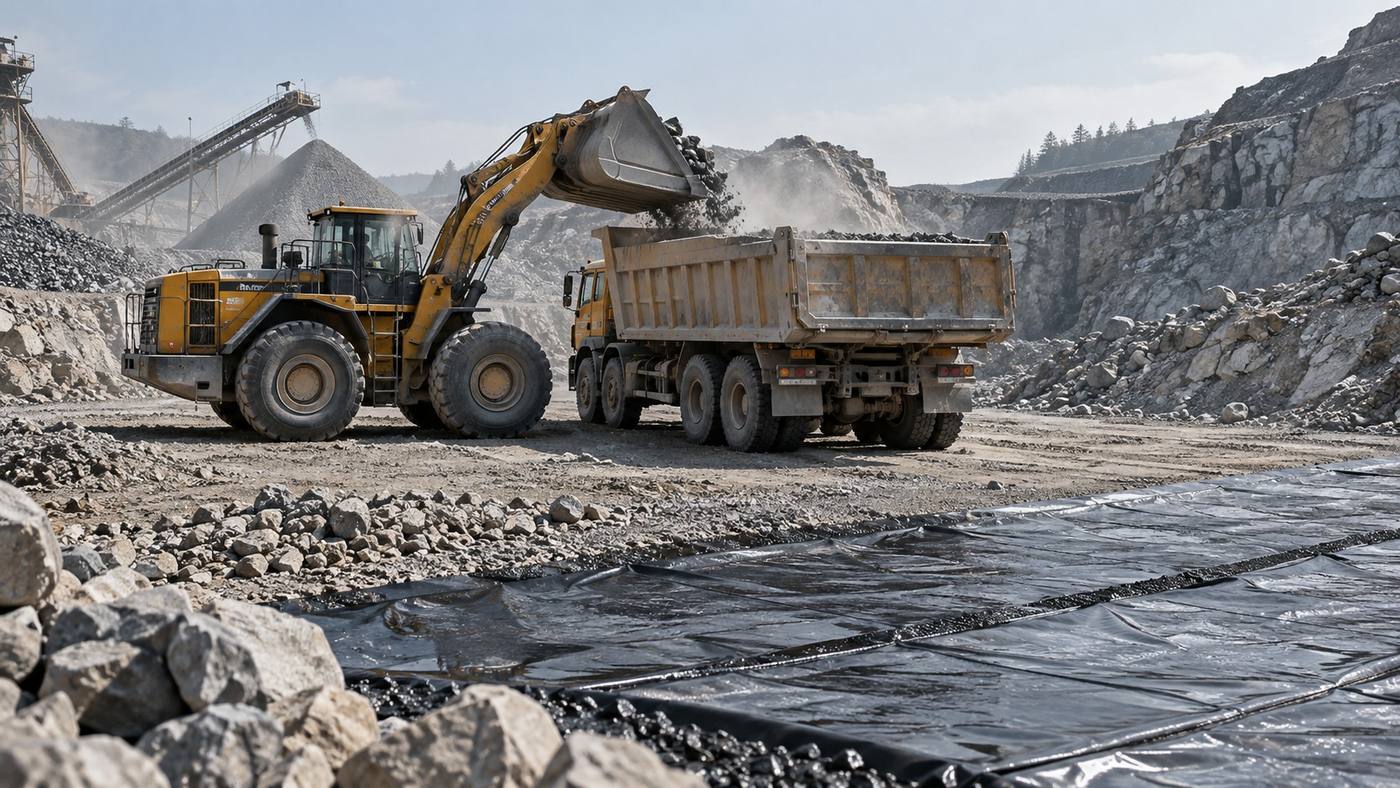
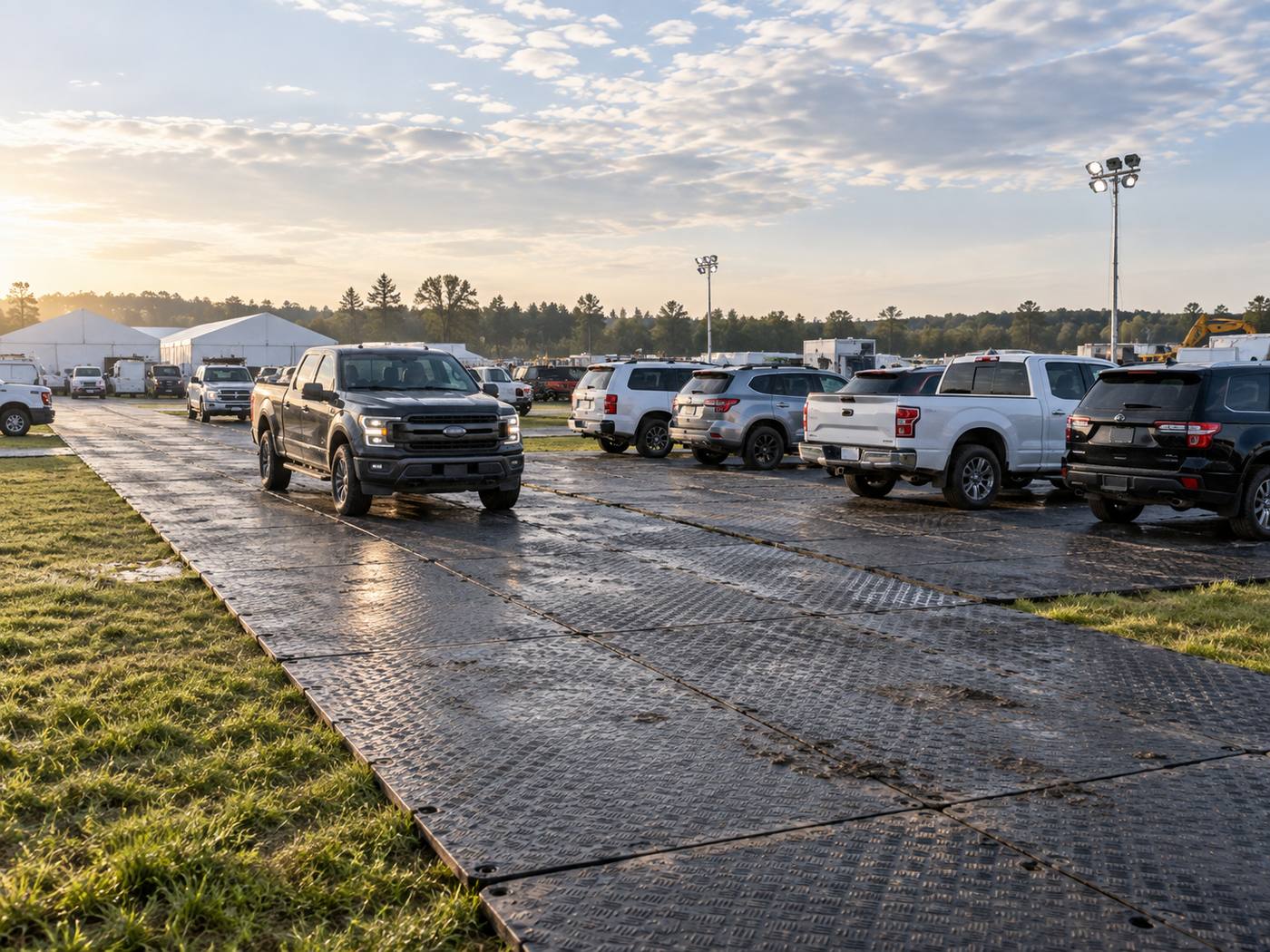
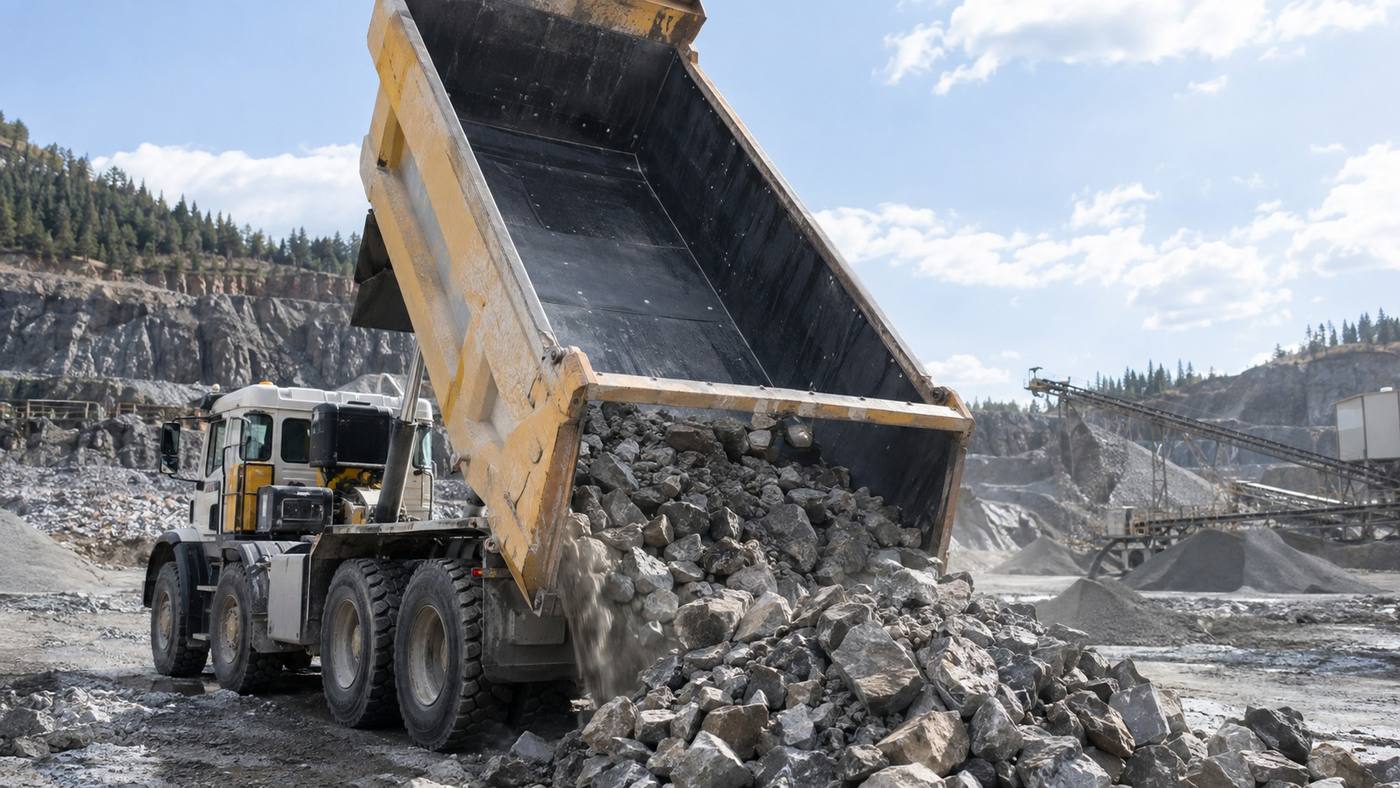
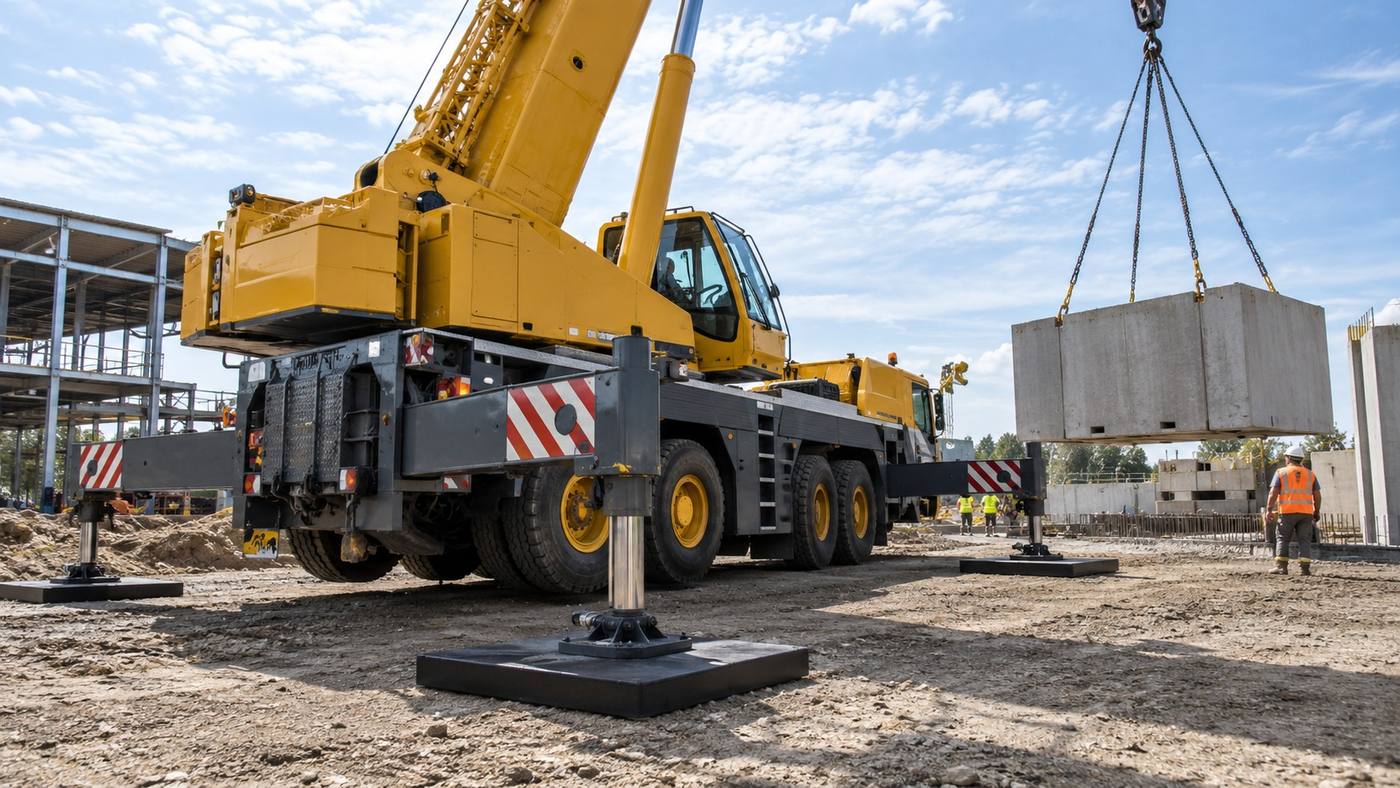
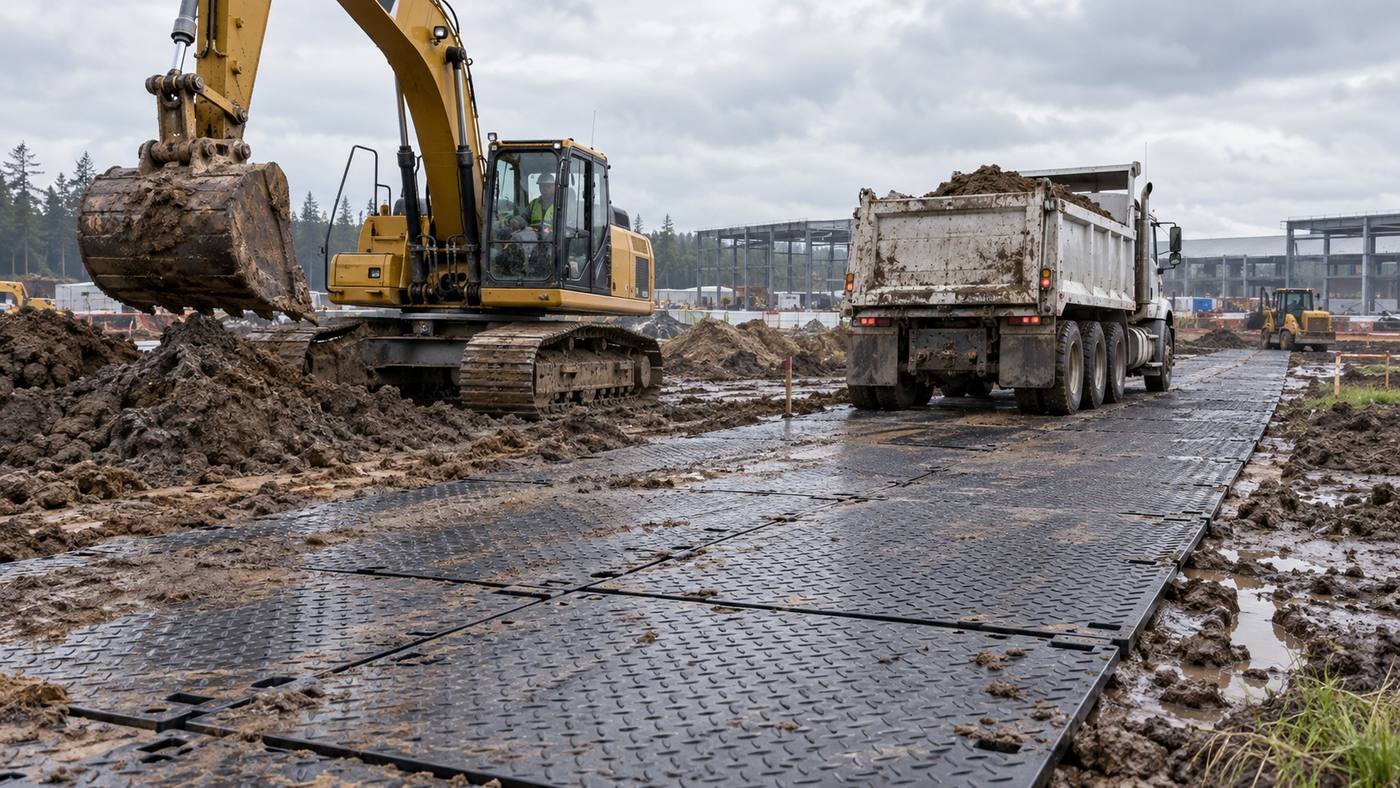
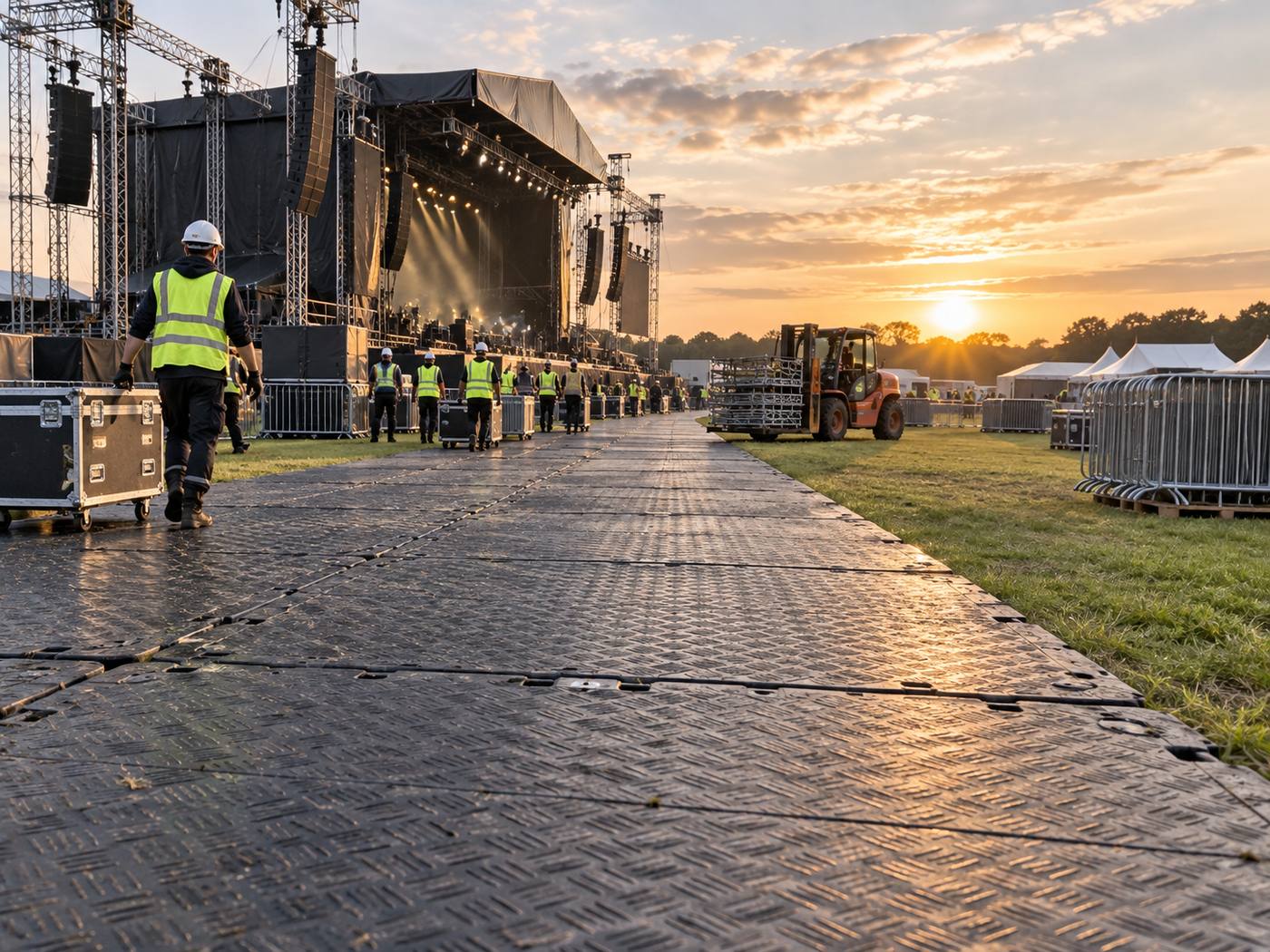
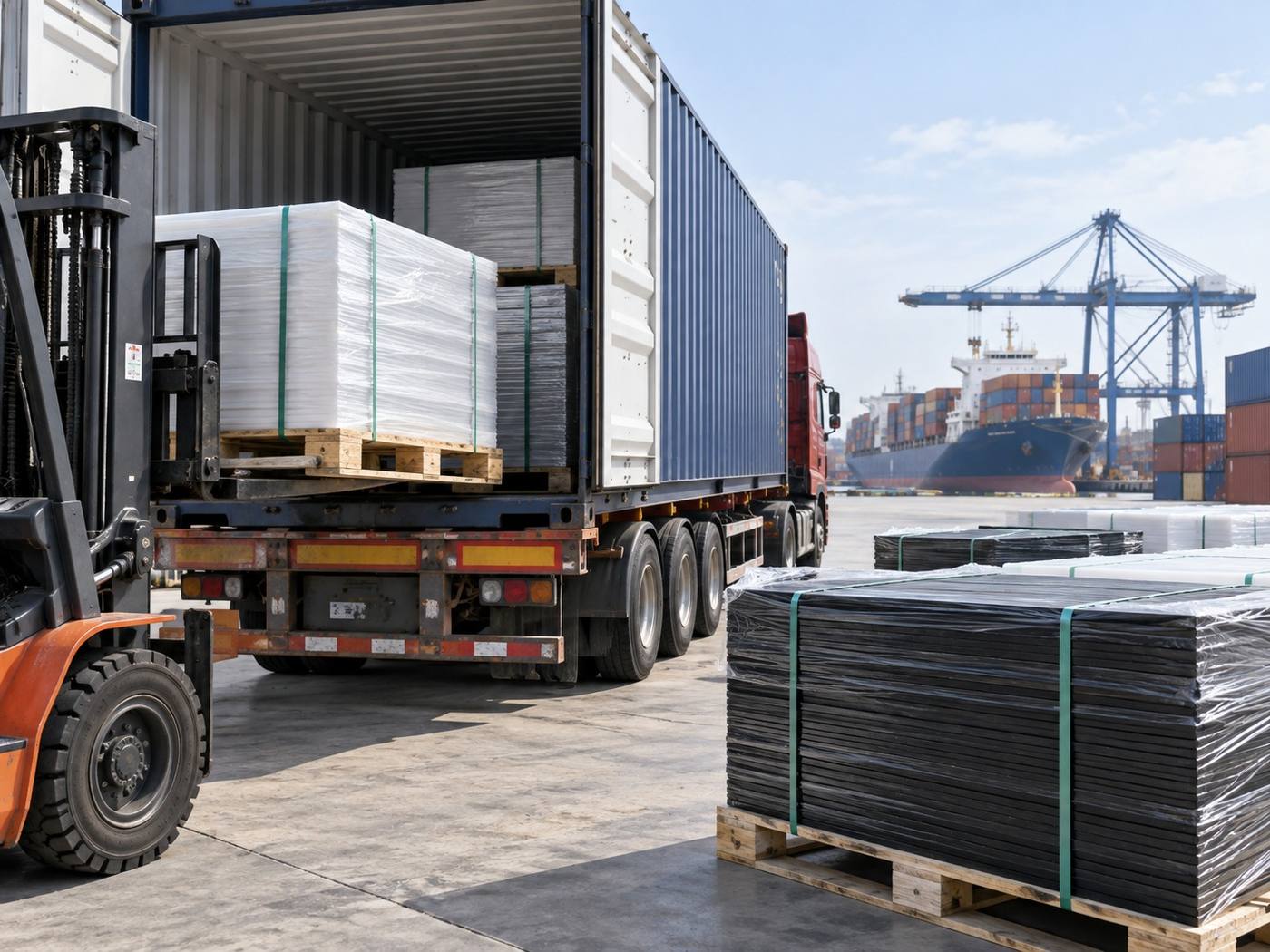
Figure: Emergency repair site for electrical circuits following heavy rains, typhoons or floods, with a focus on “How to avoid road congestion by concentrating on recovery convoys”
The installation should leave a photo, location and measurement record. First, ground-level levelling, drainage and underground facilities are identified, and the complete contact, connection, edge and transition of the pavement is checked, or the size, location and centering of the leg pads are checked. The speed of repairs cannot be a substitute for ground-based and traffic safety judgements, and the most critical rescue and equipment routes should be restored before heavy vehicles are opened on a segment basis. Areas not eligible for acceptance should not be replaced by speed-limit signs alone. The test-pail record of “how to avoid road congestion by concentrating on the recovery of convoys” should indicate the starting and ending position, vehicle status and release conclusions to facilitate review as construction conditions change.
It is recommended that the pavements and the mats be included in the asset desk account, numbering the relevant specifications, batches, pavements and hours of use. The scope of the inspection included water accumulation, pumping mud, plumes, vehicle congestion, leg deposition, lighting, public isolation and connectors. The removed components are to be cleaned, dried, flattened and placed in subdivisions that are qualified, subject to assessment, to repair and to end-of-life status, to prevent the re-entry of unqualified products. Around “how to avoid road congestion by grouping up for repairs”, the patrol forms are designed to repeat the traffic by single-listed vehicles to create deep-seated patterns and to disrupt changes at the grass-roots level, and to indicate the inspectors and the time of their return.
The impact assessment cannot be based solely on the movement of vehicles on the same day. The project compares vehicle waiting, trapping, maintenance hours, cleaning time, loss of connection, site restoration area and evacuation cycle, and records weather and traffic simultaneously. The question of whether the programme is suitable for replication in the next energy project is determined by the creation of a deep-seated path around repeated vehicle traffic and the destruction of data at the grass-roots level. It should also answer whether the “how to avoid road congestion by grouping the recovery convoys” has been demonstrated to be improved by calculating the straight-line segment, the turn zone, the docking position and the surface, so as to avoid a subjective description of the closing item.
The construction, equipment, HSE and logistics team should confirm the use of the same version of data before the procurement is issued. The common dimensions, thickness or reference load range referred to in this paper are not on-site commitments and actual performance is influenced by materials, temperature, foundations, connections and installation patterns, and the recommended results should indicate assumptions and no application.
Need for further evaluation of the actual project?
Applications, sizes, quantities, site photographs or drawings and delivery destinations are sent, on which we can identify more suitable products and processing programmes.