
Road-painting boards, leg mats and car liners do not apply to all customers for a fixed useful life. Life expectancy depends on the quality of materials and production and is also influenced by vehicle or leg loads, circulation cycles, ground stones, material erosion, impact deviations, temperature, ultraviolet, chemical media, cleaning methods and storage status. Short-term activities were used several times to compare high-frequency operations with mine operations throughout the year with commitments for the same year. A more reliable management method is to document actual cycling and damage trends and to set clear standards for inspection and adjudication.
Common replacement signals for pavement boards include cross-fracking, extensive defacement of the edges, contours of the link, severe arcs that cannot be restored, a marked decrease in the pull resulting from the graft of the pavement, and repeated movement or fall of the plate under normal conditions of work. Small surface scratches are usually not equivalent to immediate end-of-life, but they need to be assessed in isolation if they are located in high-curve areas, continue to expand or significantly decrease thickness. Additional checks should also be carried out in the event of vehicle overload, sharp tracked impact or a hole under the plate.
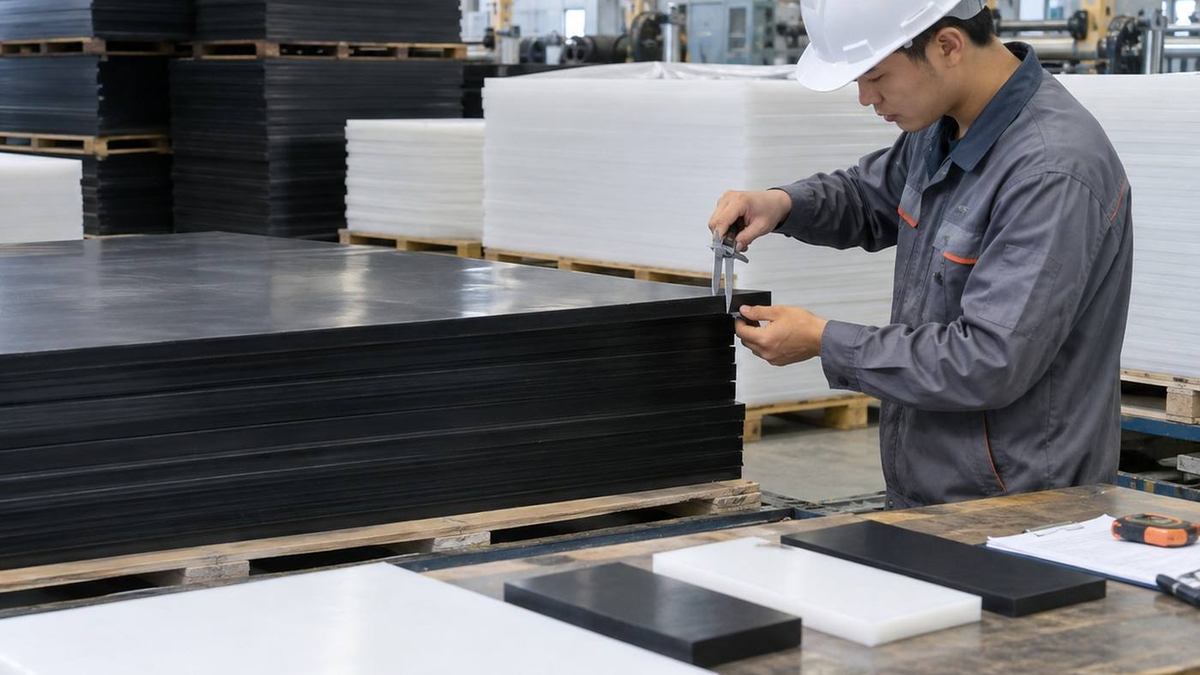
On the official web site: inspection of finished products and reconciliation of specifications
The leg cushions bear a centralized load, with greater attention to the centre's fall, radioactive cracks, edges, handholes torn and permanent bends. Any damage that may deprive the disc of its full support shall not continue to be used for lifting operations. The liner of the vehicle is to observe, inter alia, the depletion of the thickness, local perforation, sutures, drums, uncomfort and material flaring; if worn, the continued operation may allow the material to enter below the liner, expand the corrosion of the steel plate and influence the discharge material.
It is recommended that four inspection nodes be established for access, access, on-site inspection and return to the library to record changes in the same location with photographs. High-risk products may be provided with thickness points, wear and tear lines or number cards, and are subject to preventive inspection on the basis of traffic, hours of operation or tons of transport. The manufacturer ' s rules for permissible deformation, minimum residual thickness and maintenance should be written into internal standards. Unprejudicable cracks should not be self-drilled or repaired with open fires, as inadequate maintenance may alter local structures.
Life-cycle management should be discussed at the procurement stage: suppliers should be asked to specify the batching of materials, test methods, examples of normal wear and tear and unusual injury, clean-up restrictions and recommendations for replacement. When comparing costs, projected recycling costs are used instead of unit prices, and stoppages, labour and transportation are included. In cases where the on-site condition is heavier than the data originally provided, or where the product has a continuous pattern of damage, the selection and mode of operation should be re-examined, rather than simply reusing the original scheme after replacing the new plate.
Need for further evaluation of the actual project?
Applications, sizes, quantities, site photographs or drawings and delivery destinations are sent, on which we can identify more suitable products and processing programmes.







