
Moisture, clay and sludge can easily form continuous layers on steel wagons, including because of water content, fine particle ratio, pressure, steel plate rust and surface pits. Residues will take up payloads, prolong discharge cycles and increase the time of manual van cleaning. Low friction car skateboards, such as UHMWPE, provide a levelling, lower surface friction layer, making it easier for materials to start sliding when they are lifted up, while segregating partial wear and corrosion, but it is not a 100 per cent guarantee that all sticky materials will be emptied.
The effect of the discharge depends first and foremost on the material. The same clay changes mobility significantly at different water-bearing, temperature and pressure times; fibres, grains or chemical components in sludge also affect friction. The name of the material, the particle size, the water-bearing range, the temperature, the load of the bicycle and the maximum length of stay shall be provided before the procurement. In the case of the transport of a variety of materials, it should be judged by the most difficult to unload and a real high percentage of work, rather than by only dry sand or small samples.
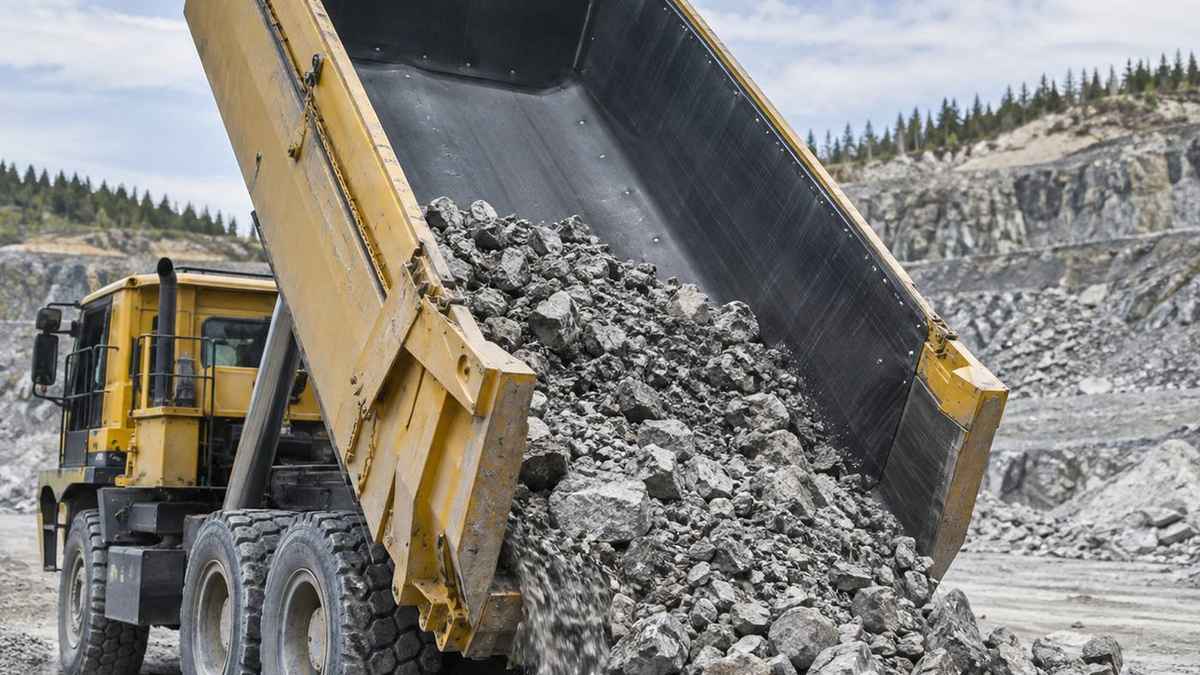
Web site mapping: offloading of vehicles and use of car lining
Car conditions are equally critical. The liner needs to be suitable for the bottom and side wall shape of the vehicle, the seams cannot prevent the flow of material, and the tight system should allow the material to heat up and freeze and avoid bolts to form a hanger point. Weldomas, pits and deformations of old cars should be treated prior to installation; the lifting angle, end door opening and hydraulic system should also be normal. If the car is not tilted or the tail door is blocked, a lower friction liner will not make up for the mechanical problems.
The installation shall be done by means of an actual load test vehicle, which shall record the time from the beginning of lifting to the complete discharge of the material, the residual weight, the lifting angle required and the frequency of manual clean-up, as compared to the same condition prior to installation. Drivers need to be trained in new offloading characteristics, as the material may move earlier and faster; vehicles must be parked in areas at a stable level, and personnel must not enter below lift cars or stand on the discharge path. In the event that the material suddenly falls, the site ' s capacity for the material will also be assessed.
The return on investment can be calculated by combining the time saved per shift for clean-up, reduced residual loads, vehicle cycle times, steel car repair and billboard maintenance costs instead of per square metre price. The request for quotations is for internal dimensions and photographs, material data, daily cycle, ambient temperature, current wear position and installation restrictions. The vendor selects the material, thickness, coverage area and fixed programme on this basis, with an indication of the applicable conditions and expected maintenance.
Need for further evaluation of the actual project?
Applications, sizes, quantities, site photographs or drawings and delivery destinations are sent, on which we can identify more suitable products and processing programmes.







