The unit prices of different suppliers can only be compared if the specifications, quantities and trade terms are the same. One offer may be a factory offer, while the other includes port charges or sea transport; some are based on the number of nudist plates, some include connections, fixtures and packaging. The purchaser shall first harmonize the currency, taxes, fees, payments, quotations and delivery locations, and then calculate the total cost of the product to reach the warehouse or project site.
Total landing costs include products, moulds or processing, packaging, domestic transport, customs clearance, maritime transport, insurance, destination port fees, customs duties, customs clearance and inland distribution. Heavy plastic sheeting may also result in overweight, forklifts, cabinet-breaking and stacking costs. The advantage of the low unit price may soon be offset if the packaging is too large or the individual is too heavy and additional equipment is required at the destination.
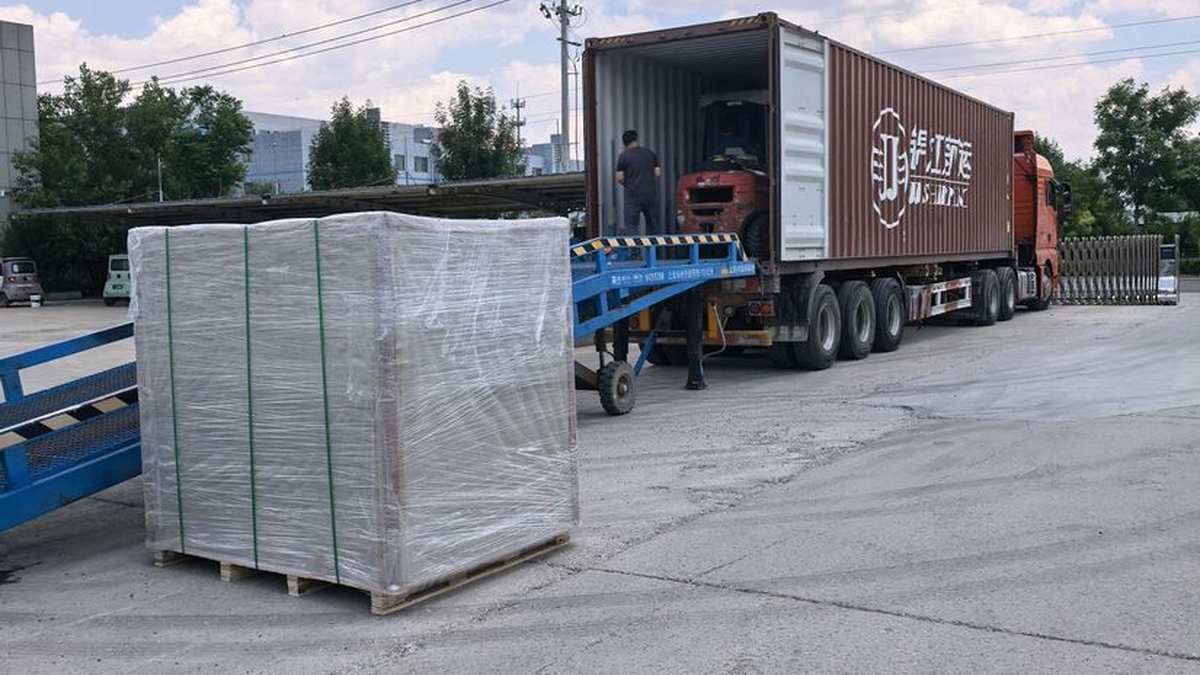
Packaging of pavement boards, shipment of vehicles and bulk delivery (contributions to plastics practitioners ' network)
Product differences are also converted to usage costs. Lower-cost pavements can increase labour and replacement if they are connected, slow-painted or short-lived; they can continue to cause clean-up and turnover losses if there is limited offload improvement; and overloading of legs increases the cost of handling equipment and lease management. The unit cost may be calculated on the basis of the expected number of usages or the number of years of the project.
The number of containers is an important variable. The same 40HQ, which is of different sizes, packaging and mixing, affects the quantity that can be filled and the amount of freight per package. Vendors should provide packing sizes, each bundle of gross weight, expected container volumes and photographs of containers. The procurement party should not seek to overwhelm the transport restrictions by seeking more than the container weight and destination port rules.
It is proposed that a common cost table be established, with a breakdown of one-time costs, per container, per package and per life-cycle costs, as well as space for maritime fluctuations. Vendors were asked to explain that the project and possible surcharges were not included. Total off-shore costs allow for a shift in procurement decisions from a minimum unit price to actual delivery and use value, and also facilitate communication with financial and project teams.
Need for further evaluation of the actual project?
Applications, sizes, quantities, site photographs or drawings and delivery destinations are sent, on which we can identify more suitable products and processing programmes.