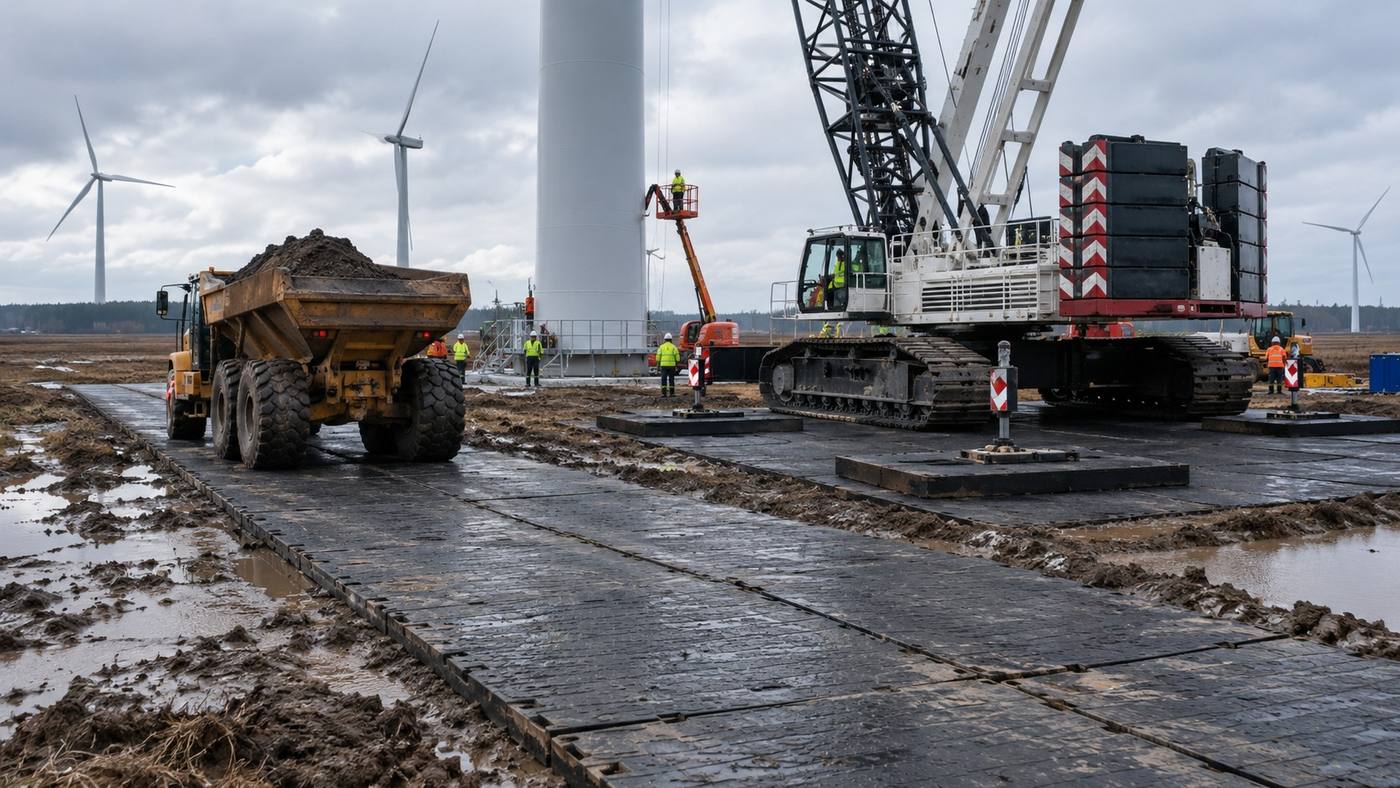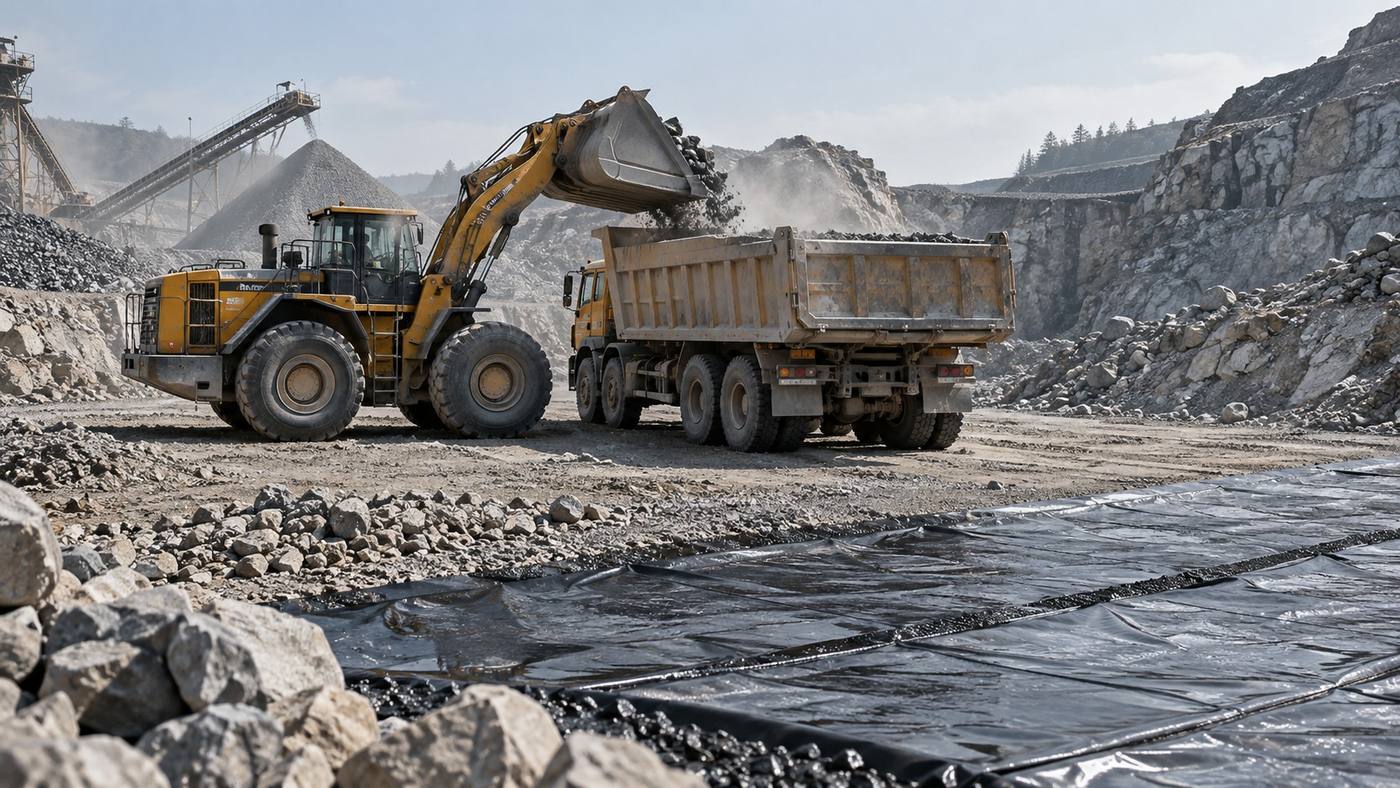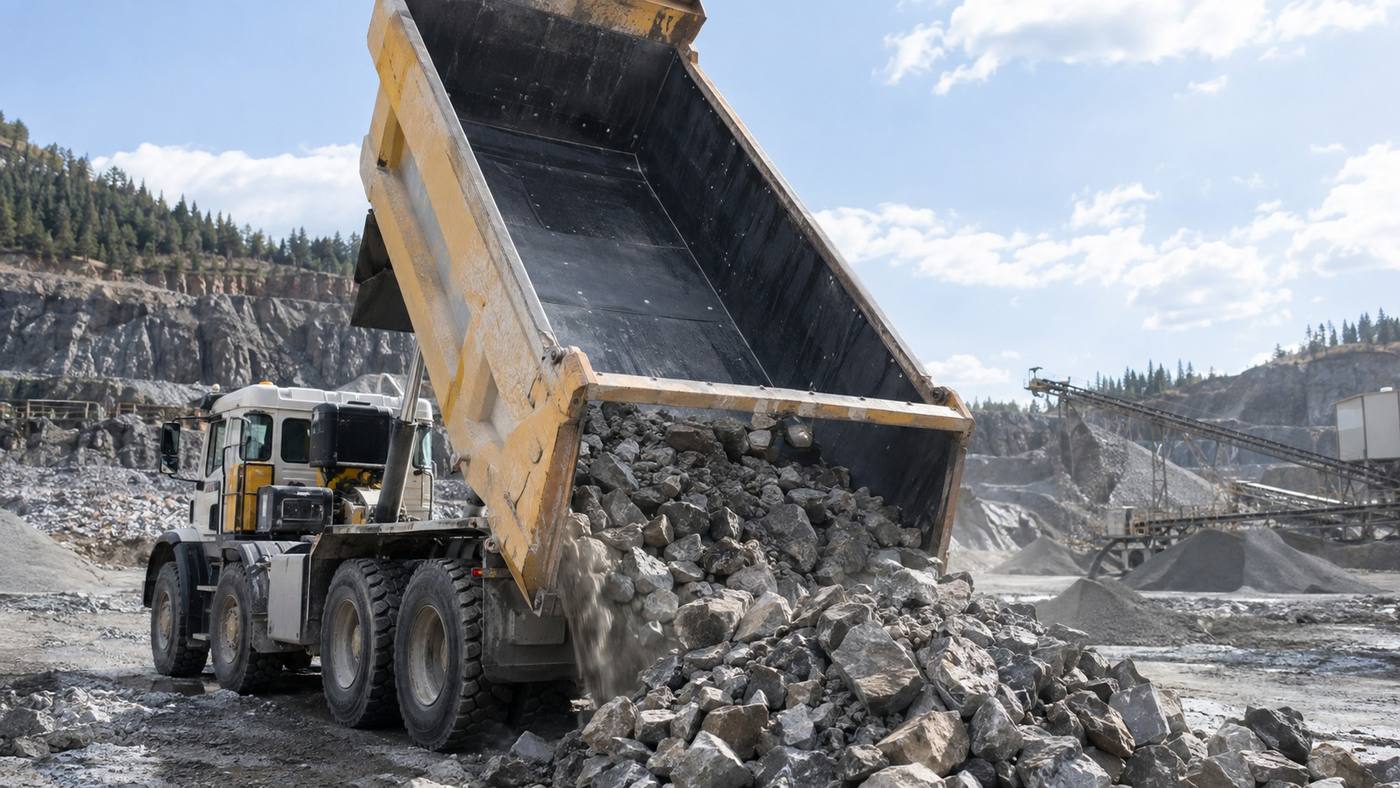
The largest difference between the purchase of pavements by leasing companies and single project procurement is the adaptation of products to multiple ground, vehicle and construction teams. Over-targeted dimensions or holes for a project may be difficult to collage in the next lease; only the minimum unit price is sought and may increase the costs of deformation, loss of connections and cleaning and maintenance. The establishment of standardized master specifications, with a small number of enhanced panels, transition panels and specialized accessories, is usually more conducive to asset turnover.
Product assessments should focus on material consistency, thickness differentials, low temperature resilience, shock resistance, UV stability, surface-lined road grinding and connectivity. Leasing boards repeat, tow and open storage, and hand position, single weight and forklift compatibility are important. Overweighted panels may increase the risk of labour, and too light, but not sufficiently rigid, may limit the scope of the lease in complex projects.
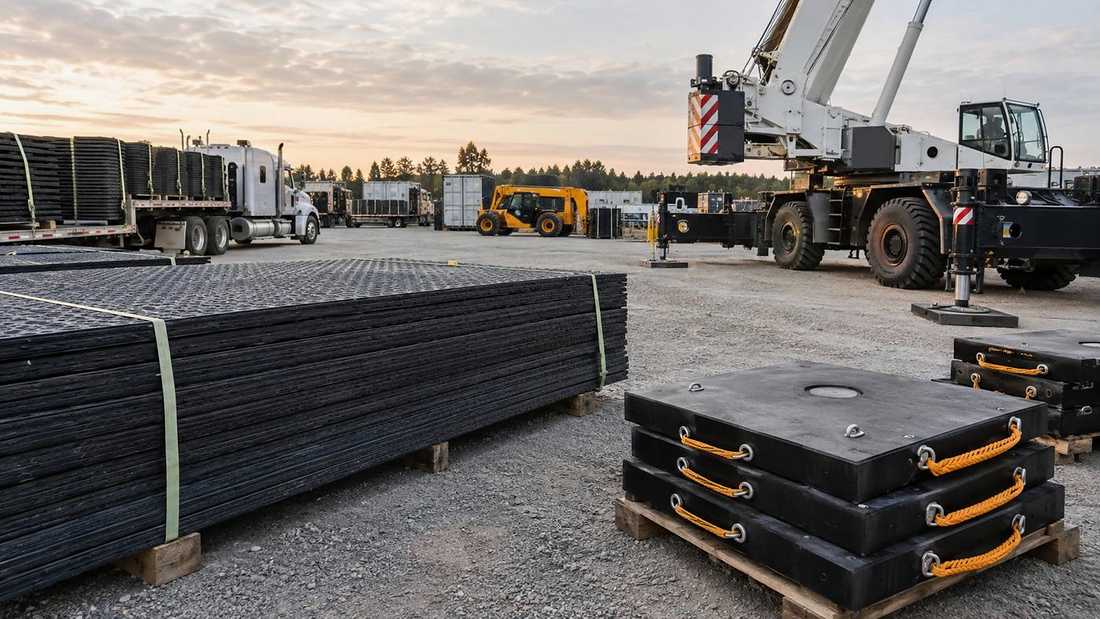
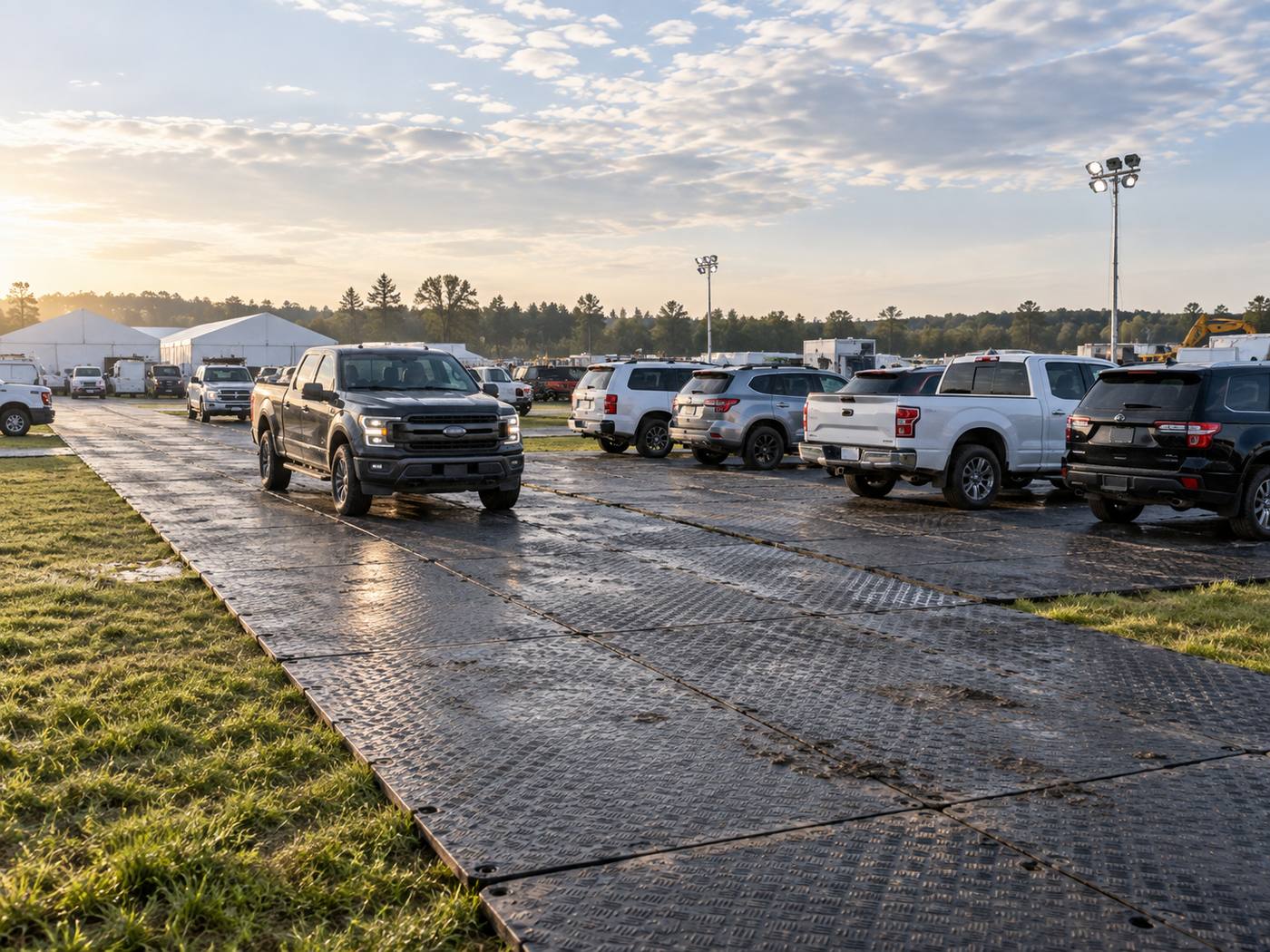
Plankted access application in equipment rental scenes (input material for the plastic network)
Rental operations also require traceability. Without prejudice to the location of the structure, the numbering or customer identification may be used to record the purchase, number of leases, damage and maintenance of each plate. If the different batch sizes are too different from the pore, the mixing efficiency is reduced. Procurement contracts should identify size differences, colour stability, interconnectivity swaps and subsequent replenishment compatibility to avoid annual fragmentation of inventories.
Cleaning and storage capacity should also be included in procurement costs. Deep-printed roads can increase ground grabs, but they may prolong mud cleaning time; the ease with which the surface is pegged can affect the ground protection effects of the next project. Vendors should describe the options for recommended cleaning methods, stacking heights and storage temperature, as well as spare parts for connections, straps or handling tools. The end-of-life criteria should cover cracks, pore stretching, permanent warp and severe surface wear.
In the request for price, the leasing company may provide the main customer industry, typical equipment weight, common premises, maximum lease period, annual turnover, warehouse and transport vehicle conditions. Vendors are required to submit standard specifications, unit weights, packing modalities, batch markings and replenishment delivery periods. A sustainable balance between performance, on-site efficiency and life-long maintenance should be achieved for products that are truly suitable for leasing.
Need for further evaluation of the actual project?
Applications, sizes, quantities, site photographs or drawings and delivery destinations are sent, on which we can identify more suitable products and processing programmes.