Customized car skateboards require the actual size of the inside of the car, not the description of the vehicle or its type of name. Different years, retrofitting plants and maintenance records will result in differences in the cars of the same type of vehicle. The basic measurements include the inner length and width of the inner base, the width of the front and rear end, the height and inclination of the side wall, the angle of the front wall, the opening of the tail door, the radius of the round and the rise of the bottom, and shall indicate the basis of the measurement.
The location of reinforced bands, welding, bolts, hydraulic tank shields, perforations, drains and tail door locks will also be recorded. These components affect the plate segments, the holes and the edges. If the bottom plate is dented, welded or severely corroded, the plate may not fit in a nominal size. It is recommended that the general form be supplemented with a size photograph, hand-drawing sketch or a 3D scan.
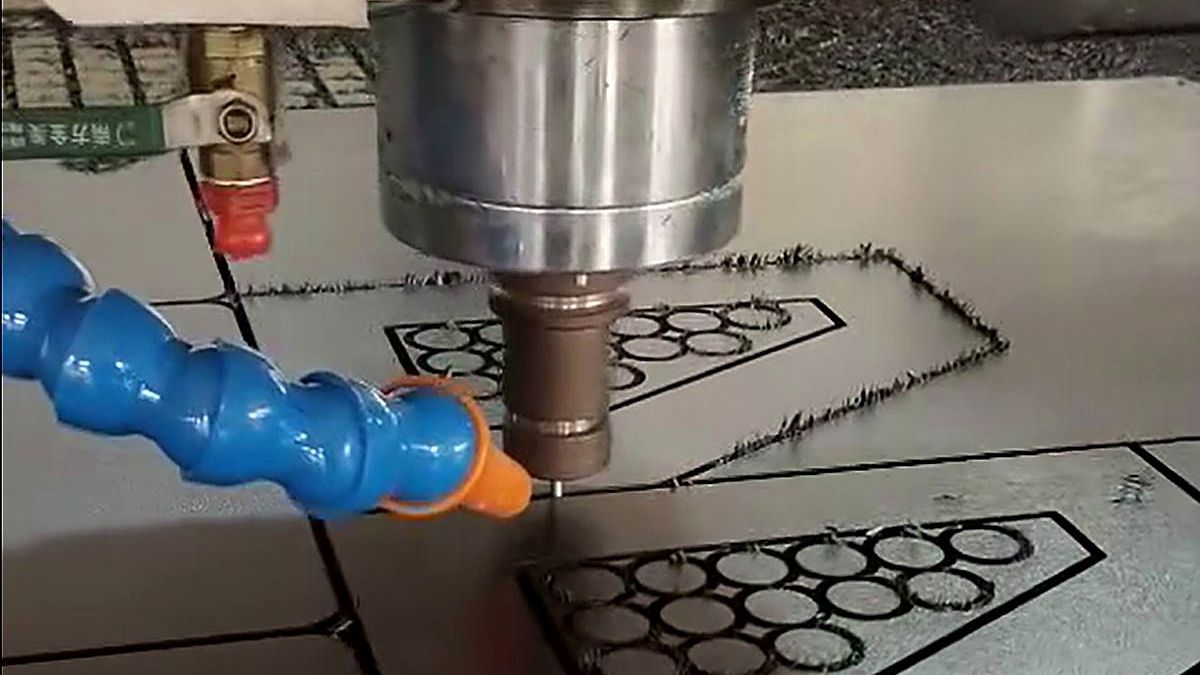
CNC Cutting and poaching of car skating boards.
The measure shall distinguish the surface size of the steel plate from the surface size of the liner completed. The plates need to have hot and condensed space, the seams should be geared to the flow of materials and the tail should not affect the closing and sealing. The structure of the vehicle may be slightly deformed by lifts, and therefore key positions are best checked separately for empty drops and lifts. The supplier should return the confirmation to the buyer for signature.
For the bulk procurement of the vehicle fleet, it is not possible to measure all vehicles as the same. A number of batches can be made by car to identify the differences and create a version number. Each set of plates and attachments shall bear a specific vehicle or compartment number and be packaged with a set of markings. This can be reduced to re-drilling, cutting and mixing after the field.
The request for quotations should include, in addition to the size chart, material, load, temperature, number of vehicles, location of wear and tear, expected coverage and location of installation. Vendors are required to specify the size of the mass differential, the plate number, the hole, the fixed, the expansion gap and the range of on-site adjustments. The more complete the measurements are, the closer the quotations and processing are to be realized, and the time taken to install the shut-off can also be reduced.
Need for further evaluation of the actual project?
Applications, sizes, quantities, site photographs or drawings and delivery destinations are sent, on which we can identify more suitable products and processing programmes.