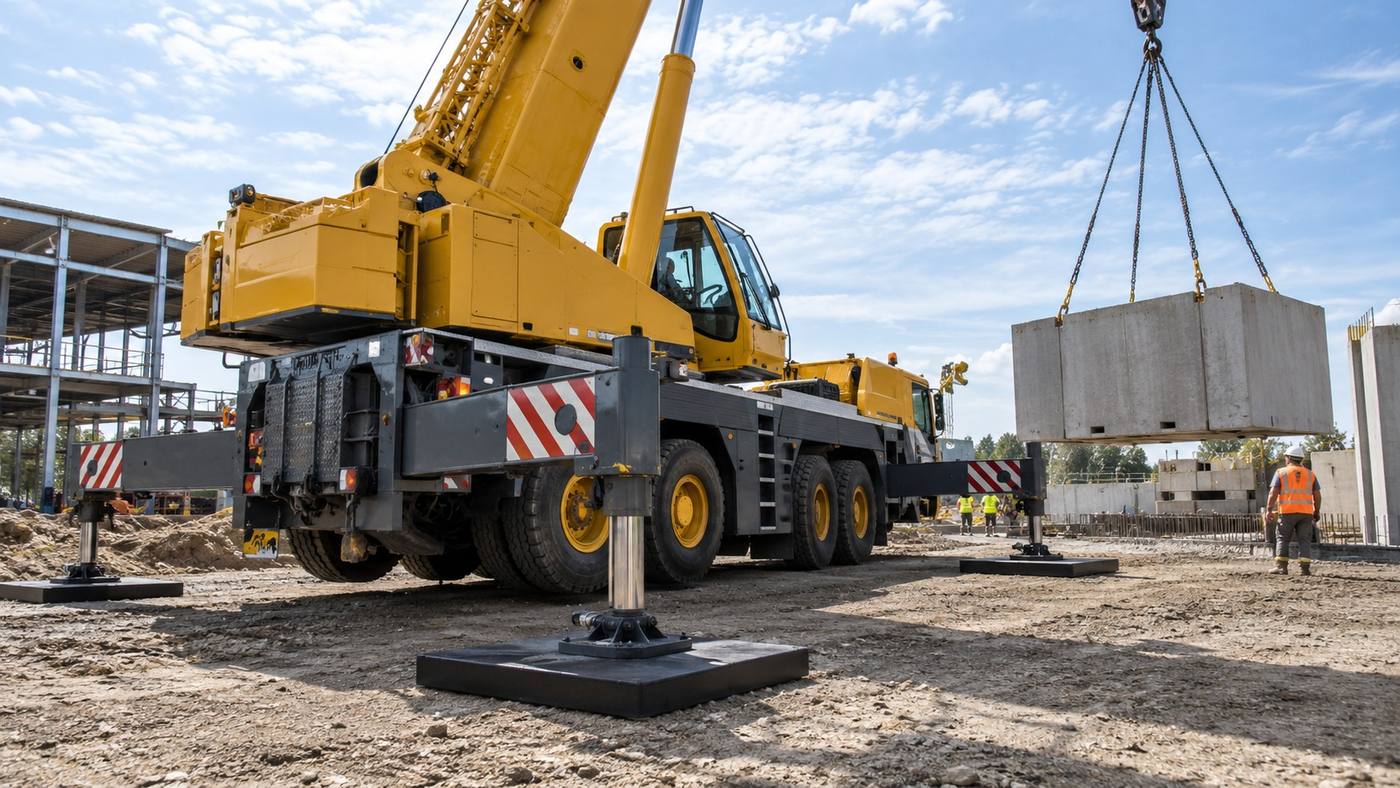
The whole container export begins with the confirmation of the contract and form invoice, and then locks out product specifications, quantities, trade terms, port of departure, port of destination and receipt information. Commercial invoices, manifests, customs declarations, transport booking information and other documents required for products are usually prepared prior to completion of production. Different countries, material uses and customer requirements that may involve certificates of origin, fumigation or material declarations should be confirmed at the time of the next order.
The booking requires a cabinet, expected gross weight, volume, good date and name. Vendors and freight forwarders are towed and containerized on the basis of customs clearances, stop lists and arrival schedules. Heavy sheet orders are specially checked against VGM declared weights, containers allowed loads and road restrictions. The boxes are dry, unbreakable, without visible contamination, and record boxes and seals.

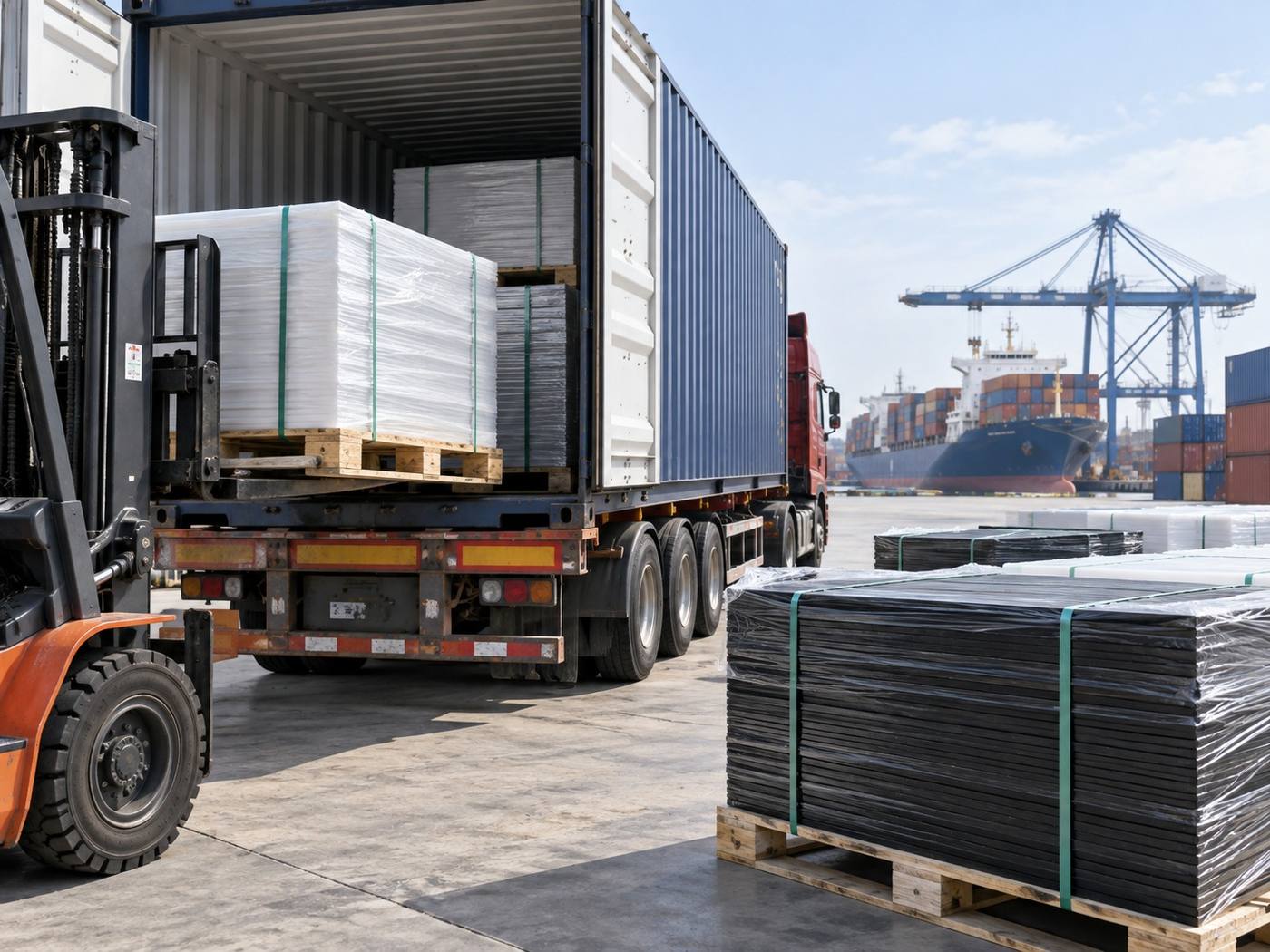
Goods exported from pavements and engineering plastics in port yard (new procurement scene)
The packing list should be consistent with the actual packing number and the names, quantities, amounts and terms of trade in the commercial invoice should be matched with the contract and customs information. The draft bill of lading checks the consignor, consignee, notifier, port, number of pieces, gross weight and container seals before being issued. Any spelling or subject error may affect the change of port of destination and clearance.
After the goods had started to sail, the seller had agreed to provide bills of lading, invoices, boxes and other originals or electronic documents, and the buyer had prepared the import licence, tax number, customs clearing agent and payment simultaneously. Where letters of credit or bank-specific terms are used, the content and date requirements of the documents are more stringent and should be reviewed in advance by professionals. Vendors cannot substitute for destination country import compliance judgements.
The purchaser may establish a nodal list: freezing of orders, good cargo, booking, loading, customs release, opening, document confirmation, arrival and delivery. The parties are required to transmit the documents with the same order number and version. Full process management reduces demurrages, demurrages and project extensions resulting from document errors and facilitates the traceability of containerization.
Need for further evaluation of the actual project?
Applications, sizes, quantities, site photographs or drawings and delivery destinations are sent, on which we can identify more suitable products and processing programmes.