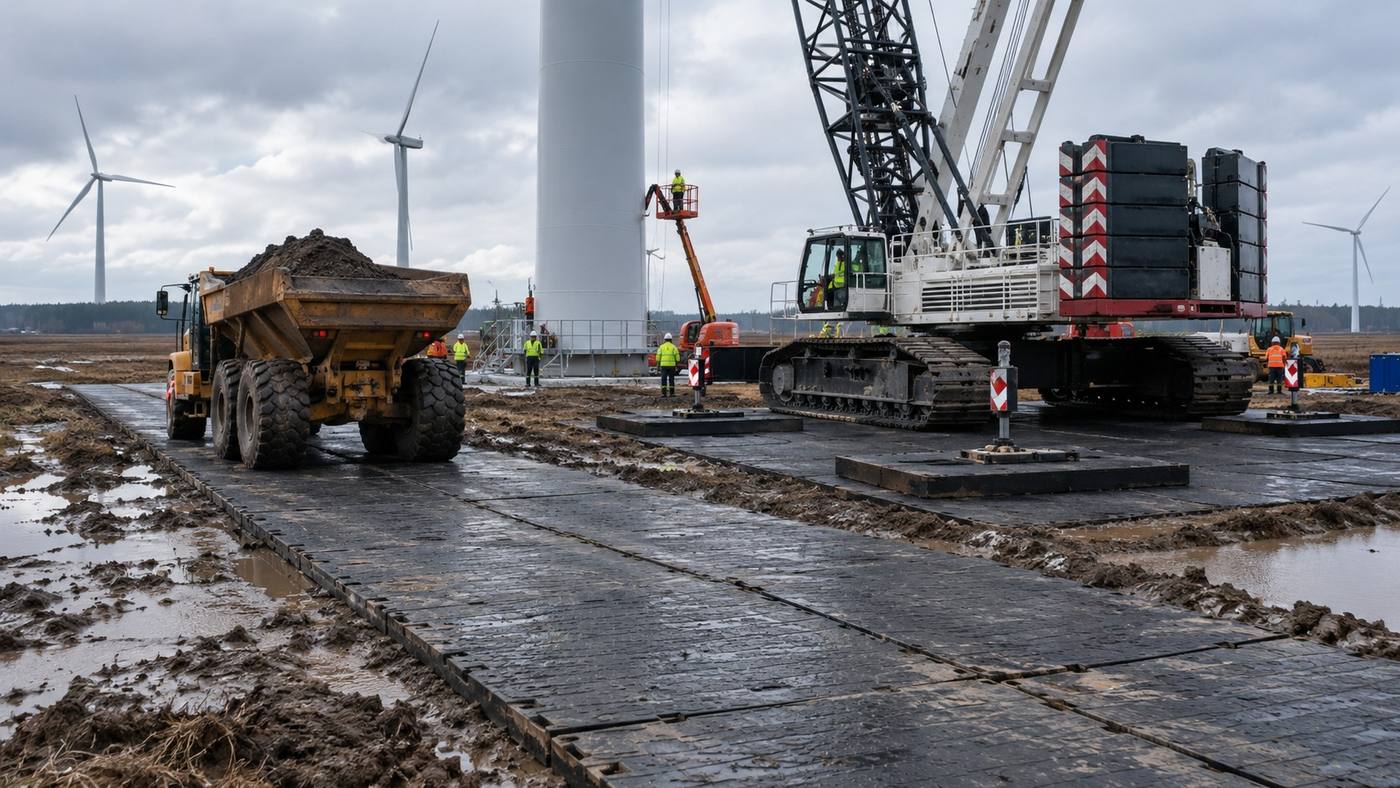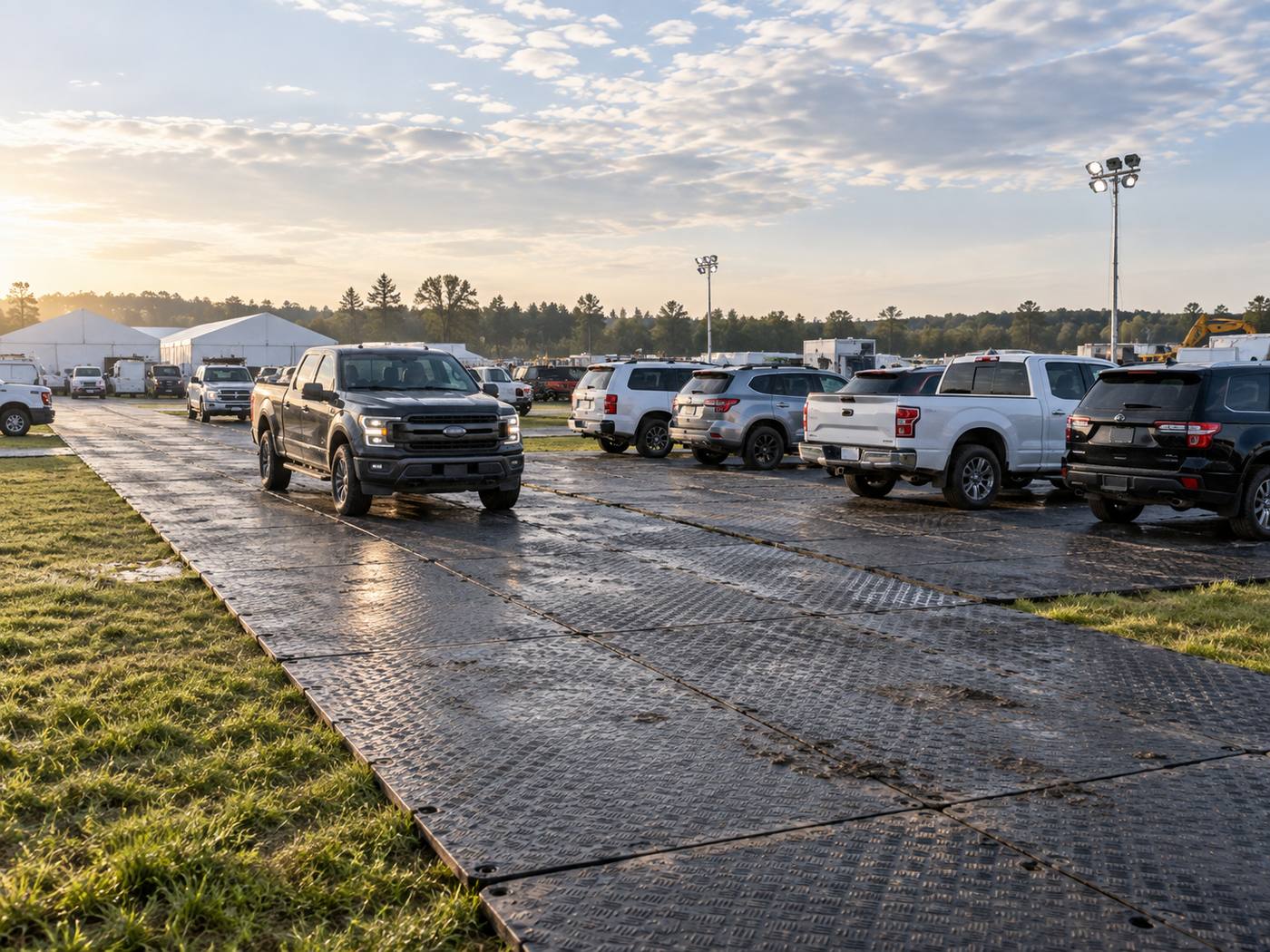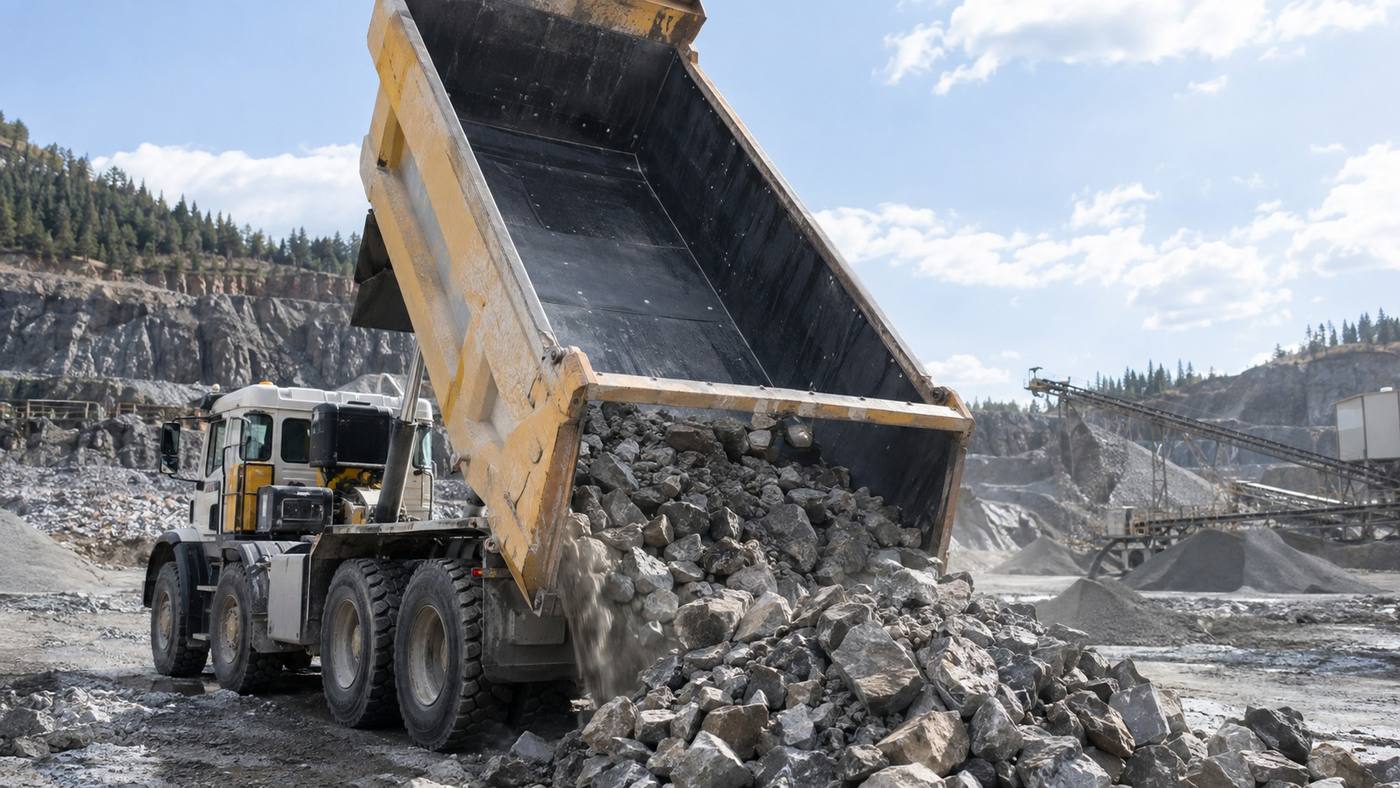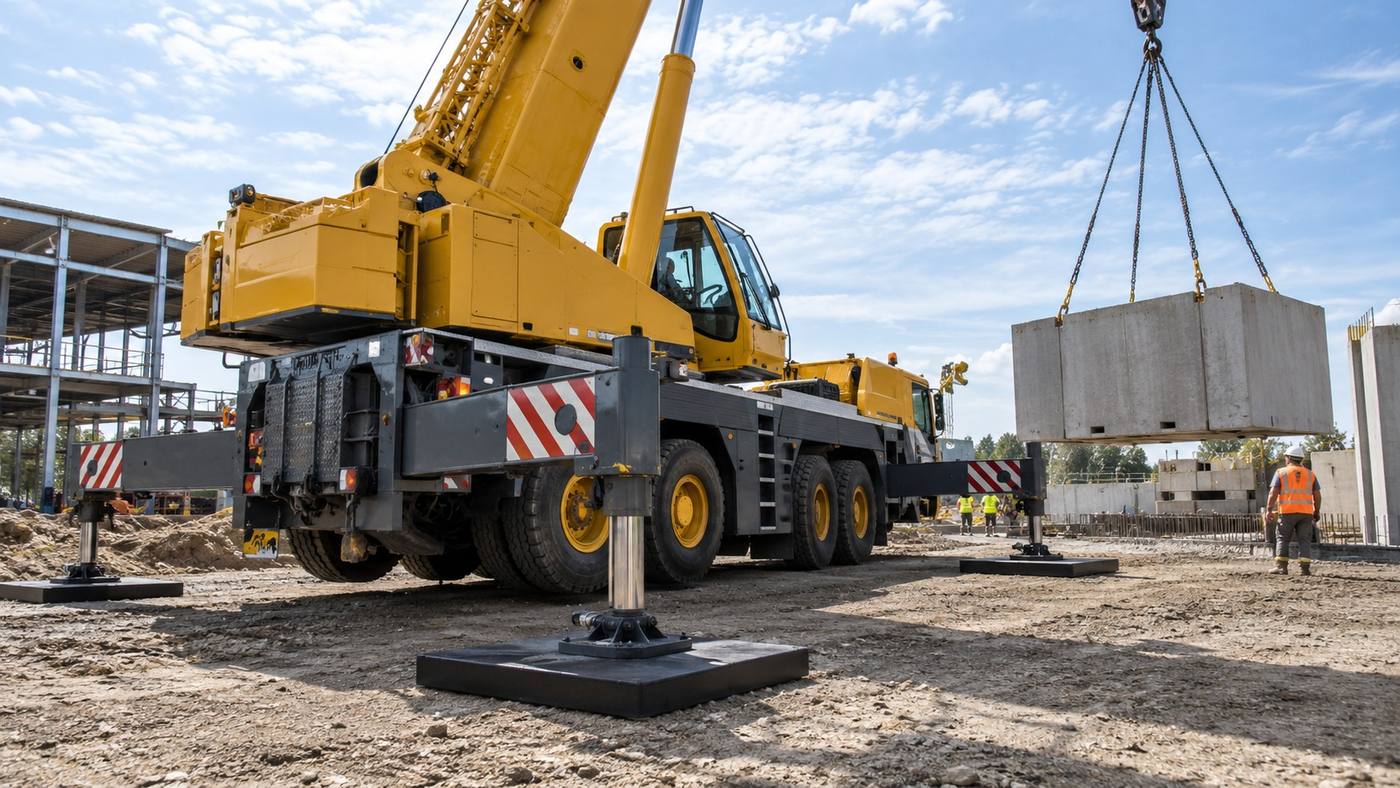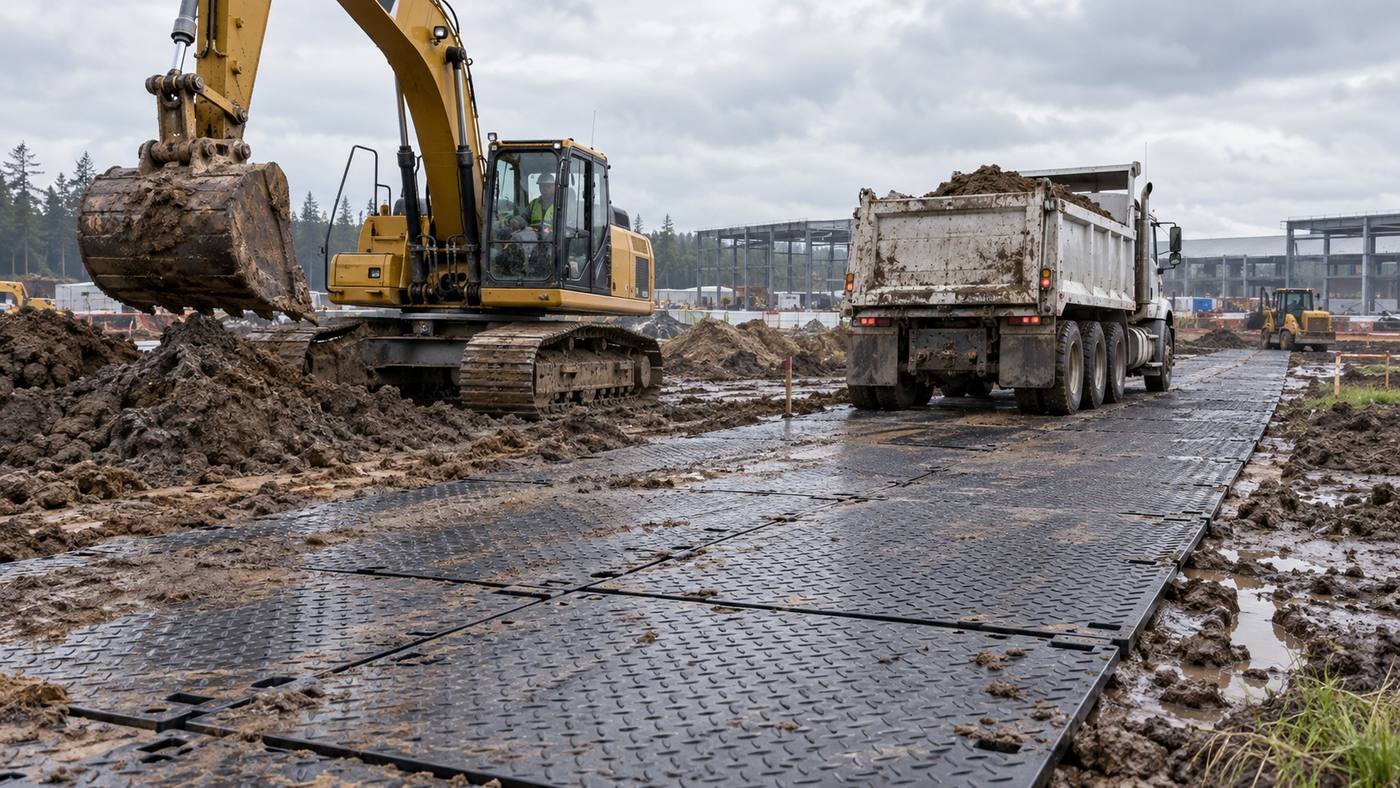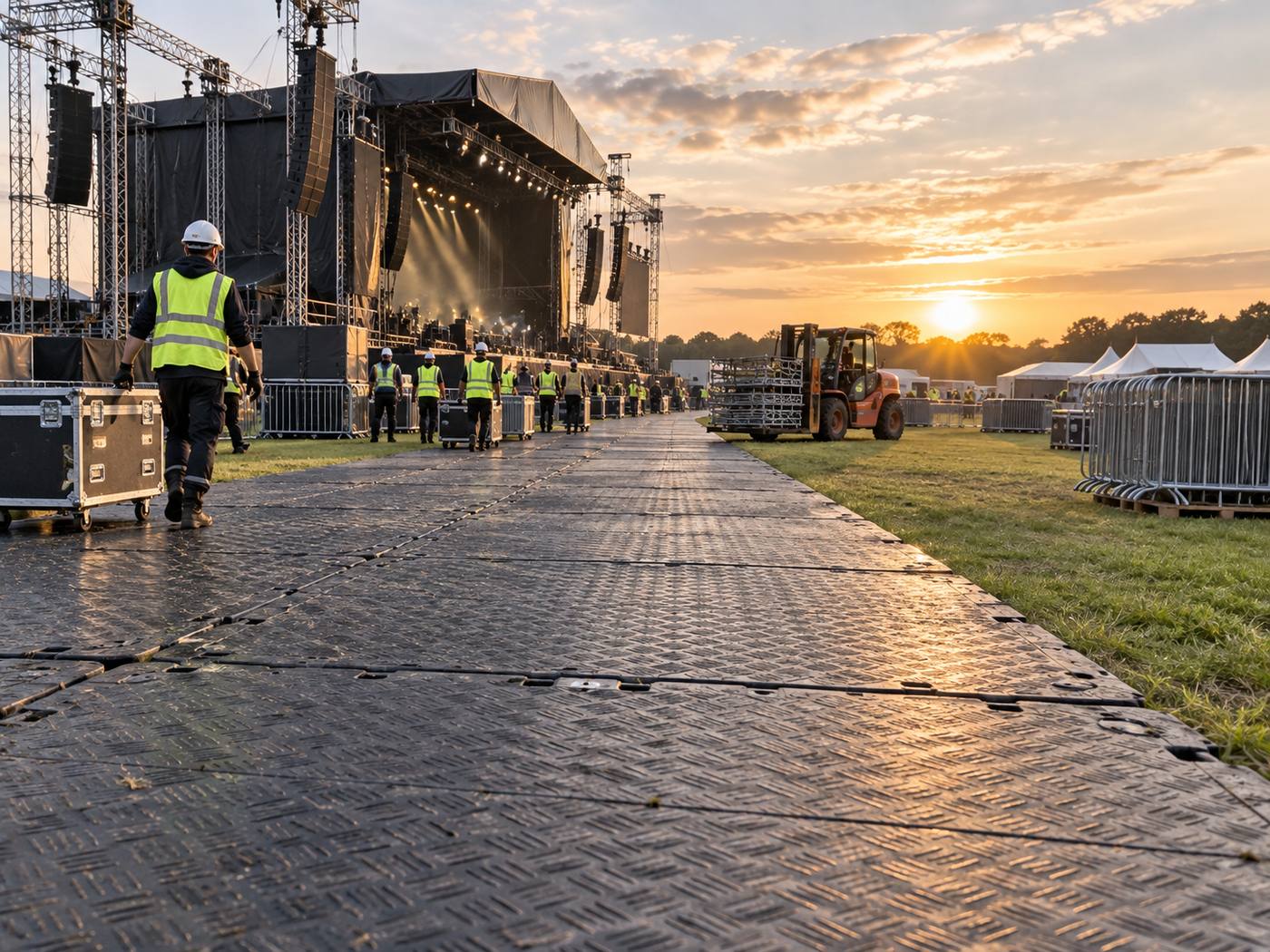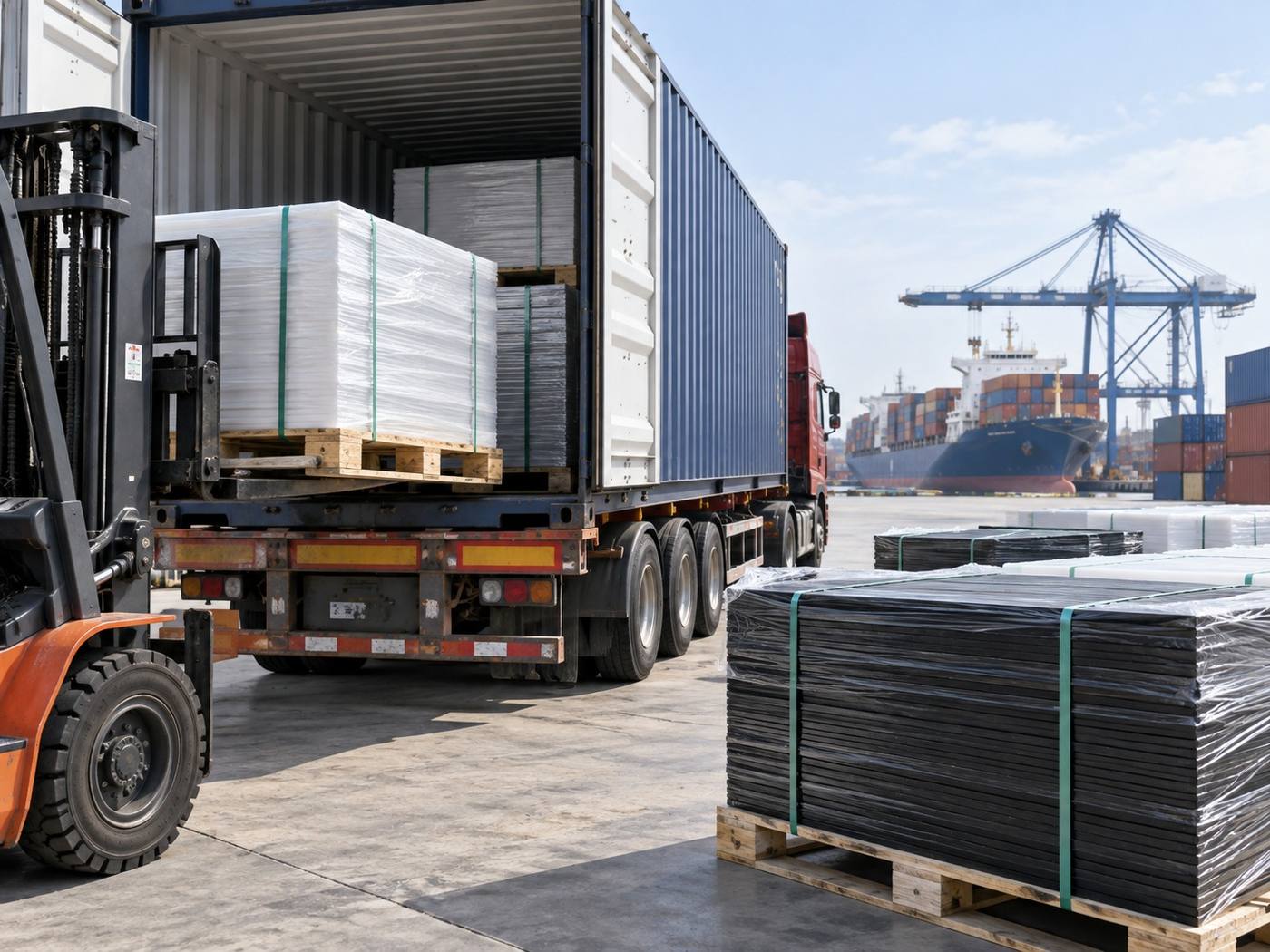
The advantage of standard 2 metres by 1 metre pavement is that the supply is stable, the quantity is easy to account for, the connection is universal, and rules stacks can be used to improve the efficiency of warehousing and containerization. Standard specifications are more readily available for replacement and replacement of line temporary roads, equipment lease inventory and multiple project rotations. Customized sizes are suitable for narrow corridors, equipment base perimeters, fixed wide bands or special transport spaces, but each size requires a re-confirmation of weight, hole, processing and packaging.
When comparing the two options, the floor should be drawn first. Standard plates may leave small gaps on the edges, but they can create stable cover through the wrong stitching and the addition of a column of sheeting; custom boarding, while reducing the seams, is difficult to fit on the surface when a single area is too large, and forklifts or cranes are required for removal. If there are only two or three workers on the scene, the single weight of the sheet and the position of the handle tend to be more important than reducing the number of seams.
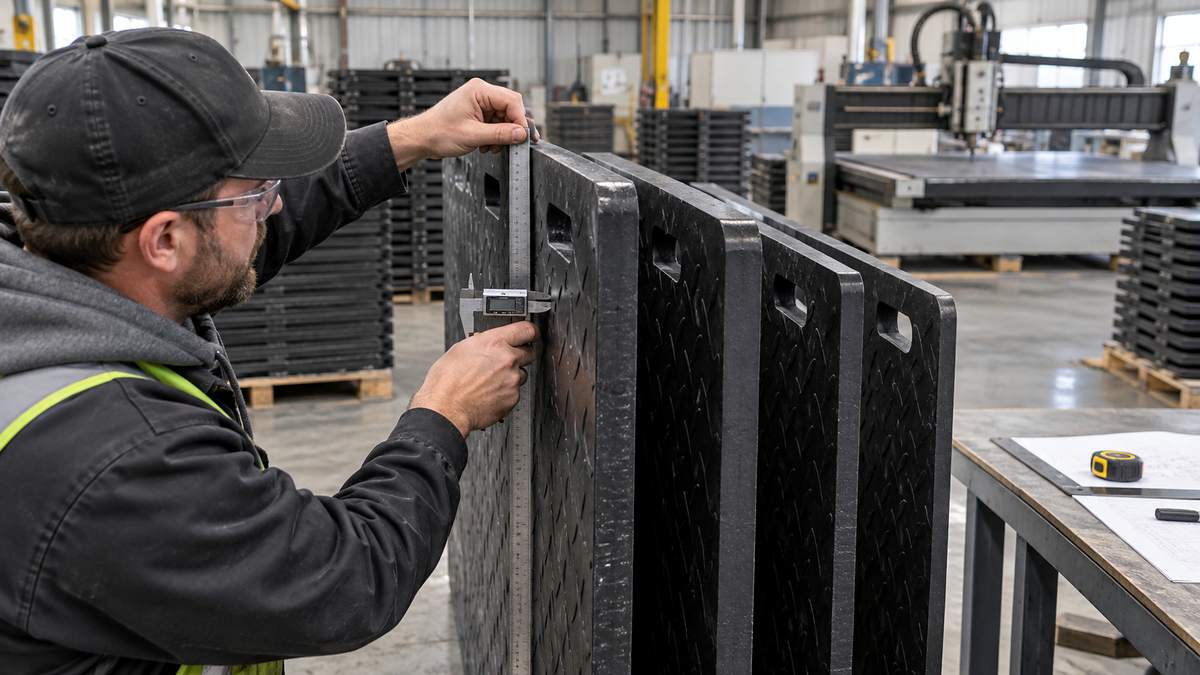
Comparison of the dimensions of the different thickness of the plant with the specifications of the pavement (new procurement scene)
Procurement costs cannot be compared only to the price per square metre. Customized panels usually involve mapping, CNC processing, specialized packaging or a minimum production volume, and subsequent damage to a piece may result in higher replenishment cycles and transport costs. Standard specifications can be shared with other orders for production and packaging, and dealers can easily build inventories. For one-time large-scale projects, the build-up efficiency of customization may be worthwhile; for leasing and distribution operations, standardization is usually more conducive to asset turnover.
The container will also be preceded by a comparison of stack size with container door height, forklift capacity, discharge equipment per bundle of weight and destination. Some long-width combinations save space on the drawings, but the cabinets create unusable gaps and reduce the number of cabinets. The supplier should provide the size of the packaging, the gross weight, the quantity per bundle and the representation of the container, rather than giving only the nudity size.
If the project considers customization, it should provide a net width of the corridor, a turn radius, the location of the barrier, the number of people to move, the length of the fork in the fork, the expected unit weight and future reuse scene. Vendors are required to quote both standard and customized programmes and to list the number of plates, connections, volume of packaging and exchange times. The true value of customization can be judged by comparing total procurement costs with on-site construction efficiency.
Need for further evaluation of the actual project?
Applications, sizes, quantities, site photographs or drawings and delivery destinations are sent, on which we can identify more suitable products and processing programmes.