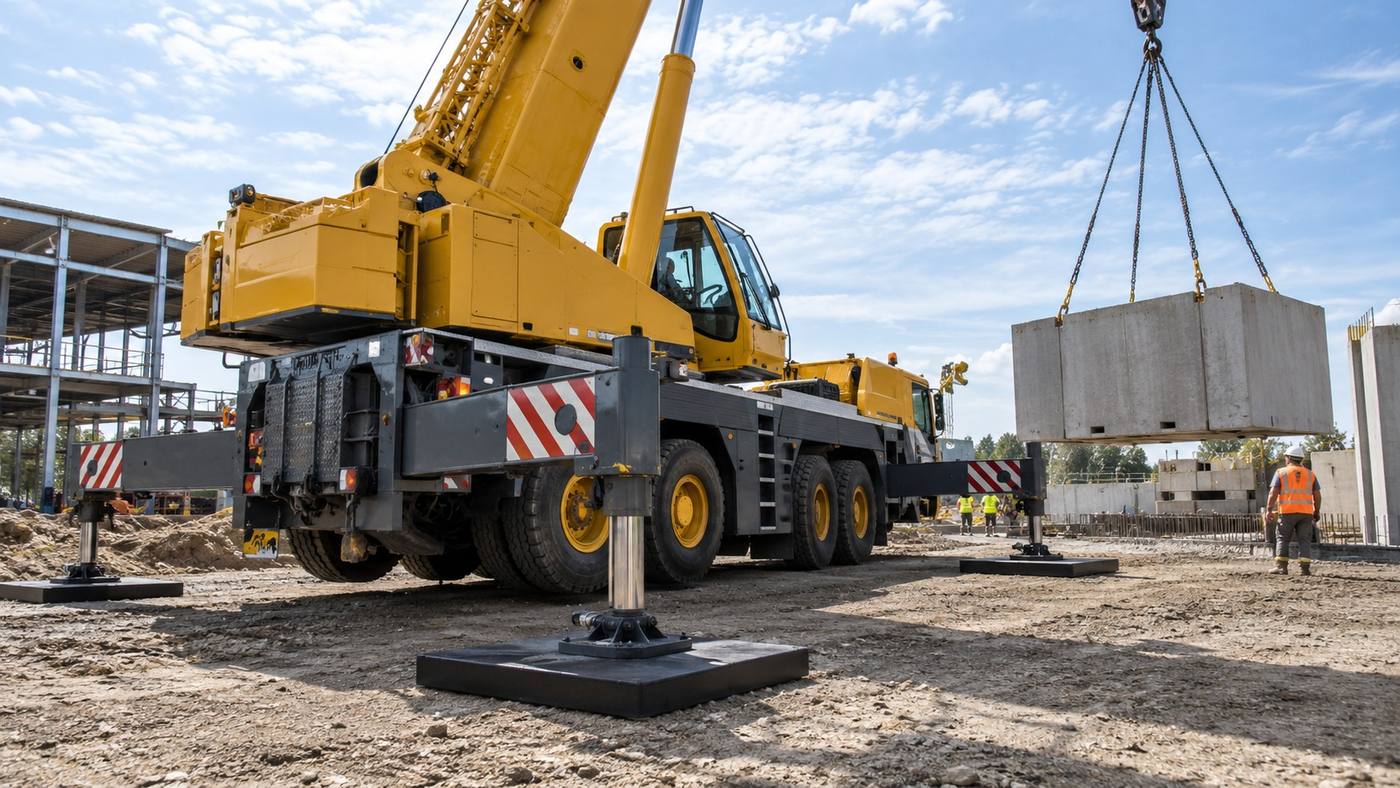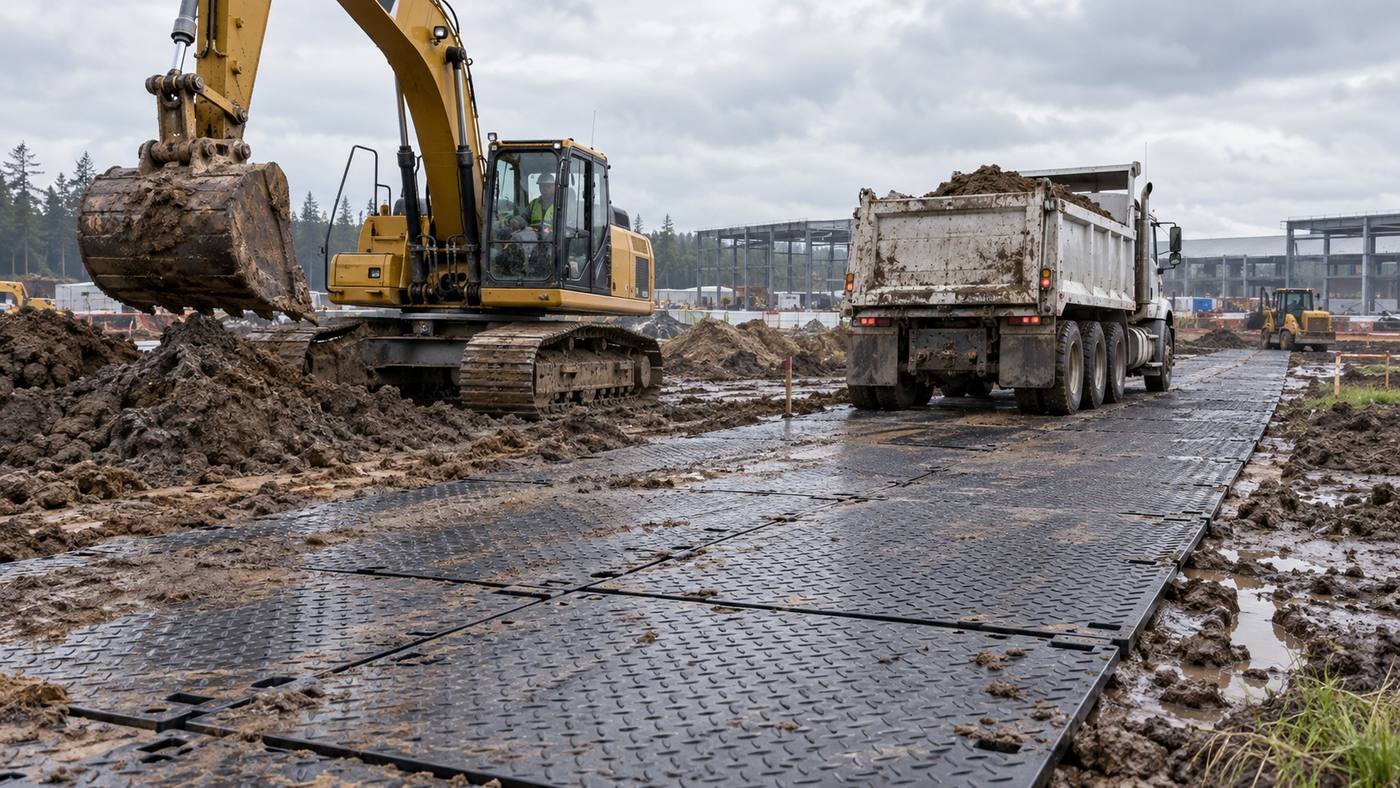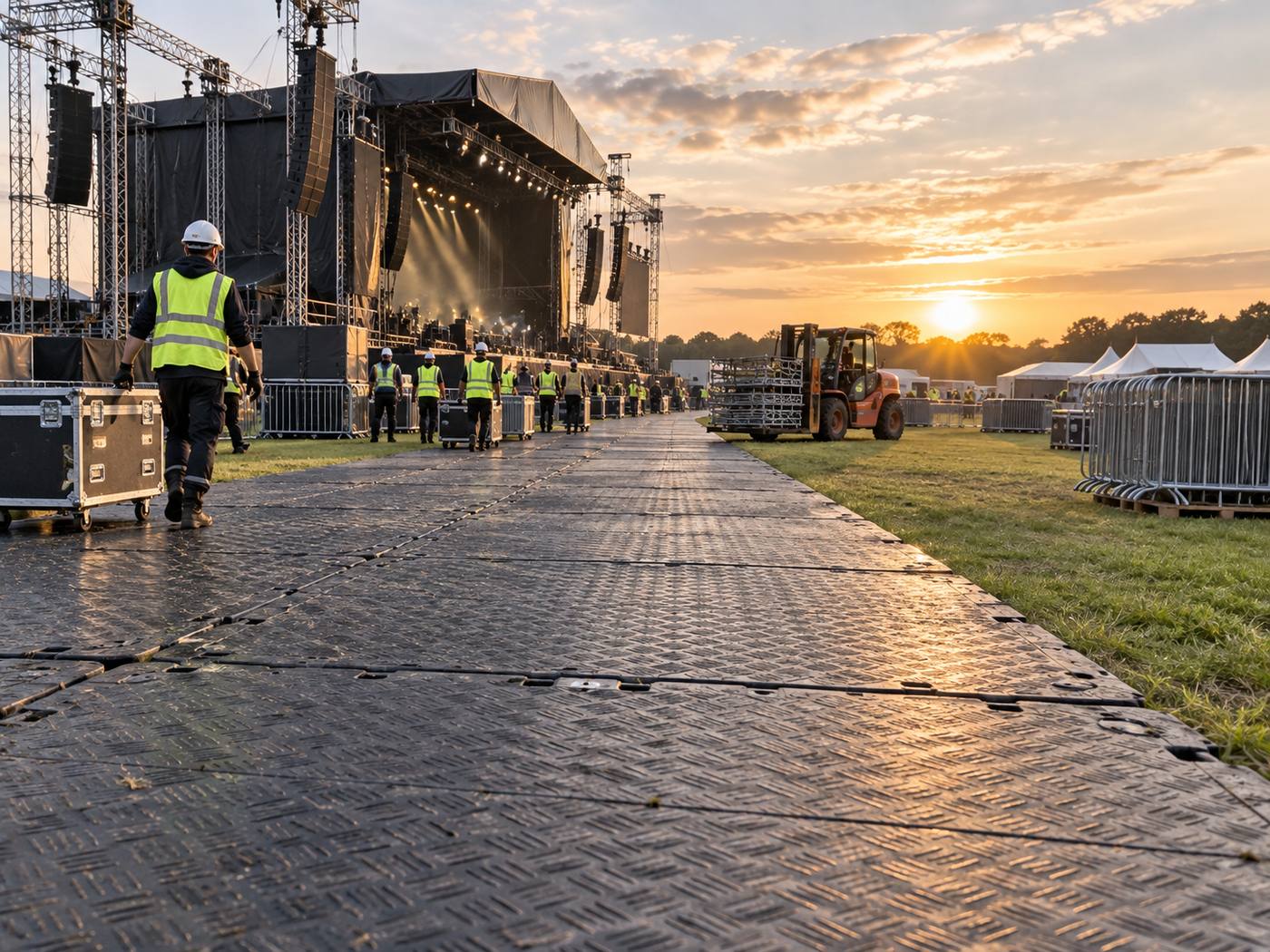
Circles and square leg mats can increase the pressure area of the leg, and shapes are not in themselves a substitute for area and thickness calculations. Square mats are more easily arranged in the rule area, placed close to the equipment's chassis and placed in full code, and usually provide a larger floor area at the same maximum size. A circular pad is not horned and is flexible when rolling or using lifting hands, and may be more appropriate in situations where space is limited or where there is a need to reduce the tip of a trip.
The selection shall draw the available space after the leg has been reached. If a leg is close to the edge of the road, the fence, the wall or other equipment, the outer shape of the mat may be restricted; if there is a gutter, a well cover or a soft and hard border on the ground, part of the plate cannot be overridden in order to lower the larger pad. The footpad shall be placed in a valid pressurized area and shall, as far as possible, remain middle.
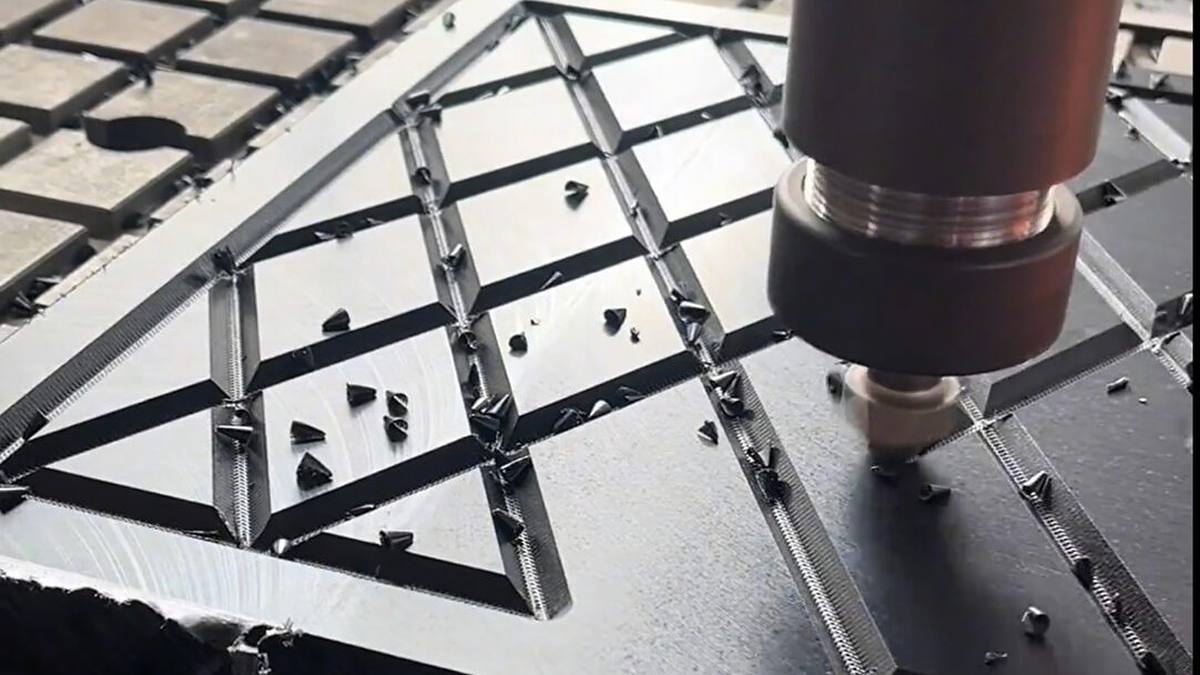
UMMWPE crane leg mats for the square.
When the area is the same, the width and weight of the circle and square cushion are different from the curved path, and the thickness proposal may change. The procurement party should allow the supplier to assess the size of the actual shape and the scaffold, rather than replacing the plate of a particular specification with a square of the same diameter. The handles, ropes and back angles should be avoided from the main stress area, while being able to operate with gloves and move mechanically.
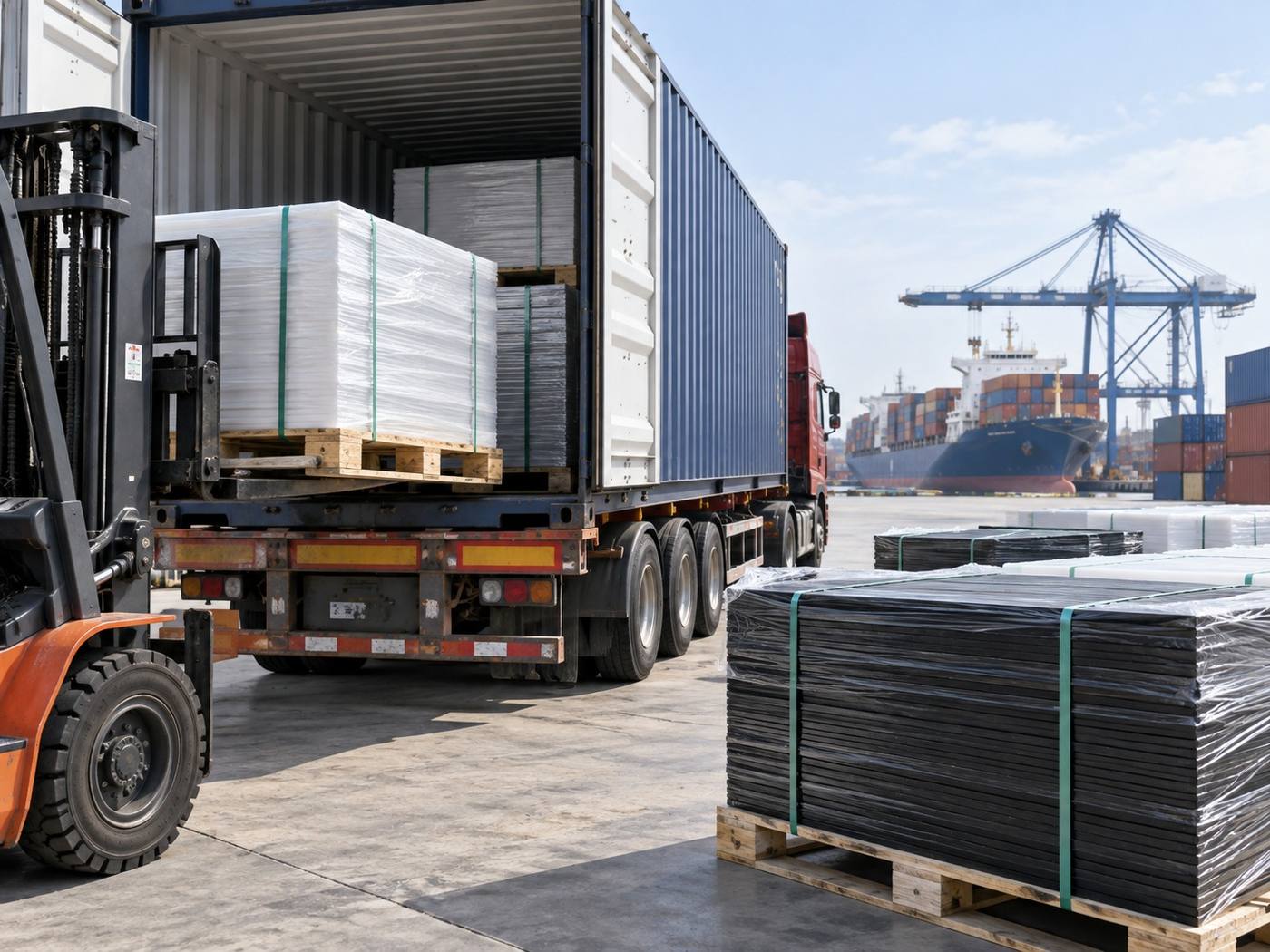
Storage and transport are also real differences. Square pads are suitable for palletization stacking and space utilization is high; there may be gaps between round pads, but can be fitted with ropes or handles to facilitate on-site rollover. Leasing companies should consider the compatibility and standardization of the inventory of different customer equipment, and project procurement could give priority to site adaptation. Packaging is designed to limit a single bundle of weights and protect the edges.
The request for quotations is accompanied by the maximum reversibility of the leg, the size of the pedal, the ground load, the cleanness of the leg perimeter, and the conditions for moving the manual or forklift. Vendors are required to list the effective area, thickness, weight, hole and number of containers for round and square options. The final decision should be based on a comprehensive comparison of stress, set-up and operational efficiency, rather than on appearance preferences.
Need for further evaluation of the actual project?
Applications, sizes, quantities, site photographs or drawings and delivery destinations are sent, on which we can identify more suitable products and processing programmes.