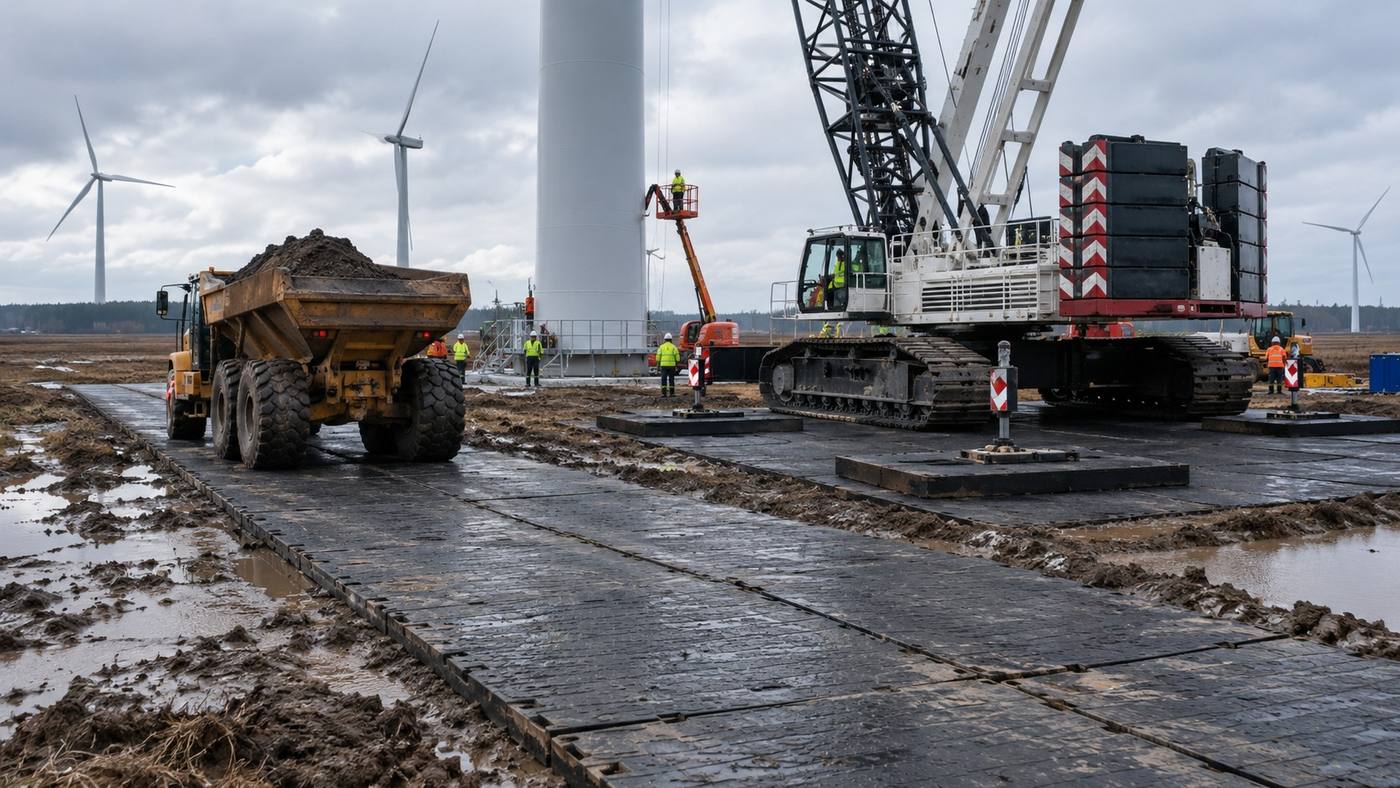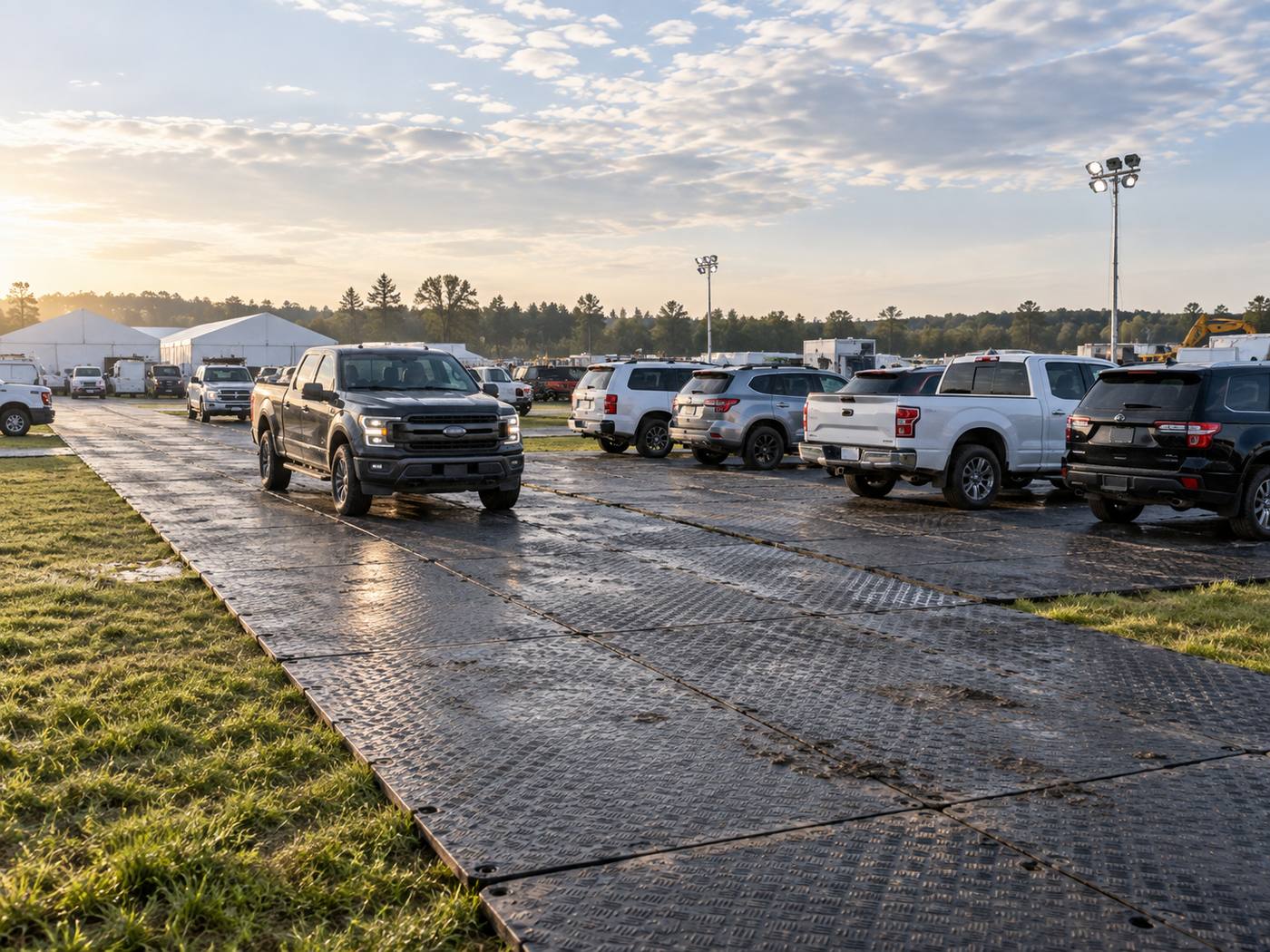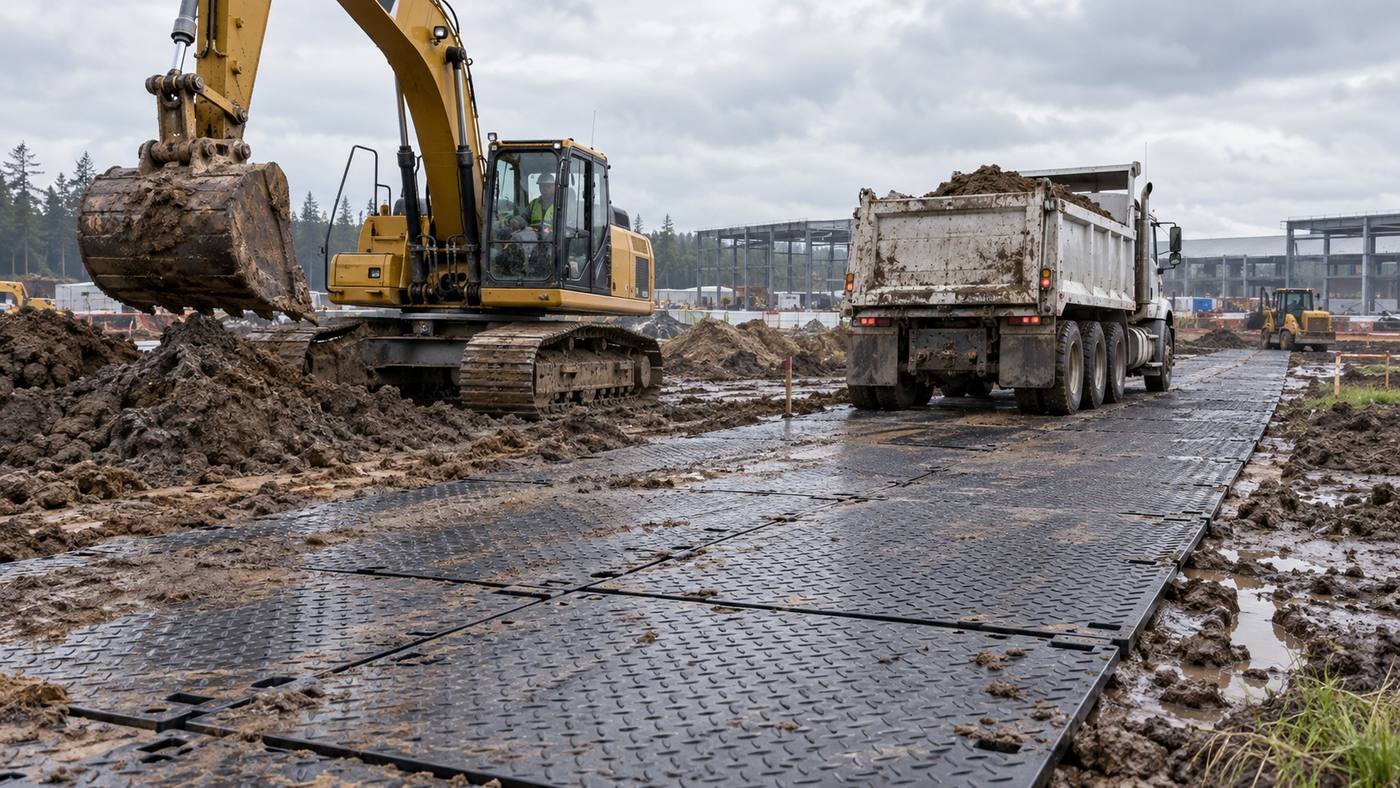
A valid live photo should answer both the location, scale and question. Only one view of the mud was taken, and the supplier could not see the length of the route, the direction of the drainage and the turn of the vehicle; it had only a vision and could not judge the depth of the tracks and the surface material. The plank project shall include, at a minimum, an entrance, a straight-line segment, a bend, a ramp, a weak point and an overall view of the vehicle, with reference to a roller, ruler or known size.
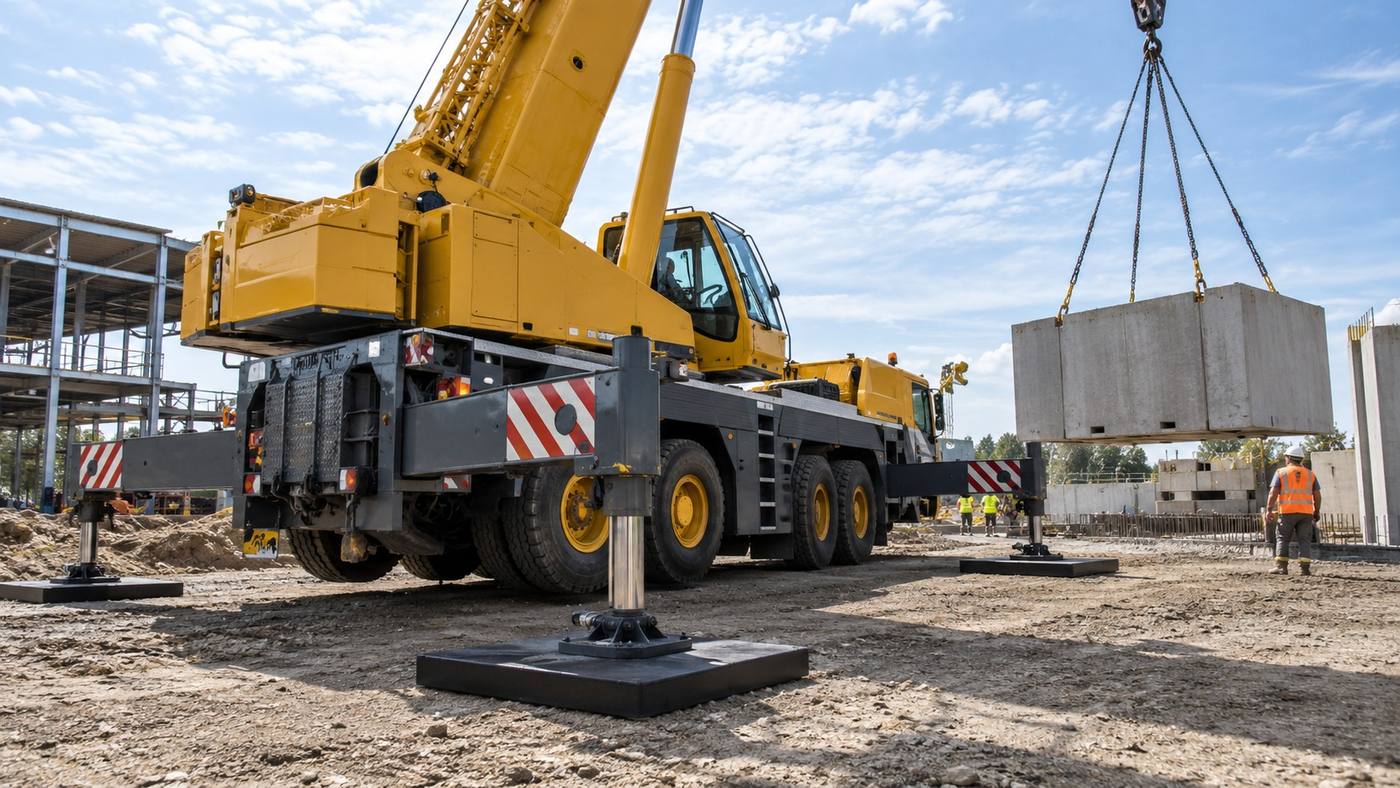
The leg cushion project is designed to take the type of equipment, a toaster, the available space after the legs have been reached and the surroundings of the ground, in particular, the gutter, the well cover, the slope, the underground facility and the soft and hard border. Photos should be taken in multiple directions, so as to avoid perceiving the disc or site to appear to be larger than actually. If there is a gradient, a measurement tool can be used to record the value, rather than to describe it as " slightly tilted " .
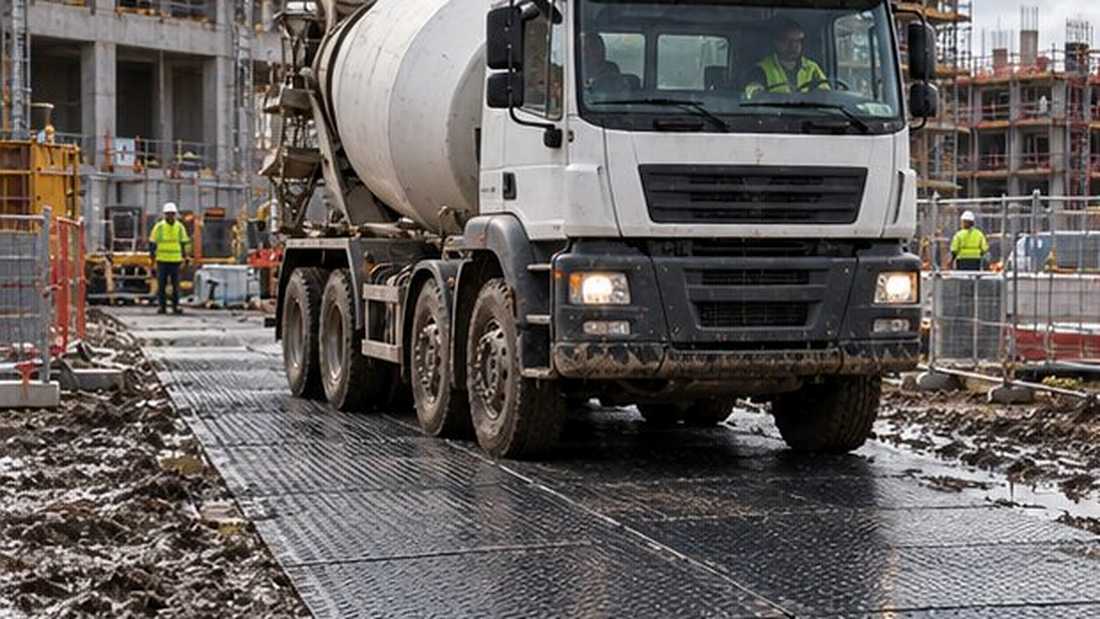
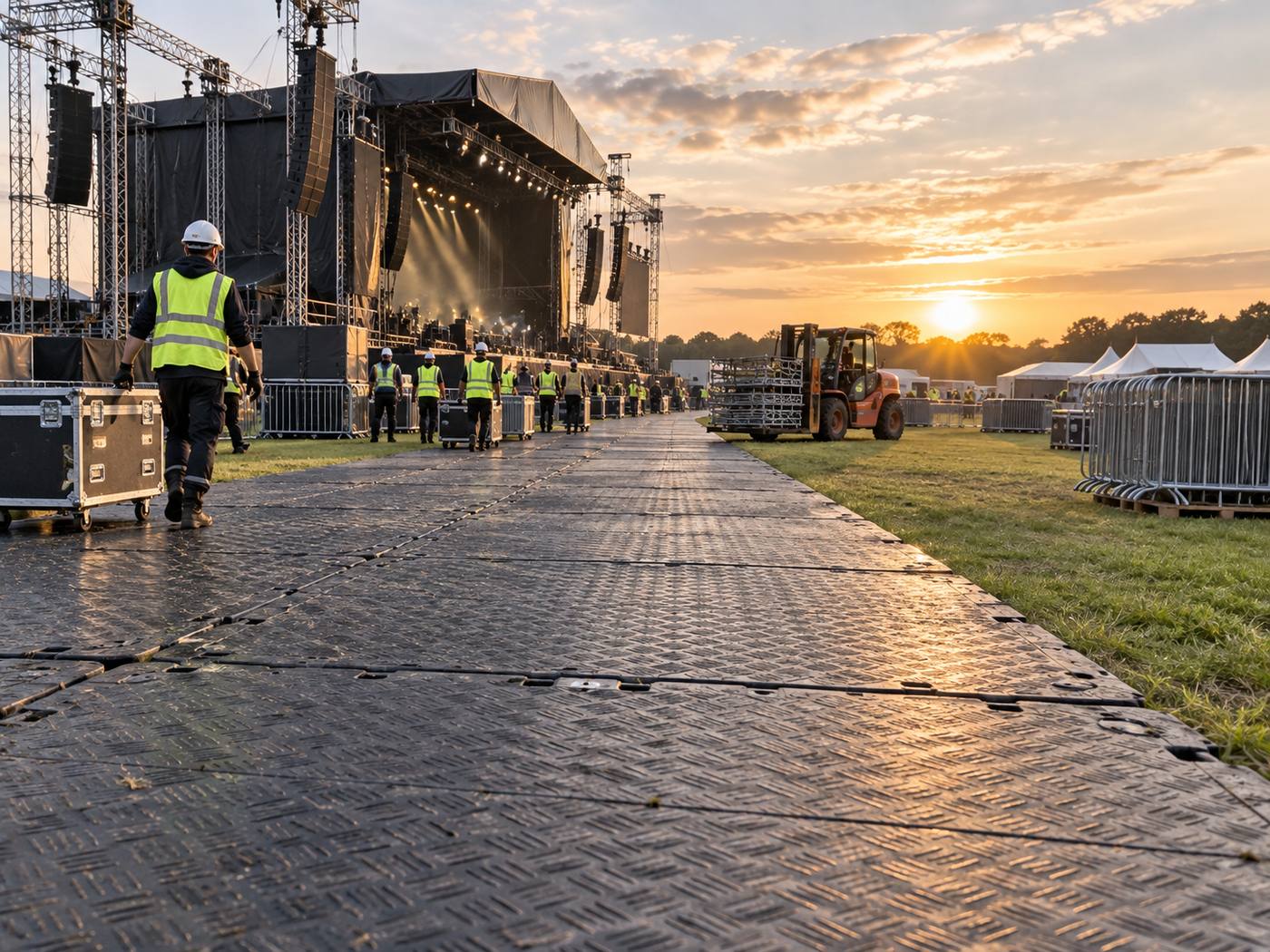
Temporary road and vehicular access at the construction site (contribution material for the plastic network)
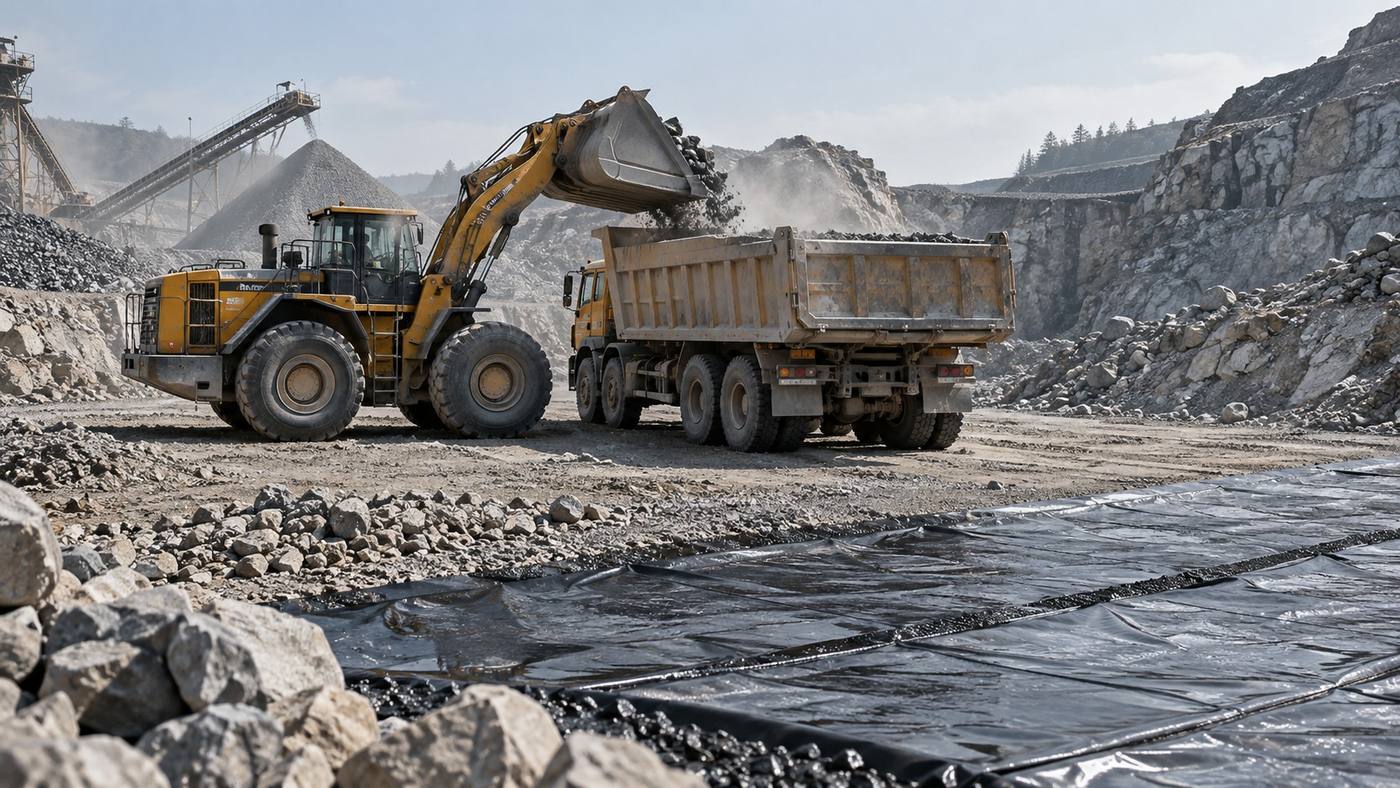
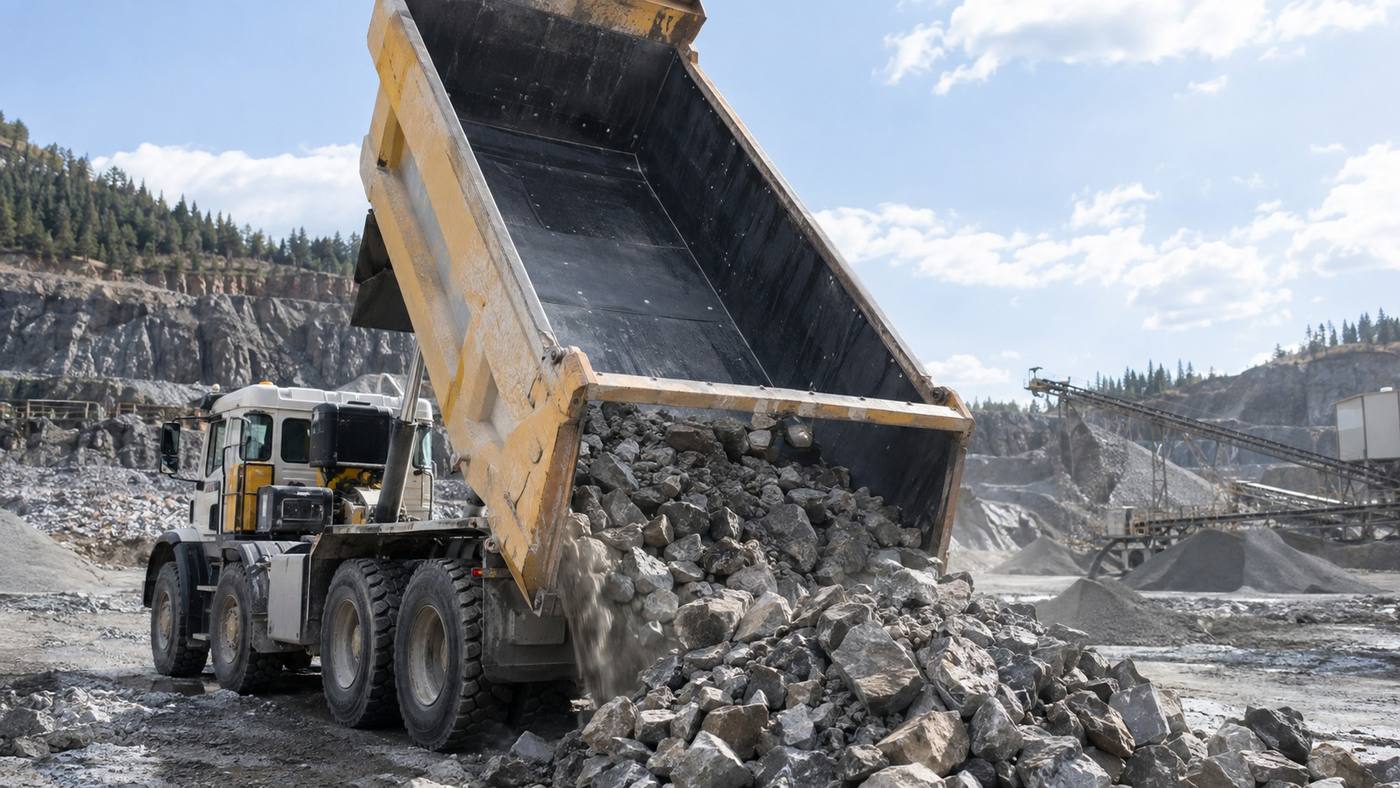
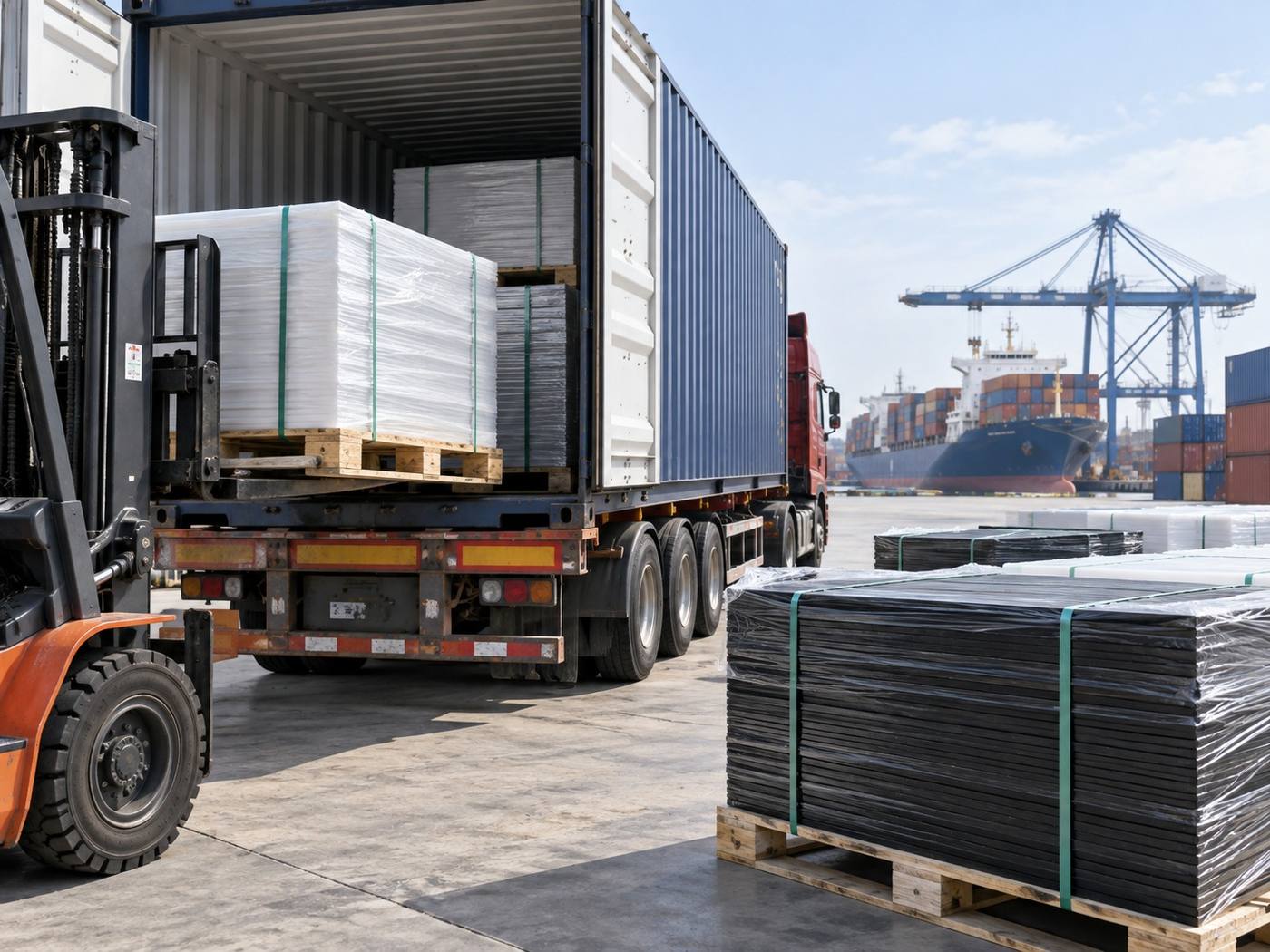
The Slipboard request requires a picture of the interior of the empty car, the floor, the side wall, the front wall, the tail door, the reinforcement and the damage. This was done by cleaning loose materials, ensuring that the cars were safe and preventing people from entering unreliable lift cars. Size photographs are to make the starting and end of the roller rule clear, with key positions matched by hand-drawing numbers, to facilitate the matching of drawings by suppliers.
Videos are appropriate for documenting dynamic issues. The pavement project allows for low-speed vehicle passage, turnover and sub-board pumping of mud; for the project to start skimping of materials, clean-up time and the location of residues; and for the leg project to film the set-up process, but not for the purpose of filming close to the dangerous area being loaded. Each video begins with a description of the location and condition, maintaining a stable picture and avoiding a rapid shaking.
The information is sent by naming the document by item and date, accompanied by a page description listing the photo number, size, vehicle load and the weather at the time of the photograph. Care is taken to delete irrelevant privacy and sensitive information. Structured images reduce speculation by suppliers, but are not a substitute for ground surveying, equipment reversibility and official drawings; key data should continue to be based on reliable documents.
Need for further evaluation of the actual project?
Applications, sizes, quantities, site photographs or drawings and delivery destinations are sent, on which we can identify more suitable products and processing programmes.