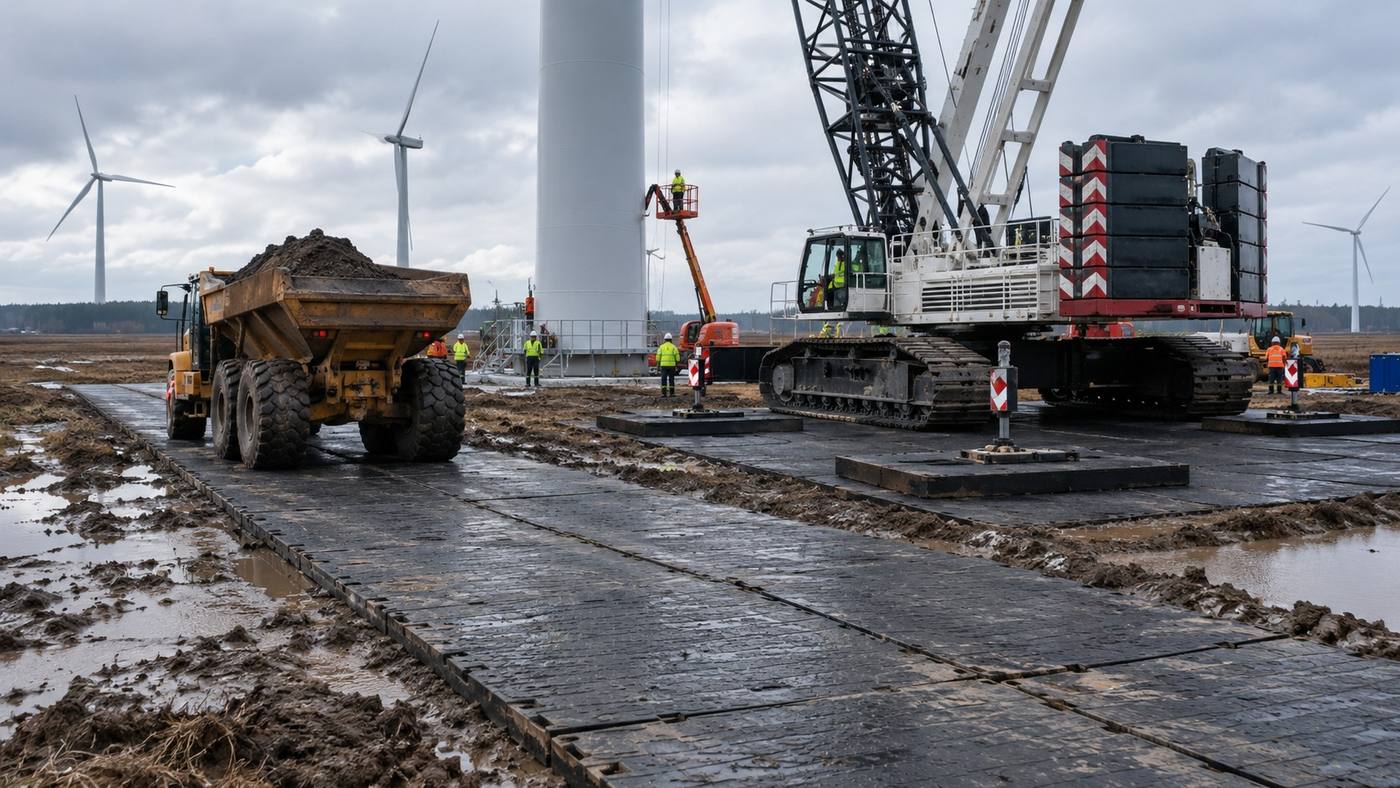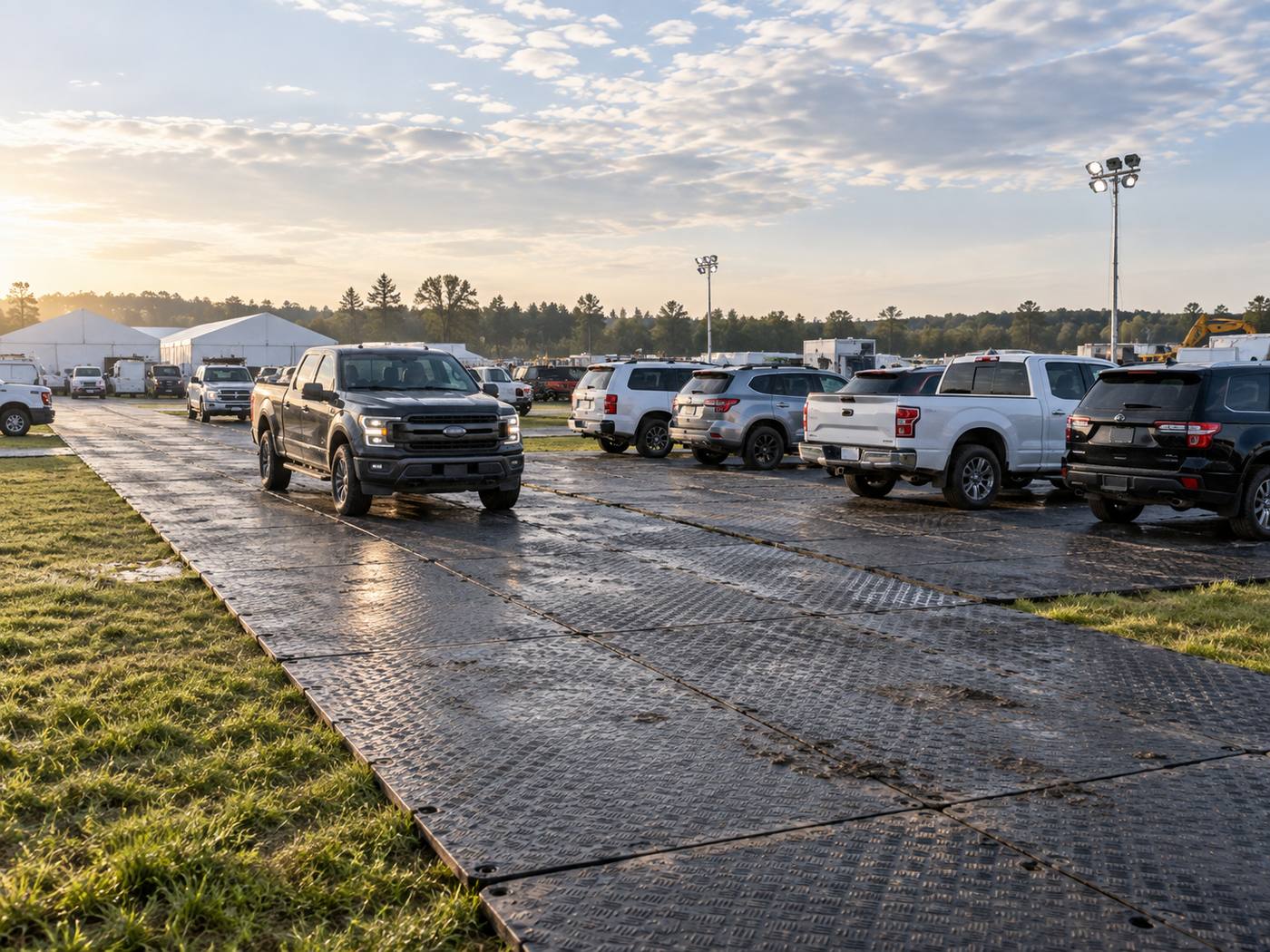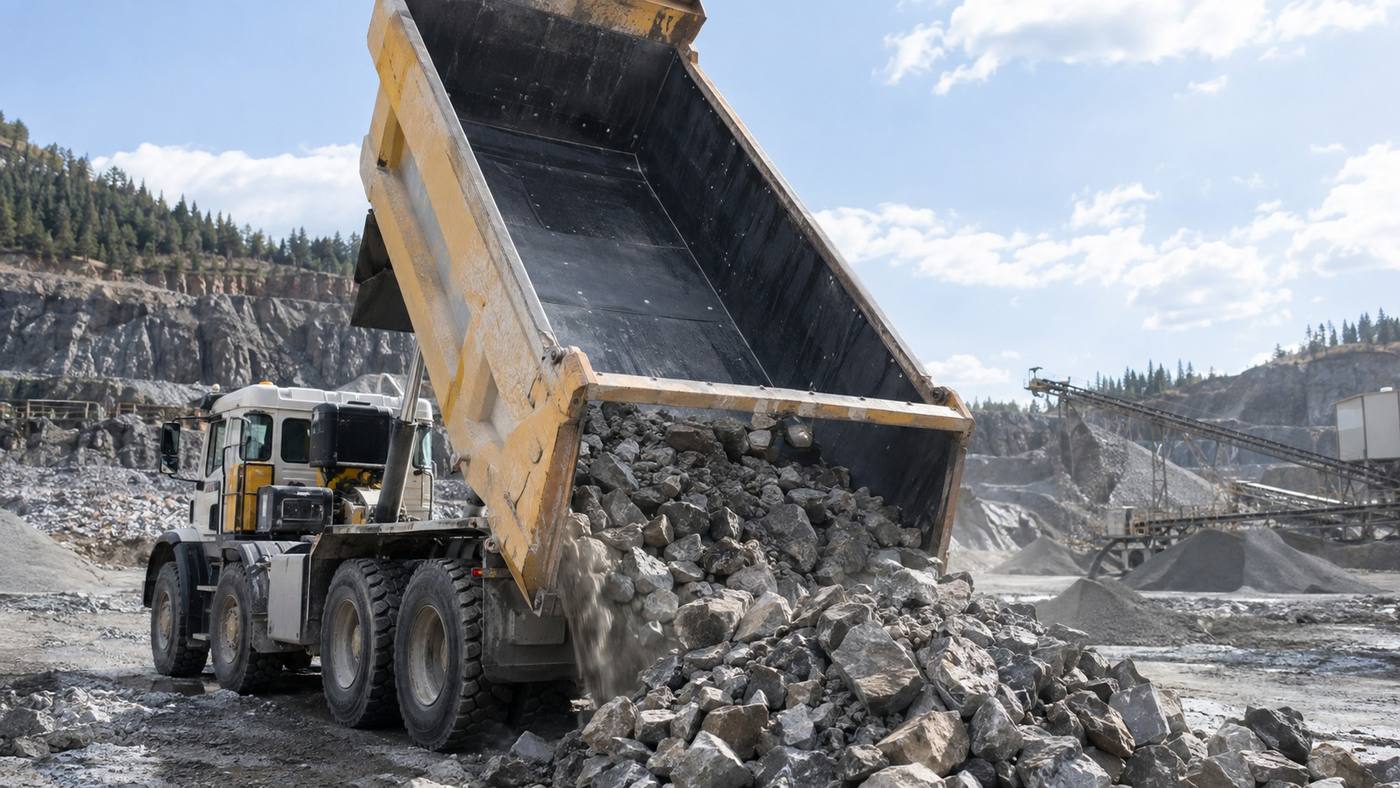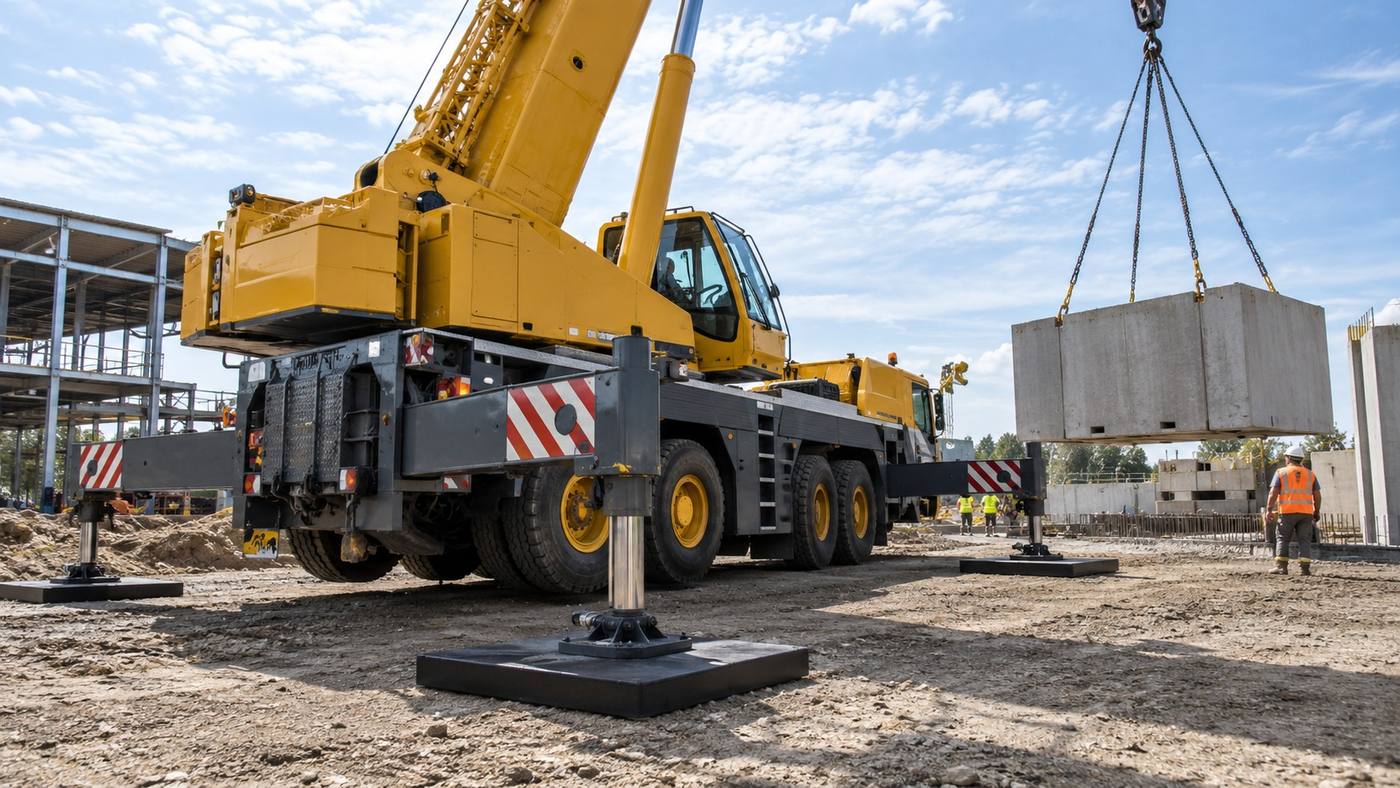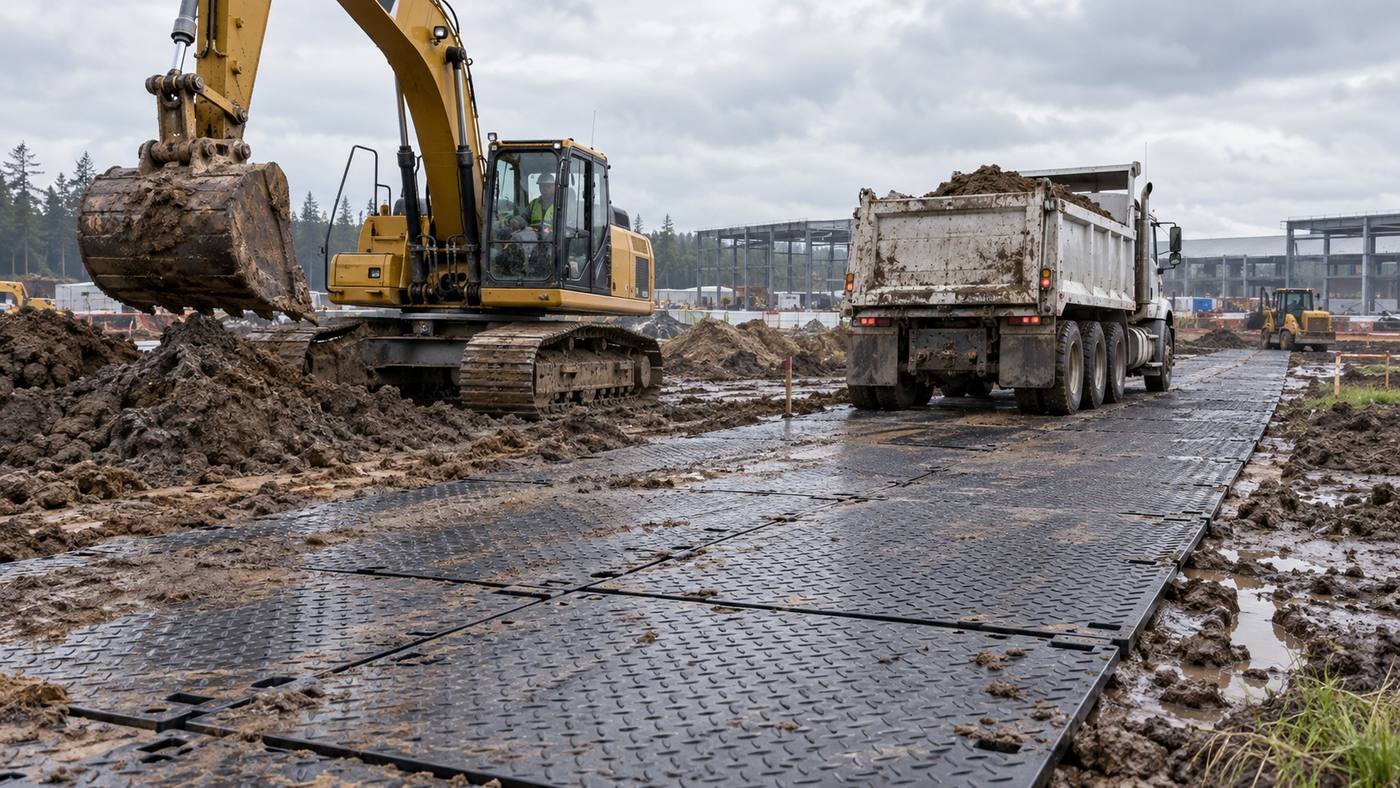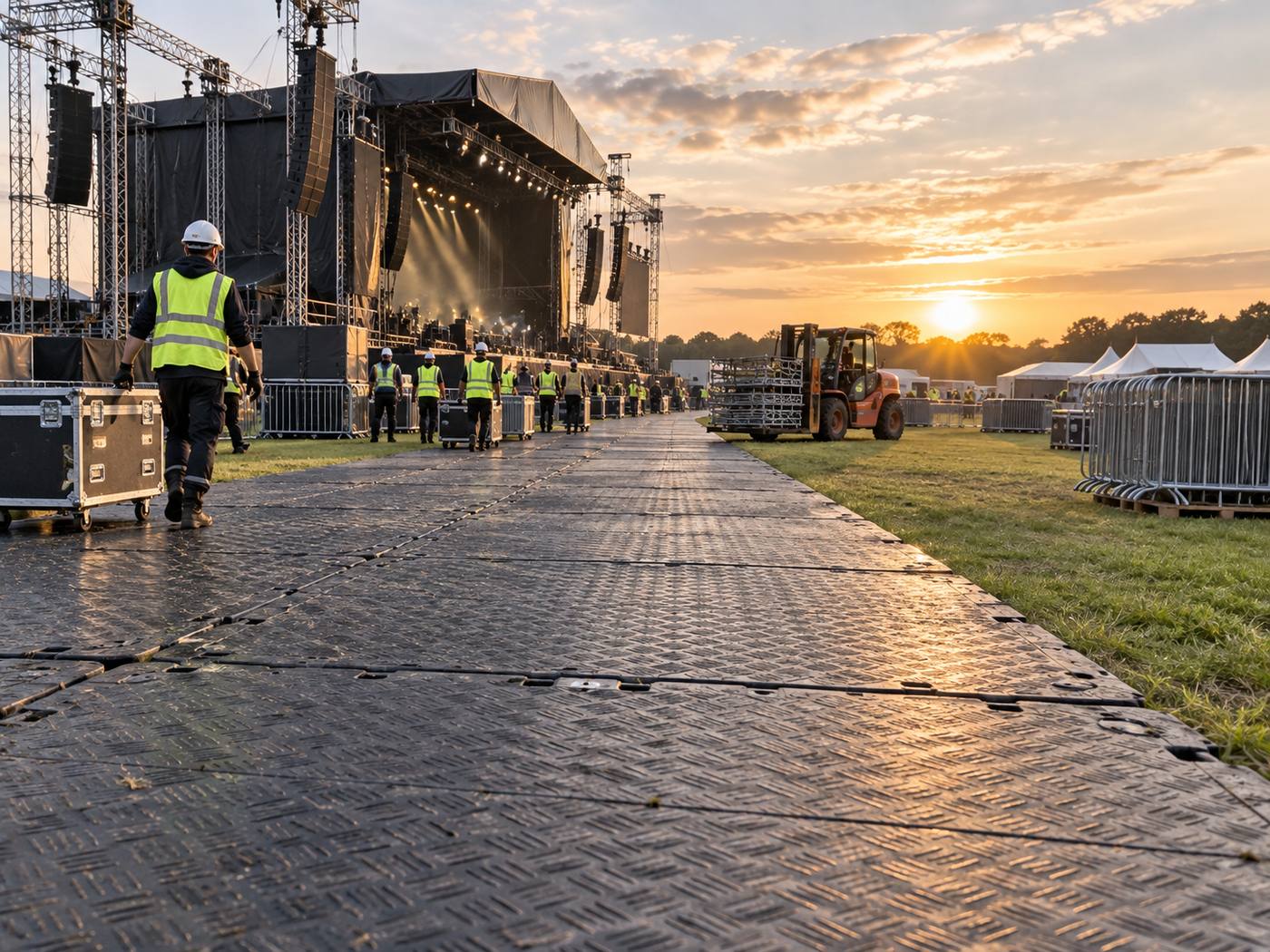
The primary task on the slopes and on the flat ground is to establish a confirmed level of continuous support, rather than relying on the plastic leg mats themselves to compensate for the high levels. The leg cushions are suitable for dispersing loads and are not suitable for wedges that are randomly high. If only a few high points are reached at the bottom of the plate, the leg load will be concentrated, the pads may bend or slide, and the equipment may lose its level due to leg deposition differences.
Pre-procurement should measure vertical slopes, high differentials, surface materials and the range of support available, indicating slopes, walls, trenches, backfilling areas and underground facilities. The equipment manufacturer usually has clear requirements for maximum permissible slopes, modulation range and foot extension, which must be consulted first. Where there is a need for a special cushioning, engineering pillow or design basis, it should be determined by the operational programme and the supplier should not be allowed to commit itself to a cushioning board on the sole basis of the photograph.
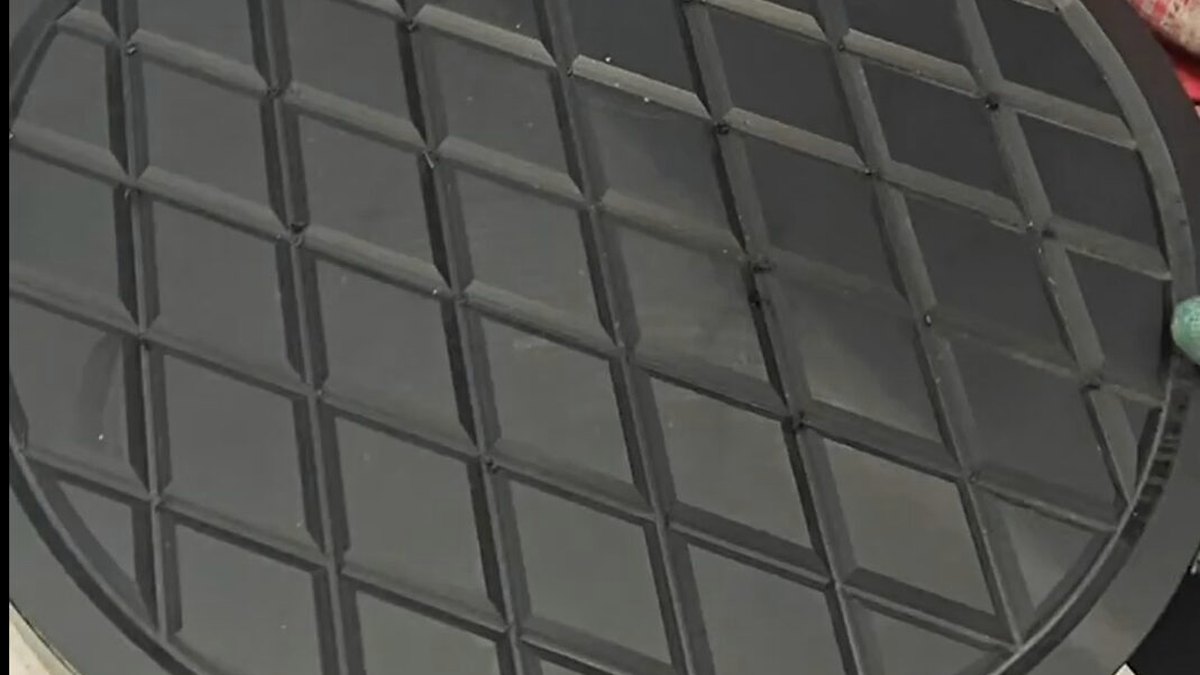
Tests for leg mats and surface leveling (materials for the plastics network)
The plate size shall ensure that the disc is within a valid area and that the thickness meets the conditions of actual reaction and support. The surface and bottom should be flat, free of oil, ice and pine rock. The slope would also be subject to an assessment of the risk of sliding along the slope, with the necessary limit or ground handling to be approved by the project personnel. It is prohibited to use multiple piles of different materials for temporary flatting, as slides may be formed between layers.
During the field test, the legs may be reached on empty loads to check the fit, the footpad position and the level of equipment for each pad, which may then be progressively loaded in accordance with the equipment procedure. Operators should observe how the sides are lifted, the ground slamming, the mat slides and the legs travel. The operation should be suspended and reassessed if the ground is affected by rain, vibration or proximity.
The request for quotations shall include the type of equipment, maximum retroactivity of the legs, the size of the disc, the slope measurement, the ground photographs and the plan. The supplier may provide size, thickness, handle and material advice, but the ramp must be placed under the joint control of equipment specifications, approved operating programmes and capable personnel on site. The procurement party should consider the mats as part of the support system.
Need for further evaluation of the actual project?
Applications, sizes, quantities, site photographs or drawings and delivery destinations are sent, on which we can identify more suitable products and processing programmes.