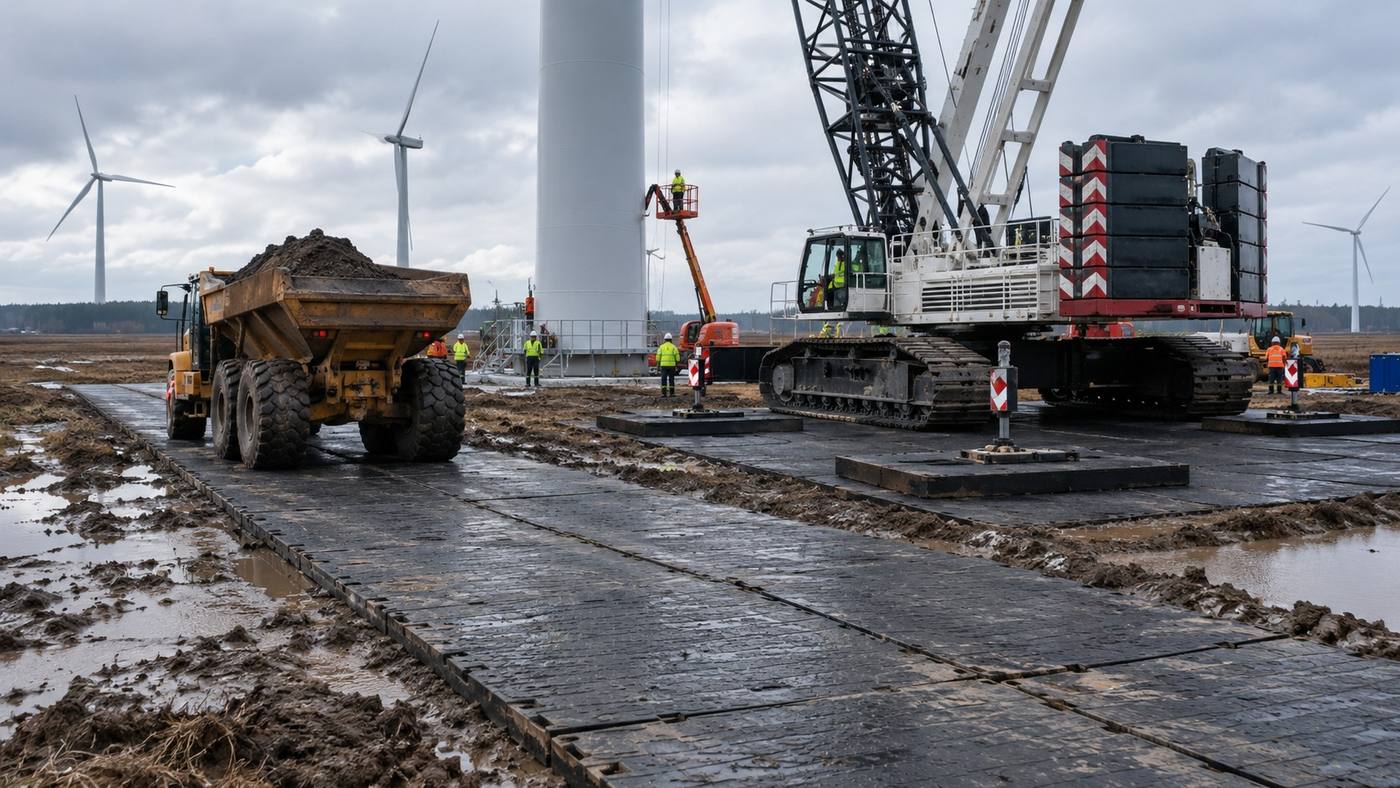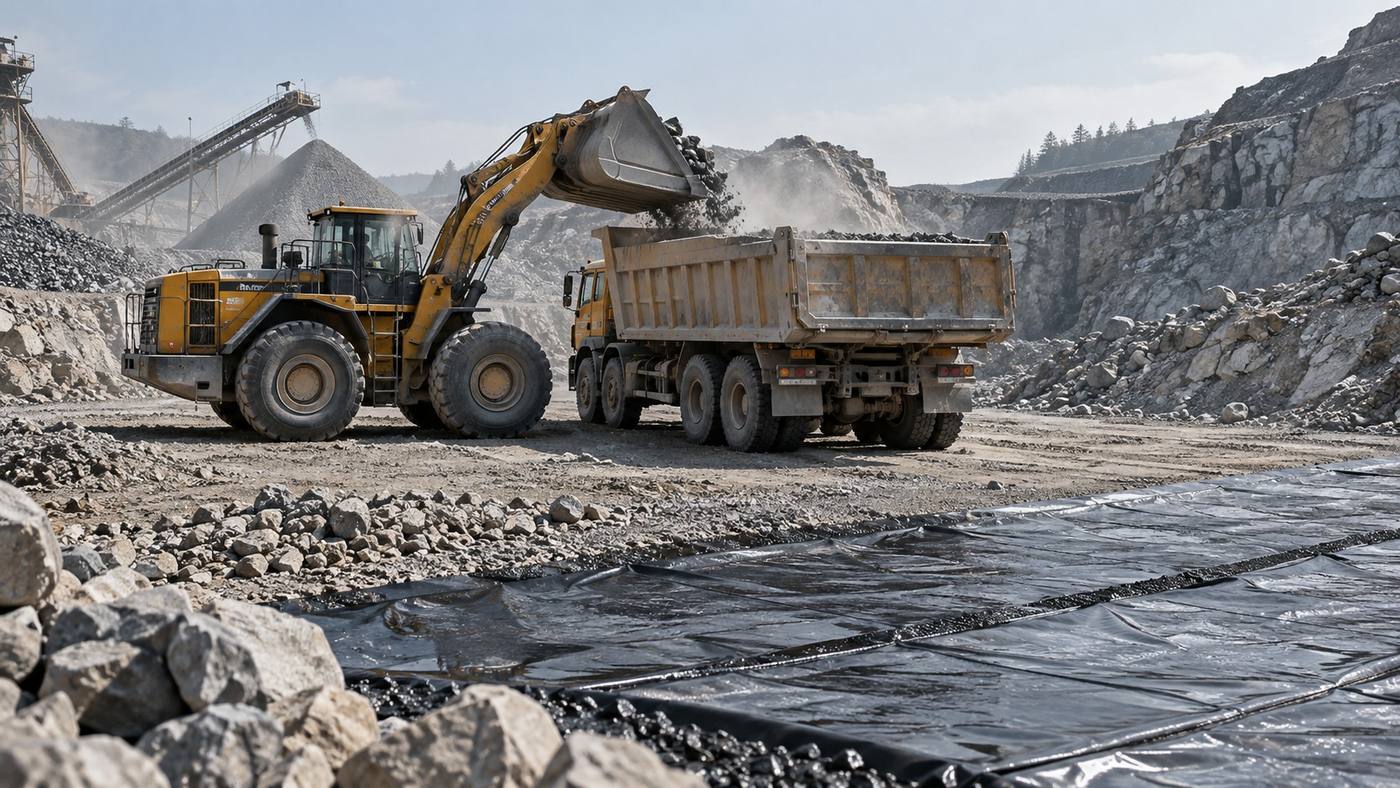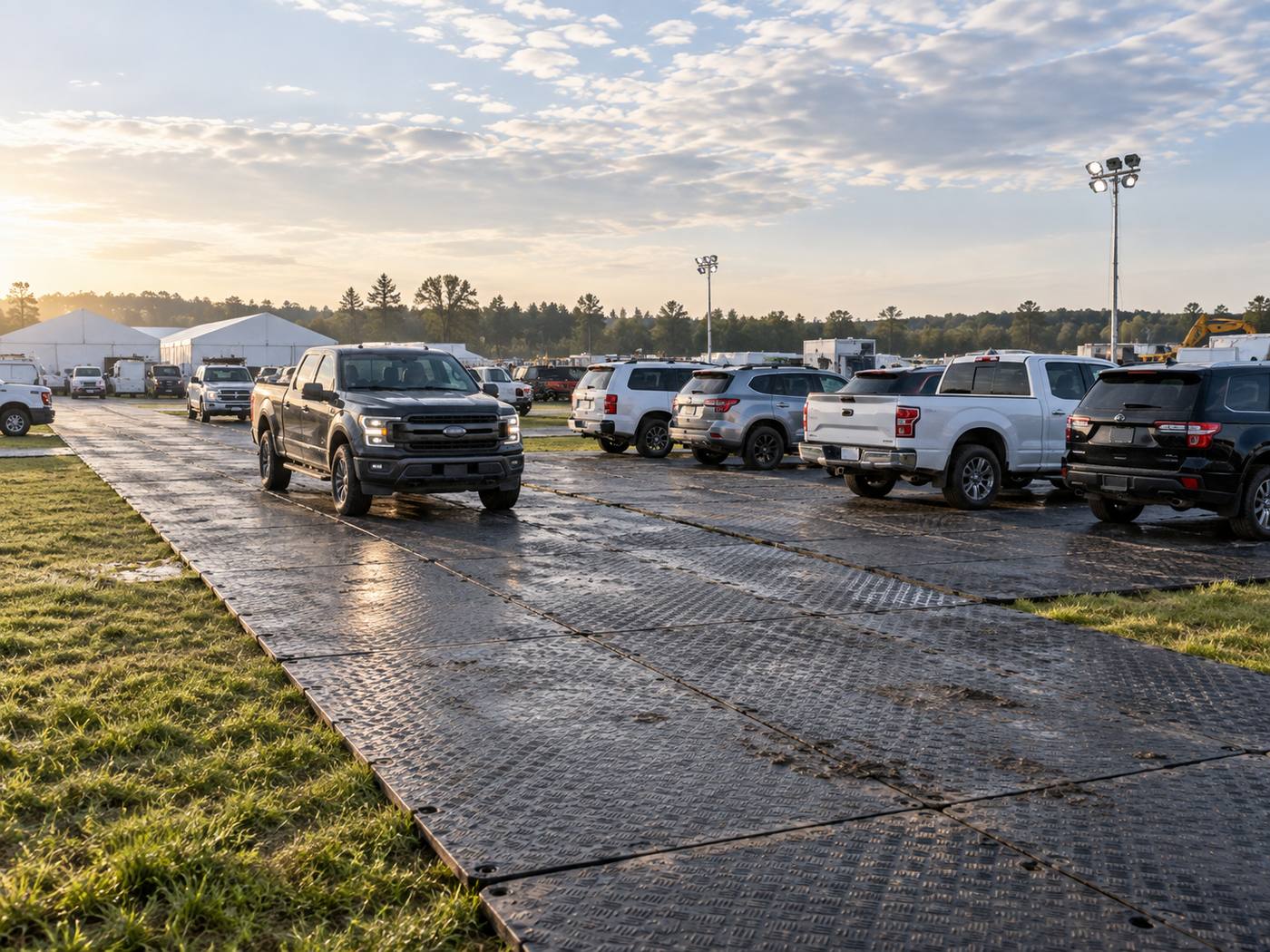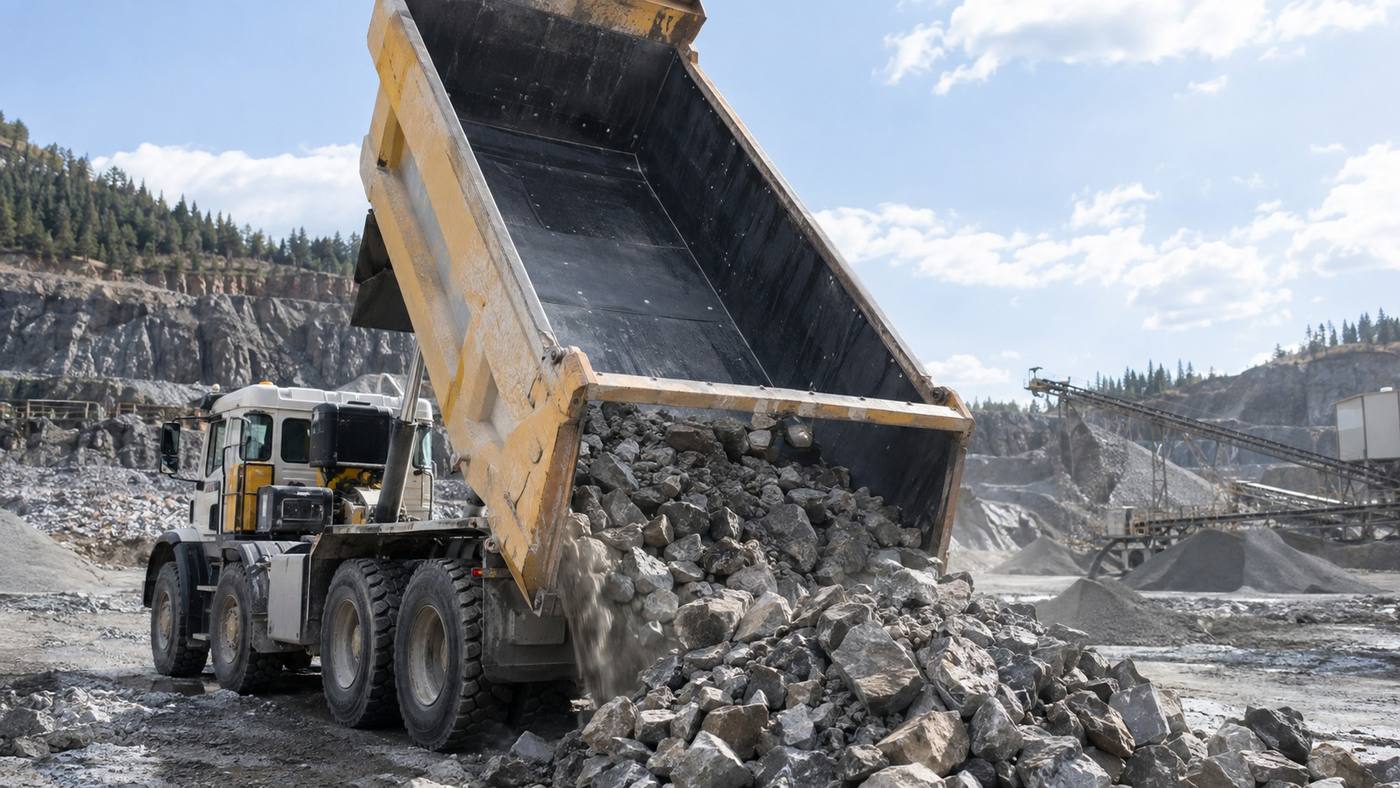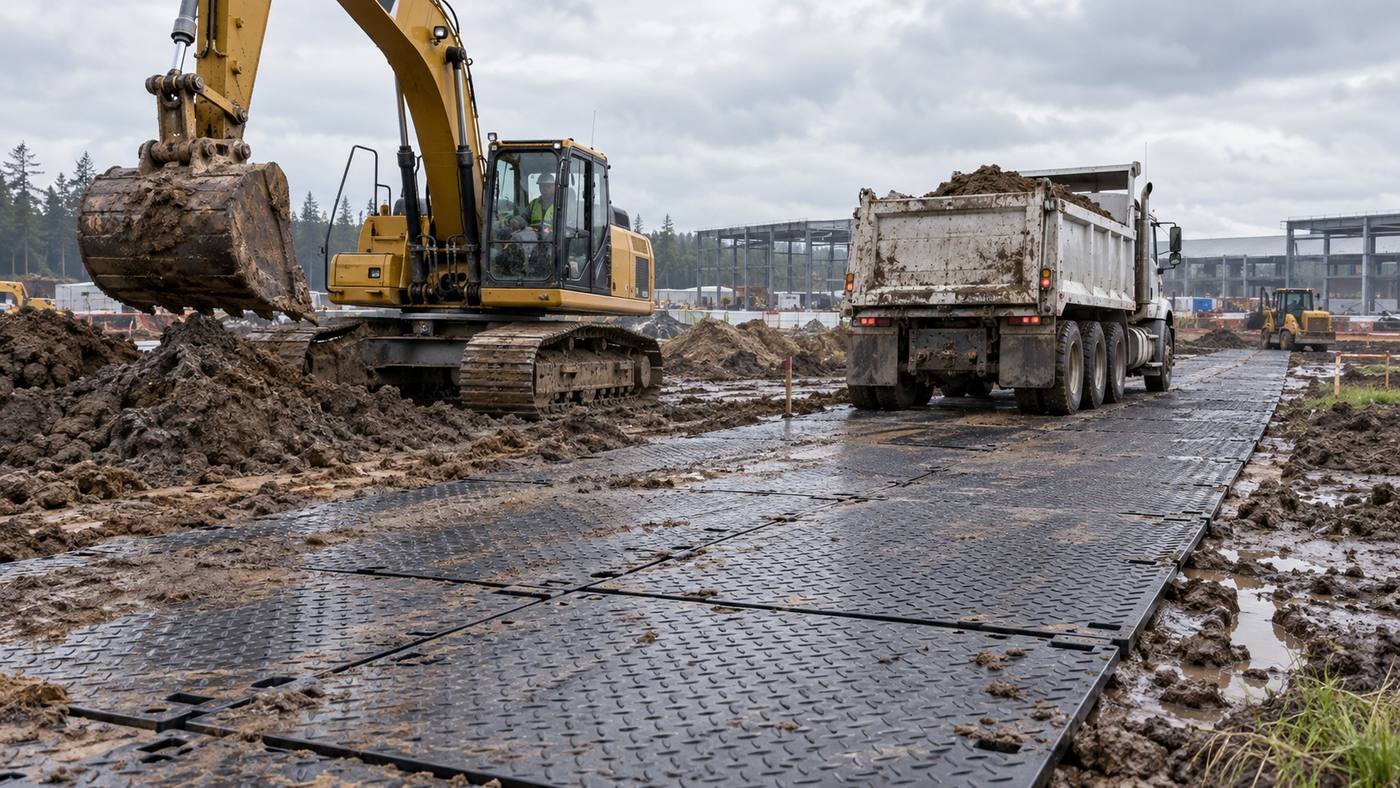
The requirements of ramps and frequent brake areas for paving boards are not limited to increasing vertical loads. Tires are pushed backwards when vehicles rise up the slope and cut in the opposite direction when brakes are made; once rain and mud are reduced to friction, it is easier for the plates to move along the slope or to bend up at the seam. The selection should therefore be accompanied by an assessment of the slope, vehicle tow, axle, beadline, course direction and surface drainage and should not follow a simple configuration of the flat line segment.
The procuring party shall provide the maximum slope and ramp, the long slope, the turn of the foot of the slope, the brake point, the start-up position of the vehicle and whether a two-way movement is permitted. If the ramp is close to the base pit, ditch or shoulder, the security border is also marked. The surface of the pavement must have a smooth-lined road suitable for tyres, and the connectors and connectors should be able to withstand repeated pull; however, the connectors are not a substitute for ground-level stability and the necessary slid anchor design.
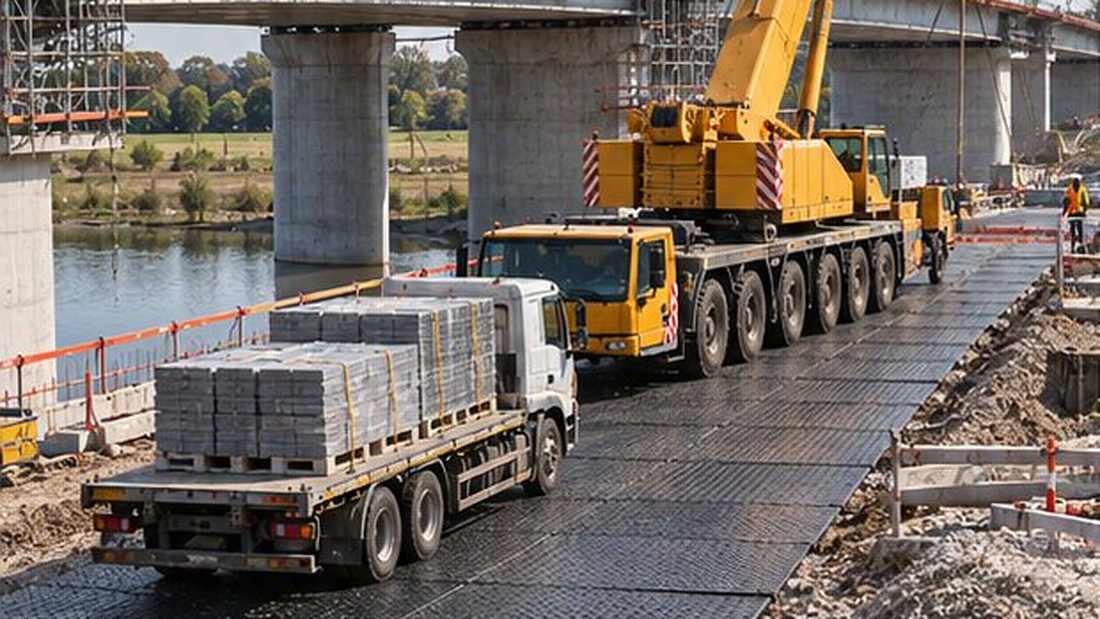
The ramp and heavy vehicle pavement in the bridge construction corridor (materials for the Genesis Network)
The increase in thickness increases the degree of stylity, but does not necessarily address the overall slide. If there is loose debris, sludge or continuous water flow on the slope, the whole plate may fall together. Prior to laying, the project programme should be flatted, pressured and drainage established, with confirmed limit measures at the stabilization end, if necessary. Vehicles should travel at a slow and straight pace, with fewer ramps, brakes and in situ shifts, and sufficient distance between heavy vehicles.
The test bed cannot be passed by empty cars alone. It should first be fitted and connected by a light panel, then graded to a typical payload, to observe the shift of the plate position at start-up, pacing and slow brake. A more conservative programme should be adopted by project technicians for sites where full-load testing cannot be safely completed. The check should be repeated immediately after the rainfall, after the centralized transport and when there is a high gap in the seams.
In addition to conventional vehicles and ground parameters, vendors should be asked for prices with ramp profiles, the direction of the vehicle, the expected brake position and live video. The programme is required to describe the direction of the texture, the number of connections, the handling and maintenance limits of the plate end. Reasonable comparisons of ramp products should be based on system stability and operational boundaries and should not be based solely on thicker or heavier security.
Need for further evaluation of the actual project?
Applications, sizes, quantities, site photographs or drawings and delivery destinations are sent, on which we can identify more suitable products and processing programmes.