Large-scale project procurement should be carried back to the date when the equipment enters the field, rather than using the production delivery period as the full cycle. Complete processes include on-site and vehicle data collection, vendor programmes, technical clarifications, sample or trial preparation, drawing freeze, contracts and payments, preparation of raw materials, production tests, packaging, booking, shipping, customs clearance, inland transport and on-site inspection and acceptance. Any pre-confirmation delay would compress the subsequent ship period.
The technical phase begins with the determination of road routes, maximum axle loads, ground conditions, retrogression of legs, as well as torso and projected quantities. Project design may continue to change, and clear design freeze points should be established. Prior to the freeze, suppliers are allowed to propose optimization, and after the freeze changes are made to assess waste, costs and deadlines. For key products, samples and trial preparation should be completed prior to bulk production, with lead time set aside.
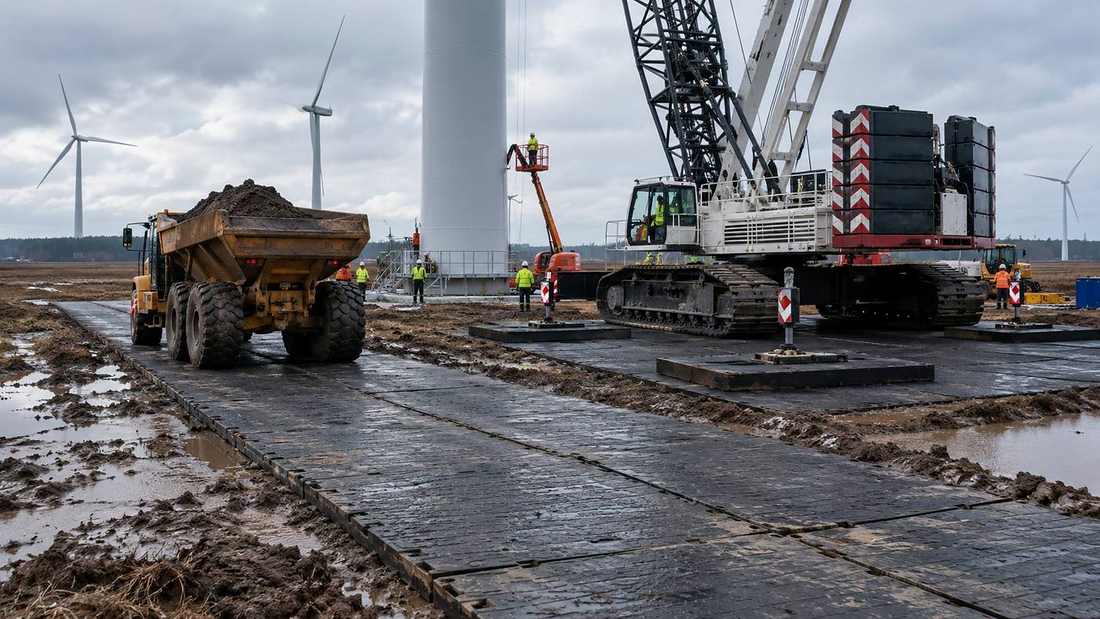
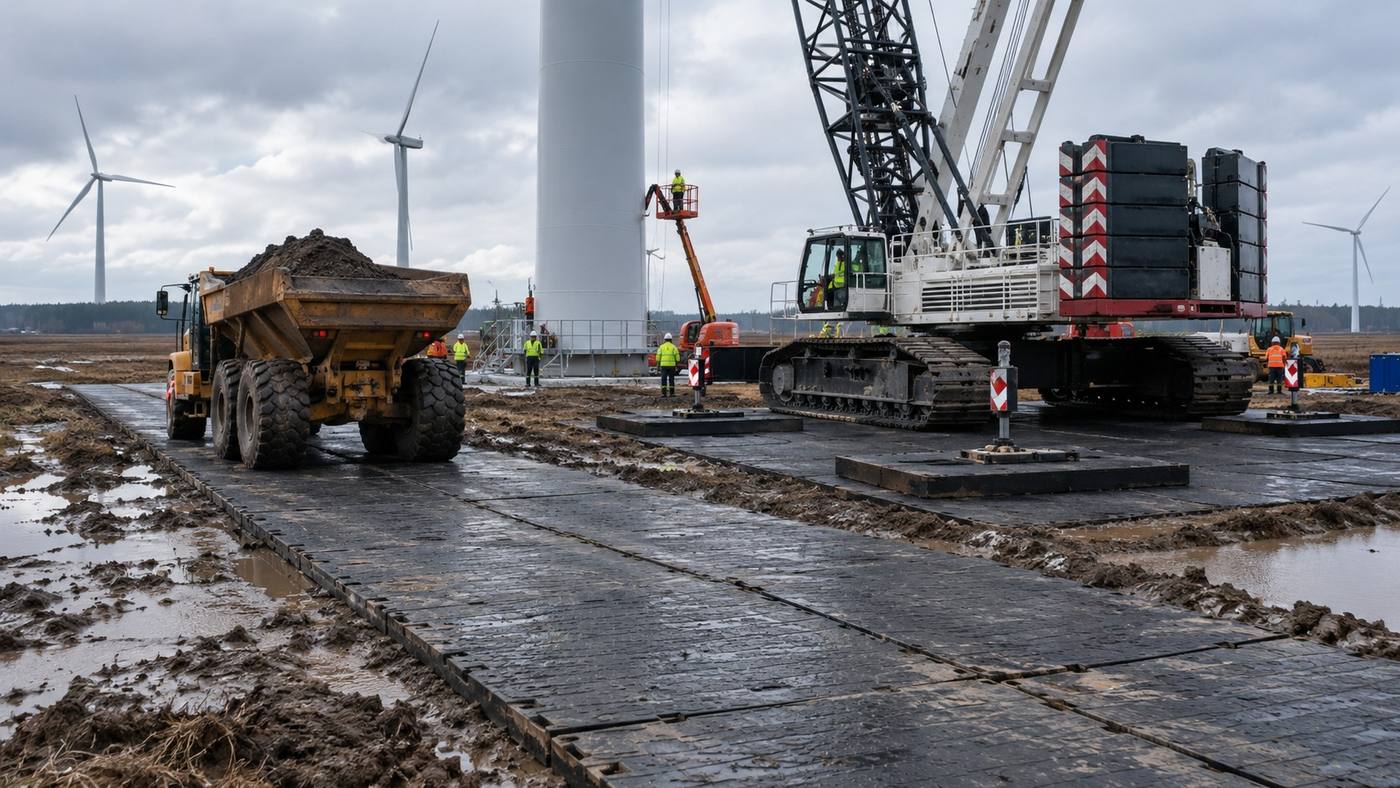
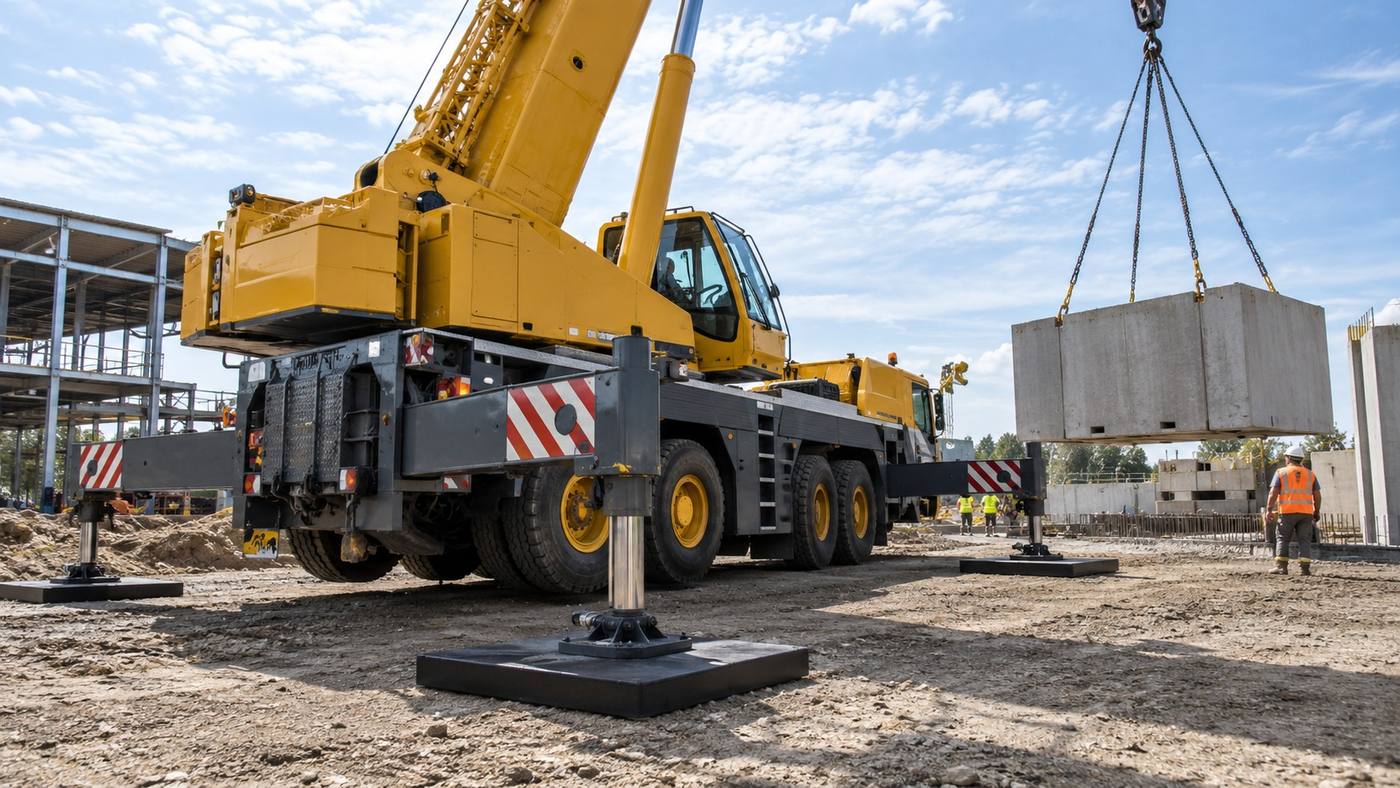
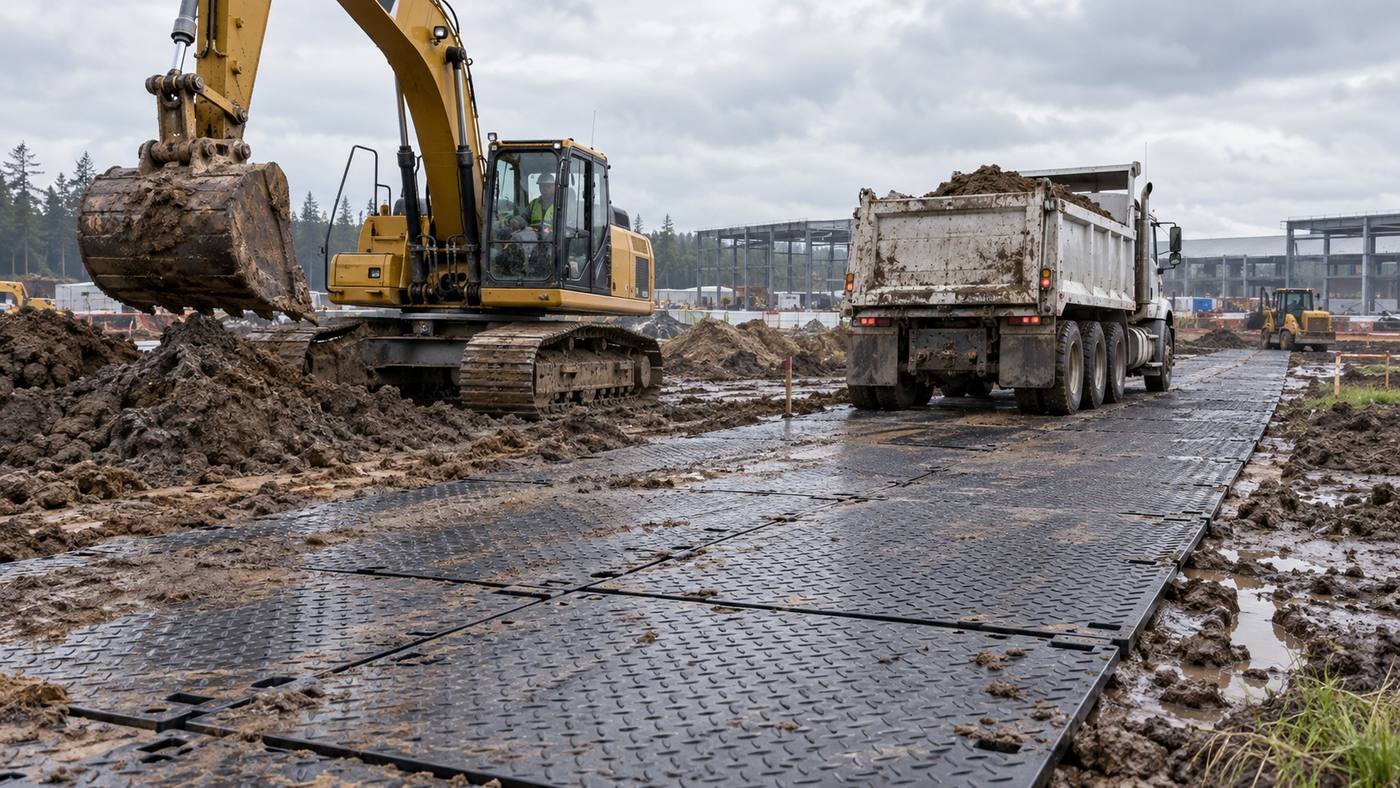
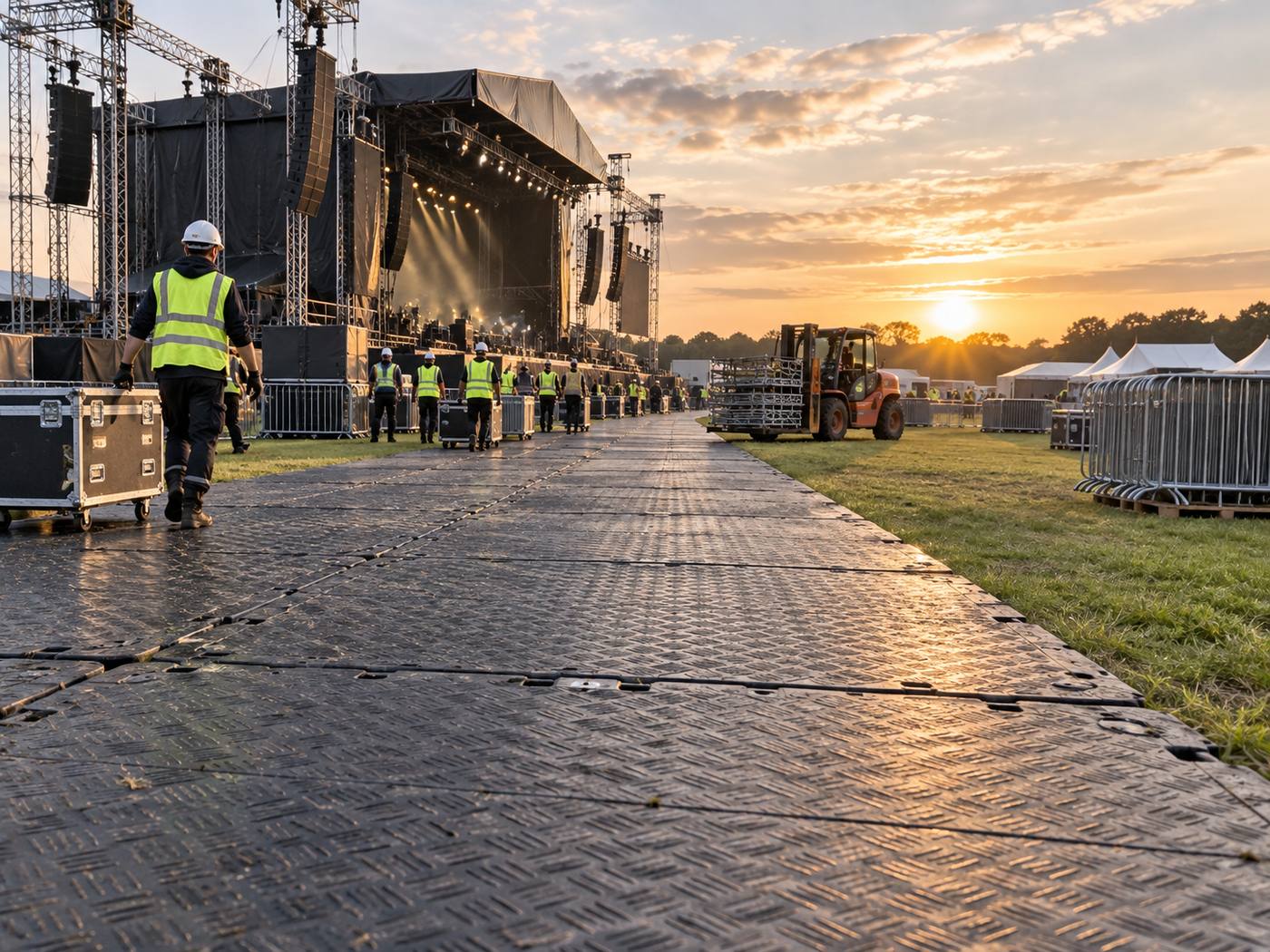
Roadboards and cranes in large infrastructure projects (inventory material for the plastic network)
The production phase requires milestones and does not have to be asked daily. The material may be made available to the plant, the first confirmation, the completion of a certain percentage, the final inspection and the five nodes of the container, and the presentation of photographs or records at each node. The bookings should combine good dates, flight schedules and project buffers to avoid repeated re-shipments before completion of the goods, as well as permanent occupation of the factory warehouse by the finished products.
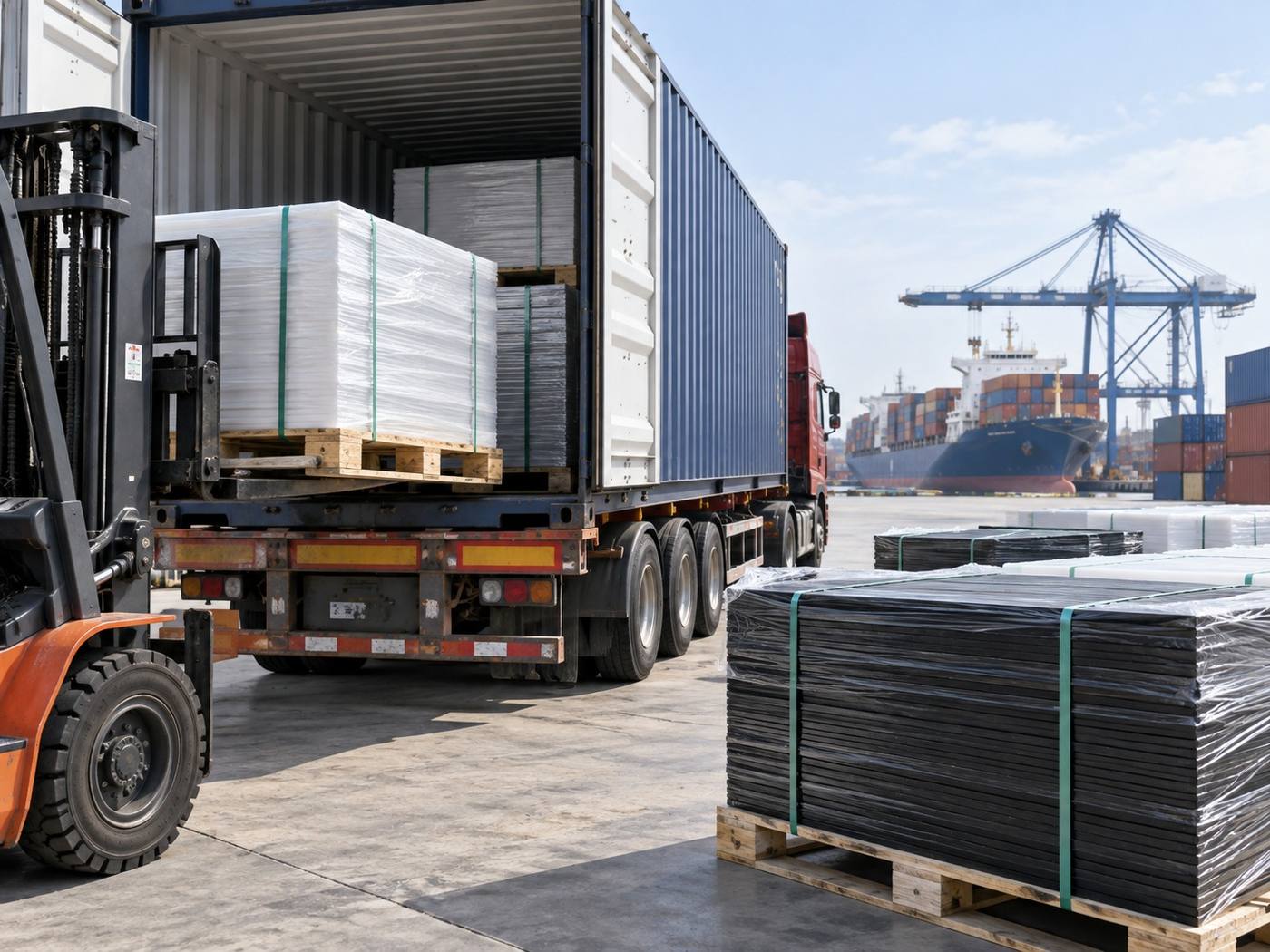
Arrival and site readiness need to be synchronized. Import documents, customs clearance agents, trailers, forklifts, temporary dumps and laid-off personnel are implemented in advance. When the product arrives, it is checked on the packing list and receiving and inspection standards, and the connector is stored in partitions with different specifications. The first paragraph was set up to provide remote guidance or project training to suppliers and to identify size or condition problems and stop reviewing them in a timely manner.
It is recommended that a buffer be established in the plan for weather, maritime fluctuations, customs clearance and trial preparation adjustments, and that the procurement, engineering, logistics and site managers be identified. The request for quotations requires suppliers to provide realistic release and container cycles rather than a minimum of oral commitments. By inverting, freezing and nodal acceptance, large-scale projects are able to obtain available products before equipment enters the field, rather than only goods that are out of the plant on time.
Need for further evaluation of the actual project?
Applications, sizes, quantities, site photographs or drawings and delivery destinations are sent, on which we can identify more suitable products and processing programmes.