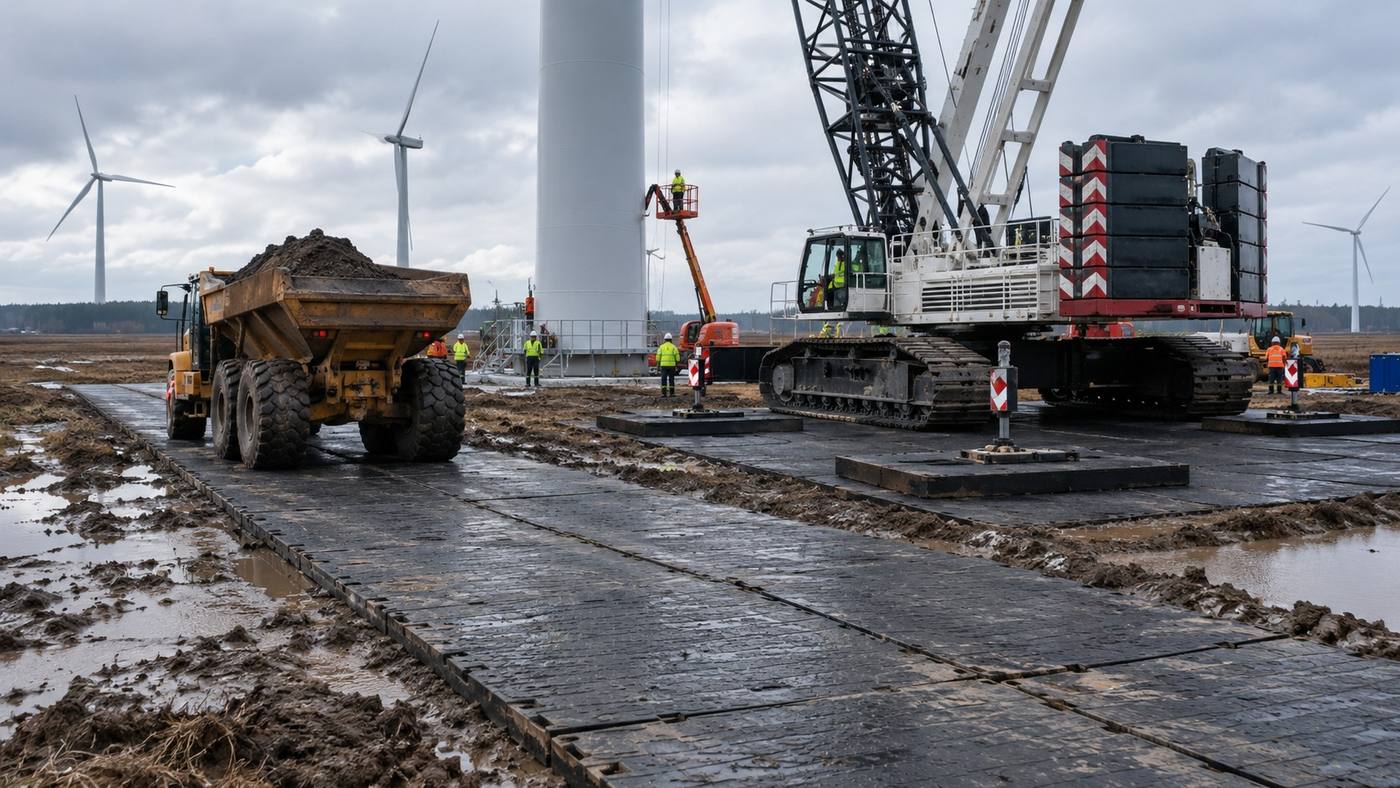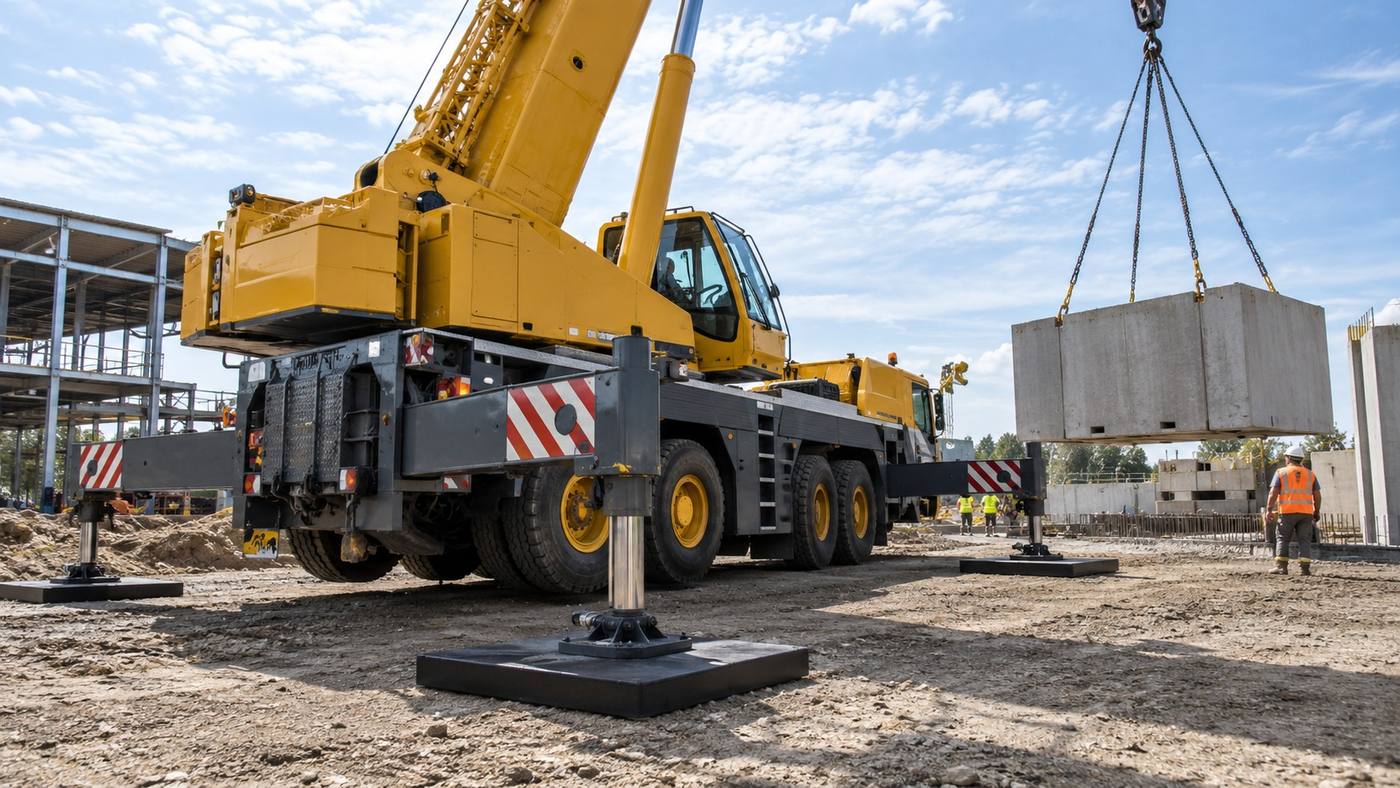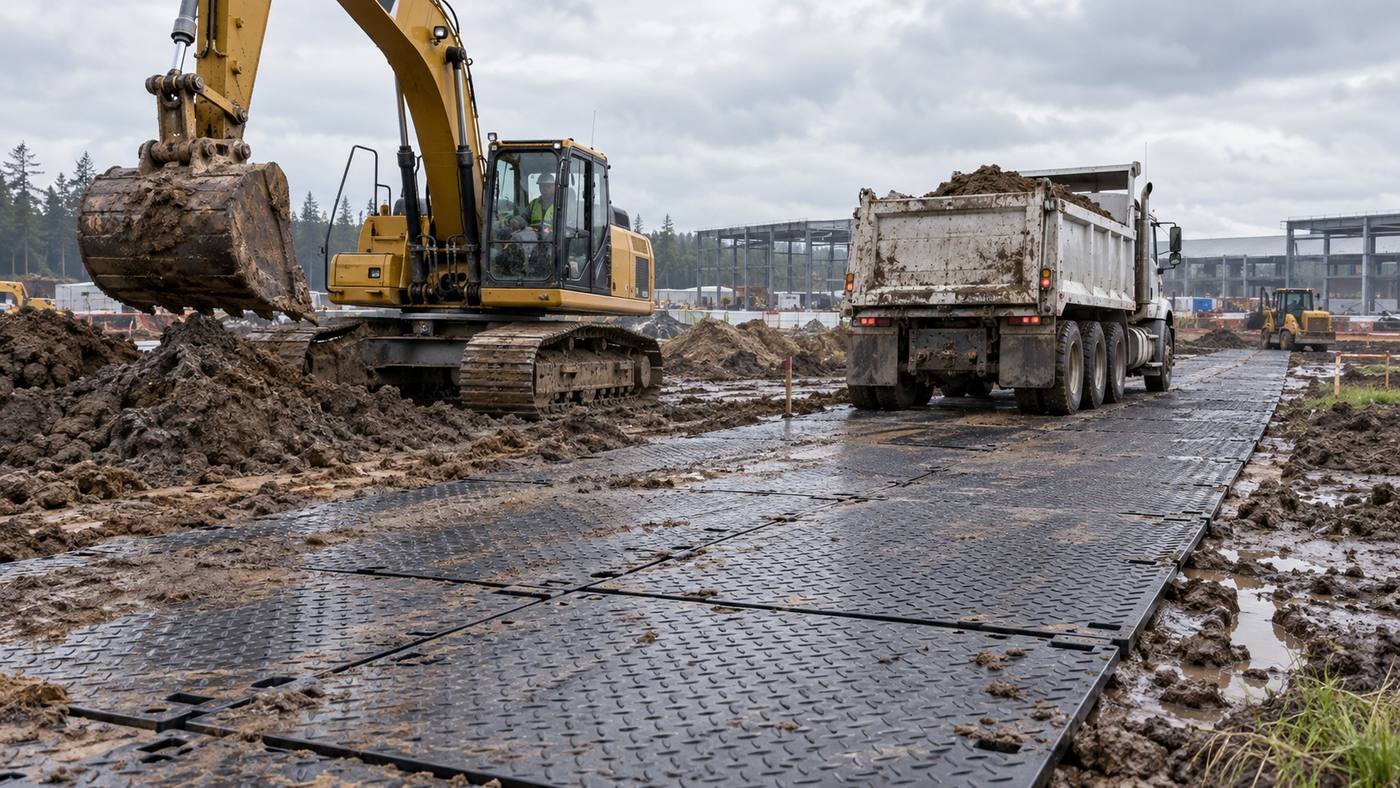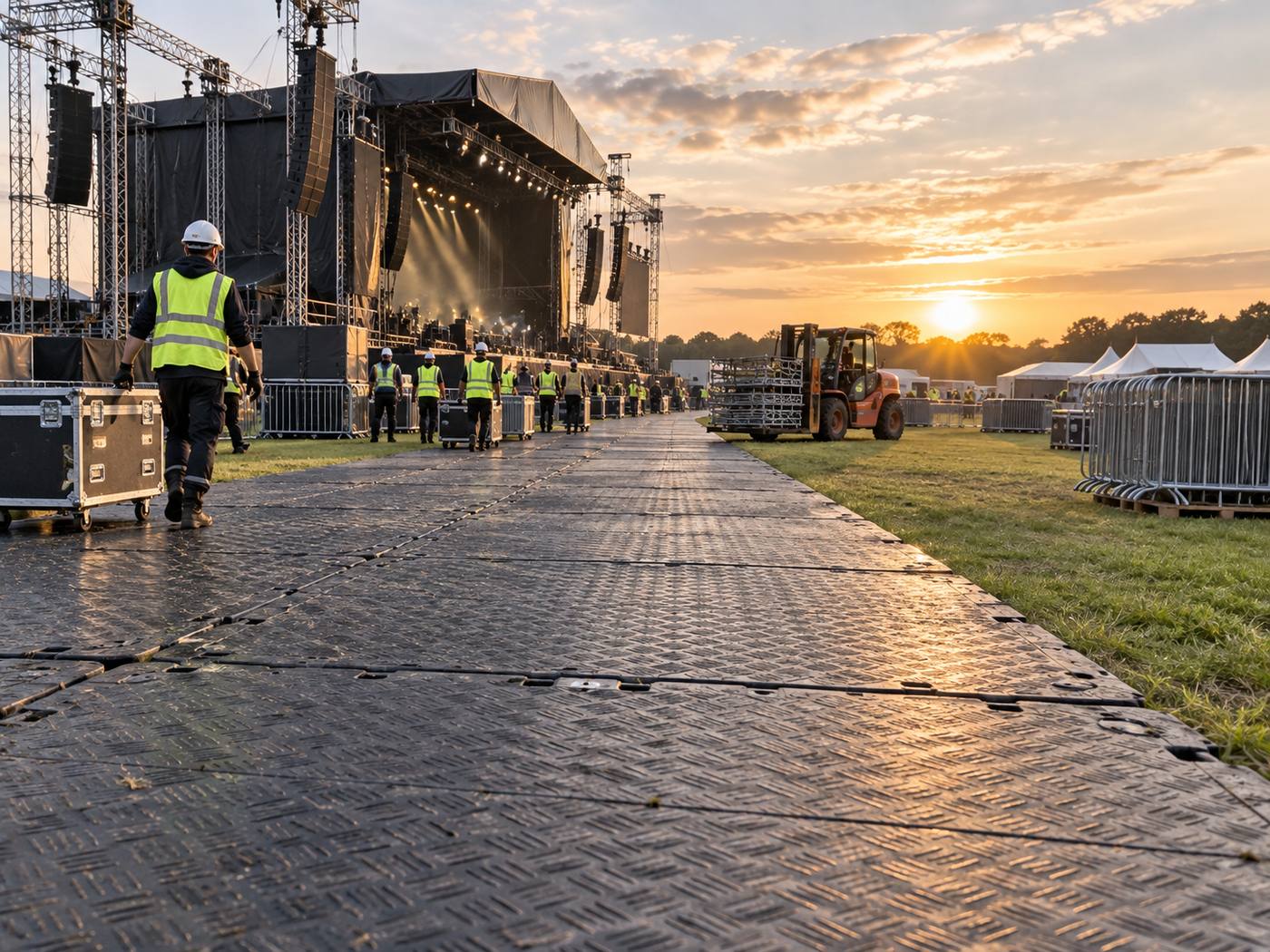
The thickness of the leg cushion of the crane cannot be selected separately from the area of the pad and the size of the foot plate. The leg load first works on smaller torso, then spreads around by bending the mat; the larger the area, the smaller the torso or the more uneven the ground support, the more obvious the bending of the mat may be. A simple application of the thickness of another device can easily ignore the differences in retroactivity, geometry and material performance.
The selection requires the maximum retroactivity of the leg, the diameter or edge of the toy, the planned plate width and the conditions of the ground load. The supplier should make a recommendation based on the performance of the UHMWPE or HDPE materials used, the plate manufacturing process and the permitted deformation, rather than giving only common tables by tonnage. If the pads have a handle, a rope or an alien cut, the distance of these structures from the stress zone is also checked.
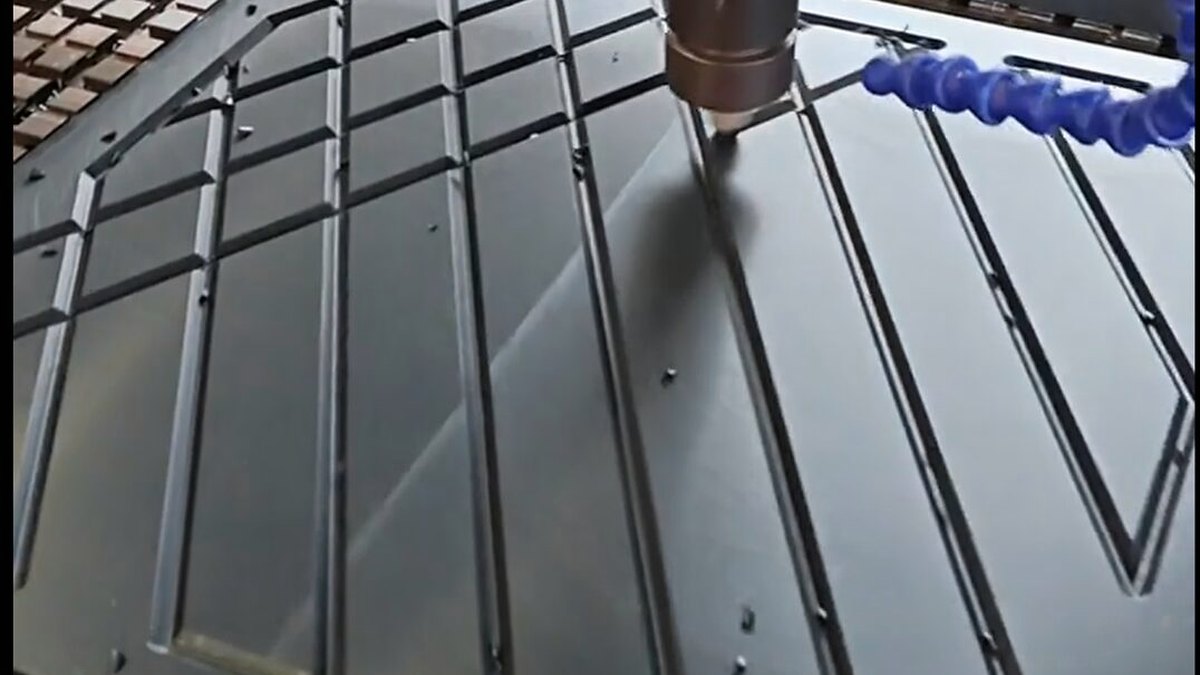
CNC processing of round UHMWPE leg pads (contribution of materials for the plastic network).
The softer the ground, the more uncertain the backlash distribution of support. Thick panels can increase the degree of bending, but they cannot eliminate the downsliding of the entire foundation; on the hard ground, local stones or steps may form a little support and concentrate the bottom stress. The tablets should be cleaned and flatted before use, and the pads should be attached to the floor. Empirical increases in payloads should not continue in the case of visible bends, cracks, permanent deformations or perforations.
A comparison of the procurement is to be made both in terms of thickness and the actual size of the finished product. Products with the same nominal thickness may perform differently if the material density, internal defects, processing holes or thermal stress controls vary. Vendors may be required to provide information, size tests, batches of production and photographs of finished products, and to indicate the recommended boundary. Important projects can arrange for sample or initial validation.
Upon submission of the equipment to the vendor, the quotations should be required to identify the area, thickness, unit weight, handling mode, materials and time delivery. The final thickness selection was to be reviewed together with the plank area calculation, ground-based assessment and equipment instructions. Purchasing parties should not interpret a thicker product as a pass that ignores ground conditions or exceeds the conditions permitted by the equipment.
Need for further evaluation of the actual project?
Applications, sizes, quantities, site photographs or drawings and delivery destinations are sent, on which we can identify more suitable products and processing programmes.