Thebranding of the slabs does not necessarily require a complete replacement, and the focus is on the remaining thickness, the location of the damage and whether it affects the discharge and fixation. Local high wear and tear areas may be replaced with individual blocks as originally designed if the plates are not yet penetrating and sutures have stabilized; and complete overhauls are usually more reliable when multiple grindings, large-scale curvatures of the panels, stiflings of the pores or materials have entered the plate.
Daily inspections should establish fixed locations and cycles. The bottom plate material area, the front wall, the sew on the side wall, the tail edge and the thickness and appearance of the fixed points are recorded and photographs are taken from the same angle. Anomalous signals include plate drum packs, bolts loose, seam extensions, crack extensions, sudden increase in discharge residues and noises when vehicles are lifted. Detailed checks can only be carried out after the van has been cleared and safely supported.
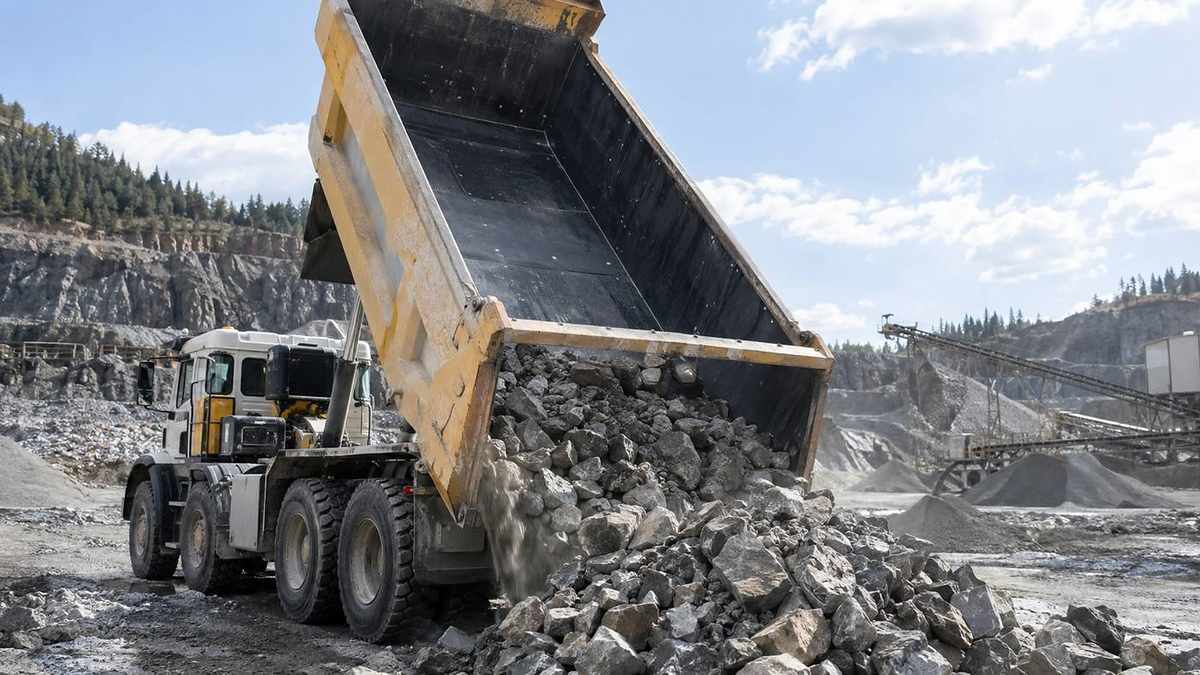
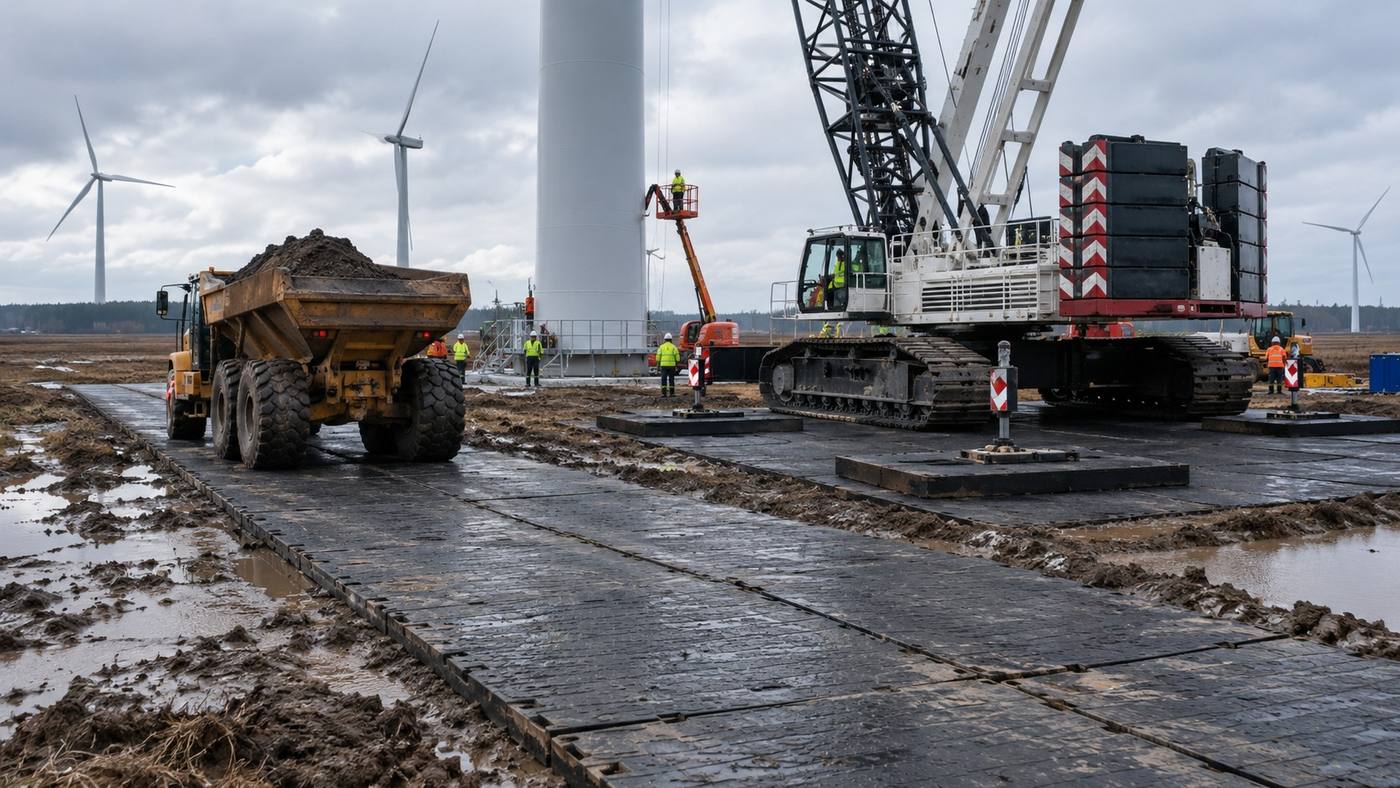
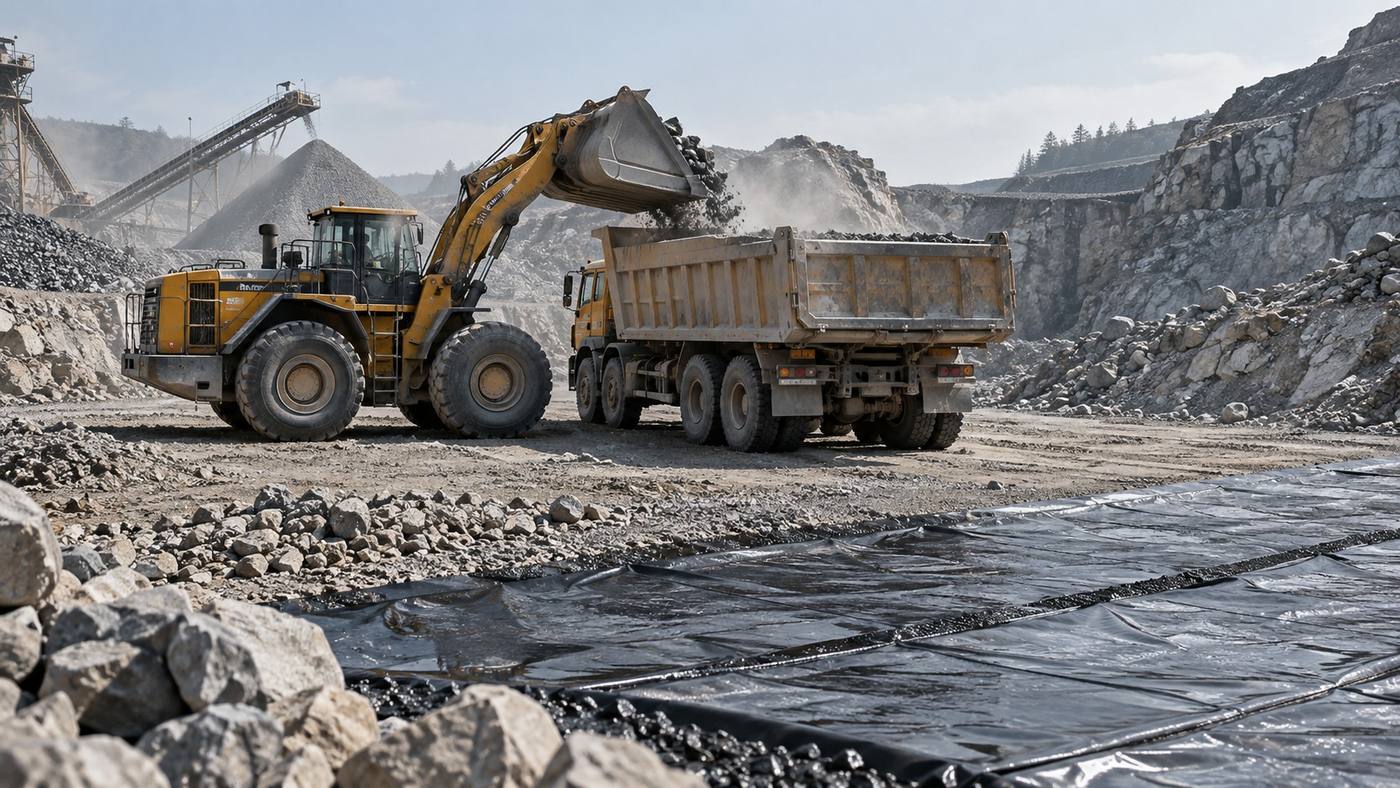
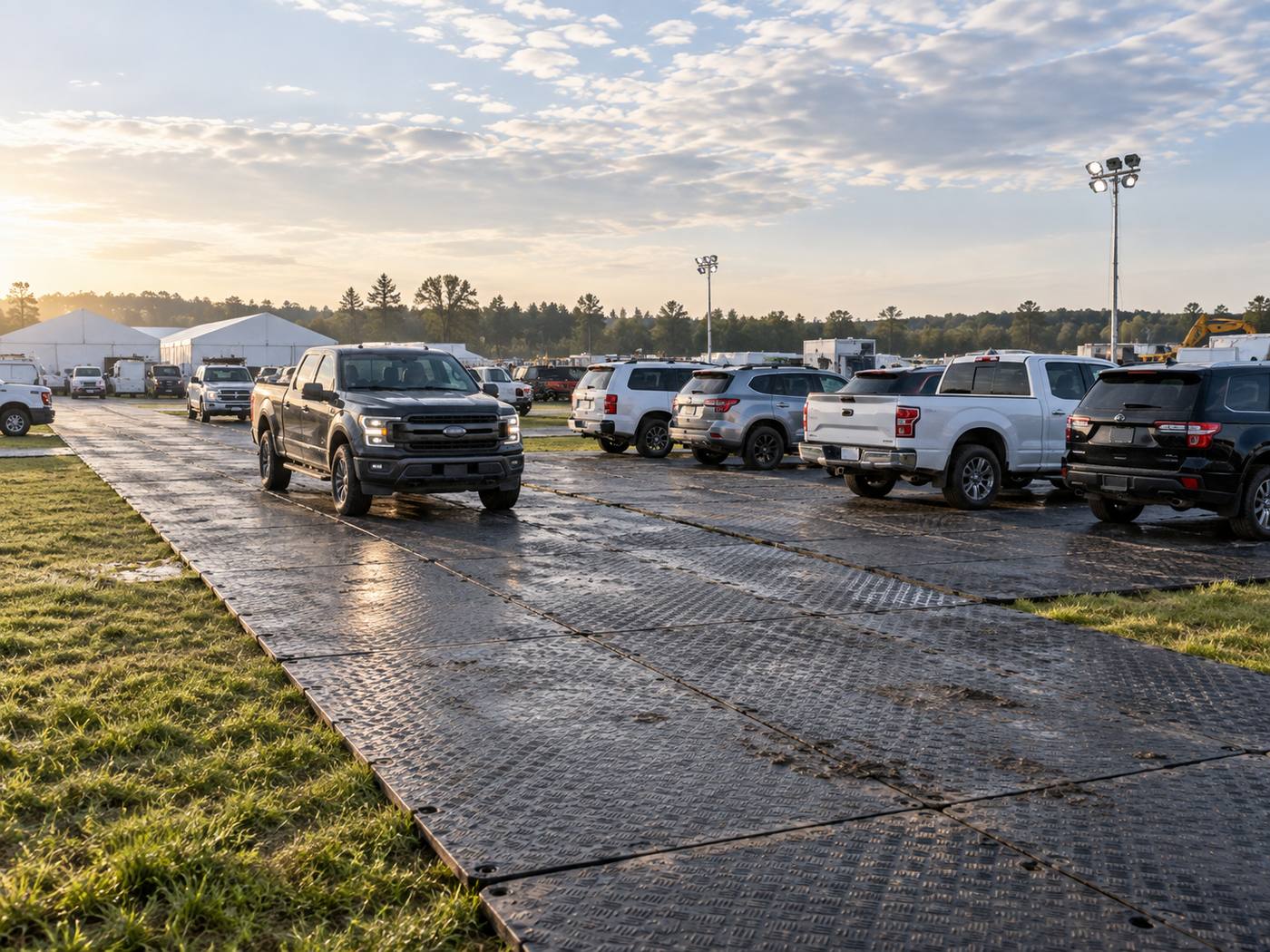
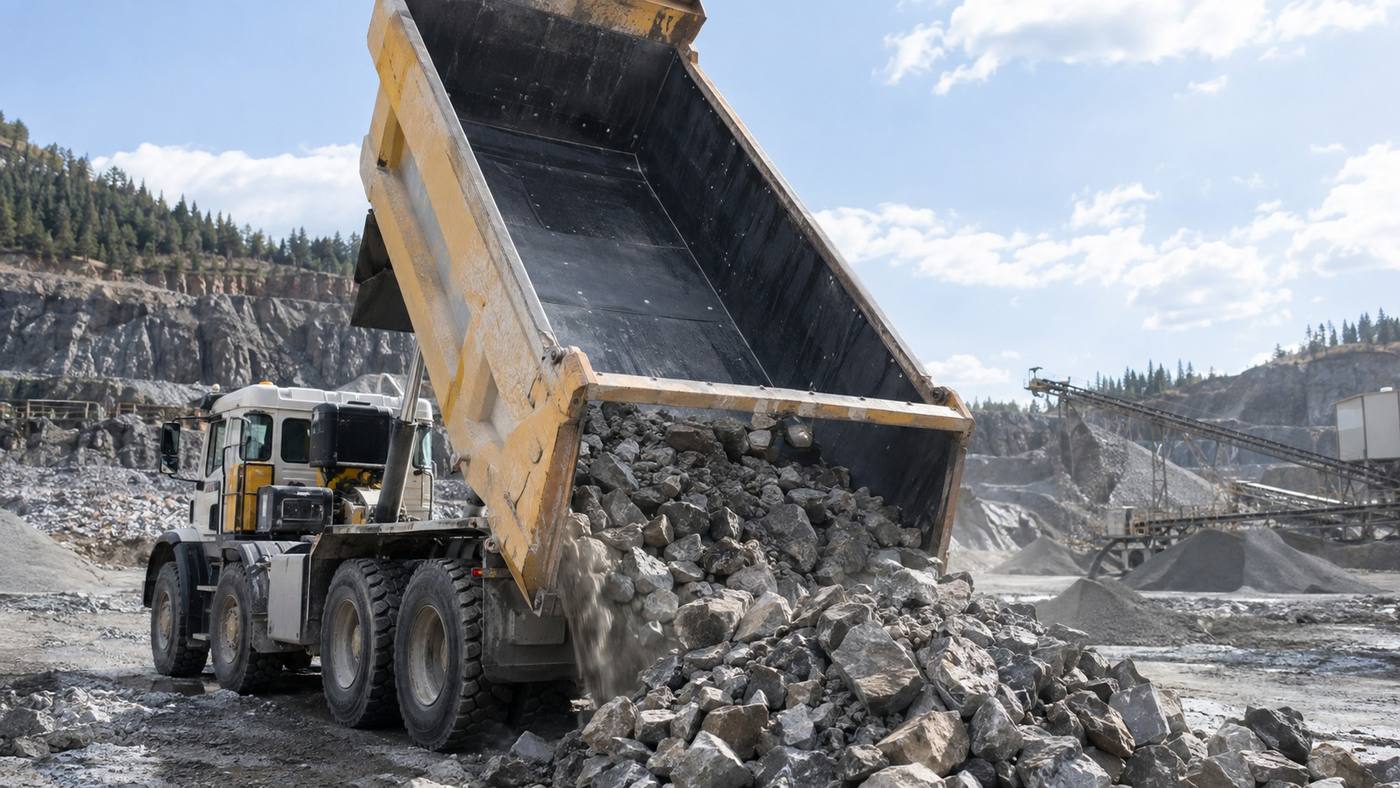
Transport of self- discharge vehicles and actual work on skating boards (material material for the Creative Plastics Network)
Local maintenance should confirm the thickness of old and new plates, the material and the pore compatibility to avoid the formation of visible steps. If the old plate is thinned as a whole, the new plate may be too thick to block the material; but only the clitoris may be added to the crack and the stress may be shifted to another position. The supplier should provide replacements and recommendations for installation on the basis of the plank, and any damage to the steel plates should first be repaired by the appropriate personnel.
Replacement decisions can combine the cost of the shutdown with the remaining lifetime. Frequent minor repairs, increased clean-up time and repeated looser fixes may indicate that the entire system is nearing economic lifetime. The vehicle fleet should measure the amount of scrap, discharge time, maintenance hours and board consumption per vehicle and use data to compare continued maintenance with planned replacements, rather than waiting until a sudden drop.
The purchase of the new panel is accompanied by the submission of original order information, vehicle numbers, the use of materials, the number of vehicles accumulated, damage photographs and thickness records. Vendors are required to confirm whether single blocks can be changed, whether fixed programmes need to be updated, and the compatibility of new and old batches. The establishment of a list of reversible areas and spare parts would allow for faster follow-up maintenance and facilitate the calculation of real full-life costs.
Need for further evaluation of the actual project?
Applications, sizes, quantities, site photographs or drawings and delivery destinations are sent, on which we can identify more suitable products and processing programmes.