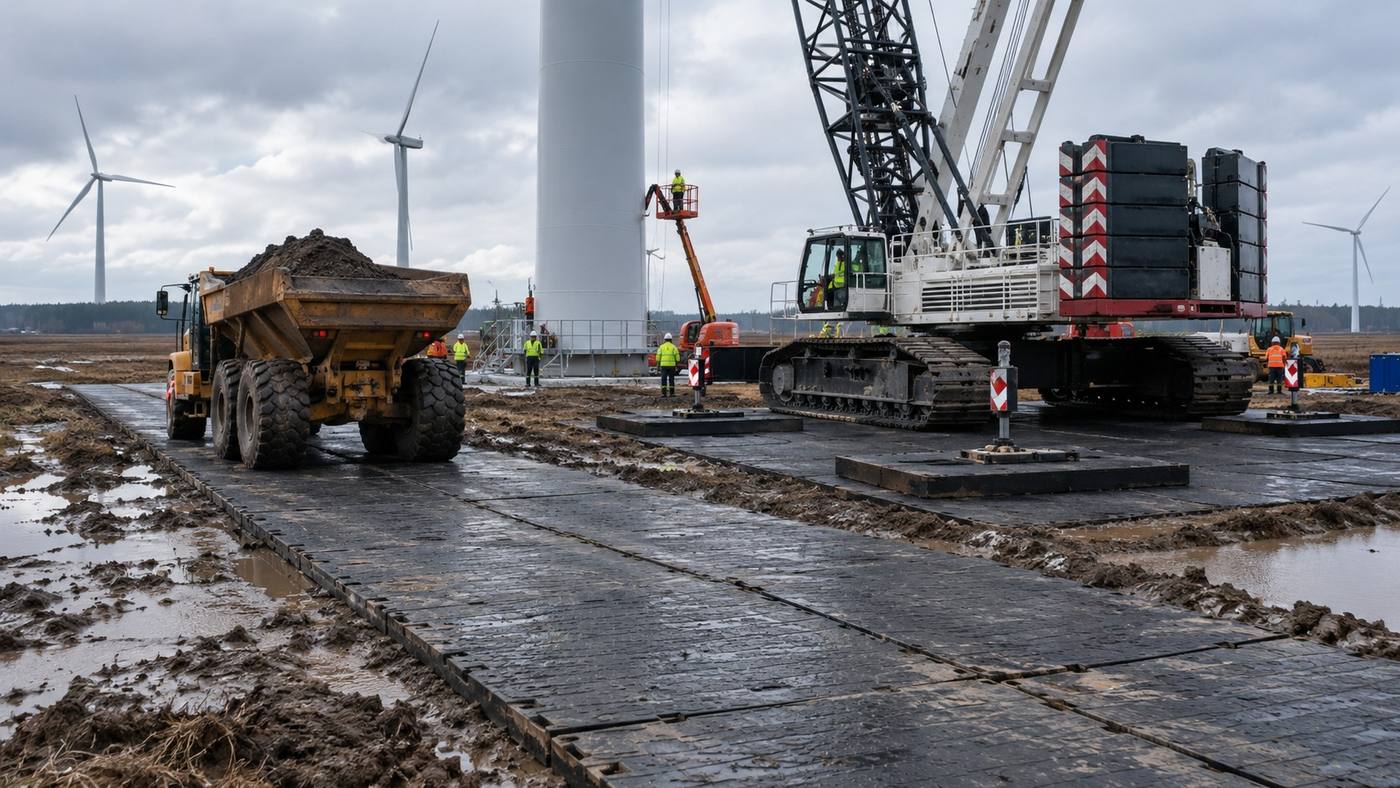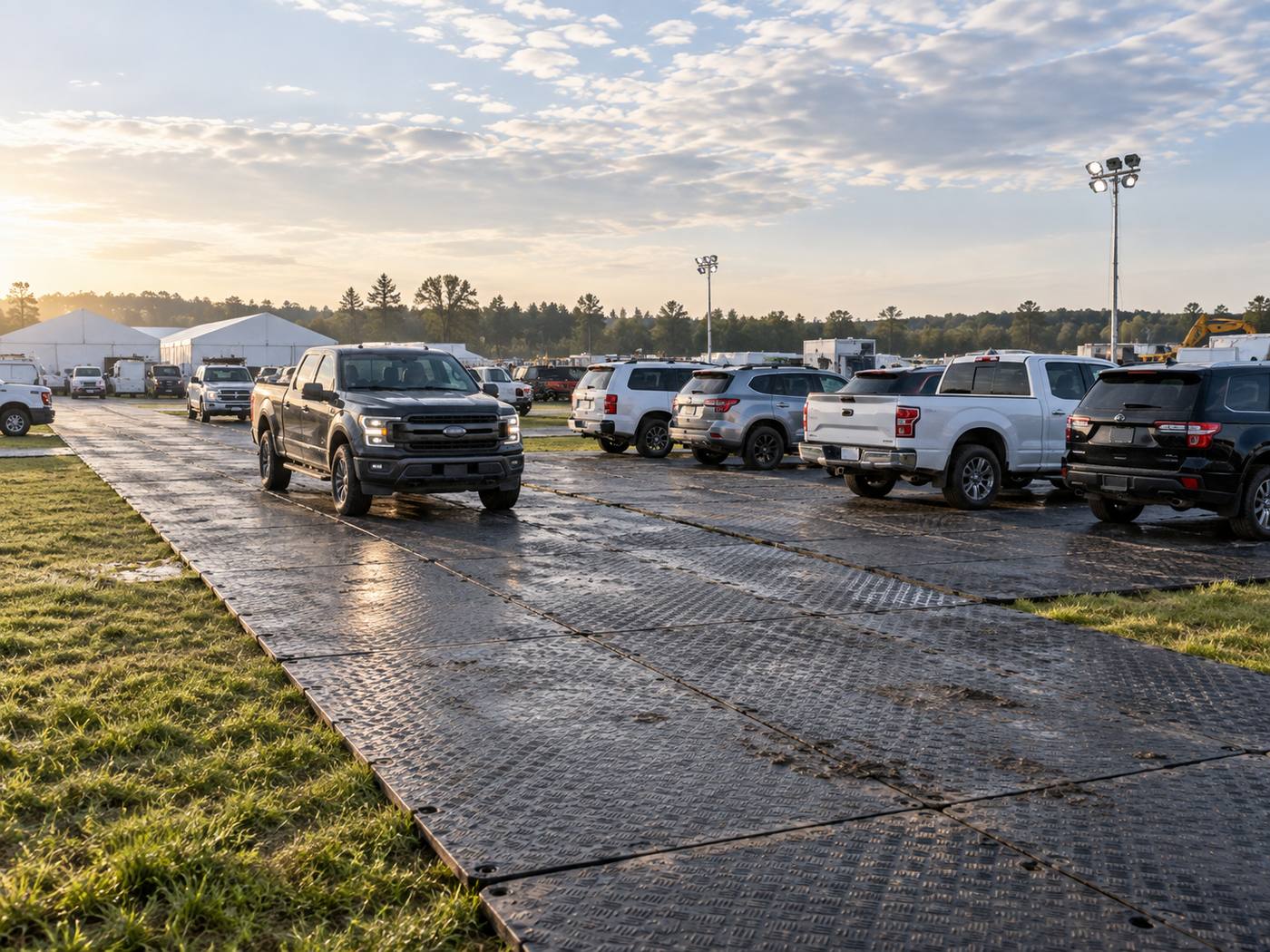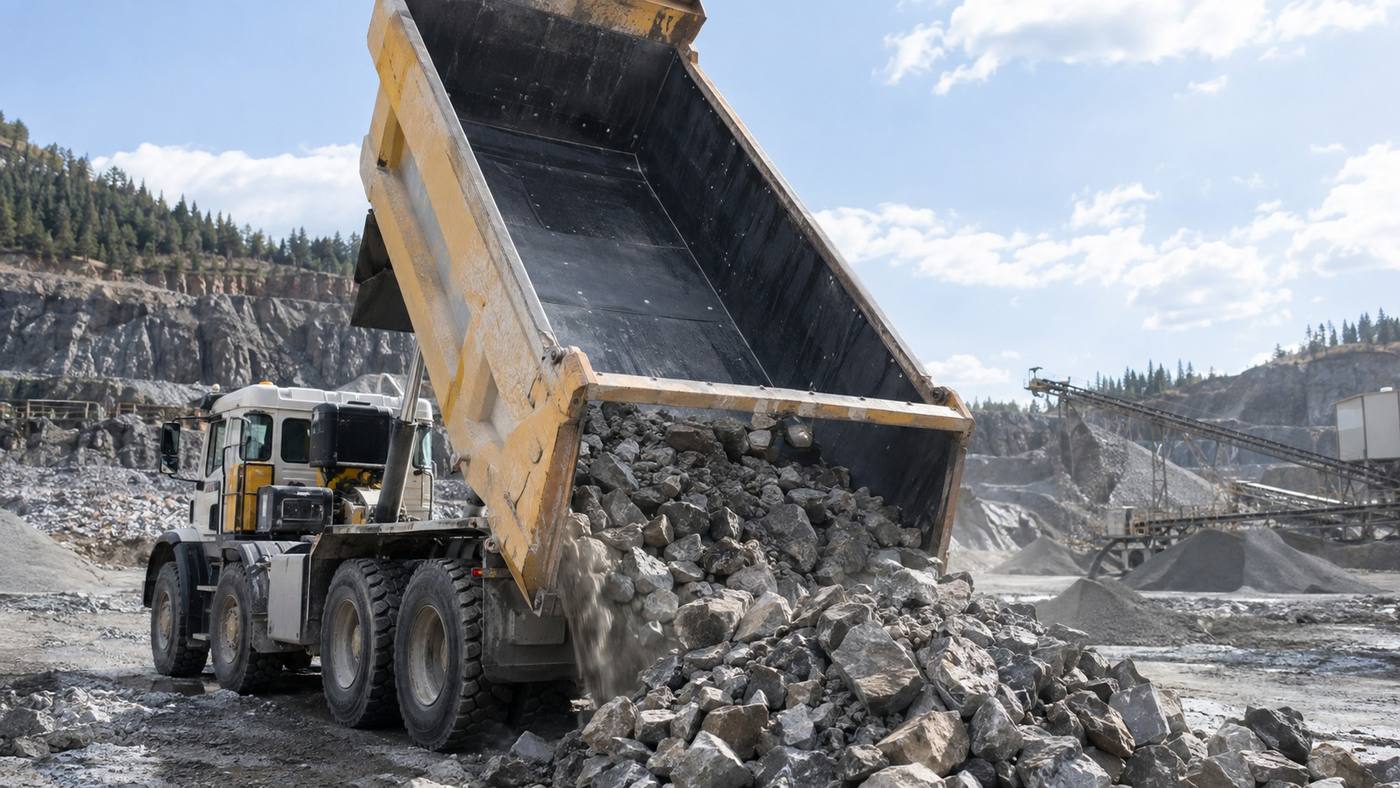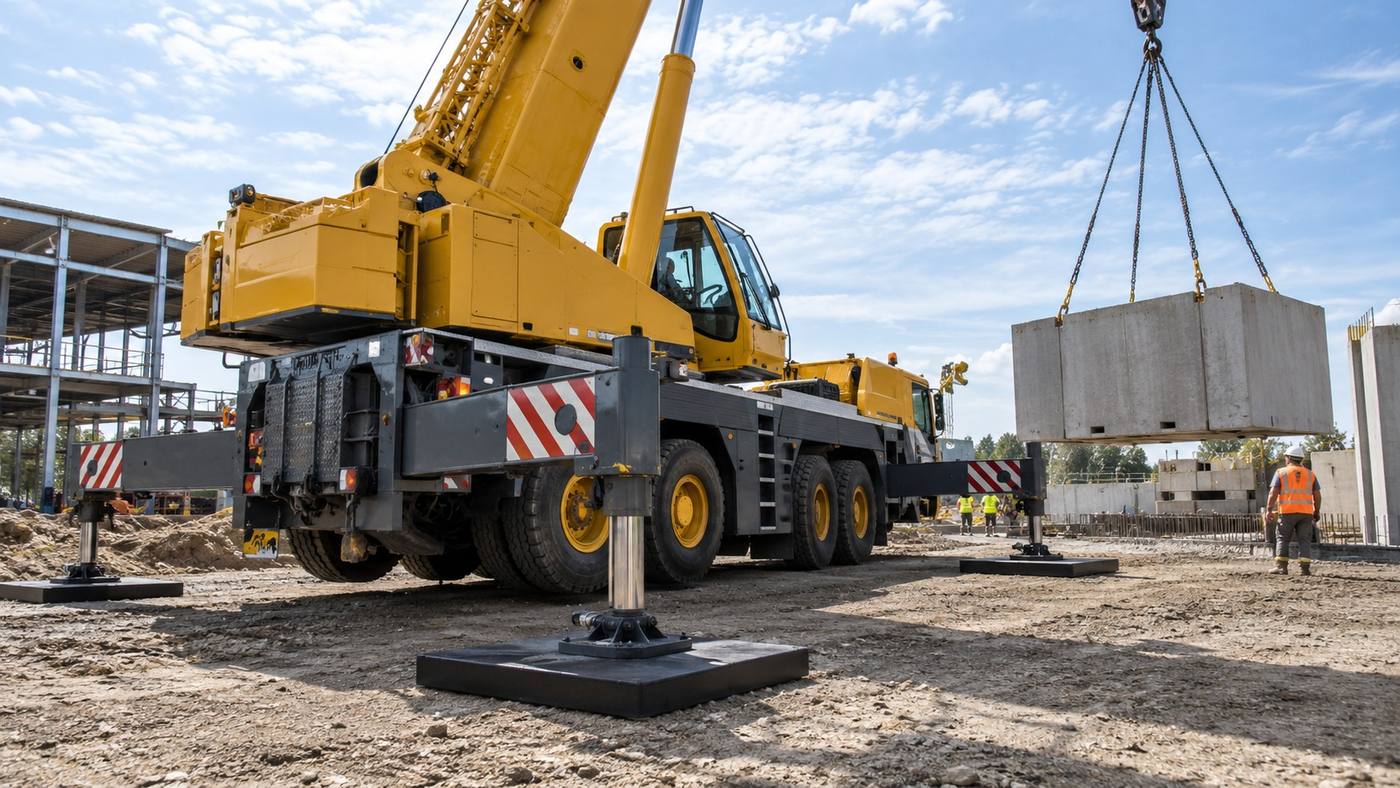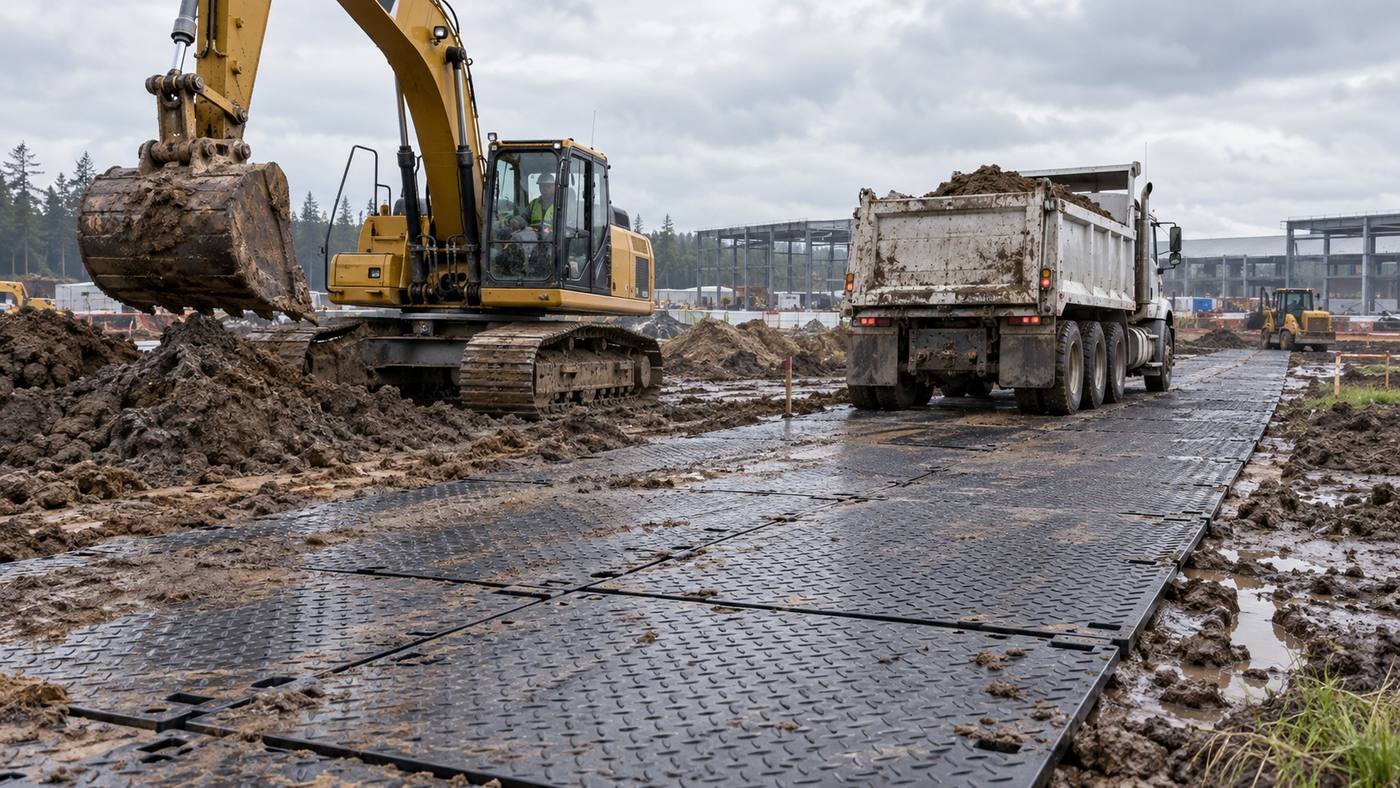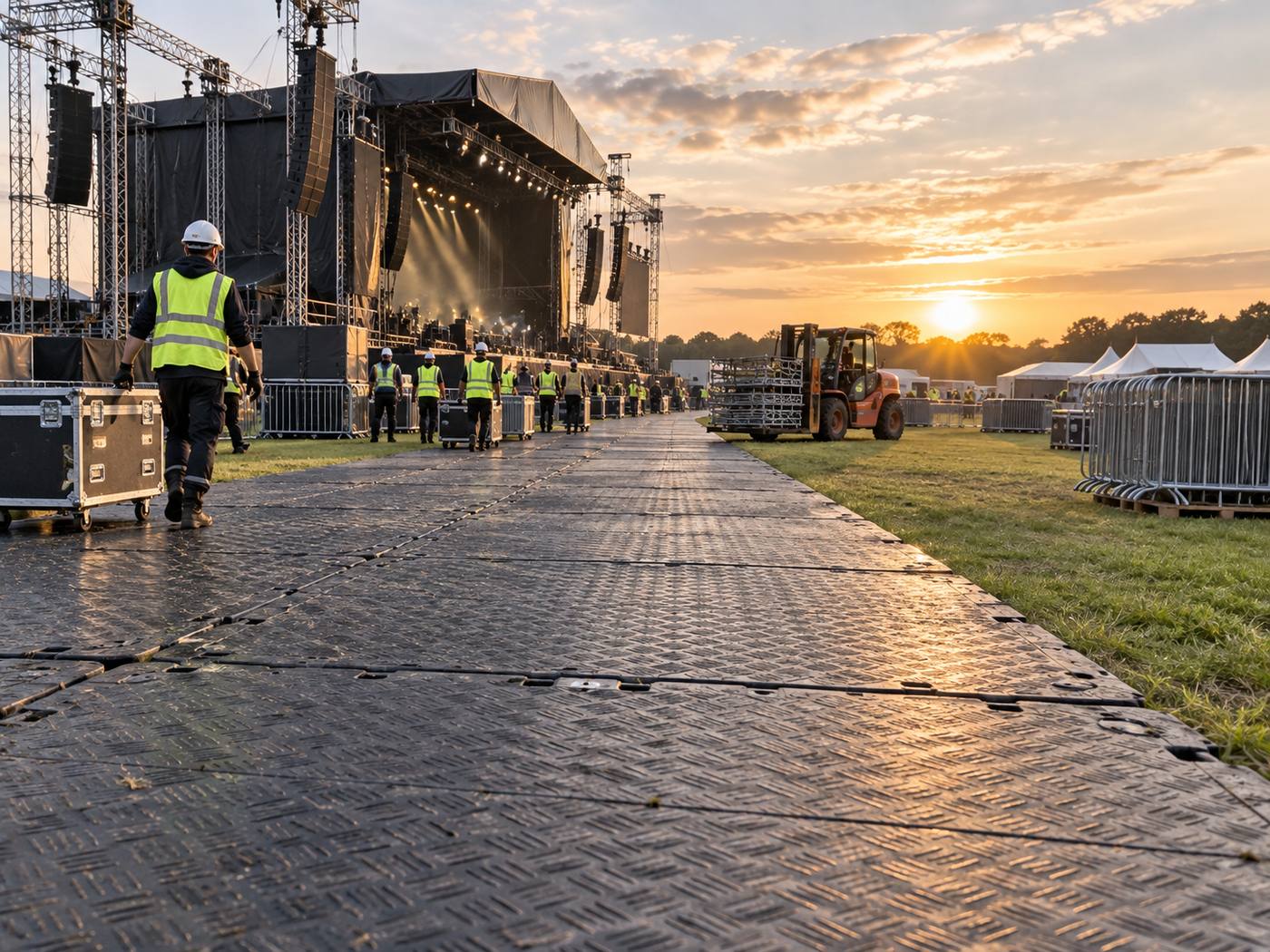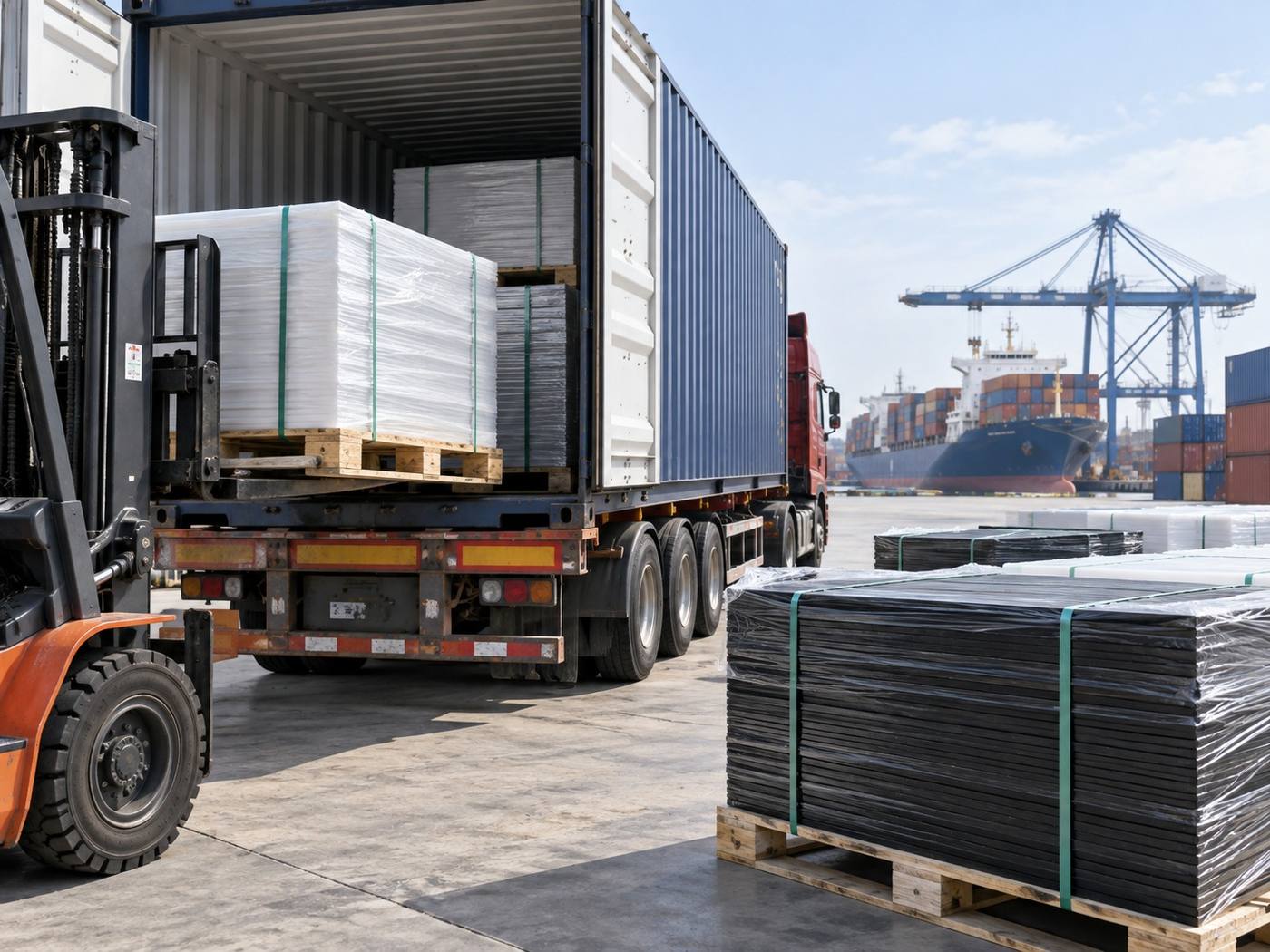
When choosing the size of the pavement, the net width of the channel cannot be divided by a single plate. Tyres of engineering vehicles deviate from the theoretical centreline when turning, conversing and re-orienting, especially long-axis dumpers, pumpers and semi-mounted vehicles, and the inner-wheel differentials of the back wheel will clearly crush to the inside side of the road. The total vehicle width, wheel range, axle range, minimum turn radius and site road map should be obtained prior to procurement, with a security surplus set for the sides, drains and areas of separation. Line segments, bends, entrances and loading points may have different paved widths without having to be mechanically integrated.
The common 2 m by 1 m specification facilitates the calculation of the area, stacking and cabinets, as well as the continuous fusion of most temporary roads; larger single panels reduce the seams, but increase the single weight, the difficulty of manual handling and the risk of warp on the ground. Smaller plates are more flexible at narrow corners, but there is an increase in the number of connects, installation time and seam maintenance. The procurement party should include forklifts, straps or manual handling conditions in the size selection so as to avoid the safe discharge and laying of the product upon arrival.
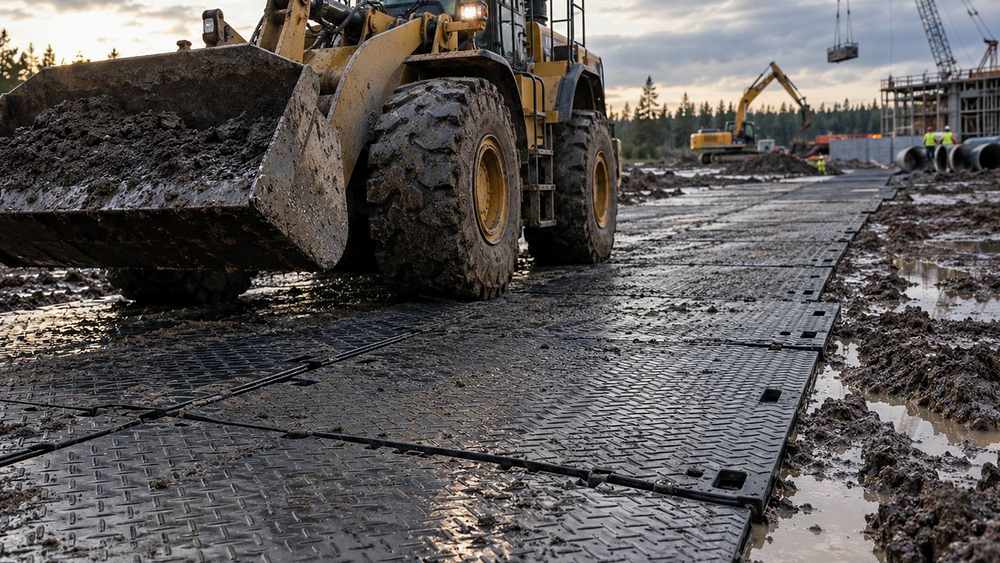
Product and handling structures for different HDPE-size pavements (materials for creating plastics networks)
Quantitative accounting should be based on actual drawings, not only on total area estimates. The route is divided into a straight, bend, car, ramp and parking areas, which determine, respectively, the vertical interconnection of the horizontal charge and then calculate the number of plates required for each segment. The outside of the bend, the junction and the vehicular turning areas usually require additional overall coverage and a smooth transition from the entrance to the hard road. If the plate needs to be sewn in error, the margin and spare sheet should also be included separately in the procurement list.
In comparing the vendor programme, it should be checked whether the nominal size contains a connection structure, whether the size mass is stable, and whether the handle and the connection hole affect the effective width of the pavement. It is easy to ignore the cumulative deviations caused by sutures, holes and marginal formations. For custom sizes, the supplier should be provided with a confirmation map showing long, thick, texture direction, hole, handle position and single mass, and the first pre-natal confirmation.
The request for quotations recommended the submission of the length and narrowest width of the channel, the flat curve map, the size of the vehicle, the maximum payload, the daily number of vehicles, the type of floor, the laying cycle and the photographs of the site. On this basis, the vendor can recommend a standard or custom board and give a connection and a back-up ratio. The goal of the size selection is to create a system that can be laid on a continuous basis, that can be maintained and that can be safely moved, rather than simply seeking a single block as large as possible.
Need for further evaluation of the actual project?
Applications, sizes, quantities, site photographs or drawings and delivery destinations are sent, on which we can identify more suitable products and processing programmes.