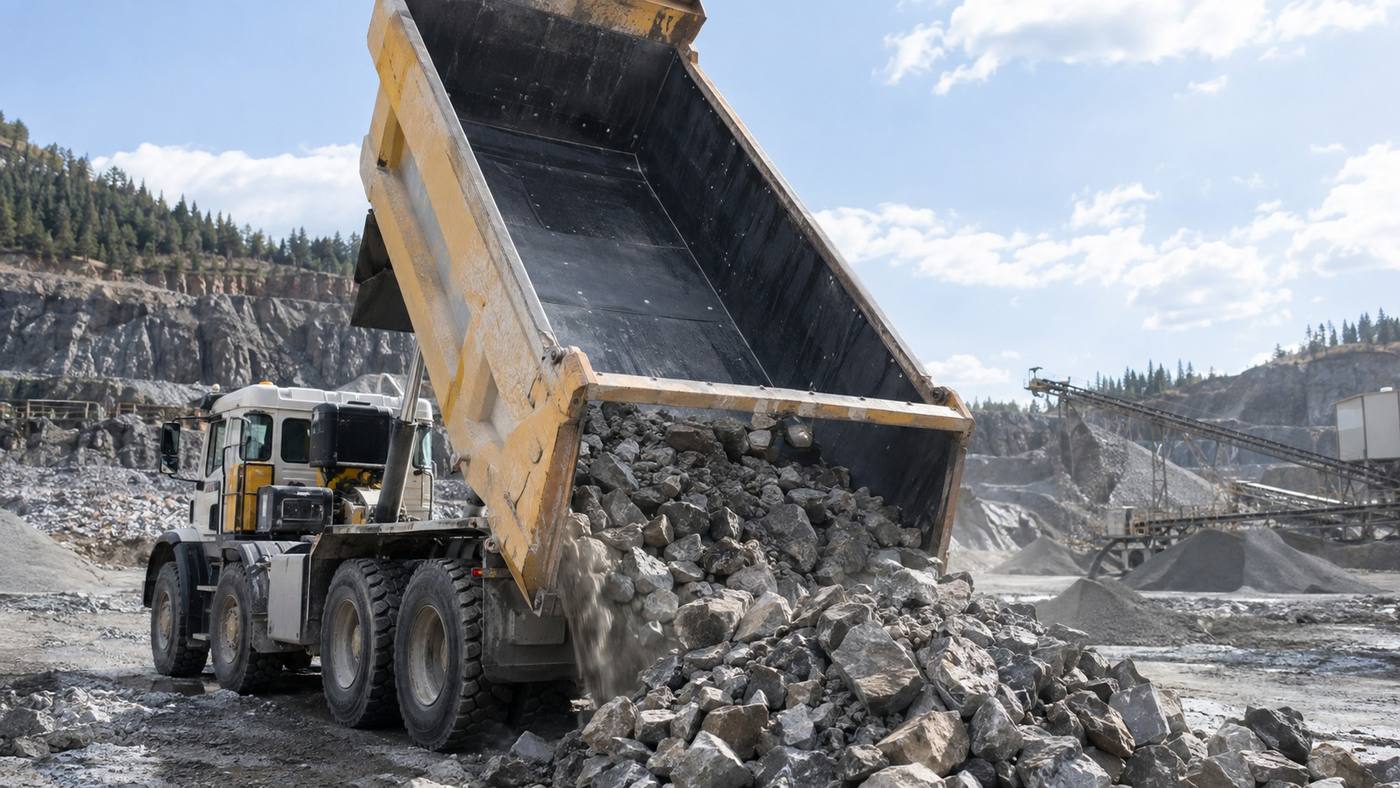
The adhesion of wet clay in steel cars increases the risk of residues, cleaning time and vehicle lifts. In the selection of skateboards, priority should be given to the assessment of low friction surfaces, water intake of panels, suture design and uplifting of cars, rather than only grinding. The UHMWPE is often used to improve the slide of sticky wet material, but its effects are still influenced by the water content of clay, the fine particle ratio, the freeze and the geometry of the car.
The procuring party should provide a description of the condition of the material under different weather conditions, whether it contains sandstone, fibre or building miscellaneous, and record the location of the most serious sticky material. The photographs would preferably include empty cars, fully loaded and unloaded cars, and the video shows the process from the beginning of the slide to the unloaded material. The zonal programme may be more economical if only front-wall and bottom-board stickers; more complete coverage is considered when the side-walls are also mounted.
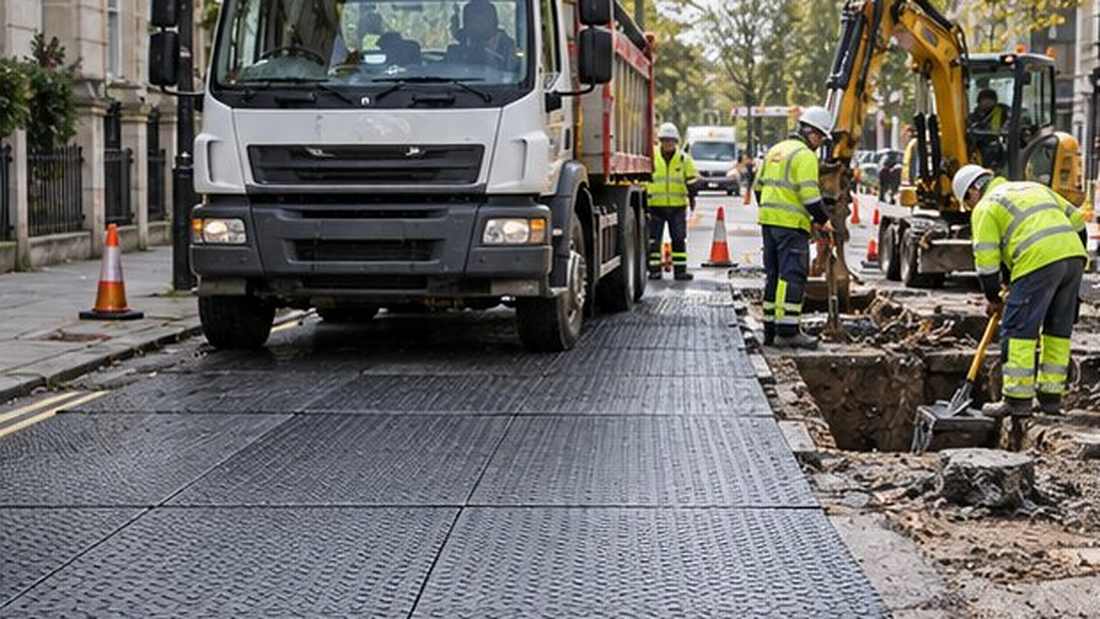
Application of car skateboards in the project offloading scene (materials for the Genesis Network)
The surface of the plate should remain smooth and smooth, and the seams and tights cannot form a clear barrier. It is designed to provide space for thermal swelling and cooling and to avoid the tearing of holes. The closing edge close to the tail door is particularly important, and the wet soil may be drilled under the liner if the tip of the plate rises or is too wide. The original car dents and weldings should be treated prior to installation.
In low-temperature areas, clay freezes and material shock resilience are also considered. Car skateboards cannot be advertised for the removal of all attachments, and drivers are still required to load and unload materials and are prohibited from making up for design problems through dangerous stopovers, violent swings or the entry of personnel into lift carriages. The evaluation of the procurement could use as a test indicator the mean residue volume, discharge time and cleaning frequency.
The request is for clay type, water-containing changes, ambient temperature, car size, lifting angle, load and daily number. Vendors are required to describe materials, thickness, fractions, fixed, expansion gaps and expected improvements. Test-loading and recording of data on typical vehicles for a period of time before being extended to the entire fleet would reduce the selection bias.
Need for further evaluation of the actual project?
Applications, sizes, quantities, site photographs or drawings and delivery destinations are sent, on which we can identify more suitable products and processing programmes.