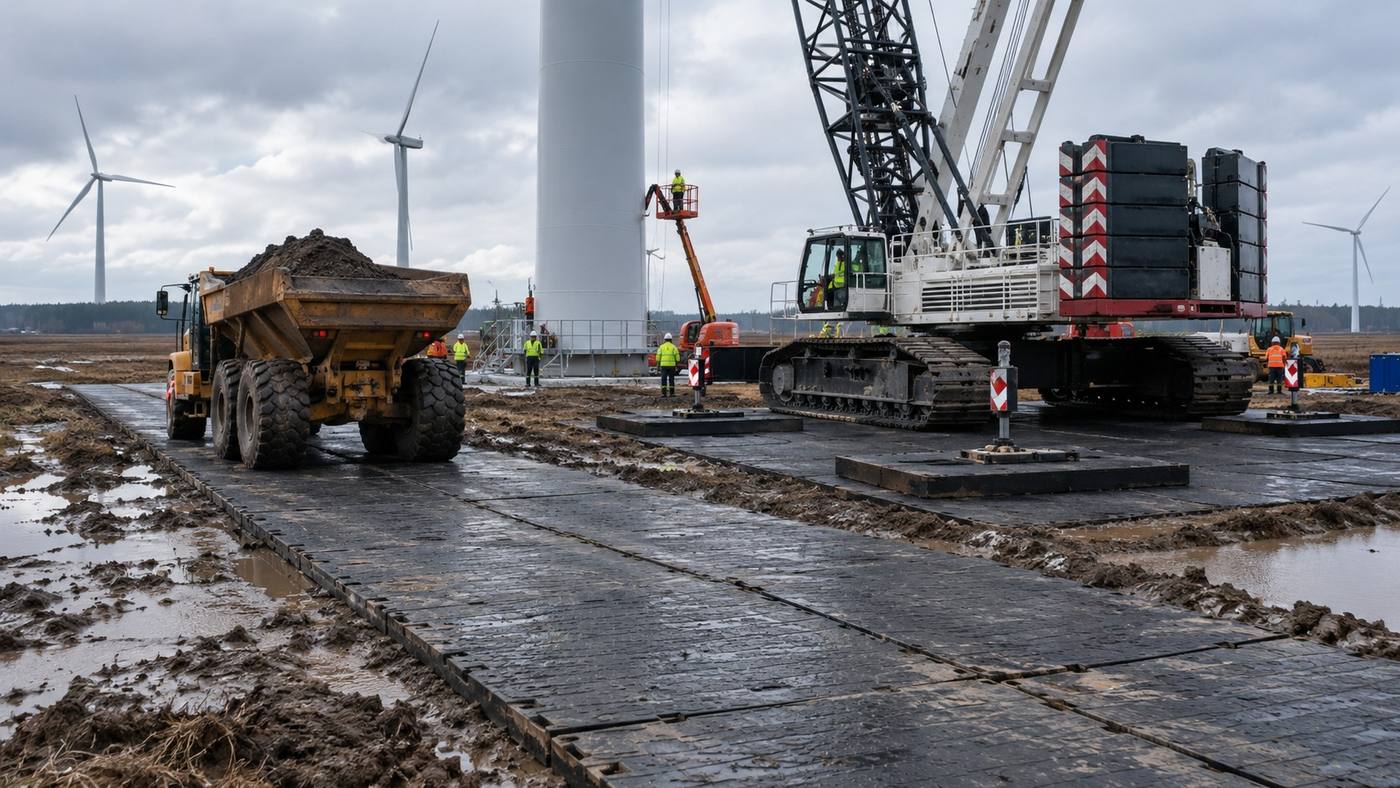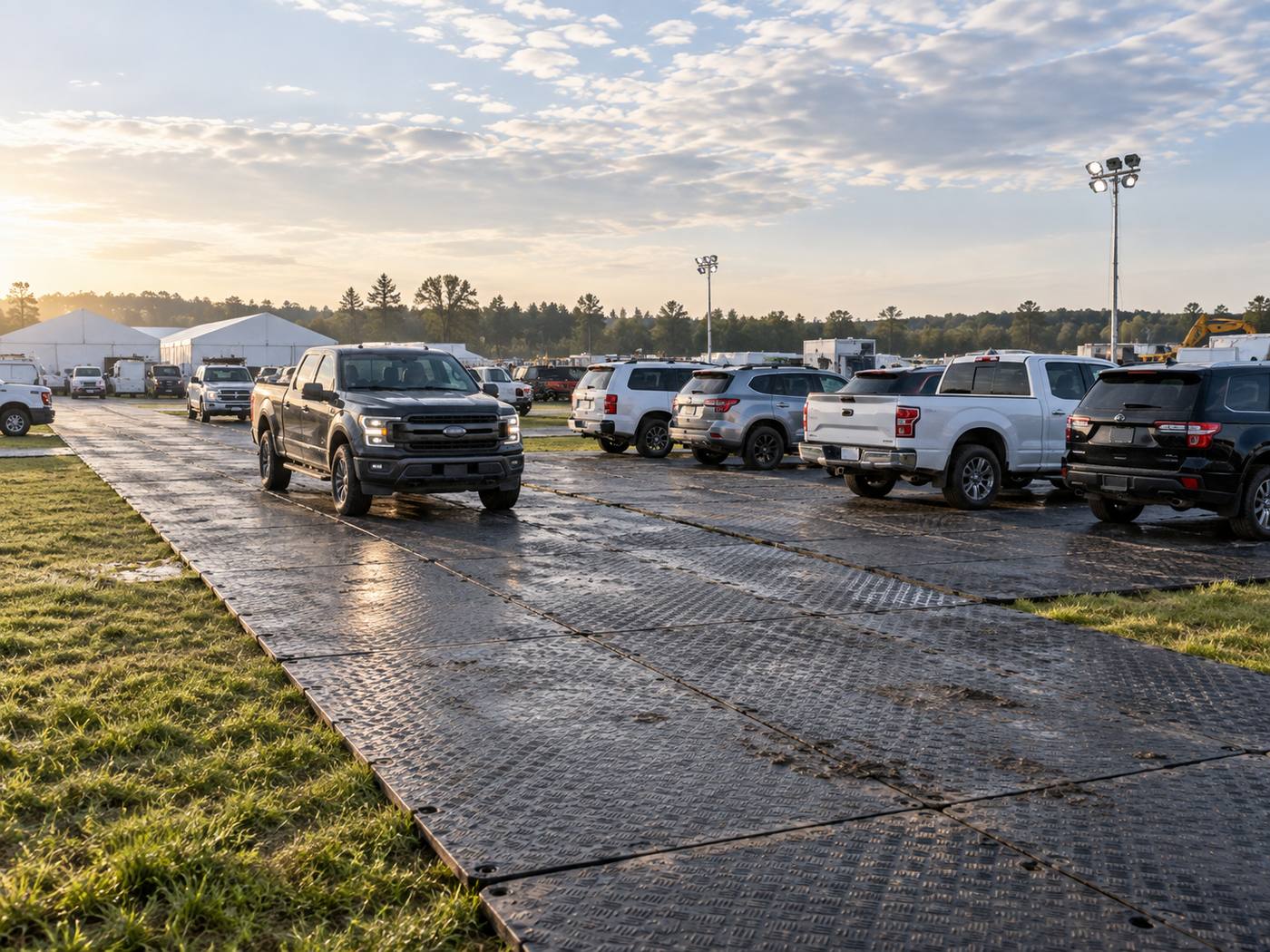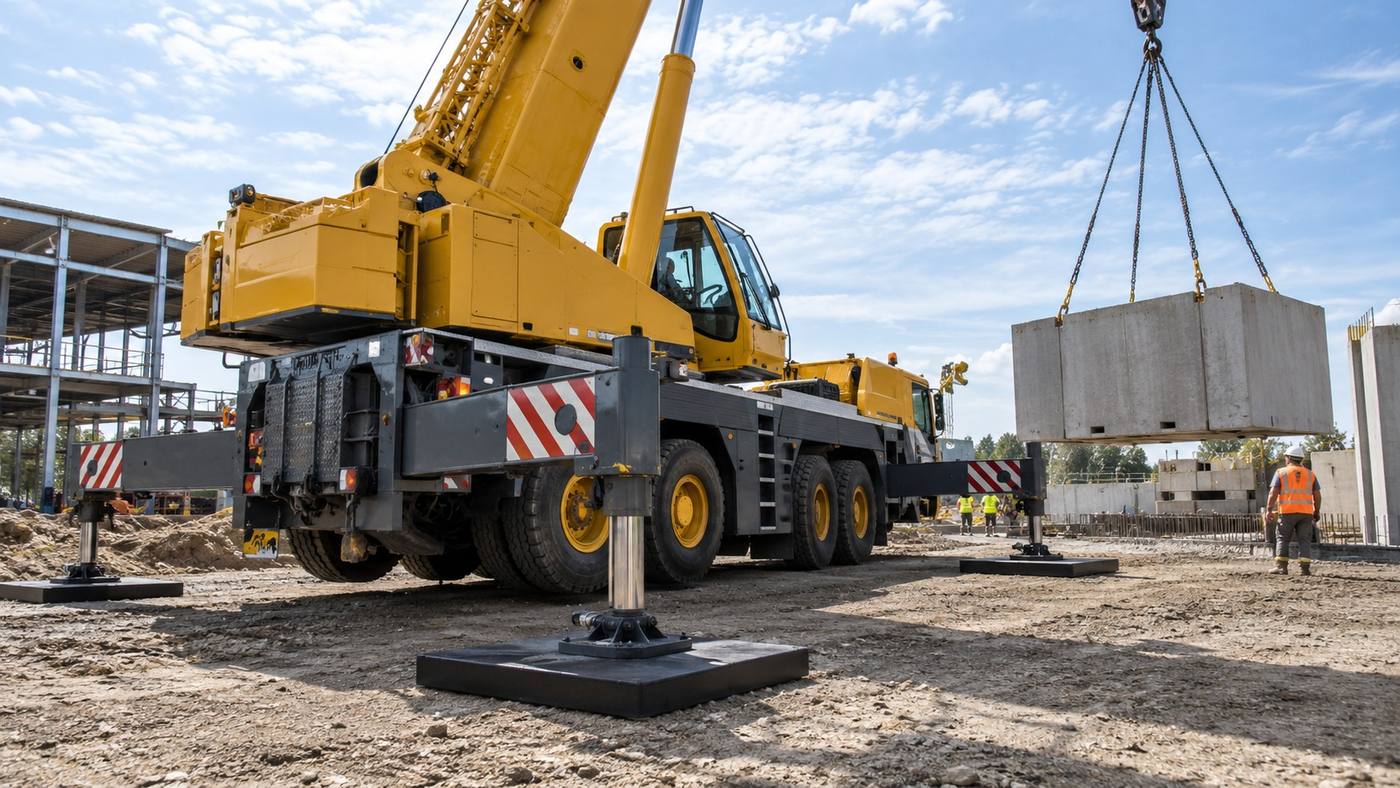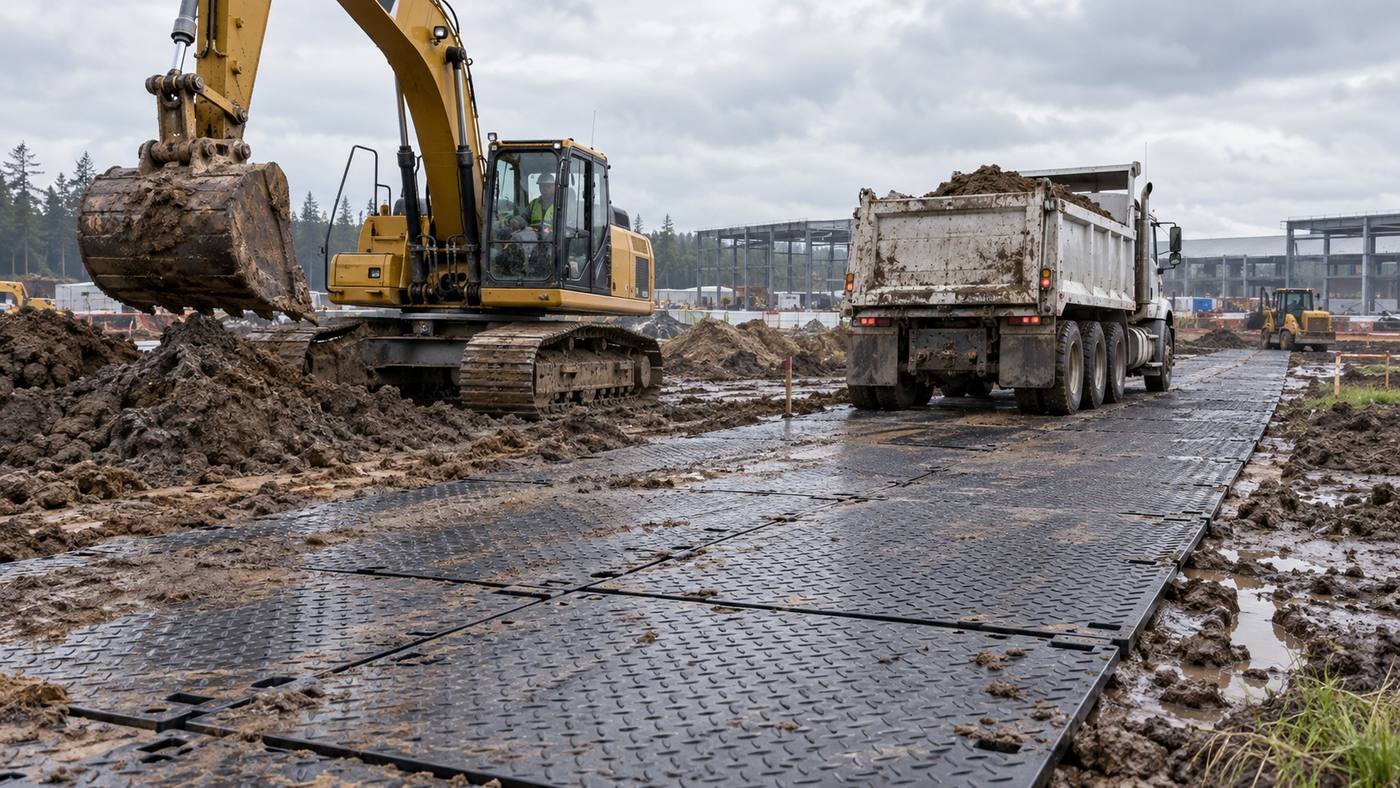
The 15 mm, 20 mm, 25 mm and 30 mm are not the four classes corresponding to the total weight of the vehicle. The pavements are used by local pressures from tyres or belts, the shears generated by shifts and the bends caused by uneven grass-roots levels. When the ground is solid, light and straight-line low-frequency traffic, the thinning specifications may meet the demand; when soft soil, deep land, frequent turnovers or long-term reuses, they usually require a higher degree of rigour, accompanied by improved drainage and ground support.
The buyer should first collect the maximum vehicle load weight, the axle loads, the number and size of tyres, and not just the type name. A vehicle of the same total weight may have a greater local effect on the plate if the weight is concentrated on a small number of axle or tyre areas. While the area of the tracked equipment is large, it produces significant lateral scratches when diverted. The supplier ' s load description must be understood in conjunction with the test support conditions, and laboratory data cannot be directly equated with the available payload on any mud.
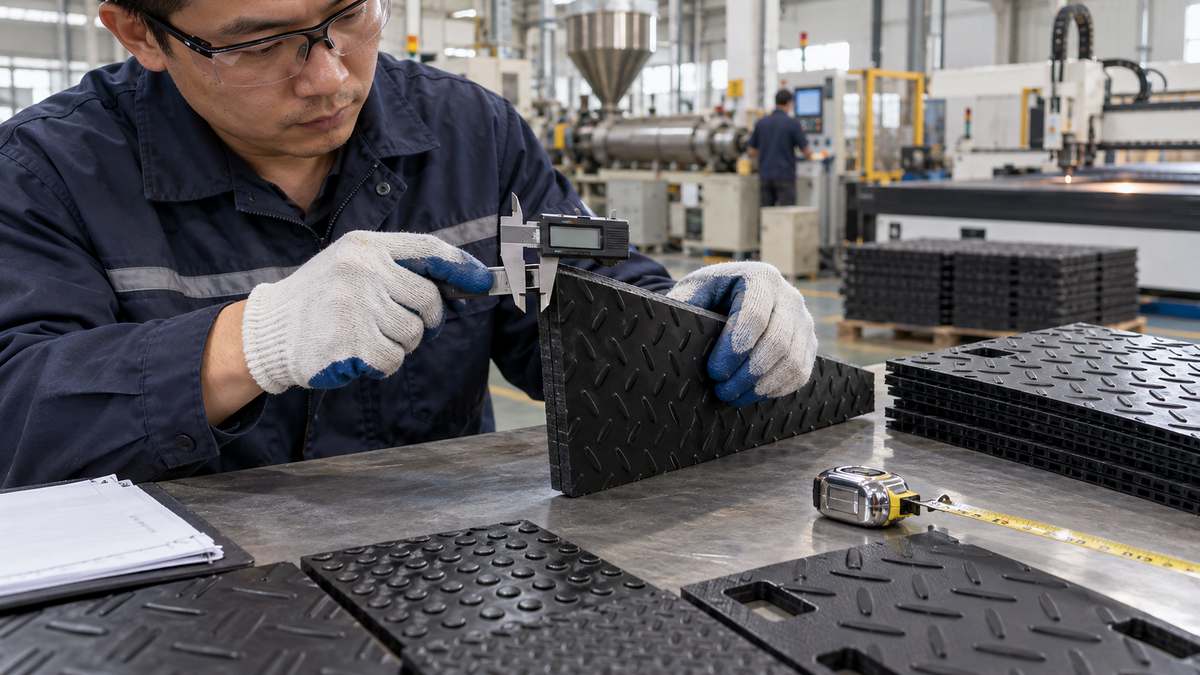
Technical survey of HDPE pavement thickness and surface stripes (new procurement scene)
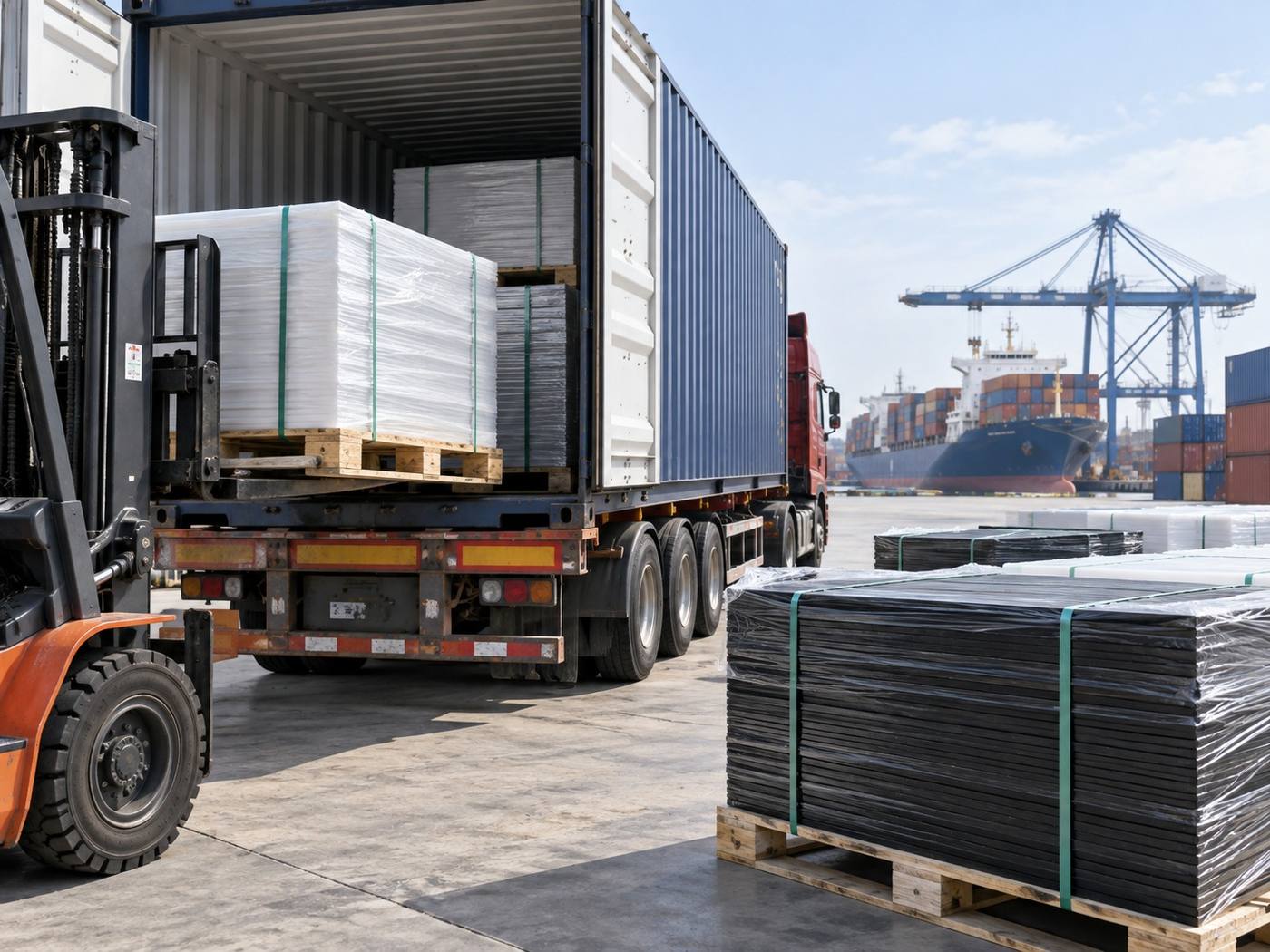
The increase in thickness usually increases the slab ' s bending and impact resistance, as well as individual weight, price, container occupancy and field handling requirements. When projects move frequently, they should compare useful life with port efficiency; fixed corridors should operate for a long time, and more attention should be paid to continuous traffic, seam stabilization and grass-roots maintenance. For slope feet, brake areas, turn areas and loading points, a partial reinforcement programme could be used instead of a full-line blind selection of the thickest specifications.
Selective tests should preferably be conducted on the ground close to the project. A short-range sample section is laid to allow for low-speed passage of the airborne vehicle, which is then added to the typical load, to record plate scratches, seam differentials, connection stress and subboard pump mud. In the event of a clear sedimentation at the grass-roots level, a simple increase in the plate thickness may still result in a cross-space receptor; this should involve the treatment of drainage, stifling or stratification, followed by an assessment of the plate specifications.
The official request for quotations shall indicate the condition of the ground load, the water content, the maximum vehicle axial charge, tyre or tracked parameters, the rotation and brake movements, the daily number, the life of the vehicle and the handling equipment. Vendors are required to list materials, thickness differentials, single weights, recommended connections and applicable conditions. The final selection should be confirmed on the basis of project risk and actual trial preparation results and not only the number of mm or unit price.
Need for further evaluation of the actual project?
Applications, sizes, quantities, site photographs or drawings and delivery destinations are sent, on which we can identify more suitable products and processing programmes.