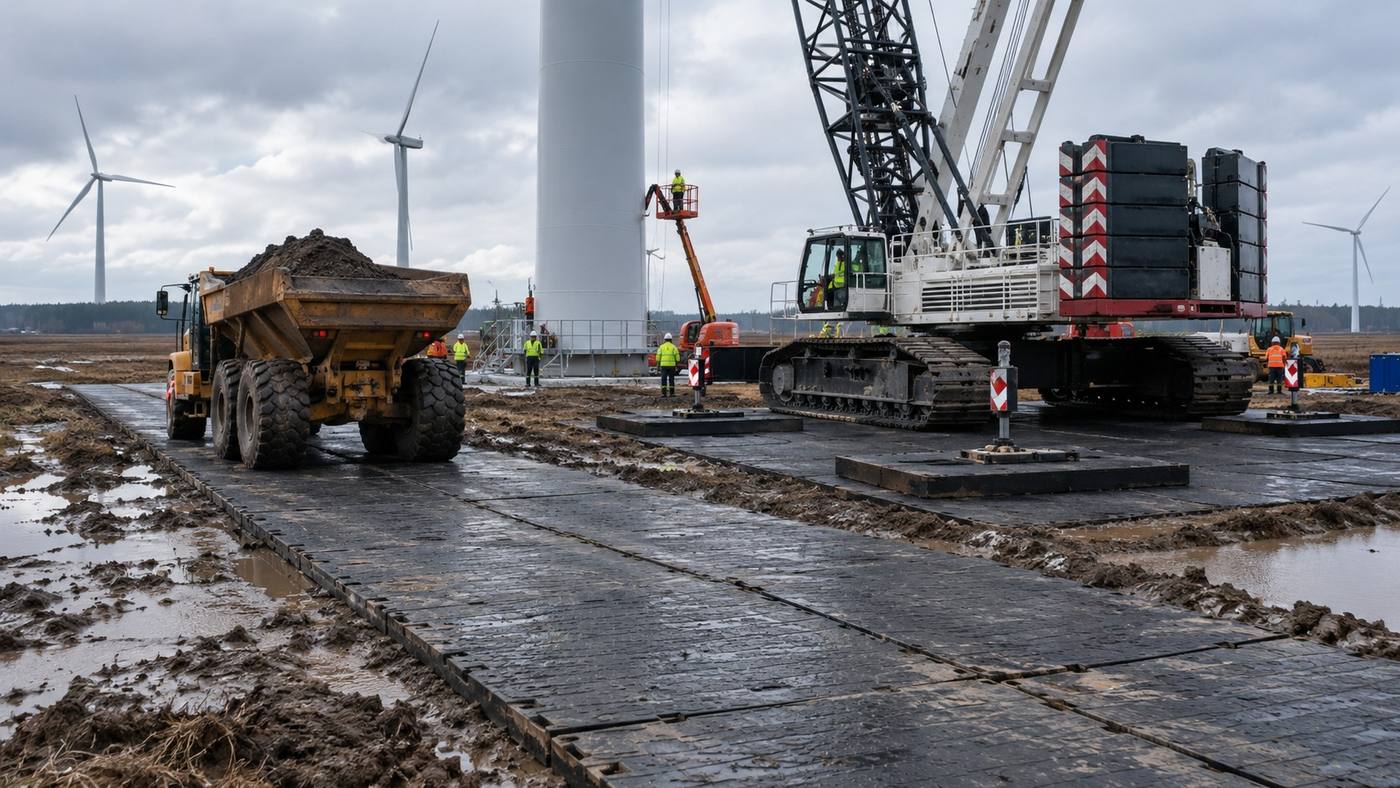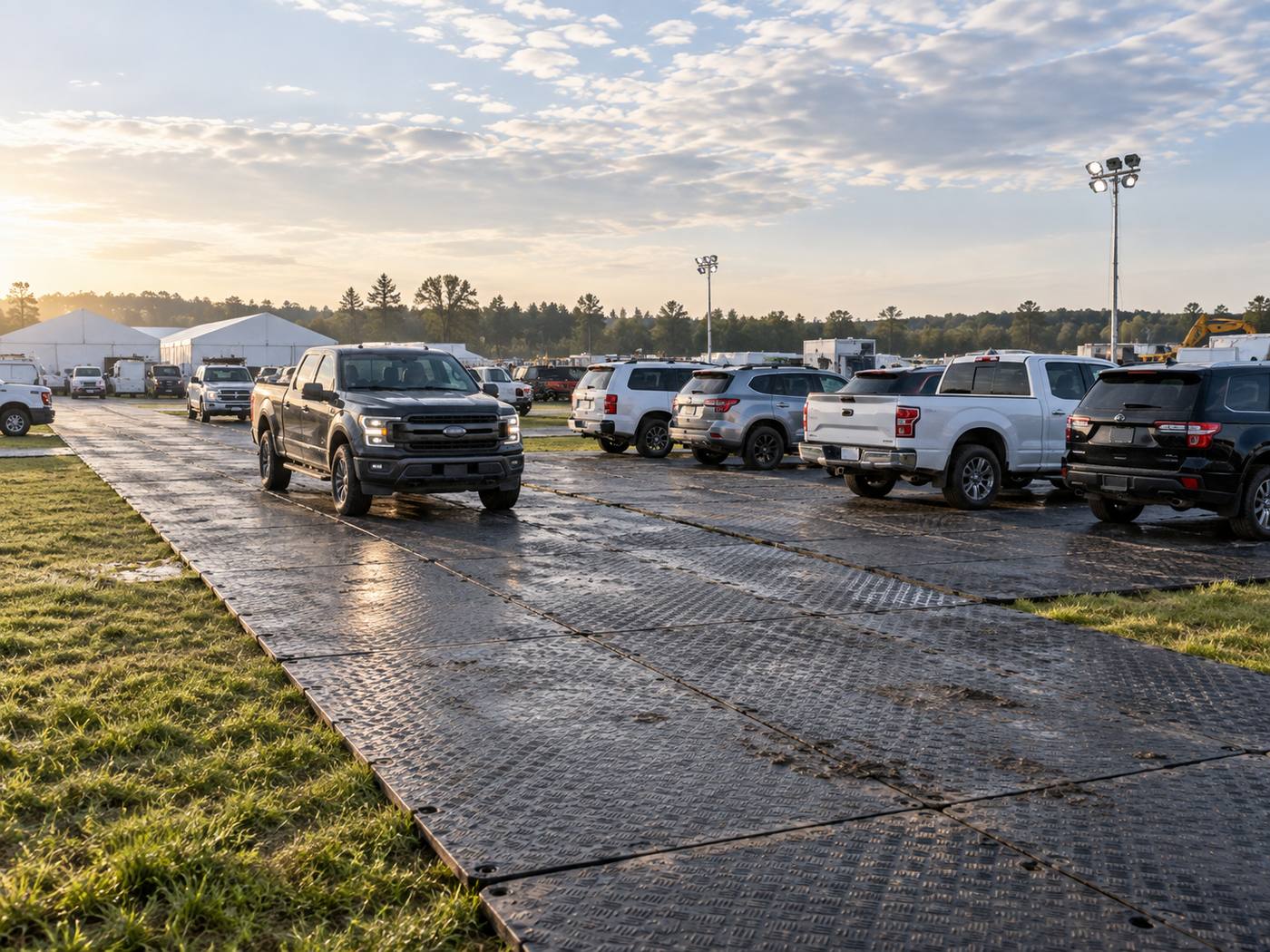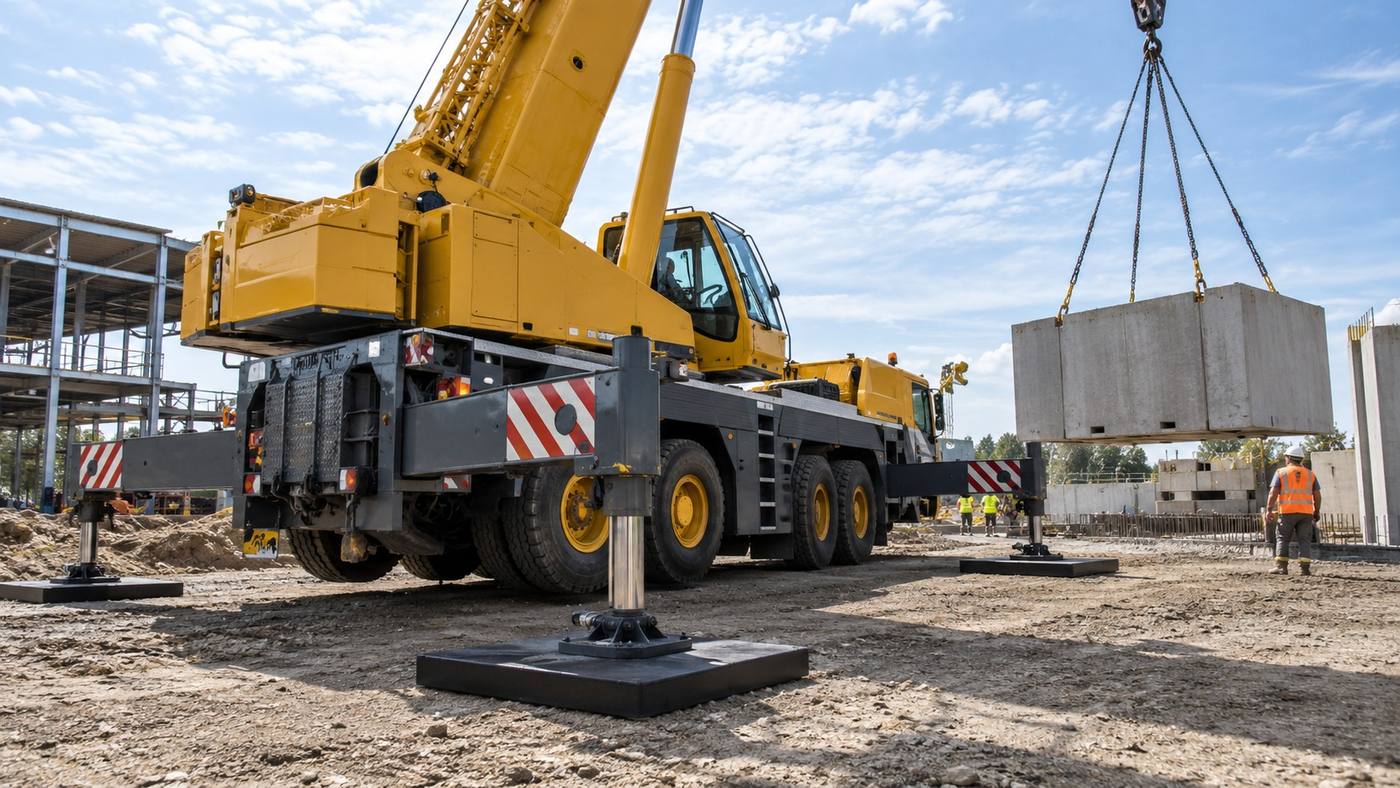
The selection of the thickness of the grassland protection project depends on the soil below the lawn, the condition of the vehicle and the extent of permitted damage. Sites for short-term pass by pedestrians or light service vehicles are completely different from the requirements for stage-built trucks, fire escapes or large-scale parking areas. Grassland appears to be strong when drying and is rapidly declining after consecutive rainfall, so the purchaser should assess the most likely wet state, rather than looking only at the surface of the day.
The bearings and tyres of the most heavy vehicles, the number of traffics, whether or not to turn to stop, the number of days to lay, and the risk of rainfall during the event need to be recorded. If the goal is to keep the roots and surface level as much as possible, the extent of pressure that is acceptable at the end of the activity is also indicated. The pedestal should combine vehicle tow and personnel to walk, and it may make it more difficult to clean; the bottom structure should avoid sharp concentrations and reduce the direct cutting of the fur.
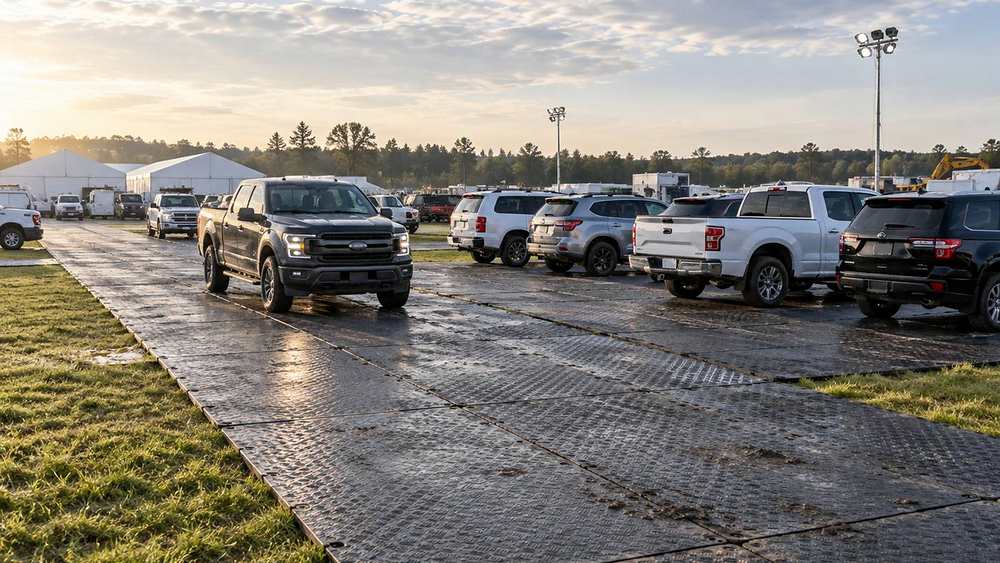
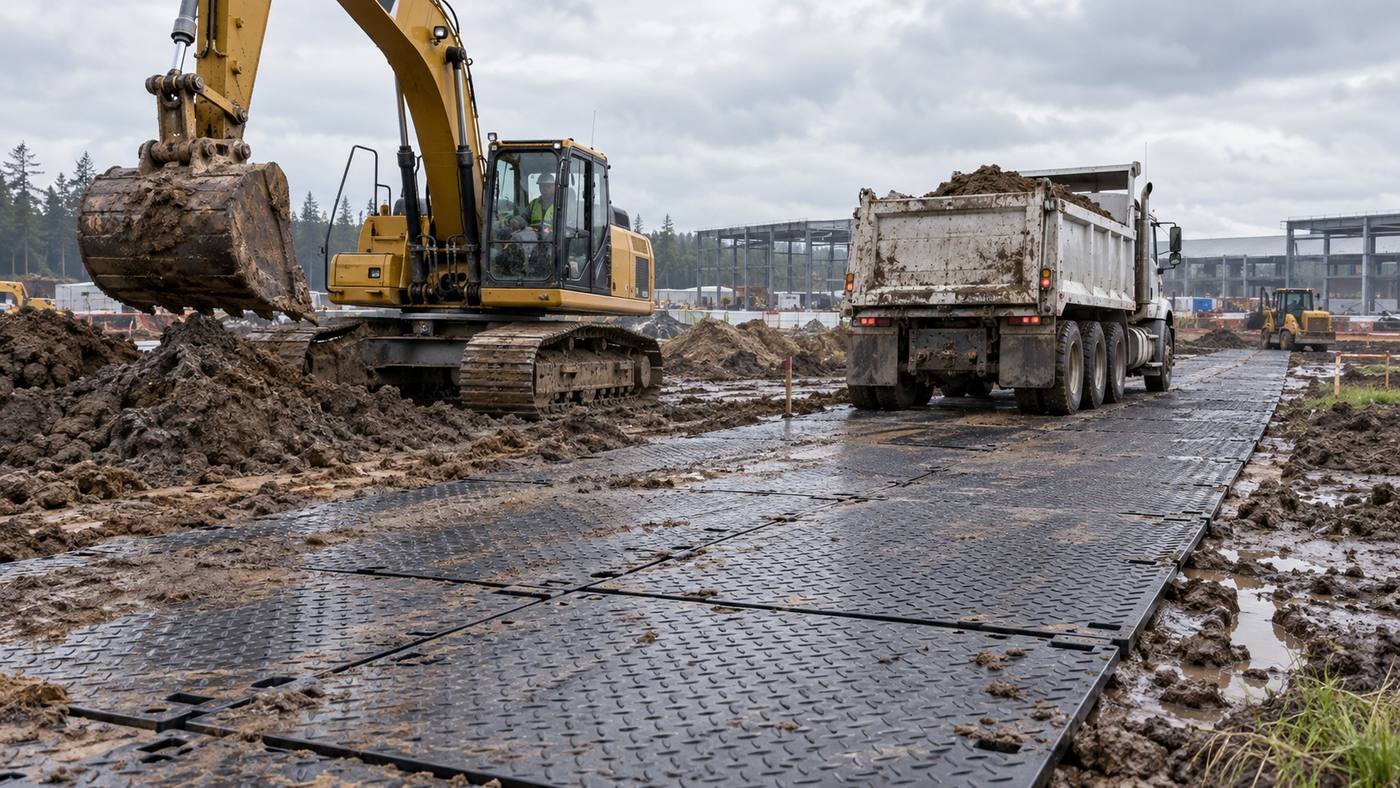
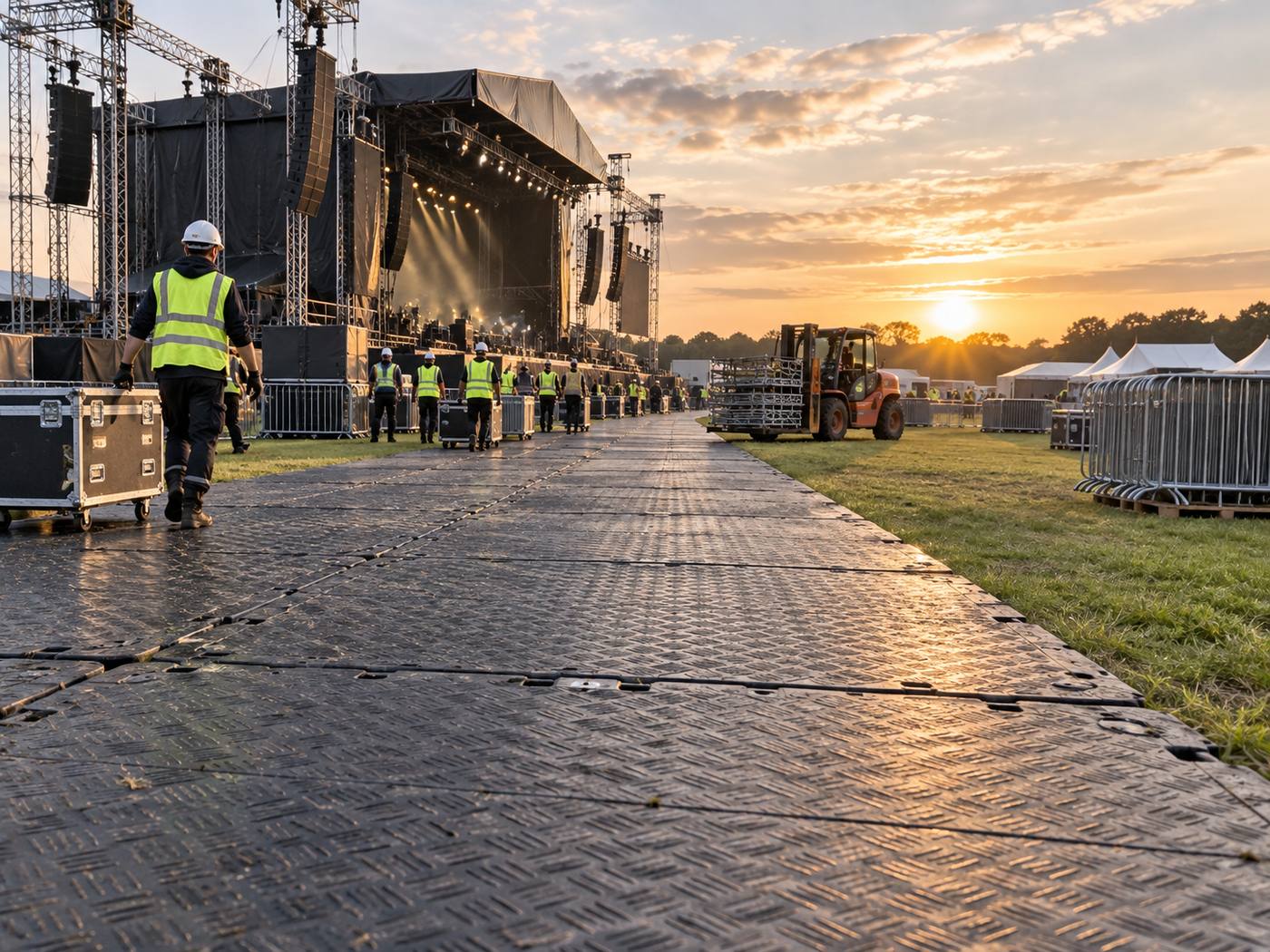
Paving boards in grassland and temporary parking area applications (inventory material for the plastic network)
The thicker pavements are usually more rigid and can spread the wheel to a greater extent, but the single weight and transport costs will also increase. If there are clays under the grass that are poorly drained, the thickness sheet may still sink with the whole ground. The project can reduce demand by expanding the width of the road, limiting turnovers, setting up one-way routes and reducing the number of stopovers, rather than solving all the problems only with more. The entry, turn and stage discharge areas can be strengthened in part.
The laying shall be preceded by the removal of stones, branches and high- and low-intensity surges and the avoidance of slab-pressure damage. The plates should be connected on a continuous basis, with a clear transition to the edges to prevent vehicles from entering from outside the plates. The soil and water are to be cleaned during use and the seams and grass are to be sunk after the rain. Dismantling is carried out in a sequential manner, avoiding towing and scratching the grass, and in a timely manner for ventilation and lawn restoration.
The request for quotations provides space, road maps, grass and soil status, date of use, maximum vehicle, projected number of vehicles, rainfall planning and restoration standards. The supplier may recommend thickness, size, texture, mode of connection and number accordingly. For critical sites, a small-scale trial preparation and simulation of actual vehicles is more reliable than a selection of a thickness based solely on experience.
Need for further evaluation of the actual project?
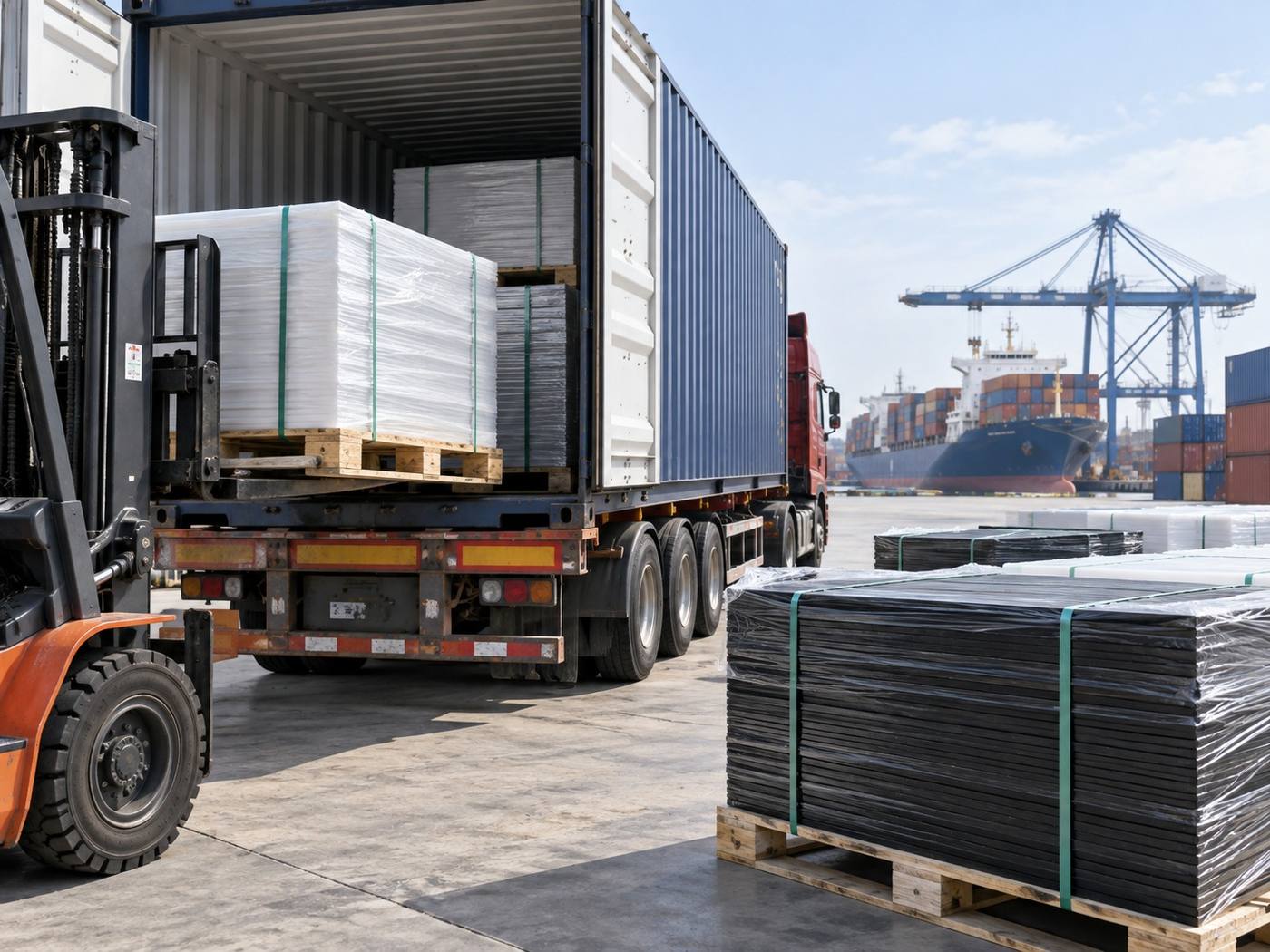
Applications, sizes, quantities, site photographs or drawings and delivery destinations are sent, on which we can identify more suitable products and processing programmes.