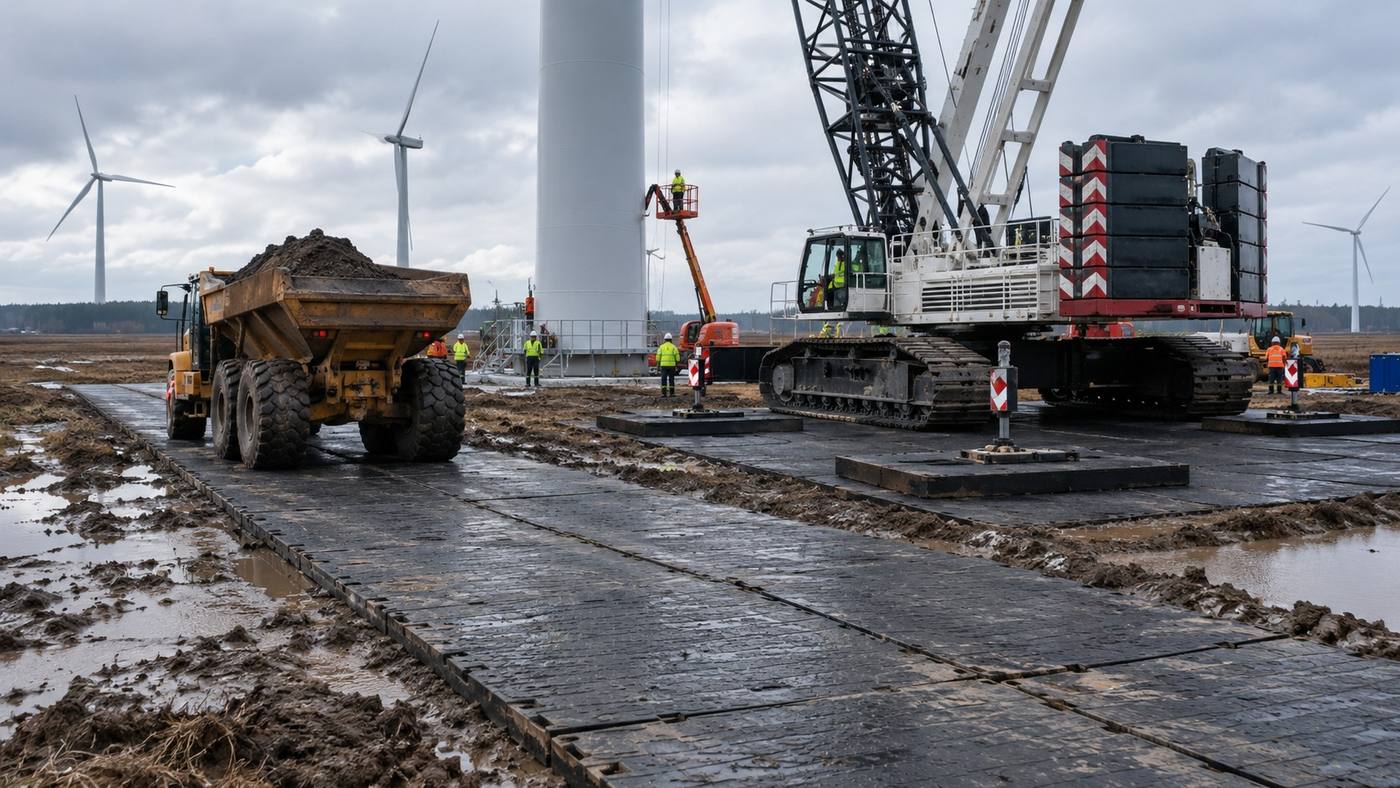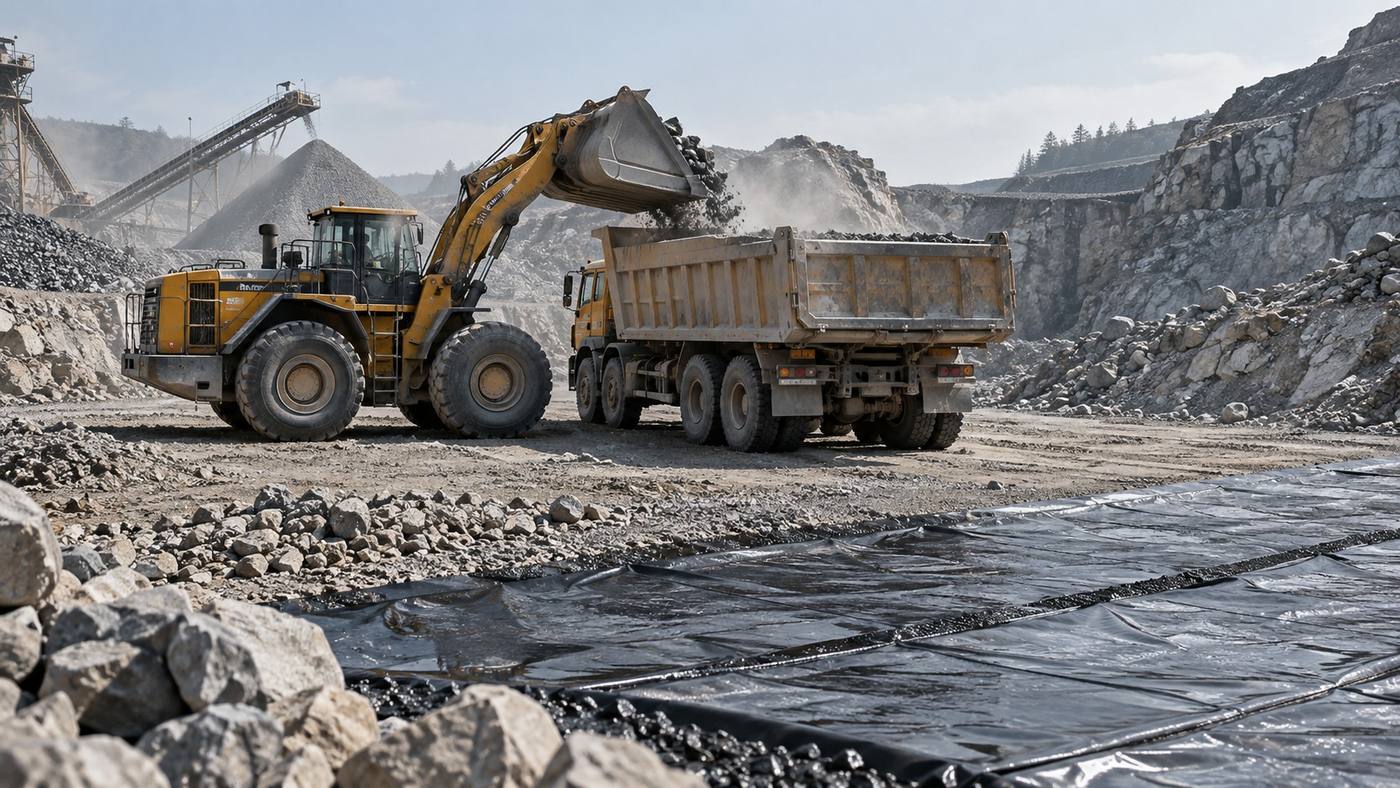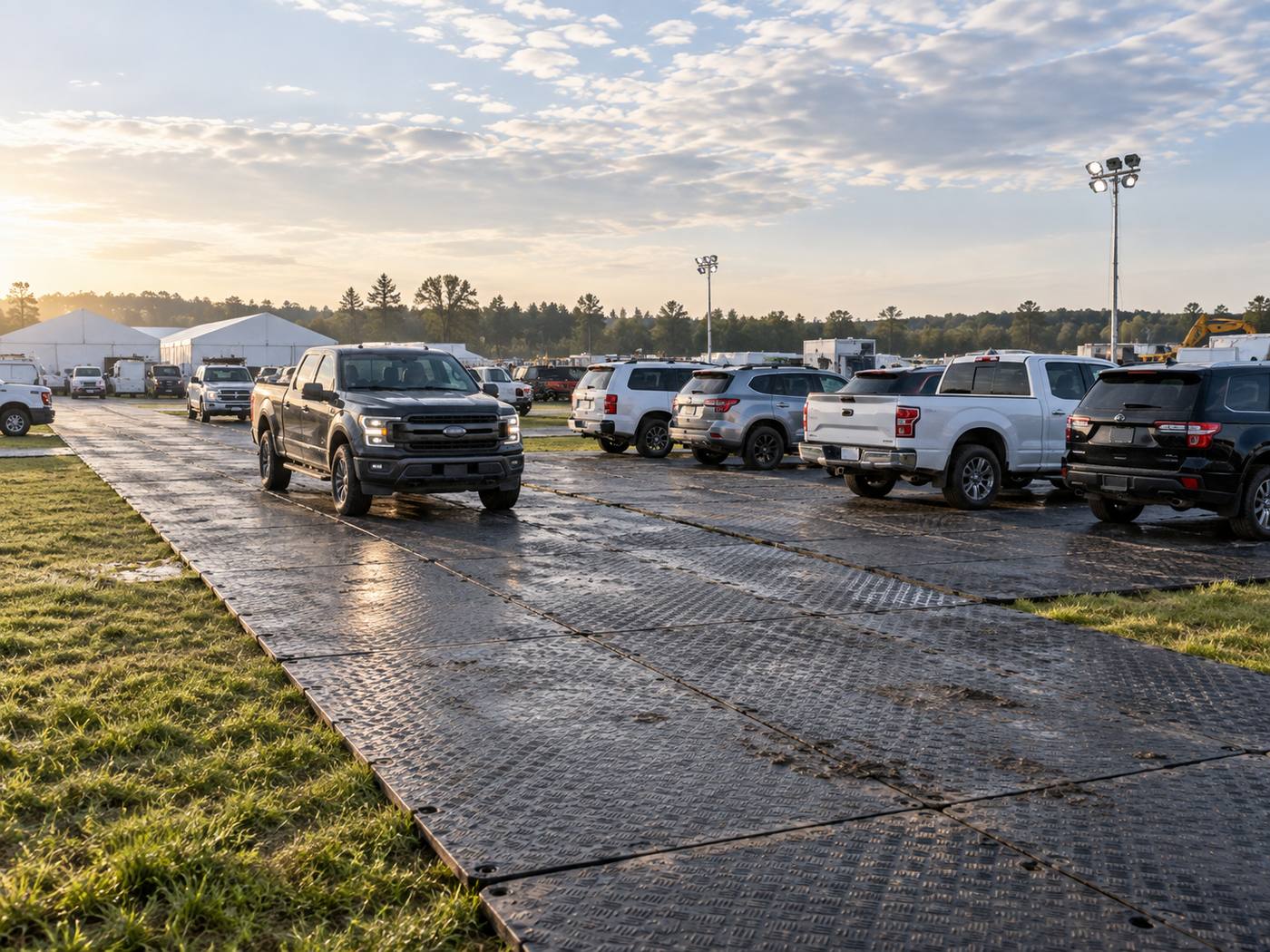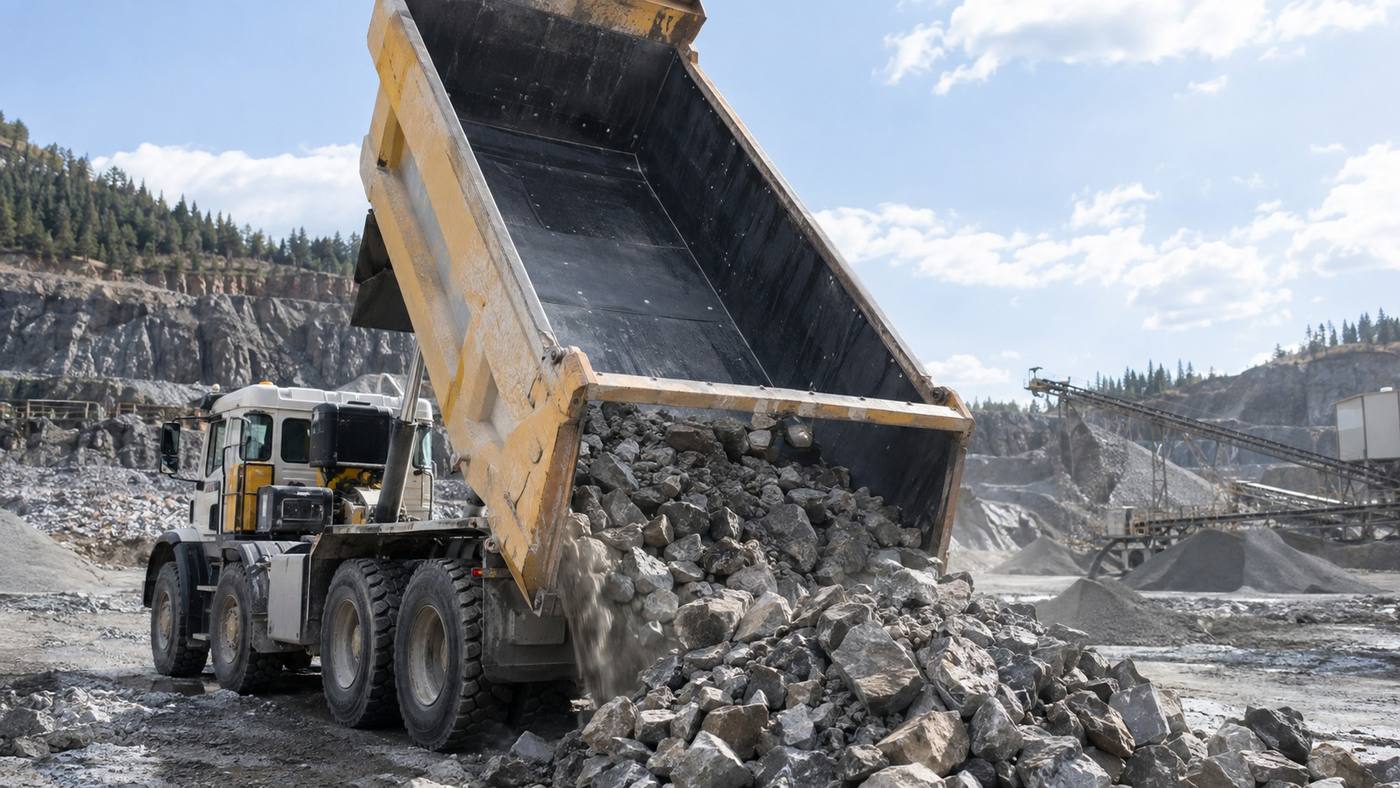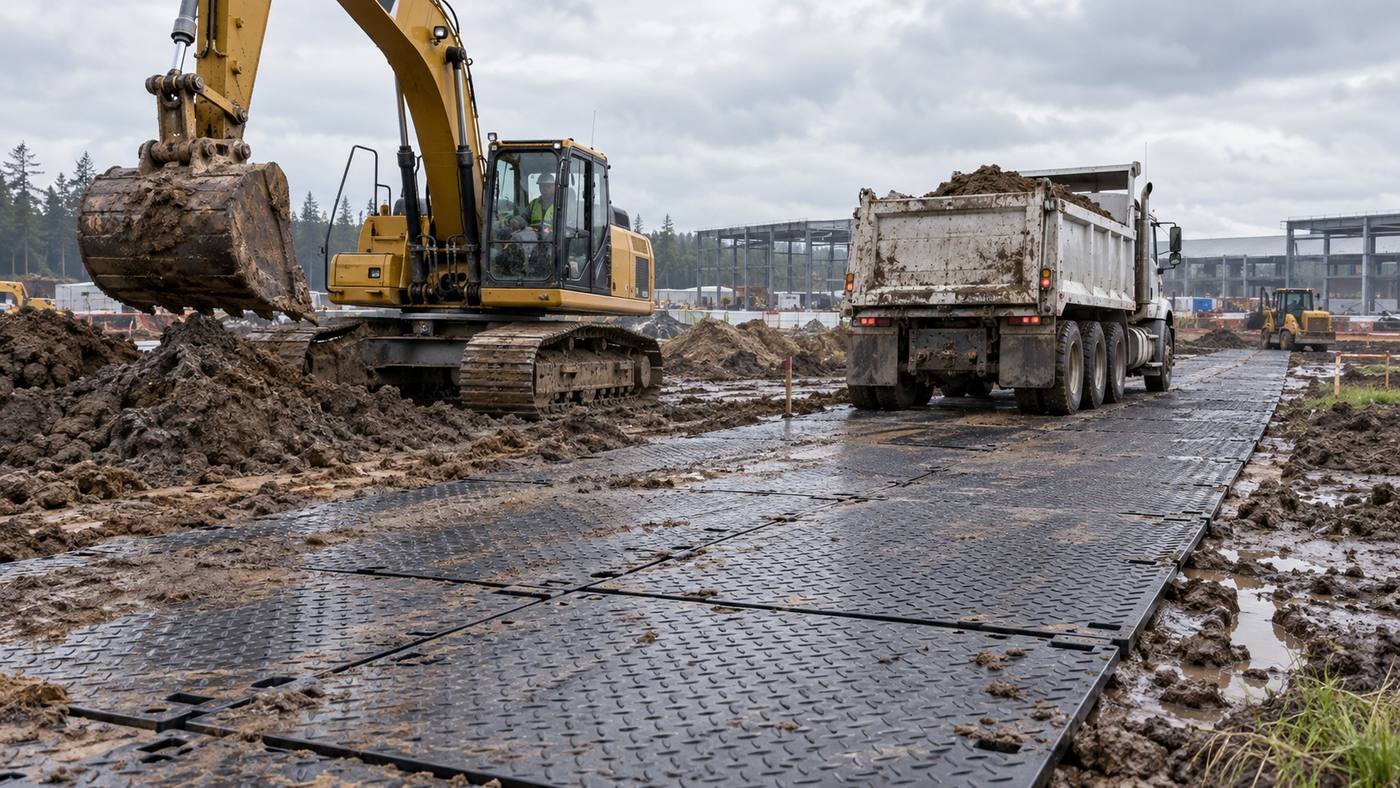
Track excavators and wheeled vehicles can sometimes use the same type of HDPE pavement, but the size of the belt cannot be considered a lower risk. Tyres usually form a more concentrated wheel pressure, and the belts are distributed more widely when they go straight, but they produce strong scratches and lateral cuttings when they turn, brake or track into stones. The planks will need to be assessed for each of the two categories of vehicles.
The procurement party should provide the bandwidth, the length of the belt, the working weight of the equipment and the form of the tarpaulin, as well as an indication of whether it needs to be in situ. In contrast to the impact of the rubber belt on the plate, a belt with sharp teeth or pegs is more likely to cut a smoother road. Wheeled vehicles should provide axle loads, tyre specifications and tire pressure. If the same corridor is used in combination, the less favourable of the two scenarios shall serve as the basis for selection and testing.
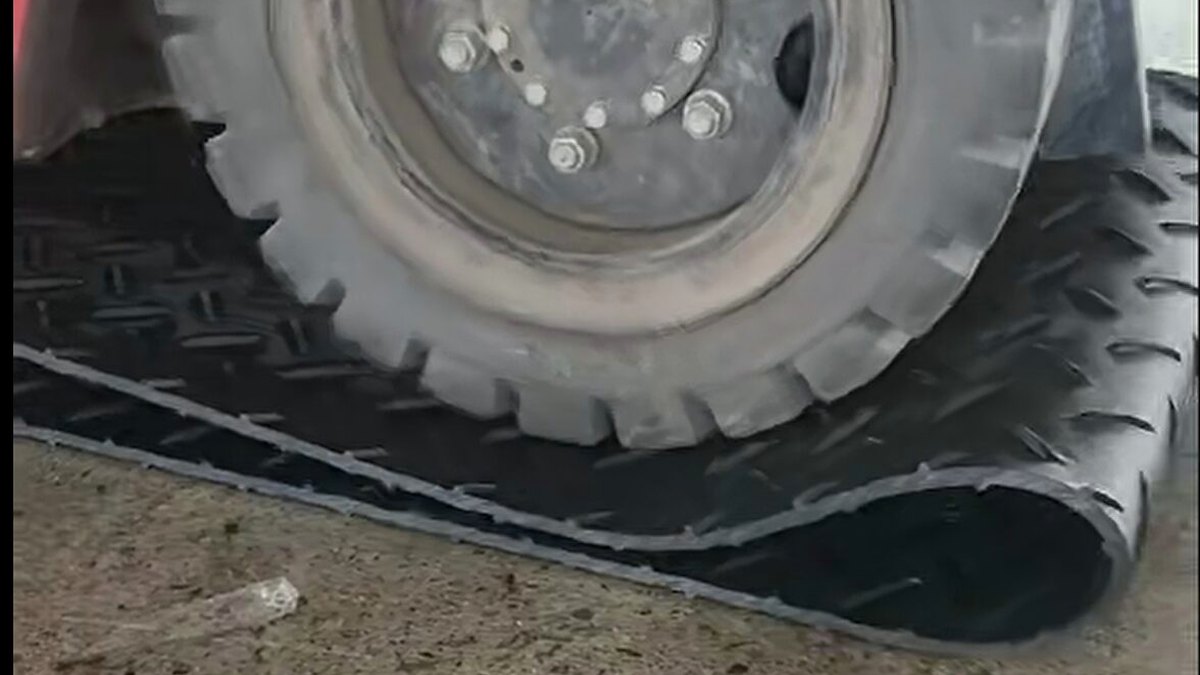
It's the plant where the pavement board presses and the vehicle passes the test.
Field management has a significant impact on shared programmes. Tape equipment passes at as low a line as possible, avoiding a shift on a single plate; when reorienting is necessary, the laid area can be expanded to allow the turn to occur on a more complete plate. Wheeled vehicles should control brakes and frequent correction directions. The plate is to be removed in a timely manner from the pointite and metal chips, and if the link is wrong, it should be stopped and disposed of in order to prevent the taped edge from continuing to pry the plate.
Thickness is not the only determinant. The thicker plate is more rigid, but if there are holes under the plate, the edge of the belt may still form a local overload; nor does the hard surface mean that it can withstand any revolving friction of the steel belt. Vendors should describe material resilience, low-temperature performance, road-resistible grinding and connector structures and provide conditions of use or test instructions related to similar equipment.
It would be preferable to arrange for a physical trial shop before the procurement, where the wheeled vehicles and the tracked equipment would complete direct, slow-turn and stop-over tests, respectively, to record plaque injuries, shifts, scratches and grass-roots changes. If the project must allow frequent in-situ rotations, a more suitable dedicated carrier or steel plate programme should be assessed. The sharing of paved panels is premised on the clear operation of the boundary and continuous inspection, rather than merely confirming whether the equipment will be able to board.
Need for further evaluation of the actual project?
Applications, sizes, quantities, site photographs or drawings and delivery destinations are sent, on which we can identify more suitable products and processing programmes.